Proven Strategies: How to Improve Yield Without PGRs Easily

Boosting your cannabis yield without resorting to Plant Growth Regulators (PGRs) is entirely possible with the right approach. If you are wondering how to improve yield without PGRs, focusing on organic yield improvement techniques can help you achieve a healthy and bountiful harvest. It’s not just about increasing the weight, but also enhancing the overall quality of your crop.
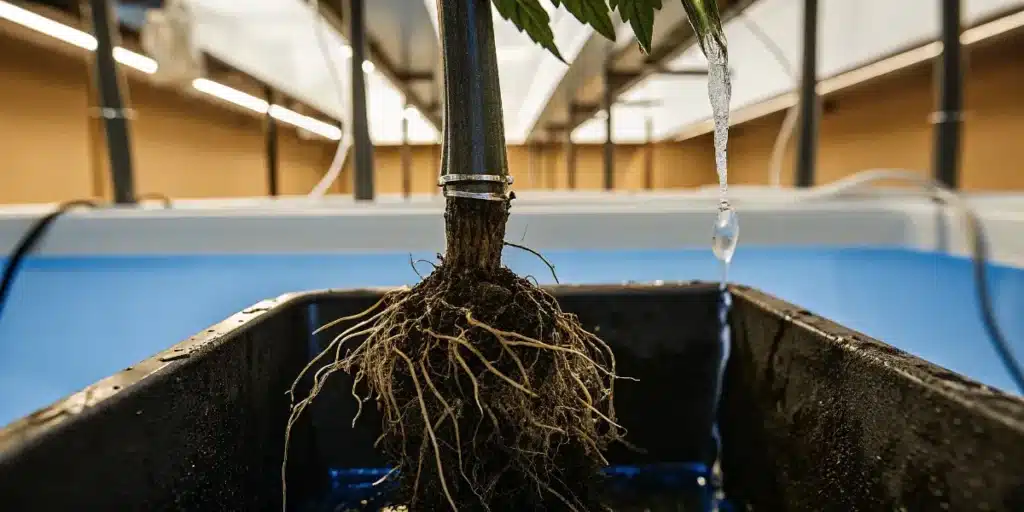
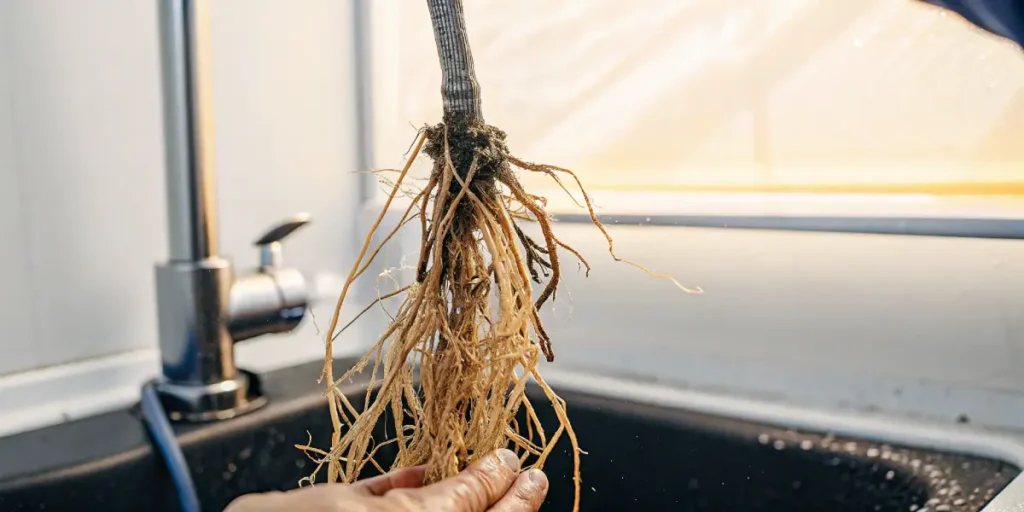
One effective method is to improve soil health. Healthy soil is the foundation of robust plant growth. Incorporating organic matter like compost or well-aged manure can provide essential nutrients and improve soil structure. This encourages root development and helps retain moisture.
Recommended Strains

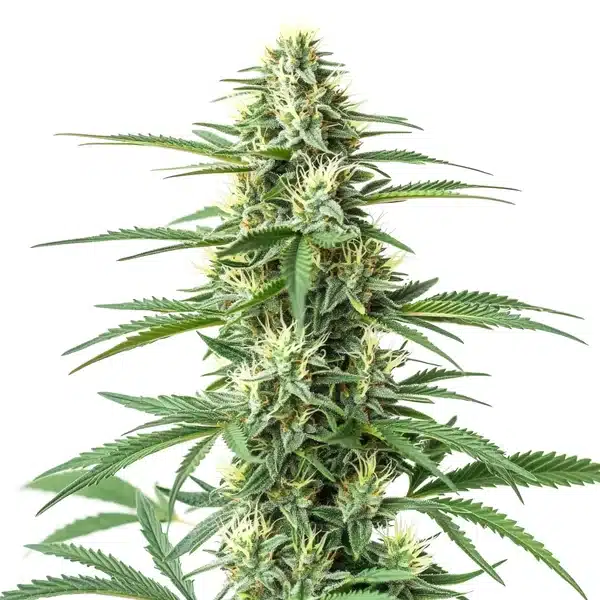
GG4

|
THC | 27% (High) |

|
Type | Feminized |

|
Yield | High |

|
Phenotype | 40% Indica / 60% Sativa |
CBD Critical Mass (1:1)

|
CBD | 5% (Low) |
|
|
Type | CBD Feminized |
|
|
Yield | Medium |
|
|
Phenotype | 60% Indica / 40% Sativa |
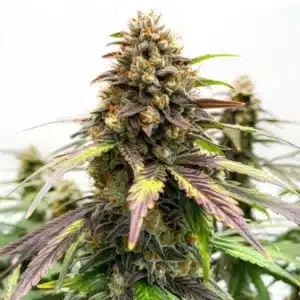
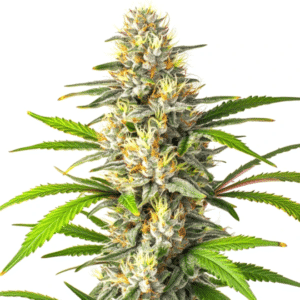
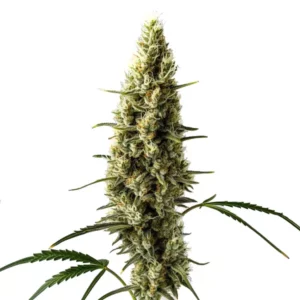
Another key factor is selecting the right cannabis strains. Blimburn Seeds offers varieties like GG4, known for its vigorous growth and high yield potential. Choosing strains that are naturally resilient to pests and diseases can significantly impact your yield without PGRs.
Soil Management Techniques
Soil management is a cornerstone in how to improve yield without PGRs. One of the simplest natural ways to boost crop yield is by optimizing soil conditions. This includes regular testing and adjusting of soil pH to suit cannabis growth needs, typically between 6.0 and 7.0.
Using cover crops is another sustainable farming practice for higher yield. Cover crops like clover or alfalfa can fix nitrogen in the soil, reducing the need for synthetic fertilizers. They also help prevent soil erosion and improve soil structure.
Besides to cover crops, rotating your cannabis plants with other nutrient-absorbing crops can further enhance soil fertility. Crop rotation helps to break cycles of pests and diseases, leading to more resilient plant growth.
To enhance your soil management efforts, consider using natural amendments like rock phosphate or green sand. These amendments provide a slow release of minerals, supporting sustained plant growth and increasing agricultural output without PGRs.
Composting and Mulching
Composting is a powerful method to enhance crop productivity naturally. By recycling organic waste, you can create nutrient-rich compost that feeds your plants. This reduces dependency on chemical fertilizers and supports sustainable farming practices for higher yield.
Mulching keeps the soil moist and regulates temperature, promoting healthy root growth. Organic materials like straw or wood chips can be used as mulch. They break down over time, adding nutrients back into the soil.
Incorporating diverse organic materials in your compost, such as kitchen scraps and garden waste, can enrich the nutrient content, leading to more robust cannabis plants. This diversity in the compost pile can significantly contribute to organic yield improvement techniques.
Additionally, using living mulch, such as low-growing cover crops, can protect the soil surface while adding organic matter as it decomposes. This approach is effective in reducing weed competition and enhancing crop productivity naturally.
Water Management
Proper water management is essential in increasing agricultural output without PGRs. Overwatering or underwatering can stress plants, leading to reduced yields. Drip irrigation systems can provide consistent moisture directly to the roots, minimizing water waste.
Rainwater harvesting is another effective technique. By collecting rainwater, you can reduce your dependence on municipal water supplies and provide your plants with pure, chemical-free water.
Implementing smart irrigation systems that are equipped with sensors can help you automate watering schedules based on soil moisture levels. This precision in water delivery ensures that plants receive optimal hydration without wastage.
Consider integrating xeriscaping principles, which involve designing landscapes that reduce or eliminate the need for irrigation. This technique can be particularly useful in arid regions, contributing to sustainable farming practices for higher yield.
Promos & Deals
Maximizing Light Exposure
Light is a critical factor in cannabis cultivation. Knowing how to maximize light exposure can significantly enhance crop productivity naturally. For indoor growers, investing in high-quality LED lights can simulate sunlight, promoting vigorous growth.
Outdoor growers can optimize light exposure by strategically placing plants to receive maximum sunlight. Regularly pruning and training plants can also help light penetrate the canopy, reaching lower branches.
Reflective materials, such as mylar or white paint, can be used in indoor growing spaces to enhance light distribution. This ensures that every part of the plant receives adequate light, boosting photosynthetic efficiency.
For outdoor setups, consider using adjustable plant stands or trellises to modify the height and orientation of plants throughout the day. This adaptability helps in capturing optimal sunlight, especially in areas with uneven light distribution.
Pruning and Training Techniques
Pruning is an organic yield improvement technique that involves removing unnecessary leaves and branches. This allows the plant to focus its energy on producing buds rather than maintaining excess foliage.
Training methods like topping or LST (Low-Stress Training) can encourage bushier growth. This increases the number of bud sites and ultimately boosts yield. For example, topping involves cutting the main stem to encourage the plant to grow in a more compact and productive manner.
Incorporating techniques like SCROG (Screen of Green) can help in spreading plant branches horizontally. This method maximizes light exposure and air circulation, essential factors for how to improve yield without PGRs.
Utilizing support structures such as stakes or cages can prevent plant breakage and promote a stable growth environment. This is particularly beneficial for strains with heavy bud production like those from Blimburn Seeds.
Climate Control
Controlling the growing environment is another crucial aspect of how to improve yield without PGRs. Temperature and humidity levels should be monitored and adjusted to suit the growth stage of your plants.
For indoor growers, climate control systems can maintain optimal conditions year-round. This ensures that your cannabis plants are never stressed by extreme weather conditions.
Implementing CO2 enrichment in indoor environments can enhance photosynthesis rates, leading to more robust plant growth. This method complements other organic yield improvement techniques for increasing agricultural output without PGRs.
Outdoor growers can benefit from natural windbreaks or hedges that protect plants from strong winds. These barriers help maintain a stable growing environment, crucial for minimizing plant stress and maximizing yield.
Choosing the Right Strains
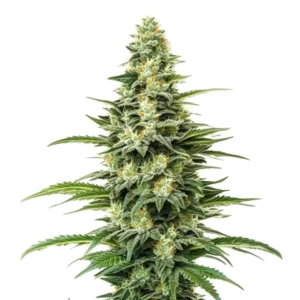
Selecting the right cannabis strains is a natural way to boost crop yield. Some strains are genetically predisposed to produce higher yields without the need for PGRs. Blimburn Seeds Critical Mass is known for its high yield and resilience, making it an excellent choice for both novice and experienced growers.
Researching and knowing the characteristics of different strains can guide you in selecting the best options for your growing conditions. Strains that are resistant to pests and diseases can save you time and effort while increasing your overall yield.
Exploring strains that have a shorter flowering period can lead to multiple harvests within a growing season, effectively enhancing crop productivity naturally. This approach is particularly beneficial in regions with shorter growing seasons.
Consider strains that are known for their adaptability to various climates. This versatility can be crucial for outdoor growers looking to achieve consistent yields despite changing weather conditions.
Integrated Pest Management (IPM)
IPM is a holistic approach to pest control that minimizes the use of chemical pesticides. It involves using natural predators, like ladybugs, to keep pest populations in check. This is a sustainable farming practice for higher yield and healthier crops.
Regularly inspecting your plants for signs of pests can prevent infestations from taking hold. Early detection is key to managing pests effectively.
Besides to natural predators, implementing biological control methods such as introducing nematodes can target soil-dwelling pests. This strategy is effective in maintaining a balanced ecosystem in your grow area.
Companion planting with herbs such as basil or mint can deter pests naturally while adding diversity to your garden. This method aligns with the principles of how to improve yield without PGRs by promoting a healthy growing environment.
FAQs about how to improve yield without PGRs
How can I naturally boost my cannabis yield without using PGRs?
There are several organic yield improvement techniques you can use. Start by ensuring your soil is healthy and rich in organic matter. Composting and mulching can add important nutrients to the soil, promoting strong plant growth.
Additionally, selecting the right cannabis strains is crucial. Opt for strains like those offered by Blimburn Seeds, which are known for their high yield potential and resilience. This can make a significant difference in your harvest.
Incorporating sustainable farming practices for higher yield, such as crop rotation and integrated pest management, can further enhance your growing efforts. These methods help maintain a balanced ecosystem conducive to healthy plant development.
Focusing on maximizing light exposure through strategic plant placement and utilizing training techniques can also contribute to increased yields. These practices ensure that every part of your plant receives adequate resources for optimal growth.
What are some sustainable farming practices for higher cannabis yield?
Sustainable practices include using cover crops to improve soil health and implementing drip irrigation systems to conserve water. These methods not only boost yield but also support environmental sustainability.
Integrated Pest Management (IPM) is another practice that reduces pesticide use by employing natural pest control methods. This approach helps maintain a healthy growing environment for your cannabis plants.
Adopting organic mulching techniques can protect soil moisture and temperature, creating an ideal environment for root development. This contributes to sustainable farming practices for higher yield by reducing resource inputs.
Engaging in community-supported agriculture or local seed exchanges can introduce growers to diverse plant varieties, fostering resilience and yield improvement through genetic diversity.
Why is soil management important in cannabis cultivation?
Soil management is crucial because it directly affects plant health and productivity. Healthy soil provides essential nutrients and supports root development, leading to robust plant growth.
Regular soil testing can help you maintain optimal pH levels and nutrient balance, ensuring your cannabis plants have everything they need to thrive without PGRs.
Incorporating biochar into your soil can enhance its ability to retain nutrients and moisture. This addition can significantly impact how to improve yield without PGRs by creating more favorable growth conditions.
Using mycorrhizal fungi inoculants can establish beneficial relationships between plant roots and fungi, enhancing nutrient uptake and overall plant vigor.
How does light exposure impact cannabis yield?
Light exposure is vital for photosynthesis, the process by which plants convert light into energy. Maximizing light exposure can significantly enhance crop productivity naturally.
For indoor growers, using high-quality LED lights can mimic natural sunlight, providing consistent light levels year-round. Outdoor growers can use pruning and training techniques to ensure all parts of the plant receive adequate light.
Utilizing a light meter can help growers adjust light intensity and duration to meet the optimal needs of their cannabis plants. This precision leads to healthier plants and improved yields.
Incorporating supplemental lighting during overcast days or in shaded areas can ensure that your plants receive consistent illumination, critical for maximizing yield potential.
Can Blimburn Seeds strains really help improve yield without PGRs?
Yes, Blimburn Seeds offers a variety of strains that are bred for high yield and resilience. Strains like GG4 and Critical Mass have been developed to maximize productivity without the need for PGRs.
These strains are ideal for growers looking to improve their yield naturally. By focusing on genetic potential, you can achieve impressive results without compromising on quality.
Growing Blimburn Seeds strains can provide growers with peace of mind, knowing that these plants naturally possess the traits needed for robust growth and high yield, aligning with organic yield improvement techniques.
Exploring Blimburn Seeds’ comprehensive catalog can introduce growers to unique strains that cater to specific growing conditions and preferences, further optimizing their cultivation efforts.