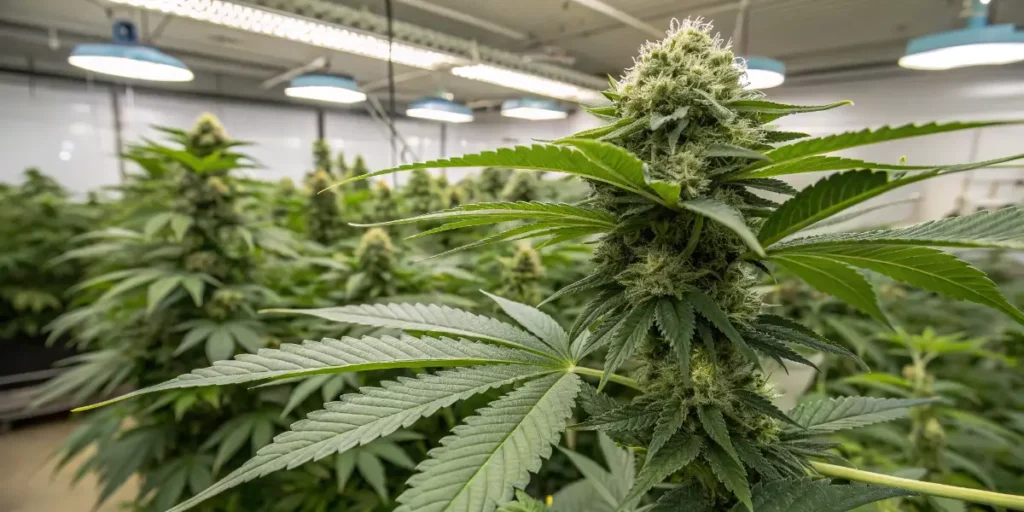
Overcoming Mid-Flower Challenges in Cannabis Cultivation

Optimal VPD for Mid-Flower Stage: Managing VPD between 0.8 to 1.2 kPa is vital during the mid-flower stage of cannabis cultivation. This range helps mitigate common issues like nutrient deficiencies and environmental stress, ensuring healthy bud development and maximizing yield. Experienced growers emphasize the importance of maintaining these conditions to prevent plant stress and promote robust growth.
During the mid-flower stage, cannabis plants undergo significant changes that can affect terpene profiles and flowering time. Mastering this phase is crucial for achieving optimal resin production and flavor. By focusing on environmental controls and nutrient management, you can enhance the plant’s natural terpene synthesis, ensuring a rich, aromatic harvest.
Recommended Strains

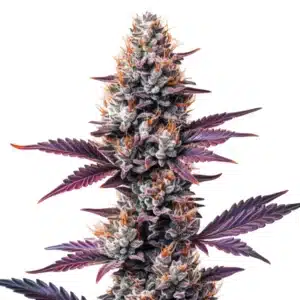
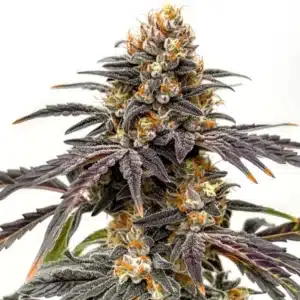
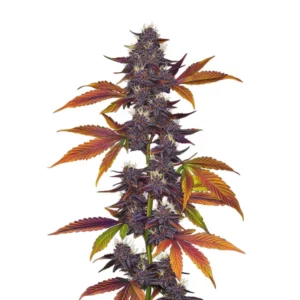
Blueberry x Lemon Haze Auto

|
THC | 16% - 22% (Medium) |

|
Type | Autoflowering |

|
Yield | Low |

|
Phenotype | 40% Indica / 60% Sativa |
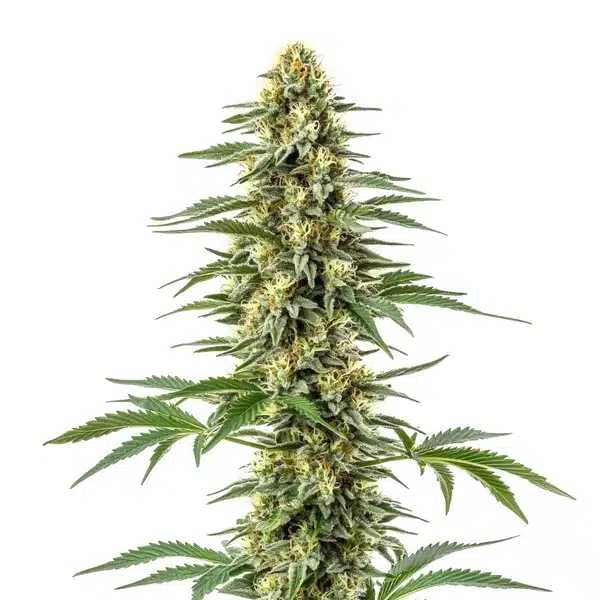
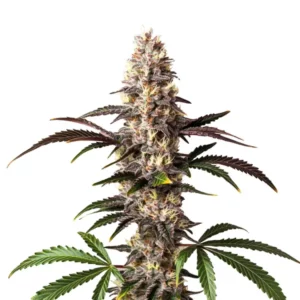
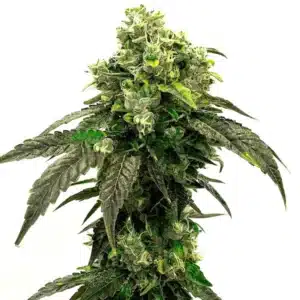
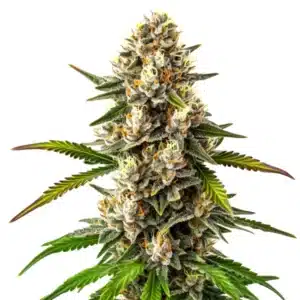
Amnesia Kush
|
|
THC | 15% - 20% (Medium) |
|
|
Type | Feminized |
|
|
Yield | High |
|
|
Phenotype | 30% Indica / 70% Sativa |
Mid-Flower Challenges in Cannabis Cultivation
Common Issues in Week 5
Week 5 of the flowering stage often presents challenges such as nutrient lockout and pest infestations. At this point, plants are heavily focused on bud development, requiring precise nutrient ratios like N:P:K 1:3:2. Nutrient lockout can occur if pH levels deviate from the ideal 6.0-6.5 range, leading to deficiencies in essential elements like phosphorus and potassium.
Environmental stressors such as incorrect VPD can exacerbate these issues. A VPD for flowering chart is essential for maintaining optimal conditions, as deviations can lead to reduced bud quality and yield. Experienced growers recommend maintaining a VPD of 0.8 to 1.2 kPa to support healthy development.
Solutions for Mid-Flower Problems
To address mid-flower challenges, adjust your grow environment carefully. Monitoring cannabis flowering stage temp and humidity is crucial. Aim for temperatures between 68°F and 77°F (20°C to 25°C) and humidity levels around 40-50%. This balance prevents mold and promotes robust bud growth.
Experienced cultivators highlight the importance of knowing cannabis flowering time to plan interventions effectively. Typically, this stage lasts 3 to 5 weeks, during which careful monitoring and adjustments are necessary to prevent nutrient lockout and other stressors. Utilize early stages of bud growth pictures to diagnose issues early and implement corrective actions.
Promos & Deals
Visual Guides and Tools
Using VPD Charts Effectively
A VPD for flowering chart is a critical tool for maintaining optimal environmental conditions. It helps you track and adjust temperature and humidity levels to maintain the ideal VPD range. This proactive approach prevents stress and optimizes growth.
For autoflowering strains, determining the best VPD for flowering autoflower is crucial. These strains often require a slightly different range, typically 0.9 to 1.3 kPa, to maximize their shorter flowering period. Use these charts to tailor your environment to the specific needs of your plants.
Stages of Bud Growth Pictures
Stages of bud growth pictures outdoor can help track development and identify potential issues. By comparing these images with your plants, you can spot abnormalities early. A flowering stage time lapse can reveal growth patterns over time, helping you adjust your care techniques accordingly.
Explore cannabis flowering stages pictures to identify your plant’s progress accurately. These visual tools are invaluable for diagnosing problems and ensuring your plants remain healthy throughout the flowering stage.
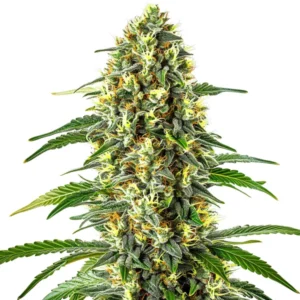
| Feature | GG4 | Blueberry X Lemon Haze Auto | Amnesia Kush |
|---|---|---|---|
| THC Content | 27% | 16-22% | 15-20% |
| Dominant Terpene | Humulene | Terpinolene | Cadinene |
| Flowering Time | 8-10 weeks | 8-10 weeks | 8-10 weeks |
| Yield Indoor | 1.64 – 1.97 oz/ft² | 500 – 600 g/m² | 0.82 oz/ft² | 250 g/m² | 1.64 – 1.97 oz/ft² | 500 – 600 g/m² |
| Preferred Climate | Continental | Temperate | Temperate |
Professional Tips for Mid-Flower Success
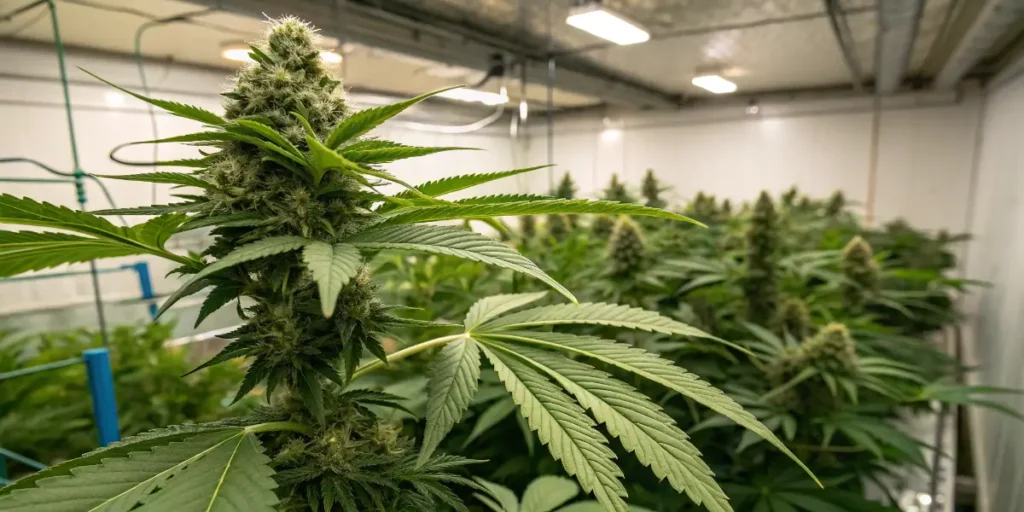
- Maintain 68-77°F (20-25°C) during flowering to prevent heat stress. Temperatures above 80°F (27°C) can inhibit bud development.
- Ensure 40-50% humidity to avoid mold. High humidity can lead to Botrytis, a common issue in dense buds.
- Feed with a balanced N:P:K ratio of 1:3:2 to support bud growth. Overfeeding can cause nutrient burn, damaging the plant.
- Use a digital hygrometer to monitor VPD. Analog devices can be inaccurate, leading to improper adjustments.
- Inspect plants weekly for pests. Early detection prevents infestations that can devastate crops.
- Adjust light intensity to 800-1000 µmol/m²/s. Insufficient light reduces yield, while excessive light can cause bleaching.
FAQs about Mid-Flower Stage
What happens to cannabis plants in week 5 of the flowering stage?
In week 5, cannabis plants focus on bud development, requiring precise nutrient management. Nutrient deficiencies can appear if pH levels are off, impacting phosphorus uptake. Maintaining a VPD of 0.8 to 1.2 kPa is crucial to support healthy growth and prevent stress-related issues.
What do overripe buds look like?
Overripe buds often appear darkened and may have a diminished aroma. Trichomes turn amber, indicating THC degradation. Harvesting at this stage can result in a more sedative effect, as THC converts to CBN. Monitor trichome color closely to determine the ideal harvest time.
How long should cannabis be in the flowering stage?
The flowering stage typically lasts 8 to 11 weeks, depending on the strain. Indica-dominant strains may finish in 8 weeks, while Sativa-dominant strains can take up to 11 weeks. Monitoring environmental conditions and nutrient intake is crucial throughout this period.
What week does cannabis flower the most?
Cannabis plants usually experience the most significant flowering in weeks 6 to 7. During this time, buds swell and trichome production peaks. Ensuring optimal light and nutrient conditions is vital to maximize yield and potency during these critical weeks.
How can you identify overripe buds during the mid-flower stage?
Overripe buds in the mid-flower stage may show signs of trichome ambering and reduced terpene profiles. This stage is marked by a shift from clear to amber trichomes. Regularly inspecting trichome color with a magnifying glass helps determine the best harvest time.