Identifying and Treating Hemp Russet Mites on Cannabis

Hemp russet mites: These pests can severely impact cannabis yields by damaging plant tissues. Recognizing symptoms early is crucial for effective treatment. Experienced growers report that timely interventions can reduce damage by up to 70%, promoting healthier plants. Utilizing both organic and chemical treatments ensures comprehensive control of hemp russet mites on cannabis.
Hemp russet mites pose a significant threat to cannabis cultivation, often going unnoticed until damage is severe. These tiny pests can drastically reduce yields by attacking plant tissues. Knowing their life cycle and implementing preventive measures is essential for maintaining healthy crops. This guide provides detailed insights into identification and treatment strategies.
Recommended Strains
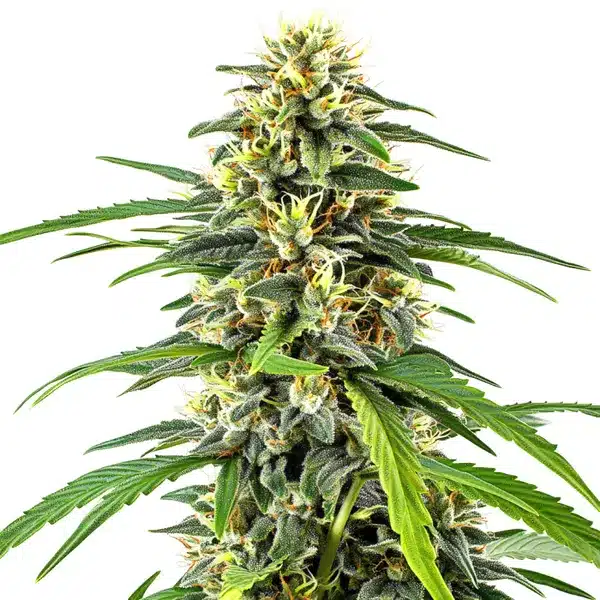
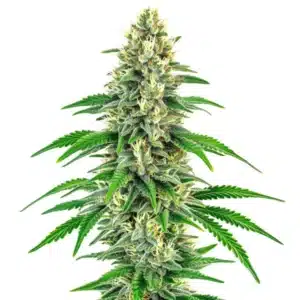
Amnesia Haze

|
THC | 18% - 22% (Medium) |

|
Type | Feminized |

|
Yield | High |

|
Phenotype | 30% Indica / 70% Sativa |

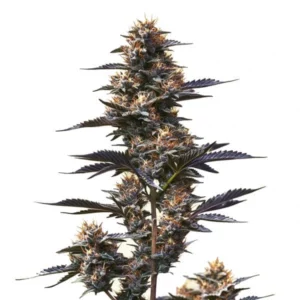
Northern Lights
|
|
THC | 17% (Medium) |
|
|
Type | Feminized |
|
|
Yield | High |
|
|
Phenotype | 90% Indica / 10% Sativa |
Hemp Russet Mites: A Closer Look
What Are Hemp Russet Mites?
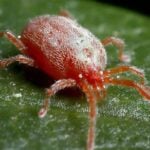
Hemp russet mites are microscopic pests that target cannabis plants, often leading to stunted growth and reduced yields. These mites are less than 0.2 mm in size, making them difficult to detect without magnification. They thrive in warm, dry conditions, which are common in indoor grow setups. Russet mites on cannabis can cause significant damage if not addressed promptly.
These mites feed on the plant’s sap, causing leaves to curl and yellow. The damage often resembles nutrient deficiencies, making early detection challenging. Affected plants may show signs of stress, such as reduced vigor and lower THC content. Monitoring environmental conditions, such as maintaining humidity between 40-60%, can help prevent infestations.
Life Cycle of Russet Mites
The life cycle of hemp russet mites is rapid, with eggs hatching in just 2-4 days under optimal conditions. Adult mites can live for up to 30 days, during which they reproduce prolifically. This quick reproduction cycle allows populations to explode if left unchecked. Effective hemp russet mites treatment includes disrupting this cycle through targeted interventions.
To manage infestations, it’s crucial to understand their reproductive habits. Using a combination of biological controls, such as predatory mites, and maintaining environmental conditions that are less favorable for mite development can significantly reduce their numbers. Regular inspections with a magnifying glass or microscope are advised to catch early signs of infestation.
Promos & Deals

Identifying Hemp Russet Mites on Cannabis
Signs of Infestation
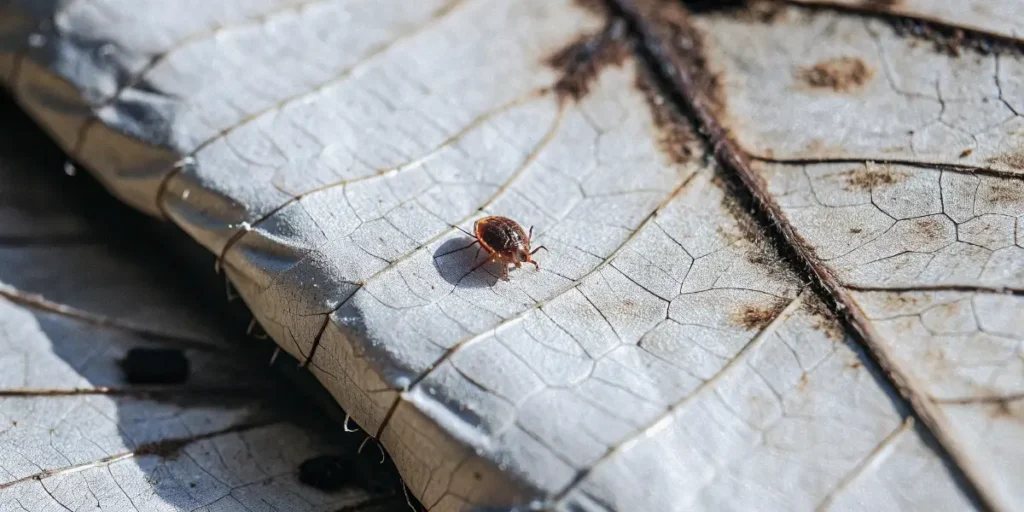
Hemp russet mite damage often appears as distorted growth and bronzing of leaves. This damage can be mistaken for nutrient deficiencies or environmental stress. Russet mite damage on cannabis is characterized by a fine webbing on the underside of leaves, which can be a telltale sign of their presence.
When identifying and treating hemp russet mites on cannabis plants, it’s crucial to look for these subtle signs early. Affected plants may also exhibit reduced bud development and lower resin production, impacting overall yield and potency. Regular monitoring and early intervention are key to minimizing damage.
Identifying and Treating Hemp Russet Mites on Cannabis Pictures
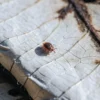
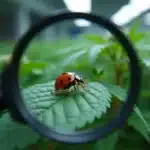
Visual identification is a critical step in managing infestations. See the identifying and treating hemp russet mites on cannabis pictures for clear examples of what to look for. Our collection of russet mites pictures will help you accurately diagnose and address the issue.
High-resolution images can assist in distinguishing between mite damage and other issues such as nutrient imbalances. Using these images as a reference, growers can implement targeted treatments more effectively. It’s important to act swiftly once an infestation is confirmed to prevent further damage.
Treating Hemp Russet Mites
Organic Treatment Options
Organic treatments for hemp russet mites include neem oil and insecticidal soaps. These options are effective when applied consistently over several weeks. Neem oil disrupts the mites’ reproductive cycle, while insecticidal soaps suffocate them on contact. For best results, apply treatments during the early morning or late evening to avoid leaf burn.
Experienced growers recommend combining these treatments with beneficial insects such as ladybugs or predatory mites. These natural predators can help keep mite populations in check. Maintaining a balanced ecosystem within your grow area can reduce the likelihood of future infestations.
Chemical Treatment Options
For severe infestations, chemical miticides may be necessary. Products containing abamectin or spiromesifen are effective against hemp russet mites. It’s essential to follow label instructions carefully to avoid damaging your plants or harming beneficial insects. Rotate chemical treatments to prevent resistance buildup.
When using chemical treatments, ensure proper ventilation and wear protective gear to minimize exposure. Many cultivators share that integrating chemical and organic methods provides a comprehensive approach to pest management. Always prioritize safety and environmental impact when selecting treatment options.
| Feature | GG4 | Amnesia Haze | Northern Lights |
|---|---|---|---|
| THC Content | 27% | 18-22% | 17% |
| Dominant Terpene | Humulene | Isoborneol | Myrcene |
| Yield (Indoor) | 1.64 – 1.97 oz/ft² | 500 – 600 g/m² | 1.64 – 1.97 oz/ft² | 500 – 600 g/m² | 1.47 – 1.64 oz/ft² | 450 – 500 g/m² |
| Flowering Time | 8-10 weeks | 8-10 weeks | 8-10 weeks |
| Effect | Happy, Relaxed, Talkative | Creative, Focused, Hungry | Focused, Happy, Relaxed |
Preventing Future Infestations
Best Practices for Cannabis Growers
Maintaining optimal growing conditions is key to preventing hemp russet mite infestations. Keep humidity levels between 40-60% and temperatures around 68°F-77°F (20°C-25°C). Regularly inspect plants for early signs of mite activity. Implementing a routine cleaning schedule for your grow area can also help reduce the risk of infestations.
Many cultivators share that integrating companion planting techniques, such as using marigolds or basil, can deter mites naturally. These plants emit compounds that repel pests, providing an added layer of protection. Consistent monitoring and environmental control are essential components of a successful pest management strategy.
Identifying and Treating Hemp Russet Mites on Cannabis Outdoor
For those growing cannabis outdoors, identifying and treating hemp russet mites on cannabis outdoor requires a proactive approach. Environmental factors like wind and rain can aid in spreading mites, so regular inspections are crucial. Use organic treatments like neem oil to manage outbreaks without harming beneficial insects.
Experienced outdoor growers recommend creating a buffer zone around your plants with pest-repelling herbs. This natural barrier can help minimize mite migration from surrounding vegetation. Combining these methods with regular monitoring ensures a robust defense against hemp russet mites.
Expert Tips for Managing Hemp Russet Mites
- Maintain 40-60% humidity to deter mite proliferation. Lower humidity can slow mite reproduction, while higher levels may encourage mold.
- Use neem oil bi-weekly to disrupt mite life cycles. Consistent application is crucial for effectiveness.
- Introduce predatory mites like Phytoseiulus persimilis to naturally control populations. Avoid using chemical sprays that could harm these beneficial insects.
- Inspect plants weekly with a magnifying glass to catch early signs of infestation. Early detection is key to effective management.
- Rotate chemical treatments to prevent resistance. Using the same product repeatedly can lead to resistant mite strains.
- Ensure proper airflow in your grow area. Good ventilation reduces humidity and helps prevent mite infestations.

Frequently Asked Questions
How to get rid of hemp russet mites?
To eliminate hemp russet mites, combine organic treatments like neem oil with predatory insects. Apply neem oil every 7-10 days and introduce predatory mites to control populations. Ensure your grow environment maintains 40-60% humidity and 68°F-77°F (20°C-25°C) to deter mite reproduction.
How to identify russet mites?
Russet mites are identified by their microscopic size and the bronzing effect on leaves. Use a magnifying glass to spot them on the undersides of leaves. Look for symptoms like leaf curling and discoloration. Regular inspections are crucial for early detection and effective management.
What is the best miticide for controlling russet mites?
Effective miticides for russet mites include products containing abamectin or spiromesifen. These chemicals disrupt mite reproduction and are best used in rotation to prevent resistance. Follow label instructions carefully and ensure proper ventilation during application to protect both plants and growers.
How to control russet mites?
Control russet mites by integrating organic and chemical treatments. Use neem oil and predatory insects for organic control, and rotate chemical miticides to prevent resistance. Maintain optimal growing conditions, such as 40-60% humidity and 68°F-77°F (20°C-25°C), to reduce mite proliferation.
Can hemp russet mites affect yield?
Yes, hemp russet mites can significantly reduce cannabis yields by damaging plant tissues. Infested plants may show stunted growth and lower THC content. Early detection and treatment can prevent severe yield loss. Regular monitoring and maintaining optimal environmental conditions are essential for minimizing impact.