Cannabis and ADHD: Strains, Terpenes and What to Know

Quick answer: There is no proven ‘best’ cannabis strain for ADHD, cannabis is not an approved ADHD treatment, and the evidence is limited and mixed, with some people reporting it helps them focus or relax and others finding it worsens focus, motivation or anxiety. People who explore it generally favour lower-THC or balanced/CBD-rich strains over very high-THC, racy ones. Crucially, this is general information, not medical advice, and cannabis should never replace prescribed ADHD medication without a doctor’s guidance.
Cannabis and ADHD is a topic many people search, often hoping a particular strain will help with focus, restlessness or the anxiety that can accompany ADHD. It is important to be honest from the start: cannabis is not an approved treatment for ADHD, the scientific evidence is limited and mixed, and responses vary enormously, for some it seems to help in the moment, while for others it worsens concentration, motivation or anxiety.
Recommended Strains

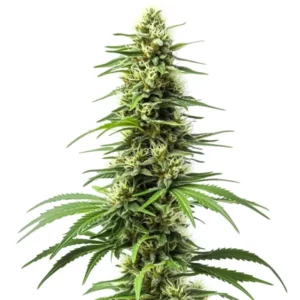
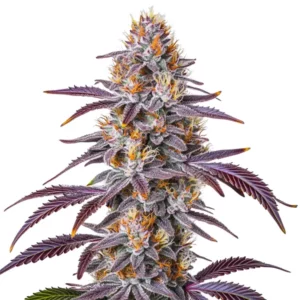
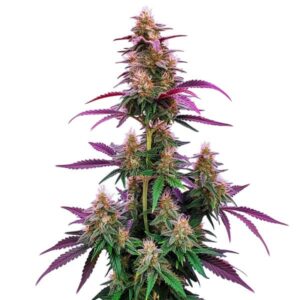
Charlottes Web

|
CBD | 10% – 12% (Medium) |

|
Type | CBD Feminized |

|
Yield | Medium |

|
Phenotype | 30% Indica / 70% Sativa |

CBD Girl Scout Cookies (1:1)
|
|
CBD | 15% (Medium) |
|
|
Type | CBD Feminized |
|
|
Yield | High |
|
|
Phenotype | 80% Indica / 20% Sativa |
This guide explains what is (and is not) known, the strain profiles people tend to discuss, and the serious caveats, rather than promising a cure. Throughout, treat this as general, educational information, not medical advice. Anyone considering cannabis in relation to ADHD, especially alongside or instead of prescribed medication, should speak to a qualified doctor first.
| What people look for (ADHD) | Associated profile (not a treatment claim) |
|---|---|
| Focus/clarity | Lower-THC or balanced strains; terpenes like pinene sometimes cited |
| Calming hyperactivity | Higher-CBD, balanced strains (e.g. CBD-rich types) |
| Avoiding anxiety | Avoid very high-THC, racy strains, which can worsen focus and anxiety |
| Important | Cannabis is not an approved ADHD treatment; evidence is limited; consult a doctor |
What Strain Profiles Do People Discuss for ADHD?
Among people who explore cannabis for ADHD-related reasons, the general preference is for profiles that are calming or clarifying rather than overwhelming. That usually means lower-THC or balanced strains, and often higher-CBD options, since CBD is non-intoxicating and associated with reduced anxiety, while very high-THC, racy strains are more likely to worsen focus, motivation or anxiety. Terpenes such as pinene are sometimes discussed in the context of alertness, though evidence is preliminary.
It is essential to frame this honestly: these are patterns people report and terpene associations from early research, not proof that any strain treats ADHD. Individual responses differ widely, and the same strain can help one person and hinder another. If you are interested in the calming-terpene angle, see our guide on the best terpenes for anxiety, and discuss any use with your doctor. This is general information, not medical advice.
Promos & Deals


Important Cautions: Cannabis Is Not an ADHD Treatment
A few cautions matter a great deal here. First, cannabis is not an approved or proven treatment for ADHD, and should not be used to replace prescribed medication (such as stimulants) without a doctor’s involvement, stopping effective treatment can be harmful. Second, cannabis can worsen the very things ADHD sufferers struggle with, concentration, motivation and organisation, and can increase anxiety, so it is far from universally helpful.
Third, there are added risks for adolescents and young adults, whose brains are still developing, and regular use carries dependence risks. The responsible path is to talk to a qualified healthcare professional who understands your situation, rather than self-medicating based on strain lists online. If cannabis is legal where you live and you choose to explore it, do so cautiously, at low doses, and in dialogue with your doctor. This article is general information, not medical advice.
Safer Approaches and Talking to a Doctor
If you are dealing with ADHD, the safest and most effective path is professional care: proven treatments (behavioural strategies and, where appropriate, prescribed medication) have strong evidence behind them, which cannabis does not. If you are curious about cannabis in relation to ADHD, raise it with your doctor rather than experimenting alone, especially before changing or stopping any prescribed medication, which should never be done without medical guidance.
If cannabis is legal where you live and you and your doctor decide to explore it, the cautious approach is low doses, balanced or CBD-forward profiles rather than very high-THC strains, and honest attention to whether it actually helps or makes focus, motivation or anxiety worse. Keep in mind the added risks for younger people and the potential for dependence. Prioritise evidence-based care, and treat cannabis as something to discuss with a professional, not a self-prescribed fix. This is general information, not medical advice.
Top Recommended Strains for Focus and Calm
When searching for the best marijuana for adhd, three categories emerge: the Stimulators, the Calmers, and the Balancers. Sativa-dominant hybrids like Blue Dream are often cited as good strains for adhd because they provide a “cerebral, soaring stone” that isn’t too heavy on the body. This allows for creativity while keeping the user grounded enough to complete tasks.
On the other hand, best thc strain for adhd options for those with high hyperactivity might lean toward Northern Lights or Granddaddy Purple. These Indica-dominant strains focus on the physical aspect, calming restlessness. However, caution is advised: high-THC Indicas can lead to “couch-lock,” which might hinder productivity if not balanced correctly with the right terpenes like Myrcene or Linalool.
| Strain Name | Primary Cannabinoid | Dominant Terpenes | Main ADHD Benefit | Effect Profile |
|---|---|---|---|---|
| Harlequin | High CBD (5:2 ratio) | Myrcene, Pinene | Reduces anxiety/jitteriness | Clear-headed, calm |
| Green Crack | High THC (Sativa) | Limonene, Caryophyllene | Sharp mental focus | Energizing, “Speedy” |
| Blue Dream | High THC (Hybrid) | Myrcene, Pinene | Creative motivation | Balanced, Soaring |
| ACDC | High CBD (20:1 ratio) | Myrcene, Pinene | Symptom management | Non-psychoactive |
| Sour Diesel | High THC (Sativa) | Limonene, Myrcene | Morning productivity | Uplifting, Cerebral |

FAQs
What are the best cannabis strains for ADHD?
There is no proven best strain, cannabis is not an approved ADHD treatment and evidence is limited and mixed. People who explore it tend to favour lower-THC or balanced/CBD-rich strains over very high-THC, racy ones, which can worsen focus and anxiety. Responses vary widely. Talk to a doctor; this is not medical advice.
Can cannabis replace Adderall for ADHD?
No, and you should not replace prescribed ADHD medication with cannabis without a doctor’s guidance. Cannabis is not an approved ADHD treatment, the evidence is limited, and it can worsen focus and motivation for some people. Stopping effective medication can be harmful. Discuss any changes to ADHD treatment with your healthcare provider. This is not medical advice.
Does weed help or hurt ADHD focus?
It varies, and the evidence is mixed. Some people report short-term help with restlessness, while others find cannabis worsens concentration, motivation and anxiety, which are already ADHD challenges. High-THC strains in particular can hinder focus. It is not a reliable focus aid and is not an approved treatment. Consult a doctor; this is general information, not medical advice.
Is cannabis a safe treatment for ADHD?
No, it is not an approved or proven ADHD treatment, and evidence is limited and mixed. It can worsen focus, motivation or anxiety for some people, carries added risks for young, developing brains, and has dependence potential. Proven treatments have far stronger evidence. Talk to a doctor and never replace prescribed medication with cannabis. This is not medical advice.
What strains do people use for ADHD and anxiety together?
People managing both often avoid high-THC, racy strains (which can heighten anxiety) and lean toward balanced or CBD-rich profiles with calming terpenes. But cannabis is not a proven treatment for either condition and can worsen anxiety for some. Responses vary widely. Speak to a doctor rather than self-medicating. This is general information, not medical advice.