Cannabis Tolerance Break: What It Is and How to Do One

If your usual amount of cannabis has stopped doing much, the weed did not get weaker, your body adapted. A tolerance break, or “t-break,” is a deliberate pause in use that lets your sensitivity reset, so a normal dose feels the way it used to. It is the simplest and cheapest way to get more from less, and it works because of how the body handles THC.
What a tolerance break actually is
A tolerance break is exactly what it sounds like: a planned stretch of time with no cannabis, taken on purpose to lower your tolerance. It is not about quitting, and it is not a punishment. It is a reset, the same idea as easing off caffeine so that your morning coffee hits properly again.
Recommended Strains

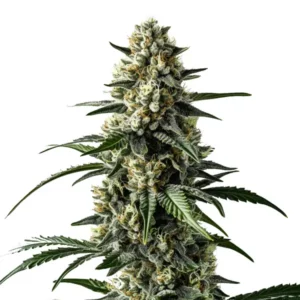
Fat Bastard

|
THC | 30% - 38% (High) |

|
Type | Feminized |

|
Yield | High |

|
Phenotype | 50% Indica / 50% Sativa |

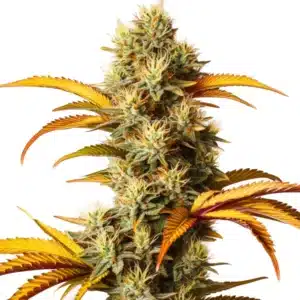
Mimosa F1
|
|
THC | 15% - 20% (Medium) |
|
|
Type | Feminized F1 |
|
|
Yield | High |
|
|
Phenotype | 45% Indica / 55% Sativa |
Regular users reach for one when the signs of high tolerance stack up: needing noticeably more to feel an effect, shorter-lived highs, and the sense that you are spending more for less. A t-break fixes all three at once by giving the system time to return toward baseline, which is why experienced consumers treat it as routine maintenance rather than a last resort.
Promos & Deals
Why cannabis tolerance builds in the first place
Tolerance is a physical adaptation, not willpower or imagination. THC produces its effects by binding to CB1 receptors in the brain and body. When those receptors are stimulated heavily and constantly, the body responds by pulling some of them off the cell surface and dialing down their sensitivity, a process called downregulation. Fewer, less responsive receptors mean the same dose of THC lands softer.
The useful part of that biology is that it reverses. Remove the constant stimulation and the body gradually restores those receptors to normal numbers and sensitivity. That recovery is the entire mechanism behind a tolerance break, and it is also why the people with the highest tolerance, daily heavy users, tend to feel the biggest difference afterward.
How long should a tolerance break last?
There is no single magic number, but research on CB1 receptors offers a helpful guide. Receptor levels begin recovering within the first couple of days of abstinence and continue climbing back toward normal over about two to four weeks, which is why the commonly cited sweet spot for a full reset is roughly 21 days.
In practice, you can tailor the length to your goal. A short break of two to three days already takes the edge off for a lighter user, a week makes a clear difference for most people, and the full two-to-four-week stretch is what heavy daily users need to feel close to a complete reset. Longer is not necessarily better once receptors have normalized; the gains level off, so there is little reason to push far beyond a month unless you want to.
How to make a tolerance break easier
The first few days are the hardest, especially for heavy users, who may notice some restlessness, vivid dreams, changes in appetite, or irritability as the body adjusts. These effects are mild and temporary, and a few habits make the stretch far more manageable:
- Pick a realistic window and tell someone, so the plan has a start, an end, and a little accountability.
- Clear your space of flower, carts, and paraphernalia so there is no idle temptation within reach.
- Lean on exercise, which can help your mood and sleep and keeps your hands and evenings busy.
- Prioritize sleep and hydration, since the first nights are when restlessness and strange dreams show up most.
- Have a replacement ritual, like tea or a walk, for the time of day you would normally consume.
Timing helps too. Many people schedule a t-break around a busy work stretch, a trip, or any period when they would be consuming less anyway, so the break rides along with life instead of fighting it.
What to expect when you come back
The payoff is immediate and obvious. After a proper break, the first session feels dramatically stronger, often surprisingly so, so it is smart to start low and go slow rather than reaching for your old amount. A fraction of what you used to use will likely do the job.
The real goal, though, is to not climb straight back up the tolerance ladder. Consuming more mindfully afterward, smaller amounts, lower-THC options, or simply fewer sessions, keeps your tolerance low for much longer and stretches the benefit of the break across months. Some people also find that understanding how the body metabolizes cannabis helps them pace their use more sensibly once they return.

Do you always need a full break?
Not always. If a complete pause feels like too much, you can blunt rising tolerance without stopping entirely. Cutting your frequency, lowering your dose, and taking regular one- or two-day gaps all slow the downregulation that drives tolerance in the first place, and rotating between different products can help as well.
That said, nothing resets as cleanly or as cheaply as genuine time off, and for home growers there is a nice side effect: a break is a great moment to let your stash age properly while you wait. When you do return, growing your own from quality high-THC seeds means you control the potency you are coming back to, which makes it far easier to dose with intention rather than habit.
Frequently Asked Questions
How long should a weed tolerance break be?
It depends on your usage. A two-to-three-day break helps lighter users, a week makes a clear difference for most people, and heavy daily users usually need two to four weeks for a near-full reset. Around 21 days is the commonly cited sweet spot, since CB1 receptors largely recover in that window.
Why does cannabis tolerance go up?
Constant, heavy THC use causes the body to pull CB1 receptors off cell surfaces and reduce their sensitivity, a process called downregulation. With fewer, less responsive receptors, the same dose produces a weaker effect. The adaptation is physical and reversible, which is exactly why a break restores your sensitivity over time.
What happens during a tolerance break?
Your CB1 receptors gradually return toward normal numbers and sensitivity. The first few days can bring mild, temporary effects like restlessness, vivid dreams, appetite changes, or irritability as the body adjusts. These fade within about a week, and your sensitivity to THC steadily climbs back up throughout the break.
Will a tolerance break make weed hit harder again?
Yes. Resetting your receptors is what makes a normal dose feel strong again, and the first session back is often dramatically more intense than expected. Start with a small amount rather than your old quantity, then consume more mindfully afterward to keep your tolerance low for as long as possible.
Can I lower tolerance without quitting completely?
To a degree, yes. Reducing how often and how much you consume, taking regular one- or two-day gaps, and switching to lower-THC options all slow the receptor downregulation that drives tolerance. None of these reset you as fully or as quickly as a genuine break, but they keep tolerance from climbing as fast.