How to Grow Critical Mass CBD Strain

Critical Mass CBD strain: A therapeutic cannabis variety with a balanced cannabinoid profile, offering low THC and moderate CBD levels. Typically, it contains around 0.05% THC and 5% CBD. This strain is ideal for medical users seeking relief without psychoactive effects. It thrives in both indoor and outdoor settings, yielding up to 21-25 oz/plant (600-700 g/plant) outdoors.
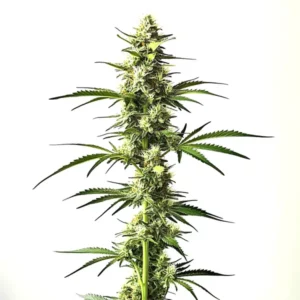
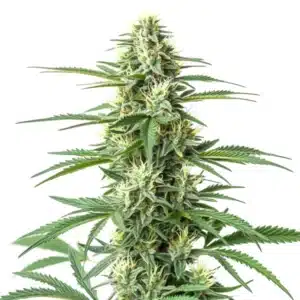
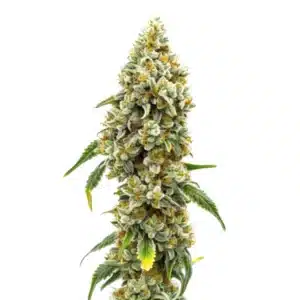
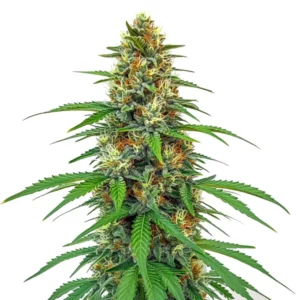
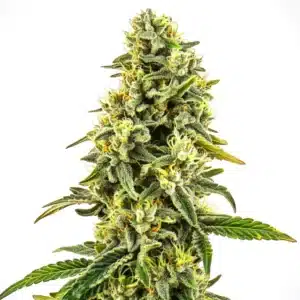
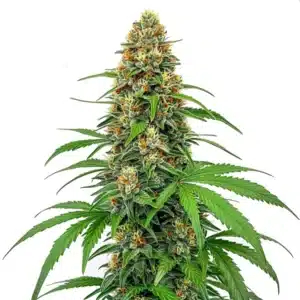
The Critical Mass CBD strain is renowned for its rich terpene profile, featuring Alpha-Pinene and Caryophyllene, which contribute to its anti-inflammatory effects. This Indica-dominant strain flowers in approximately 8-9 weeks, making it a favorite among growers for its quick turnaround. Its dense buds are perfect for those seeking a therapeutic experience without the high.
Recommended Strains
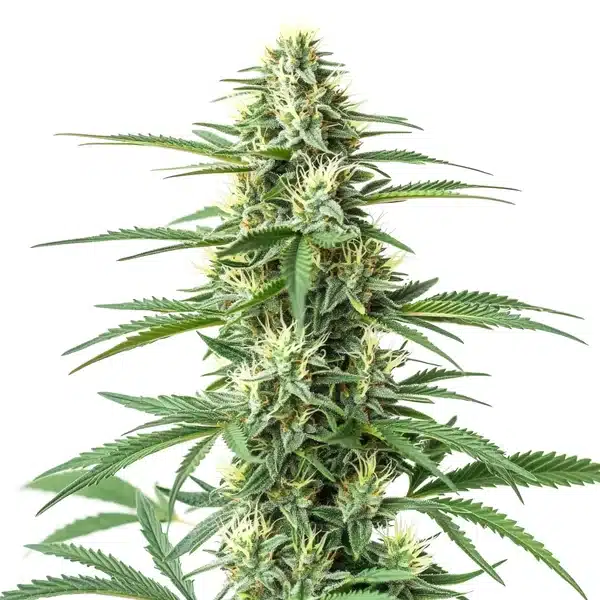
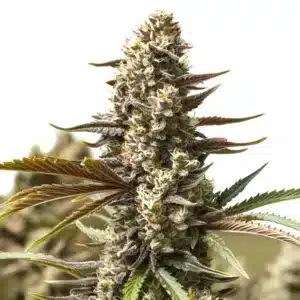
CBD Critical Mass (1:1)

|
CBD | 5% (Low) |

|
Type | CBD Feminized |

|
Yield | Medium |

|
Phenotype | 60% Indica / 40% Sativa |

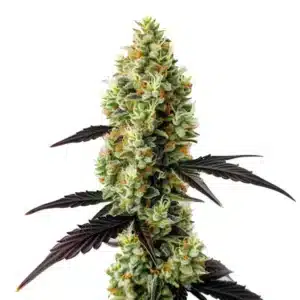
Candida CBD
|
|
CBD | 10% – 20% (Medium) |
|
|
Type | CBD Feminized |
|
|
Yield | Medium |
|
|
Phenotype | 50% Indica / 50% Sativa |
Introduction to Critical Mass CBD
What is Critical Mass CBD Strain?
The Critical Mass CBD strain is an Indica-dominant hybrid known for its therapeutic properties. It combines the genetics of a CBD-rich strain with the classic Critical Mass. This results in a plant that offers a calming experience without the intense psychoactive effects of high-THC strains. Its cannabinoid profile typically features 5% CBD and less than 1% THC.
This strain is particularly popular among medical cannabis users due to its ability to alleviate symptoms of pain, arthritis, and insomnia. The dense, resinous buds are a hallmark of its Indica lineage, providing a rich source of cannabinoids and terpenes.
Growing Critical Mass CBD
Critical Mass CBD thrives in both indoor and outdoor environments. Indoors, it requires a controlled climate with temperatures between 70-80°F (21-27°C) and a humidity level of 40-50%. Outdoors, it prefers a temperate climate with plenty of sunlight. The strain typically grows to a height of 6.56 feet (2 meters).
For optimal growth, use a light cycle of 18-20 hours during the vegetative phase, reducing to 12 hours to induce flowering. This strain is known for its resilience, but maintaining stable environmental conditions is crucial to prevent mold and mildew.
Promos & Deals
Effects and Benefits
Medical Uses of Critical Mass CBD
Critical Mass CBD is widely used for its medical benefits, particularly in managing pain and inflammation. Its low THC content makes it suitable for daytime use, providing relief without sedation. The strain’s terpene profile, rich in Caryophyllene and Alpha-Pinene, enhances its anti-inflammatory properties.
Caryophyllene, found at 0.4-0.7%, interacts with CB2 receptors, offering potential relief from chronic pain and inflammation. Meanwhile, Alpha-Pinene, present at 0.5-0.8%, may improve airflow and respiratory function, making it beneficial for conditions like asthma.
Terpene Profile and Effects
The terpene profile of Critical Mass CBD includes Alpha-Pinene, Beta-Pinene, and Caryophyllene. Alpha-Pinene provides a fresh pine aroma and has anti-inflammatory properties. Beta-Pinene, at 0.3-0.5%, adds a woody scent and may enhance alertness. Caryophyllene offers a spicy, peppery flavor and is known for its analgesic effects.
This combination not only contributes to the strain’s unique aroma and flavor but also plays a role in its therapeutic effects. The entourage effect, where cannabinoids and terpenes work synergistically, enhances the strain’s overall efficacy.
The Cultivation Environment
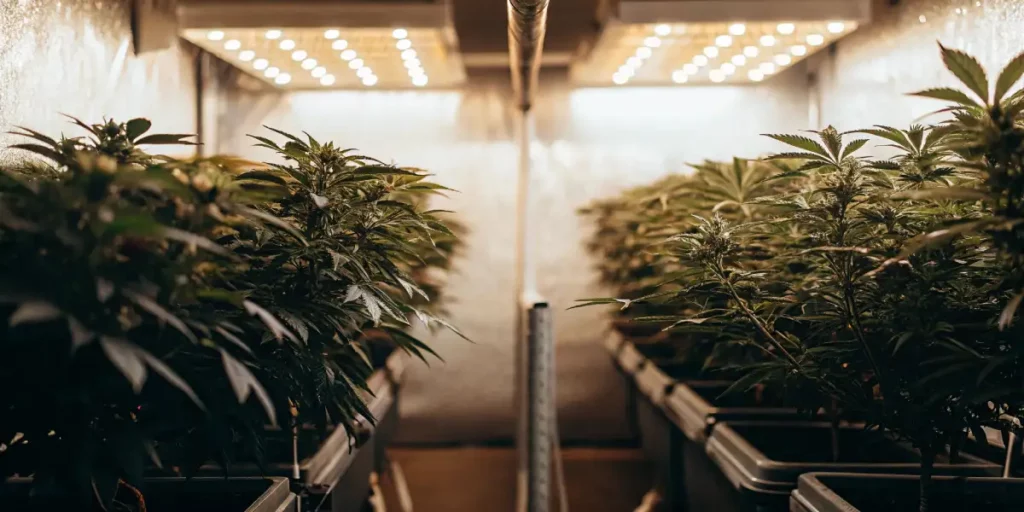
Creating the right environment is essential for maximizing the yield and potency of Critical Mass CBD. Daytime temperatures should ideally range from 68°F to 77°F (20°C to 25°C), with a nighttime drop of 8°C to 11°C. This temperature variation mimics natural conditions, promoting healthy growth and robust bud development.
Humidity levels should be adjusted according to the plant’s growth stage. During the vegetative stage, maintain a relative humidity (RH) of 60% to 70% to support vigorous growth. As the plant transitions to the flowering stage, reduce humidity to 40% to 50% to prevent mold and bud rot, which are common issues in high humidity environments.
Importance of CO2 and Nutrients
CO2 is a critical component of photosynthesis, and enriching the growing environment with CO2 can significantly boost plant growth and yield. Aim for a CO2 concentration of around 1200-1500 ppm during the vegetative stage for optimal results.
Regarding nutrition, Critical Mass CBD benefits from a diet rich in nitrogen during the vegetative phase to support leaf and stem development. As the plant enters the flowering phase, switch to a nutrient mix high in phosphorus and potassium to enhance bud formation and cannabinoid production. Maintain soil pH at 6.5 for optimal nutrient uptake.
| Feature | Critical Mass CBD | Harlequin | Cannatonic |
|---|---|---|---|
| THC Content | 0.05% | 3-6% | 4-6% |
| CBD Content | 5% | 6-8.5% | 6-17% |
| Dominant Terpene | Caryophyllene | Linalool | Myrcene |
| Flowering Time | 8-10 weeks | 8-10 weeks | 8-10 weeks |
| Yield Indoor | 1.47 oz/ft² | 450 g/m² | 1.8 – 1.97 oz/ft² | 550 – 600 g/m² | 1.64 oz/ft² | 500 g/m² |
Professional Tips for Growing Critical Mass CBD
Use carbon filters in indoor grows to manage the strong aroma during flowering, preventing unwanted attention.
Maintain 70-80°F (21-27°C) during vegetative growth to optimize photosynthesis. Temperatures above 85°F (29°C) can slow growth.
Use a N:P:K ratio of 3:1:2 during vegetative stages to promote leaf and stem development. Avoid excess nitrogen in flowering.
Implement low-stress training (LST) to manage plant height and improve light penetration. Avoid topping late in the vegetative stage.
Ensure 40-50% humidity during flowering to prevent mold. High humidity can lead to bud rot within 48 hours.
Flush plants with pure water two weeks before harvest to enhance flavor and remove nutrient buildup.
FAQs About Critical Mass CBD
What is critical mass strain?
Critical Mass is an Indica-dominant cannabis strain known for its large yields and therapeutic properties. It typically contains 5-10% CBD and less than 1% THC, making it ideal for medical users seeking relief without psychoactive effects. The strain offers a rich terpene profile, enhancing its anti-inflammatory benefits.
What is the strongest strain of CBD?
The strongest CBD strains often include varieties like ACDC, Harlequin, and Cannatonic. These strains can contain up to 15-20% CBD with minimal THC content, providing significant therapeutic effects without psychoactivity. Each offers unique terpene profiles that contribute to their specific medical benefits.
Does CBD help with cortisol?
CBD may help reduce cortisol levels, the stress hormone, by interacting with the body’s endocannabinoid system. This interaction can promote relaxation and reduce stress, potentially benefiting those with anxiety or high-stress levels. Studies suggest that regular CBD use can help maintain balanced cortisol levels.
How strong is critical mass?
Critical Mass is a potent strain in terms of CBD content, offering 5% CBD and less than 1% THC. This makes it strong for therapeutic purposes, providing relief from pain and inflammation without psychoactive effects. Its robust terpene profile further enhances its medicinal properties.
Can I use Critical Mass CBD in edibles?
Yes, Critical Mass CBD can be used in edibles to provide therapeutic benefits without psychoactivity. When making edibles, decarboxylate the cannabis at 220°F (104°C) for 30-45 minutes to activate the cannabinoids. This process ensures the CBD is effective when consumed in food products.