Marijuana for Multiple Sclerosis: A Guide to Relief and Treatment

Quick answer: some people with multiple sclerosis (MS) report that cannabis helps ease certain symptoms, especially muscle spasticity, pain and sleep problems. Regulatory bodies have approved some cannabis-based medicines for MS spasticity, but cannabis is not a cure and evidence is still developing. Balanced THC:CBD or CBD-forward products are commonly discussed for MS. This is general information, not medical advice: always talk to your neurologist before using cannabis, especially alongside other MS treatments.
Multiple Sclerosis Symptoms
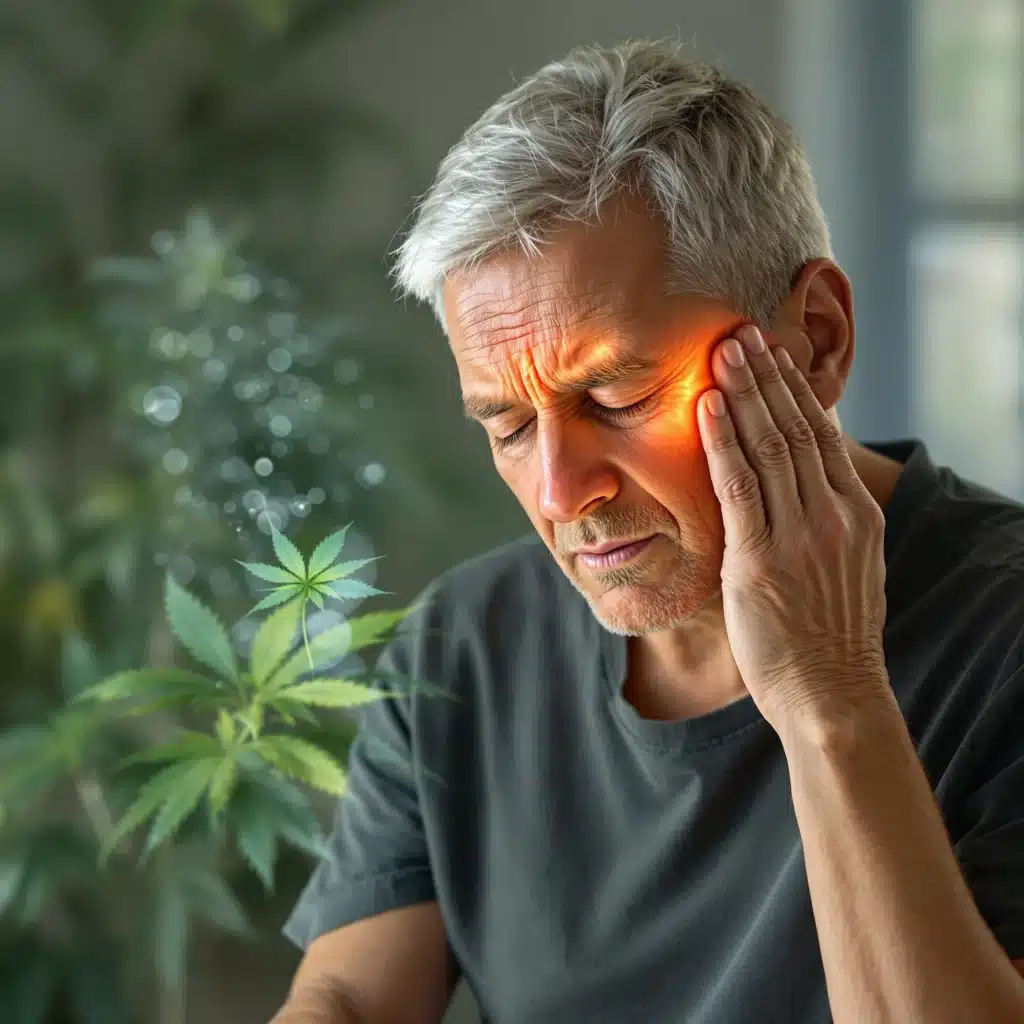
MS is a neurological condition where the immune system damages the protective coating around nerves, disrupting signals. Common symptoms include muscle spasticity and stiffness, pain, fatigue, tremor, bladder issues and sleep disturbance. Cannabis is discussed mainly for the spasticity, pain and sleep aspects, not as a disease-modifying treatment.
Recommended Strains

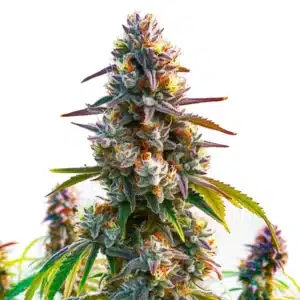
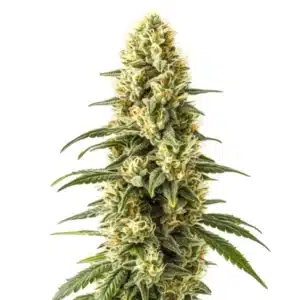
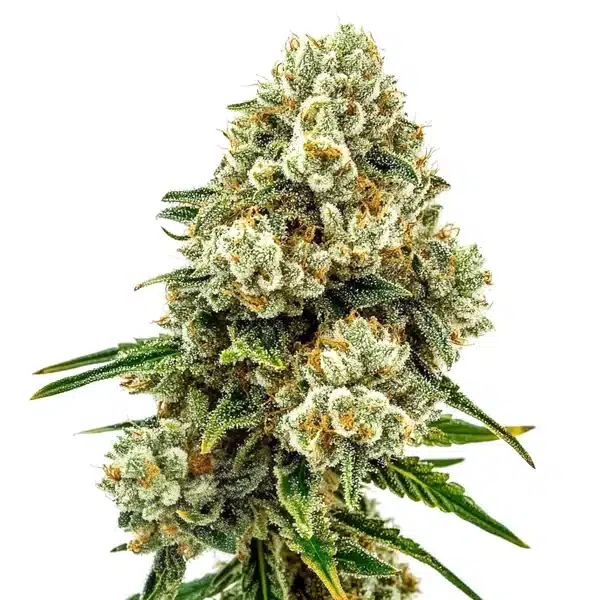
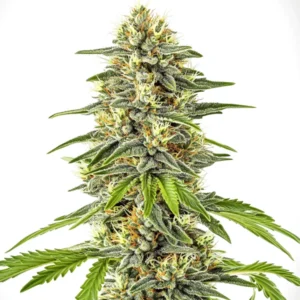
Grizzly Purple Auto

|
Type | Autoflowering |

|
THC | 9% - 13% (Low) |

|
Phenotype | 80% Indica / 20% Sativa |

|
Yield | Medium |
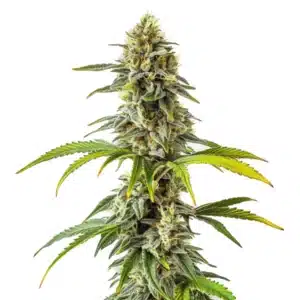
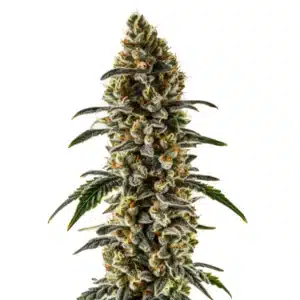
Acid Diesel
|
|
Type | Feminized |
|
|
THC | 18% - 20% (Medium) |
|
|
Phenotype | 60% Indica / 40% Sativa |
|
|
Yield | Medium |
Promos & Deals
Medical Marijuana Regulations and Legality
Access to medical cannabis varies widely by country and US state, and some regions approve specific cannabis-based medicines for MS spasticity. Laws change often, so check your local regulations and work through a licensed medical provider. This is not legal advice.
Cannabinoids and Their Reported Effects
THC and CBD are the main cannabinoids studied for MS, and they act differently.
THC vs CBD for MS
THC is intoxicating and is associated in some studies with reduced spasticity and pain, while CBD is non-intoxicating and linked with anti-inflammatory and calming effects. Many MS-focused products use a balanced or CBD-forward ratio to limit the high while targeting symptoms. Individual responses vary.
Reported Benefits
People with MS most often report relief from spasticity, chronic pain and sleep trouble, and sometimes improved appetite. These are symptom-level effects reported in studies and patient experience, not evidence that cannabis slows or cures MS. Results differ from person to person.
Strains People With MS Often Discuss
There is no strain that treats MS, and this is not a recommendation. That said, people managing MS symptoms often favor balanced THC:CBD or higher-CBD options for relief with a clearer head, alongside relaxing indica-leaning strains for spasticity and sleep. Explore CBD seeds for higher-CBD profiles, and always choose with your doctor’s input.
Methods of Consumption
Options include vaporizing or smoking (fast onset, shorter duration), oils and tinctures (measured, longer-lasting), capsules and edibles (slow onset, long effect), and sprays. For symptom control, consistent, measured dosing like tinctures is often preferred. Start low and go slow.
Dosage: Start Low, Go Slow
There is no universal MS dose. The general principle is to start with a very low amount, increase gradually, and track symptoms and side effects. A CBD-forward or balanced product lowers the chance of intoxication. Dosing should be guided by a healthcare professional, especially with other medications.
Combining Cannabis With Standard MS Treatment
Cannabis is best seen as a possible complement to, not a replacement for, prescribed MS therapies. It can interact with other medicines, so never stop or change an MS treatment without medical guidance. Tell your neurologist about any cannabis use.
Future Research
Research into cannabinoids for MS is ongoing, with interest in standardized ratios, dosing and long-term effects. As evidence grows, guidance may change, another reason to rely on current medical advice rather than fixed claims.
| MS symptom | Commonly discussed approach |
|---|---|
| Spasticity / stiffness | Balanced THC:CBD; approved MS sprays in some regions |
| Chronic pain | Balanced or THC-containing products |
| Sleep problems | Relaxing indica-leaning strains, evening use |
| Prefer no strong high | Higher-CBD, lower-THC options |
Talking to Your Doctor About Cannabis for MS
Because MS is a serious neurological condition, cannabis should be considered with your neurologist, not instead of medical care. Bring up your symptoms, current treatments and goals, ask about approved cannabis-based options for spasticity, and mention any products you are considering so interactions can be checked. A medical professional can help you weigh benefits and risks for your situation. This is general information, not medical advice.
CBD-Dominant and Balanced Options
People managing MS symptoms who want relief with less intoxication often look at higher-CBD or balanced THC:CBD products, which some find helpful for comfort and relaxation while staying clear-headed. This is not a recommendation or a treatment claim; the right choice depends on the person and should be guided by a doctor. Explore higher-CBD genetics through our CBD seeds if appropriate for you.
What the Evidence Does and Doesn’t Show
Research and some approved medicines support cannabis helping with MS-related spasticity and possibly pain and sleep for certain patients. What the evidence does not show is that cannabis slows, reverses or cures MS, it addresses symptoms, not the disease. Findings are still developing and vary by person, which is why current medical guidance matters more than broad claims. This is not medical advice.

FAQs about Marijuana for Multiple Sclerosis
What are the best strains for Multiple Sclerosis?
No strain treats MS, so there is no single best one. People managing MS symptoms often choose balanced THC:CBD or higher-CBD products for relief with less intoxication, plus relaxing strains for spasticity and sleep. Choose with your doctor’s guidance; this is not medical advice.
Which terpenes are best for MS symptom relief?
Some people associate terpenes like myrcene, caryophyllene and linalool with relaxation and comfort, which may complement cannabinoids. Evidence specific to MS is limited, so treat these as general associations rather than proven relief, and discuss any use with your healthcare provider.
How does medical marijuana help Multiple Sclerosis patients?
For some people, cannabis appears to ease MS-related spasticity, pain and sleep problems, and some regions approve cannabis-based sprays for spasticity. It targets symptoms, not the disease itself, and is not a cure. Responses vary, and it should be used under medical supervision. This is not medical advice.
Can cannabis replace my MS medication?
No. Cannabis may ease certain MS symptoms for some people, but it does not treat the disease and should never replace prescribed MS therapies. Stopping or changing treatment without medical guidance is risky. Use cannabis, if at all, as a possible complement discussed with your neurologist. This is not medical advice.
Is medical marijuana legal for MS patients?
It depends on where you live. Many regions allow medical cannabis for qualifying conditions, sometimes including MS-related spasticity, but laws vary and change. Check your local regulations and work through a licensed provider and your doctor. This is general information, not legal or medical advice.
What is the best way to take cannabis for MS symptoms?
There is no single best method. Measured, consistent forms like oils or tinctures suit symptom control, while inhalation acts faster. Many patients prefer balanced or CBD-forward products to limit intoxication. Start low, go slow, and let a healthcare professional guide dosing and form. This is not medical advice.