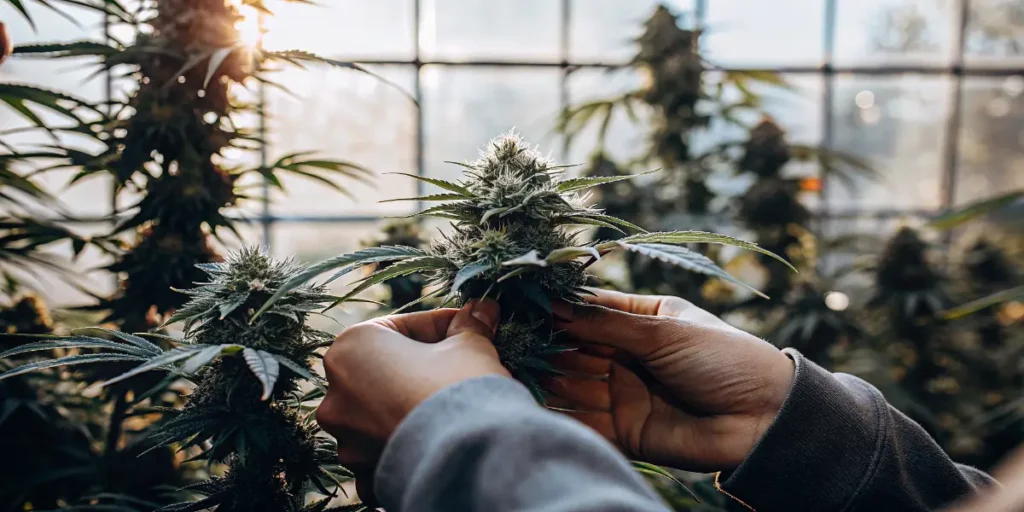
Expert Guide: How to Confirm if Dense Buds are Genetics or PGRs

Dense cannabis buds are often the holy grail for growers and buyers alike. The question of whether these dense buds are the result of genetics or Plant Growth Regulators (PGRs) is critical. Knowing how to confirm if dense buds are genetics or PGRs can help ensure that you’re getting safe and natural products.
The distinction between genetic vs PGR dense buds characteristics can be subtle yet significant. Genetic dense buds are naturally occurring and typically indicate a high-quality strain. In contrast, PGRs are chemicals used to artificially enhance plant growth, often leading to dense but potentially harmful buds.
Recommended Strains


For both first-time cannabis seed buyers and seasoned growers, knowing how to differentiate dense buds from genetics vs PGRs is essential. Not only does this knowledge help in selecting the best strains, but it also ensures a healthier end product. Let’s break down the main differences and learn how to spot the signs of PGR use in dense cannabis buds.
Signs of PGR Use in Dense Cannabis Buds
PGRs are chemicals used to control and regulate plant growth. While they can produce denser buds, they may also introduce harmful chemicals. Identifying PGRs in cannabis buds involves looking for specific signs.
PGR-treated buds are often extremely dense, hard, and lack the natural aroma associated with cannabis. They may also have an unnatural, almost plastic-like appearance. If you’re wondering how to confirm if dense buds are genetics or PGRs, start by examining the bud’s texture and smell.
- Uniformly hard and compact
- Lack of natural cannabis aroma
- Unnatural appearance
Besides to the texture and smell, the visual aspect of the buds can also be a giveaway. PGR-affected buds often appear unnaturally shiny and may lack the vibrant colors seen in natural buds. This artificial sheen is a telltale sign that PGRs have been used, compromising the natural beauty of the plant.
Another method for identifying PGRs in cannabis buds is through smoking or vaporizing. PGR-treated buds tend to burn with a harsh chemical taste, indicating the presence of unwanted additives. This is in stark contrast to the smooth and pleasant flavor profile of genetically dense buds, further highlighting the importance of distinguishing natural dense buds from PGR-affected buds for a better cannabis experience.
Promos & Deals
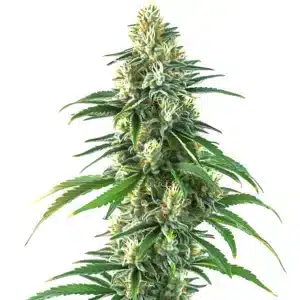

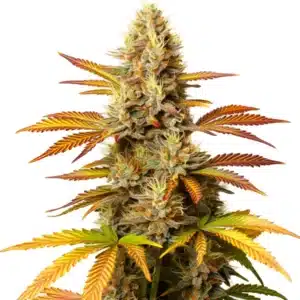
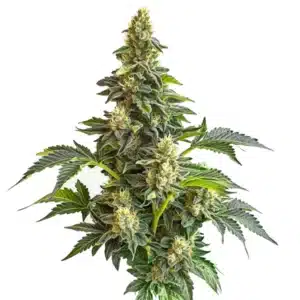
Genetic vs PGR Dense Buds Characteristics
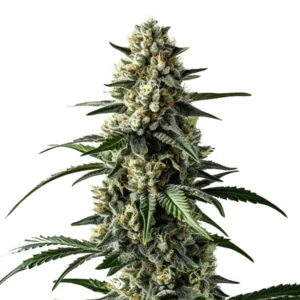
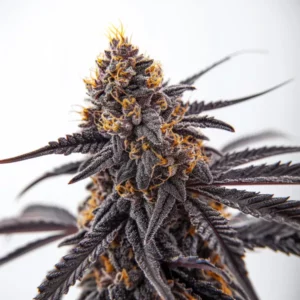
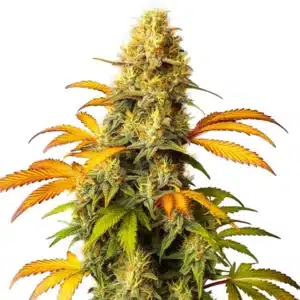
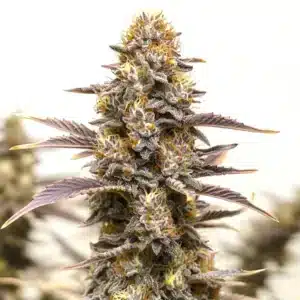
Genetic dense buds are the result of careful breeding, often taking years to perfect. These buds are naturally compact due to the plant’s genetics, like those found in popular strains from Blimburn Seeds, such as GG4, known for its dense, sticky buds.
On the other hand, PGR dense buds might look appealing to the untrained eye, but they are artificially enhanced. While genetic dense buds maintain a balance of cannabinoids and terpenes, PGR buds might lack this balance, compromising their quality and effects.
- Genetic dense buds: sticky, resin-rich, aromatic
- PGR dense buds: hard, less sticky, dull aroma
The natural oil production in genetic dense buds contributes to their sticky texture, which is a hallmark of high-quality cannabis. This oil is rich in cannabinoids and terpenes, offering a full-bodied experience that PGR-affected buds can’t match. Knowing genetic vs PGR dense buds characteristics can significantly enhance your selection process, ensuring you choose strains that deliver the best results.
Moreover, genetic dense buds typically come from plants that have been bred for specific traits, such as increased potency or flavor. This focused breeding results in a more consistent product, providing consumers with a reliable experience. In contrast, PGRs are often used as a shortcut to achieve density, sacrificing the nuanced characteristics that make each strain unique. Therefore, being well-versed in how to differentiate dense buds from genetics vs PGRs is crucial for both growers and consumers.
Distinguishing Natural Dense Buds from PGR-Affected Buds
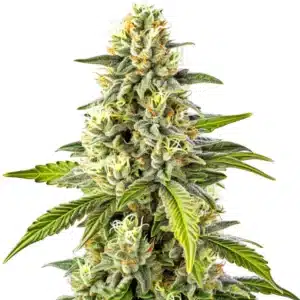
Knowing how to confirm if dense buds are genetics or PGRs involves careful observation and knowledge of the plant. Natural dense buds will have a rich, colorful appearance and a sticky feel due to the high resin content. They are often accompanied by a strong, pleasant aroma.
In contrast, PGR-affected buds may seem almost too perfect uniformly dense and lacking the stickiness associated with resin. They may also emit a weaker scent, which is a telltale sign of reduced terpene content. When considering products, always prioritize strains known for their genetic quality, such as OG Kush from Blimburn Seeds, renowned for its natural density and rich aroma.
Another aspect to consider when distinguishing natural dense buds from PGR-affected buds is the smoking experience. Natural buds tend to provide a smooth, flavorful smoke that is indicative of their terpene richness. PGR-affected buds, however, may produce a harsher smoke, often accompanied by a chemical aftertaste due to the additives used in cultivation.
Lastly, the longevity and storage of the buds can also reveal their nature. Natural dense buds, rich in natural oils and terpenes, tend to retain their quality over time when stored properly. In contrast, PGR-affected buds might degrade faster, losing their aroma and potency. Thus, identifying PGRs in cannabis buds not only ensures a safer product but also one that maintains its quality throughout its shelf life.
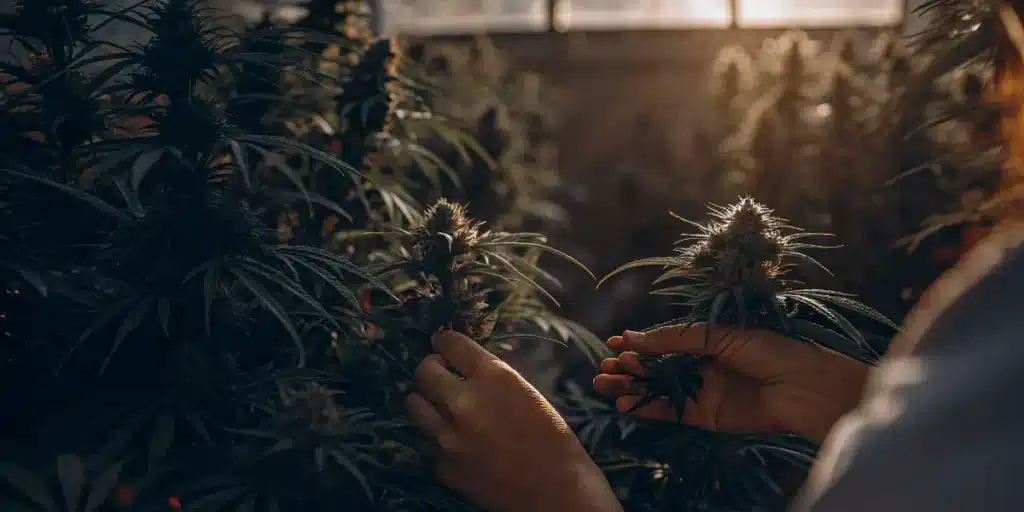
FAQs about how to confirm if dense buds are genetics or PGRs
How can I identify PGRs in cannabis buds?
Identifying PGRs in cannabis buds can be tricky but not impossible. Look for buds that are extremely dense and hard, with little to no natural aroma. These buds might also have a shiny, plastic-like appearance. Unlike natural buds, PGR-affected ones often lack the sticky resin that is characteristic of high-quality cannabis.
If you’re unsure, always consider purchasing from reputable sources like Blimburn Seeds, which are known for their genetically dense strains without the use of harmful chemicals. A thorough visual and tactile inspection can reveal much about the quality of the buds you are examining.
Additionally, lab testing can also aid in identifying PGRs in cannabis buds. Reputable dispensaries often provide lab results that indicate the presence of any chemicals, including PGRs. Utilizing these results can help you make informed choices, ensuring the cannabis you consume is both safe and natural.
Another approach is to rely on community reviews and expert recommendations. Engaging with online forums and cannabis communities can provide insights and personal experiences related to how to confirm if dense buds are genetics or PGRs. These platforms can be invaluable resources for both novice and experienced users seeking to understand the quality of their cannabis.
What are the risks of consuming PGR-affected buds?
Consuming PGR-affected buds can pose health risks due to the chemicals used in their cultivation. PGRs can potentially introduce toxic substances into the cannabis, which, when smoked or vaporized, might lead to respiratory issues and other health concerns. It is crucial to ensure that the cannabis you consume is free from harmful additives.
Natural dense buds, on the other hand, are free from these risks. They offer a pure experience with the full spectrum of cannabinoids and terpenes intact, ensuring not only a better high but also a safer one.
Beyond respiratory issues, long-term consumption of PGR-affected buds may also have more severe health implications. Some studies suggest that prolonged exposure to certain PGRs could lead to hormonal imbalances and other systemic health problems. Therefore, awareness and education on how to differentiate dense buds from genetics vs PGRs are essential for safeguarding your health.
Educating yourself on the signs of PGR use in dense cannabis buds can be a proactive step towards making healthier choices. With the increasing availability of organic and naturally grown cannabis, consumers have more options than ever to enjoy cannabis safely and responsibly, ensuring peace of mind with every use.
How do genetics play a role in bud density?
Genetics play a significant role in bud density. High-quality strains are bred to produce dense buds naturally, without the need for PGRs. These strains have been developed over time to enhance desirable traits like density, aroma, and potency. Blimburn Seeds offers a variety of such strains, carefully bred to maximize their natural potential.
By selecting strains with strong genetic profiles, growers can achieve dense buds naturally. This not only ensures a safer product but also one that is more enjoyable to consume, maintaining all the natural flavors and effects of the plant.
The function of genetics in bud density is not just about the physical appearance of the buds but also about the overall plant health. Genetically superior plants tend to be more resilient to pests and diseases, further reducing the need for chemical interventions. This resilience ensures that the plants thrive and produce high-quality, dense buds without the risks associated with PGRs.
Moreover, genetics can influence the growth cycle of the plant, allowing growers to predict and optimize their yields. Strains with a genetic predisposition for dense bud formation can be cultivated with precision, maximizing both quality and quantity. Knowing genetic vs PGR dense buds characteristics is thus a valuable asset for any cultivator looking to produce top-tier cannabis without compromising on safety or quality.
Can I grow dense buds without using PGRs?
Yes, growing dense buds without using PGRs is entirely possible and preferred for many growers. It involves selecting the right strains and providing optimal growing conditions. For instance, strains like GG4 and Bruce Banner 3 from Blimburn Seeds are known for their natural density and can be grown without chemical enhancers.
Focus on providing the plants with adequate light, nutrients, and care. This approach not only results in naturally dense buds but also enhances the plant’s overall health and yield, ensuring a high-quality harvest.
Optimizing environmental factors such as temperature and humidity can also play a crucial role in achieving dense buds naturally. Maintaining ideal conditions throughout the plant’s growth cycle encourages robust growth and resin production, resulting in dense, aromatic buds without the need for PGRs.
Furthermore, implementing organic growing practices can enhance the natural attributes of cannabis plants. Utilizing organic fertilizers and natural pest control methods can improve soil quality and promote healthy plant development. This holistic approach not only yields dense buds but also contributes to sustainable and eco-friendly cultivation practices.
What are some recommended strains for naturally dense buds?
For those seeking naturally dense buds, strains like GG4, Bruce Banner 3, and OG Kush from Blimburn Seeds are excellent choices. These strains have been bred to maximize their natural density and resin production, providing a rich, aromatic experience.
These strains are not only renowned for their density but also for their potency and flavor profiles. By choosing such strains, you can enjoy the benefits of naturally dense buds without the risks associated with PGRs, ensuring a safe and satisfying cannabis experience.
Each of these recommended strains offers unique characteristics that cater to different preferences. GG4 is celebrated for its potent effects and abundant resin, making it a favorite among enthusiasts. Bruce Banner stands out for its balance of flavor and potency, offering a well-rounded experience that appeals to a wide audience.
OG Kush, with its classic profile and robust genetics, continues to be a staple in the cannabis community. Its natural density and rich terpene profile highlight the benefits of genetic purity and careful breeding. Exploring these strains can provide valuable insights into the diverse world of cannabis, emphasizing the importance of choosing quality genetics over chemical enhancements.