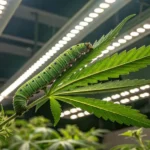
Managing Caterpillars and Inchworms in Cannabis Gardens

Effective pest management: Managing caterpillars and inchworms in cannabis gardens is essential for healthy plant growth. These pests can cause extensive damage if left unchecked. Utilizing a mix of organic and chemical control methods, such as Bacillus thuringiensis (BT), can significantly reduce caterpillar populations by up to 80%. This approach ensures the protection of cannabis crops without compromising plant health.
In cannabis cultivation, terpenes like myrcene and limonene play a crucial role in plant health and pest resistance. Myrcene, found in concentrations of 0.8-1.2%, enhances THC uptake, while limonene at 0.5-0.8% offers natural pest deterrent properties. Flowering time, typically 8-9 weeks, is critical for maximizing these benefits. Experienced growers report that knowing these elements can significantly improve your garden’s resilience against pests.
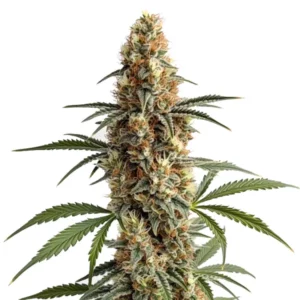
Recommended Strains

Blue Dream

|
THC | 17% - 24% (High) |

|
Type | Feminized |

|
Yield | High |

|
Phenotype | 50% Indica / 50% Sativa |
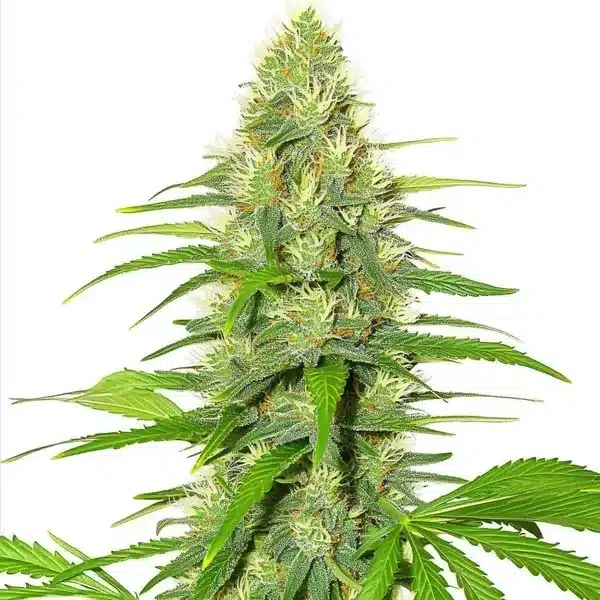
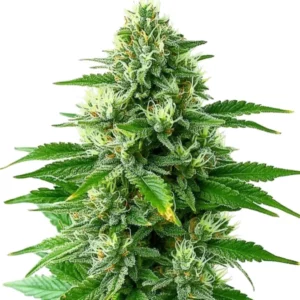
White Widow
|
|
THC | 18% - 25% (High) |
|
|
Type | Feminized |
|
|
Yield | High |
|
|
Phenotype | 45% Indica / 55% Sativa |
Identifying Caterpillars and Inchworms in Cannabis
Common Signs of Infestation
Recognizing the signs of caterpillar and inchworm infestations early is crucial. Look for chewed leaves and small holes, which indicate feeding activity. These pests often leave behind frass, or caterpillar poop, which can contaminate your cannabis. It’s essential to avoid smoking cannabis contaminated with caterpillar poop, as it can affect the quality and safety of your buds.
Experienced growers report that infestations can reduce yields by 20-30% if not addressed promptly. Regular inspections during peak growing periods, particularly in warm, humid conditions, are vital. Use a magnifying glass to spot small larvae and eggs, which are often found on the undersides of leaves.
Promos & Deals
Managing Caterpillars and Inchworms in Cannabis Gardens
Organic Control Methods
Learn how to get rid of caterpillars on cannabis plants using organic methods. One effective approach is introducing beneficial insects like ladybugs and lacewings, which naturally prey on caterpillars. Additionally, neem oil, applied at a concentration of 2% with water, can deter these pests without harming your plants.
Companion planting with herbs such as basil and mint can also repel caterpillars. These plants emit strong scents that confuse and deter pests. Many cultivators share that maintaining a diverse garden ecosystem can reduce pest infestations by up to 50%.
Chemical Solutions
For more severe infestations, chemical solutions may be necessary. Thuricide BT is a popular caterpillar control product that targets larvae without affecting beneficial insects. Apply it at a rate of 1 tablespoon per gallon of water, ensuring thorough coverage.
While chemical treatments can be effective, it’s crucial to follow label instructions to avoid damaging your plants. Overuse can lead to chemical residues in your buds, impacting both flavor and safety.
Protecting Cannabis Buds at Harvest
Preventive Measures
During harvest, caterpillars can be particularly damaging if they infiltrate the buds. Implementing preventive measures can help get rid of caterpillars in buds at harvest. Cover your plants with fine mesh netting to prevent adult moths from laying eggs on your cannabis.
Regularly inspect your plants for signs of infestation, especially during the final weeks of flowering. Removing affected buds immediately can prevent the spread of pests and protect your overall yield.
Specific Pests: Hemp Borer and Eurasian Hemp Borer
Knowing the Threat
The hemp borer caterpillar poses a significant threat to cannabis crops. This pest bores into stems and buds, causing structural damage and reducing yields. The Eurasian hemp borer is another pest that requires attention, as it can quickly devastate a garden if not controlled.
Both pests are most active during the late summer months, when temperatures range from 70°F to 85°F (21°C to 29°C). Regular monitoring and early intervention are key to managing these threats effectively.
Effective Control Strategies
While some might wonder, “Can you smoke bud worms?”, it’s crucial to remove them entirely. Physical removal and destruction of infested plant material are effective strategies. Additionally, using pheromone traps can help monitor and reduce adult moth populations.
Master growers have pointed out that maintaining optimal plant health through proper nutrition and watering can enhance resistance to pests. Ensure your cannabis receives balanced nutrients, with an N:P:K ratio of 3:1:2 during vegetative growth and 1:3:2 during flowering.
| Feature | GG4 | White Widow | Blue Dream |
|---|---|---|---|
| THC% | 27% | 18-25% | 17-24% |
| Dominant Terpene | Humulen | Caryophyllene | P-Cymene |
| Yield Indoor (oz/ft²) | 1.64 – 1.97 oz/ft² | 500 – 600 g/m² | 1.8 oz/ft² | 550 g/m² | 1.97 oz/ft² | 600 g/m² |
| Flowering Time (weeks) | 8-10 | 8-10 | 8-10 |
| Effect Profile | Happy, Relaxed, Talkative | Happy, Relaxed, Talkative | Happy, Relaxed, Talkative |
Professional Tips for Pest Management
- Maintain 58-62% RH during curing to prevent mold growth and preserve terpenes.
- Apply neem oil at 2% concentration to deter caterpillars without harming beneficial insects.
- Use Bacillus thuringiensis (BT) to reduce caterpillar populations by up to 80%.
- Inspect plants weekly for early signs of infestation, particularly in warm, humid conditions.
- Introduce ladybugs and lacewings to naturally control caterpillar populations.
- Use fine mesh netting during flowering to prevent moths from laying eggs on your cannabis.

FAQs on Managing Pests in Cannabis Gardens
How to get rid of inchworms in the garden?
To eliminate inchworms, introduce natural predators like birds and beneficial insects. Regularly inspect plants and remove inchworms by hand. Apply neem oil at a 2% concentration to deter them. Maintaining a balanced ecosystem can reduce inchworm populations by 50%.
What kills caterpillars immediately?
For immediate caterpillar control, use insecticidal soap or a pyrethrin-based spray. Apply directly to affected areas, ensuring thorough coverage. These solutions can eliminate caterpillars within 24 hours. Always follow label instructions to avoid harming your plants.
How to get rid of cannabis worms?
To remove cannabis worms, regularly inspect plants and manually remove visible worms. Use Bacillus thuringiensis (BT) for effective biological control, reducing worm populations by up to 80%. Companion planting with basil and mint can also deter these pests.
How do I get rid of caterpillars without killing my plants?
To safely remove caterpillars, use organic solutions like neem oil or Bacillus thuringiensis (BT). These methods target pests without harming your plants. Regular monitoring and early intervention are key to preventing damage. Companion planting can also help deter caterpillars naturally.
What are the best methods to eliminate inchworms in cannabis gardens?
Introduce natural predators such as ladybugs and birds to control inchworm populations. Regularly inspect plants and remove inchworms by hand. Apply neem oil at a 2% concentration for additional protection. Maintaining a healthy garden ecosystem can reduce infestations by 50%.