Natural PGRs for Cannabis: Benefits, How to Apply & Risks

Natural PGRs are organic plant growth regulators, biostimulants such as seaweed and kelp extracts (a natural source of cytokinins), not the synthetic chemicals behind “PGR weed”. This distinction matters: synthetic PGRs like paclobutrazol raise residue and quality concerns (see our guide to PGR weed), while natural PGRs work with the plant’s own hormones to support root growth, flowering and resilience. Used sensibly, natural plant growth regulators for cannabis can improve plant health and yield while keeping cultivation organic and sustainable. Below: how they work, how to apply them, the risks, and which strains respond best.
Benefits of Organic PGRs in Marijuana Farming
Organic PGRs offer a range of benefits that align well with sustainable cannabis cultivation. They help in boosting the growth of cannabis plants without relying on synthetic chemicals. This is crucial for growers who prioritize organic farming methods. For a full step-by-step, see our guide to growing cannabis without synthetic PGRs.
Recommended Strains
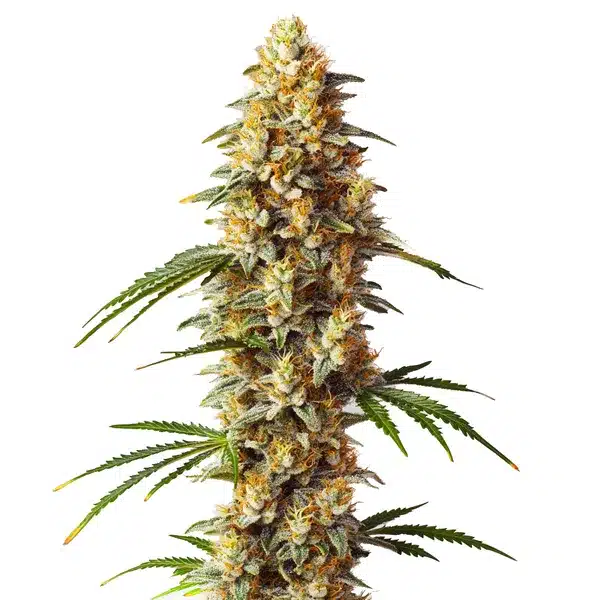
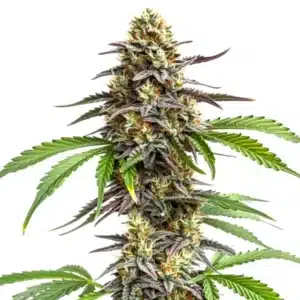
Critical x GG4 Auto

|
THC | 18% - 22% (Medium) |

|
Type | Autoflowering |

|
Yield | High |

|
Phenotype | 65% Indica / 35% Sativa |

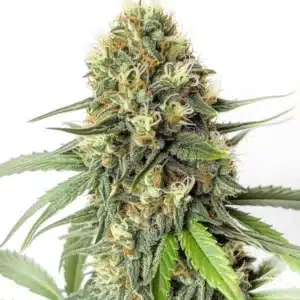
Glookies
|
|
THC | 22% - 25% (High) |
|
|
Type | Feminized |
|
|
Yield | High |
|
|
Phenotype | 70% Indica / 30% Sativa |
For example, one of the benefits of organic PGRs in marijuana farming is their ability to promote healthier root systems. A strong root system can significantly improve nutrient uptake, leading to more vigorous plant growth. This is particularly beneficial for strains like OG Kush from Blimburn Seeds, which thrives with proper nutrient absorption.
Moreover, using natural PGRs in cannabis cultivation supports the overall vigor of the plant. By enhancing natural growth processes, these regulators ensure that cannabis plants can withstand environmental stressors more effectively. This resilience is vital for maintaining plant health throughout the growing cycle, ultimately leading to a higher quality yield.
Another key advantage is the ecological impact. By integrating natural plant growth regulators for cannabis into farming practices, growers contribute to a more sustainable agricultural approach. This not only benefits the crop but also aids in preserving the environment, ensuring that future generations can continue to cultivate cannabis without depleting natural resources.
Improving Yield with Organic PGRs
Improving cannabis yield with organic PGRs is a goal for many cultivators. These natural regulators can enhance the plant’s ability to produce flowers, potentially leading to a larger harvest. It’s about working with nature rather than against it.
Take the strain GG4 from Blimburn Seeds as an example. Known for its high yield, using natural PGRs can maximize its potential. By encouraging more robust bud development, growers can achieve a more plentiful harvest.
Using natural PGRs in cannabis cultivation not only impacts the quantity but also the quality of the yield. The natural balance maintained by these regulators ensures that the flavor and potency of the cannabis are preserved, meeting consumer expectations for high-quality products. This is crucial in a competitive market where quality often dictates success.
Furthermore, using organic PGRs can lead to more consistent results across different growing cycles. By establishing a natural growth pattern, cultivators can expect similar outcomes with each harvest, allowing for better planning and resource allocation. This consistency is a significant advantage for both commercial and home growers looking to optimize their cultivation efforts.
Promos & Deals
How to Apply Natural PGRs in Cannabis Growing
Applying natural PGRs in cannabis growing requires some know-how. First, it’s important to select the right type of PGR for your specific needs. Different regulators serve different functions, from promoting root growth to enhancing flower development.
For instance, seaweed extracts are a popular choice. They contain cytokinins, which can promote cell division and lead to denser buds. Applying this to your cannabis plants can be as simple as mixing the extract with water and applying it during the watering process.
Knowing how to apply natural PGRs in cannabis growing is crucial for maximizing their benefits. It’s essential to tailor the application method to the specific growth stage of the plant. For example, during the flowering stage, focusing on PGRs that encourage bud development will yield the best results.
Additionally, the effectiveness of natural PGRs can be influenced by environmental factors such as light, temperature, and humidity. Cultivators should consider these elements when planning their application strategy to ensure optimal absorption and efficacy of the PGRs, leading to healthier plants and improved yields.
| Feature | Blue Dream | OG Kush | GG4 |
|---|---|---|---|
| THC Content | 18-24% | 20-26% | 25-30% |
| Dominant Terpene | Myrcene | Limonene | Caryophyllene |
| Yield (oz/ft²) | 1.5-2.0 | 1.8-2.2 | 2.0-2.5 |
| Flowering Time (weeks) | 9-10 | 8-9 | 8-9 |
| Resistance to Pests | High | Medium | High |
Steps to Incorporate Natural PGRs
To incorporate natural PGRs effectively, start by researching the specific needs of your cannabis strain. Each strain can respond differently, so knowing these nuances is key. Strains like Blue Dream and OG Kush each have their unique requirements and potential benefits from PGRs.
Next, create a schedule. Regular application is essential for seeing results. Most natural PGRs can be used throughout the growth cycle, but timing can affect their efficacy. For example, applying during the vegetative stage can enhance root and stem growth, setting a strong foundation for flowering.
Another important step is to adjust the dosage based on the plant’s response. Start with lower concentrations and gradually increase as needed. This approach helps prevent potential adverse effects and ensures that the plants receive the right amount of support for their growth stage.
Communication with other growers can also be beneficial. Sharing experiences and insights about using natural PGRs in cannabis cultivation can provide valuable information and tips. This collective knowledge can enhance your knowing and help refine your cultivation techniques for better outcomes.
Sustainable Cannabis Cultivation with Natural Growth Regulators
Sustainability is a growing concern in cannabis cultivation. Using natural growth regulators supports this by reducing the reliance on synthetic inputs and enhancing the natural growth processes of the plant.
One of the benefits of sustainable cannabis cultivation with natural growth regulators is the reduction in chemical runoff. This is crucial for maintaining soil health, which in turn supports healthier plant life. The long-term benefits include a more balanced ecosystem and potentially lower cultivation costs.
By focusing on sustainable cannabis cultivation with natural growth regulators, growers can contribute to the preservation of biodiversity. Natural PGRs promote healthy soil microbiomes, which are integral to maintaining a balanced ecosystem. This approach not only benefits the current crop but also lays the groundwork for future agricultural success.
Moreover, consumers are increasingly seeking out products that are grown sustainably. By using natural PGRs, cultivators can meet this demand and differentiate their products in the marketplace. This not only enhances brand reputation but also aligns with global efforts to promote environmentally friendly agricultural practices.
Real-World Applications
Real-world applications of natural PGRs can be seen in various successful grow operations. Many commercial growers are turning to these organic options to meet consumer demand for cleaner, greener products. Strains like GG, with its high yield and robust nature, benefit significantly from such practices.
By integrating natural PGRs into regular cultivation practices, growers can achieve a harmonious balance between productivity and sustainability. This approach not only benefits the environment but also enhances the quality of the cannabis produced.
In real-world scenarios, using natural PGRs in cannabis cultivation has also demonstrated improved resistance to pests and diseases. By strengthening the plant’s natural defenses, these PGRs reduce the need for chemical pesticides, further contributing to a cleaner cultivation process and reducing costs associated with pest management.
Additionally, many growers have reported that the use of natural PGRs has improved the overall efficiency of their operations. The consistent quality and yield achieved through these methods allow for better forecasting and inventory management, optimizing the entire supply chain from cultivation to market.

FAQs on Using Natural PGRs in Cannabis Cultivation
What are natural plant growth regulators for cannabis?
Natural plant growth regulators for cannabis are organic substances that influence growth and development by mimicking the plant’s own hormones. Common examples are seaweed and kelp extracts, which supply cytokinins. They support root development, flowering and overall plant health, and let growers improve plants without the synthetic chemicals linked to PGR weed.
How do natural PGRs improve cannabis yield?
Natural PGRs improve yield by supporting the plant’s own growth processes: promoting cell division, better nutrient uptake and more robust flowering. Seaweed extracts, for instance, can boost bud density and vigor while preserving flavor and potency, since they work with the plant rather than forcing it.
Are there any risks in using organic PGRs?
Natural PGRs are generally gentler than synthetic ones, but they are not risk-free. Overuse can cause nutrient burn or uneven growth, so start with low doses, follow label rates and monitor the plants. Most problems come from misjudging concentration or timing, not the inputs themselves.
What strains benefit most from natural PGRs?
Many strains respond well, but vigorous, high-yielding genetics show the clearest gains. Blimburn examples include Blue Dream, OG Kush and GG4. Their natural vigor, combined with gentle natural PGRs, can mean stronger roots, better flowering and a more abundant, good-quality harvest.
How often should natural PGRs be applied?
It depends on the product and the strain, but a weekly application through the vegetative and flowering stages suits most grows. Follow the product’s rates, watch for signs of stress or overuse, and adjust. Consistency matters more than high doses: steady, moderate use gives the best results.
Are natural PGRs the same as the PGRs in ‘PGR weed’?
No. ‘PGR weed’ means cannabis grown with synthetic growth regulators like paclobutrazol, which raise residue and quality concerns. Natural PGRs are organic biostimulants such as seaweed and kelp extracts that gently support the plant’s own hormones. They are not the same thing, and natural PGRs do not carry the same residue worries, though they should still be used in moderation.