Visual Guide to Cannabis Pests and Diseases

Identifying cannabis pests and diseases: This guide provides a detailed visual reference for recognizing common threats to cannabis plants. Accurate identification is essential, as 70% of growers encounter pest-related issues. Utilizing images and descriptions, growers can effectively manage these challenges, ensuring healthy plant development. Recognizing the visual cues of pests and diseases can significantly improve cultivation success rates.
In the world of cannabis cultivation, terpenes play a crucial role, influencing both aroma and plant resilience. For instance, Myrcene, found in strains like Blue Dream Auto, contributes to earthy scents and enhances THC uptake. With flowering times ranging from 8 to 9 weeks, mastering these elements is key to optimizing your grow. Dive into the specifics of pest and disease management to safeguard your plants.
Recommended Strains

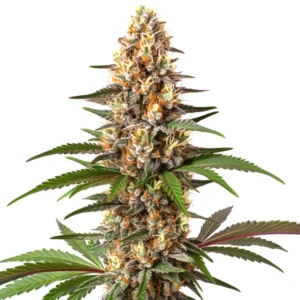
Critical Regular

|
THC | 15% - 20% (Medium) |

|
Type | Regular |

|
Yield | High |

|
Phenotype | 70% Indica / 30% Sativa |

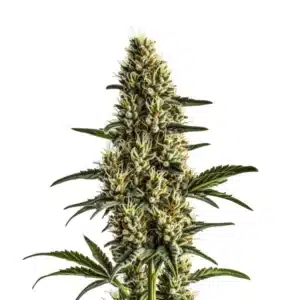
Pineapple Kush
|
|
THC | 16% - 18% (Medium) |
|
|
Type | Feminized |
|
|
Yield | High |
|
|
Phenotype | 70% Indica / 30% Sativa |
Visual Guide to Cannabis Pests and Diseases
Common Symptoms and Signs
Recognizing the signs of cannabis pests and diseases is crucial for maintaining plant health. Symptoms like yellowing leaves, stunted growth, and unusual spots can indicate issues. A cannabis pests chart can be invaluable, offering visual cues to quickly diagnose problems. Growers often use these charts to identify threats and take corrective action swiftly.
Experienced cultivators emphasize the importance of monitoring environmental conditions. For instance, maintaining a relative humidity of 40-50% during flowering can prevent mold, while temperatures of 68°F – 77°F (20°C – 25°C) support healthy growth. A cannabis leaf problems chart can further assist in identifying nutrient deficiencies or pest infestations.
Practical Application & Impact
Implementing preventive measures is essential. Regularly inspecting plants with a magnifying glass can help detect pests early. Many growers recommend using neem oil sprays as a natural deterrent, applied every 7-10 days. This approach not only prevents infestations but also minimizes chemical use, preserving the plant’s terpene profile.
Maintain a clean growing environment to reduce the risk of pests. Remove debris and dead leaves promptly, as they can harbor insects. Utilizing sticky traps can also aid in monitoring and controlling pest populations, ensuring a healthier crop.
Promos & Deals
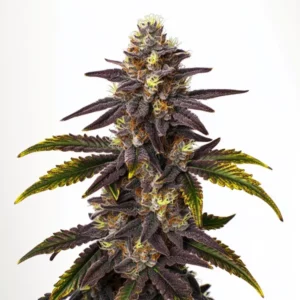
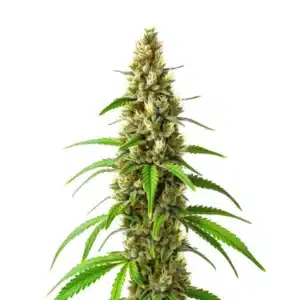
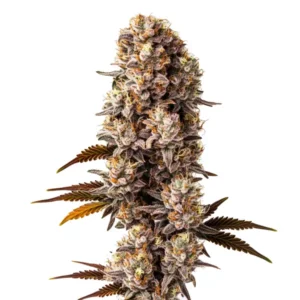
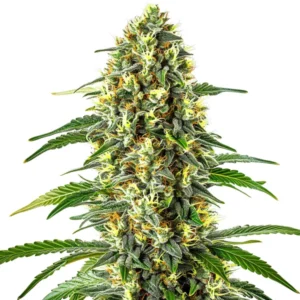
Visual Guide to Cannabis Pests
Identifying Common Pests
Cannabis pests pictures are a vital tool for growers. These images help identify common pests like spider mites, aphids, and whiteflies. Spider mites, for instance, leave tiny white spots on leaves and can cause significant damage if not addressed. Aphids, on the other hand, cluster on new growth, sucking sap and weakening the plant.
Using cannabis pest identification pictures, growers can differentiate between these pests and apply targeted treatments. For example, introducing beneficial insects like ladybugs can naturally control aphid populations without harming the plant. This method is particularly effective in outdoor settings.
Practical Application & Impact
Regular monitoring is key to pest management. Check the undersides of leaves for eggs and larvae, which are often the first signs of an infestation. Many cultivators use organic insecticidal soaps, applied bi-weekly, to manage pests without affecting plant quality.
Ensure proper ventilation in your grow space to deter pests. Maintaining airflow prevents the buildup of humidity, which can attract insects. Additionally, rotating crops can disrupt pest life cycles, reducing the likelihood of recurring infestations.
Visual Guide to Cannabis Diseases
Identifying Common Diseases
Cannabis diseases pictures are essential for diagnosing issues like powdery mildew, root rot, and bud rot. Powdery mildew appears as white, powdery spots on leaves and can spread rapidly in humid conditions. Root rot, often caused by overwatering, results in brown, mushy roots and wilting plants.
Common cannabis diseases can severely impact yields if not managed promptly. Bud rot, for example, thrives in environments with high humidity and poor airflow, leading to decayed flowers. Identifying these diseases early allows for effective intervention, such as adjusting watering schedules or improving ventilation.
Practical Application & Impact
To combat diseases, many growers implement a strict hygiene protocol. This includes sterilizing tools and equipment to prevent cross-contamination. Using fungicides specifically designed for cannabis can also help manage outbreaks.
Monitor soil moisture levels to prevent root-related diseases. Aim for a balance where the soil is moist but not waterlogged. Employing well-draining soil mixes can aid in maintaining this balance, reducing the risk of root rot.
Indoor vs Outdoor Cannabis Pest Identification
Key Differences and Challenges
Indoor and outdoor cannabis pest identification pictures reveal distinct challenges. Indoor environments often face issues with spider mites and fungus gnats due to controlled conditions. In contrast, outdoor cannabis pest identification pictures highlight threats like caterpillars and beetles, which are more prevalent in open settings.
Cannabis pests indoor require specific management strategies. For instance, maintaining a clean grow room and using HEPA filters can mitigate indoor pest issues. Outdoor growers, however, must contend with a broader range of pests and often rely on natural predators and environmental controls.
Practical Application & Impact
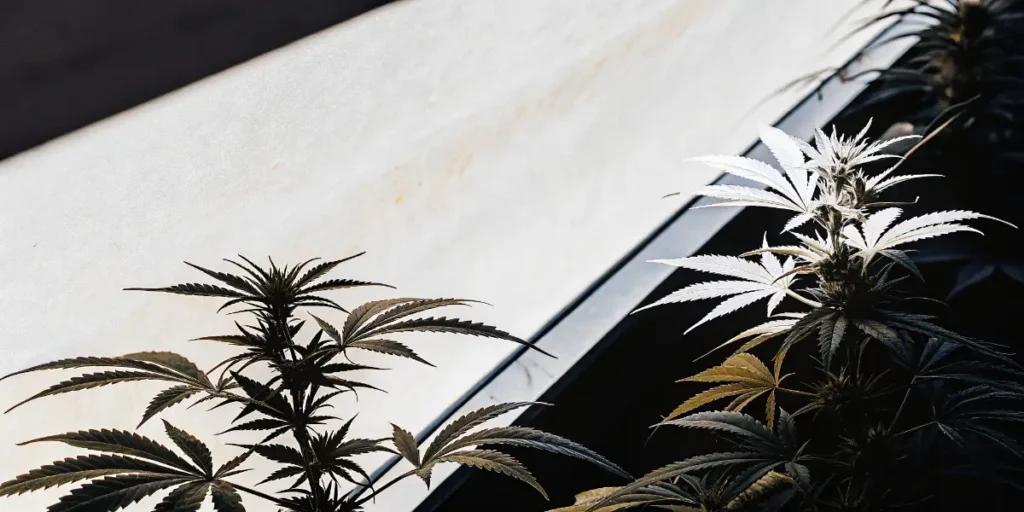
For indoor growers, maintaining a consistent temperature of 70°F – 75°F (21°C – 24°C) can deter many pests. Using reflective materials can also help distribute light evenly, reducing shaded areas where pests thrive.
Outdoor growers should consider planting companion plants like marigolds, which naturally repel pests. Regularly rotating crops and using physical barriers, such as netting, can also protect against larger pests like birds and rodents.
| Feature | Critical Regular | Blue Dream Auto | Pineapple Kush |
|---|---|---|---|
| THC Content | 15-20% | 10-13% | 16-18% |
| Dominant Terpene | Limonene | Caryophyllene | Myrcene |
| Flowering Time | 7-9 weeks | 7-9 weeks | 8-10 weeks |
| Yield (Indoor) | 1.47 – 2.13 oz/ft² | 450 – 650 g/m² | 1.31 oz/ft² | 400 g/m² | 1.8 – 1.97 oz/ft² | 550 – 600 g/m² |
| Effect Profile | Happy, Relaxed, Talkative | Focused, Happy, Relaxed | Creative, Euphoric, Uplifted |
Preventive Measures and Solutions
Effective Treatment Options
Preventing pests and diseases requires a proactive approach. Many growers utilize integrated pest management (IPM) strategies, combining biological, cultural, and chemical controls. This holistic method reduces reliance on pesticides, promoting a healthier growing environment.
Applying treatments like neem oil or insecticidal soap every 10-14 days can deter pests. Ensure proper coverage, especially on the undersides of leaves, where pests often hide. Always follow label instructions to avoid phytotoxicity.
Professional Tips
- Use sticky traps to monitor pest populations. Place them near plants to catch flying insects early.
- Maintain 58-62% RH during curing. Below 55% can halt terpene development, while above 65% promotes mold. Use a digital hygrometer for accuracy.
- Apply neem oil every 7-10 days as a preventive measure. Ensure thorough coverage to disrupt pest life cycles.
- Keep temperatures between 68°F – 77°F (20°C – 25°C) to prevent mold and mildew. Use fans to maintain airflow.
- Introduce beneficial insects like ladybugs to control aphid populations naturally. This method is effective and eco-friendly.
- Rotate crops to disrupt pest life cycles. This practice reduces the risk of recurring infestations.
FAQ
What are the most common cannabis pests?
Common cannabis pests include spider mites, aphids, and thrips. These pests can cause significant damage if not controlled. Regular monitoring and using natural predators like ladybugs can help manage these pests effectively.
How can I identify diseases on cannabis leaves?
Diseases often manifest as discoloration, spots, or mold on leaves. A cannabis leaf problems chart can aid in diagnosis. For example, powdery mildew appears as white spots, while leaf blight causes brown patches.
What organic treatments are available for cannabis pests?
Organic treatments include neem oil, insecticidal soap, and diatomaceous earth. These solutions are effective against many pests and are safe for plants. Regular application is key to maintaining pest-free crops.
How can I prevent common cannabis diseases?
Prevent diseases by maintaining proper humidity levels and ensuring good air circulation. Keep humidity below 50% to deter mold and use fans to promote airflow. Regular plant inspections can catch issues early.
What images help identify outdoor cannabis pests?
Outdoor cannabis pest identification pictures are vital for recognizing pests like caterpillars and aphids. These images help growers spot issues early, allowing for timely interventions and minimizing crop damage.