PGR Weed: What It Is, How to Spot It, and Why It Matters

PGR weed is cannabis grown with plant growth regulators (PGRs), chemicals that change how a plant grows. The term usually refers to weed produced with synthetic PGRs such as paclobutrazol, daminozide or chlormequat, used to force denser, heavier buds and faster flowering. Growers and buyers care about PGR cannabis because synthetic PGRs can leave residues and are often reported to produce dense but low-aroma, harsh buds, and several of these chemicals have been restricted in food crops over possible health concerns (evidence specific to smoked cannabis is still limited).
Naturally grown cannabis, or buds grown with gentle natural inputs, avoids those question marks. Below we explain what PGRs are, how to spot PGR buds, whether they are safe, and how to grow dense buds without PGRs. This is general information, not medical advice.
Recommended Strains

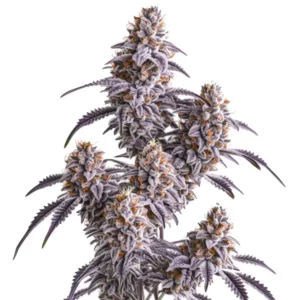
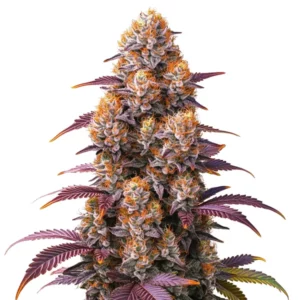
Blackberry Moonstones

|
Type | Feminized |

|
THC | 26% - 33% (High) |

|
Phenotype | 80% Indica / 20% Sativa |

|
Yield | High |

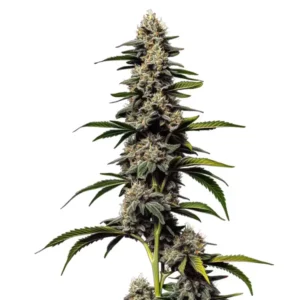
Blackberry Moonstones Auto
|
|
Type | Autoflowering |
|
|
THC | 26% - 33% (High) |
|
|
Phenotype | 80% Indica / 20% Sativa |
|
|
Yield | High |
PGR Weed vs Natural Cannabis: Quick Comparison
The traits most often reported when comparing PGR weed vs natural buds, side by side:
| Trait | PGR weed (synthetic PGRs) | Natural cannabis |
|---|---|---|
| Bud density and feel | Very dense and hard, sometimes spongy or damp | Lighter, breaks up naturally |
| Trichomes / frost | Often sparse, few visible trichomes | Visible resin and trichomes |
| Color and pistils | Dull, with an excess of brown or orange hairs | Natural green with varied pistils |
| Aroma | Faint, or a chemical note when broken up | Strong natural terpene aroma |
| Reported smoke / taste | Reported harsh or chemical | Smoother and more flavorful |
Promos & Deals

Commonly Used Plant Growth Regulators (PGRs): What Are They?
Several plant growth regulators have been used in agriculture, but three come up most in cannabis. The most discussed is paclobutrazol, covered in depth in our guide to paclobutrazol in cannabis.
Paclobutrazol
Paclobutrazol is a synthetic growth retardant (a triazole compound), not a natural product, despite sometimes being described as organic. In cannabis it shortens internodes, stiffens stems, keeps plants compact and brings flowering on faster, and treated plants often show darker foliage. It can cause mild eye and skin irritation on contact; its main question mark for consumers is residue left in the plant and what forms when it is burned, which is why it is discussed so much (see our full paclobutrazol guide).
How Do You Recognize PGR Cannabis?
You usually cannot be certain by eye alone, but several signs are commonly reported for PGR buds. For the full visual walkthrough, see how to spot PGR buds vs natural buds. The typical signs:
- Extremely dense, hard or heavy buds
- An excess of brown or red pistils
- A spongy or overly moist texture
- Few or no visible trichomes
- Faint aroma, or a chemical smell and taste when broken up
Is PGR Cannabis Safe to Consume?
There is no simple yes or no. Some synthetic PGRs have been restricted or banned in food crops over possible health concerns, and burning plant material can create new compounds, so many growers and consumers prefer to avoid synthetic PGR residue in anything they inhale. That said, high-quality evidence on the health effects of smoking cannabis grown with PGRs is still limited, so claims that it is highly toxic should be treated with caution.
The sensible approach is to reduce exposure: buy from reputable, lab-tested sources, favour PGR-free or organically grown cannabis, and check a certificate of analysis (COA) when one is available. This is general information, not medical advice; speak to a qualified professional about personal health questions.
Possible Side Effects of Synthetic PGRs
Growers who handle synthetic PGRs are told to use protective measures, because several of these chemicals are classed as hazardous rather than harmless. The concerns fall into short- and longer-term categories, summarised below. Note these come largely from occupational and animal studies, not from studies of smoking PGR-grown cannabis.
Short-Term Exposure
On direct contact or exposure, some PGRs are reported to cause skin and eye irritation, and in stronger exposures, nausea or respiratory irritation. These are handling concerns tied to the raw chemicals.
Longer-Term Concerns
Animal and occupational studies have linked some PGRs to effects on the liver, kidneys and reproductive system at certain exposure levels. These findings have not been established for people smoking PGR-grown cannabis, and more research is needed, but they are the reason these chemicals are restricted in food crops and why avoiding them is a reasonable precaution.
Main Differences Between PGR Weed and Natural Cannabis
The comparison table above sums up the differences at a glance: PGR buds tend to be spongy or abnormally dense and hard, duller with more brown hairs, lower in visible trichomes, and often reported lower in aroma, while natural buds break up more easily and carry a fuller terpene smell. Both buyers and sellers should stay alert to products that look suspiciously perfect; our guide on spotting PGR buds covers the checks in detail.
Avoid consuming PGR Weed
To steer clear of PGR-laden cannabis, it’s crucial to exercise vigilance and take specific precautions when buying. A reliable method to ensure top-notch cannabis is by purchasing from reputable sources like licensed dispensaries or reliable online vendors.
There are additional measures you can adopt to minimize the risk of consuming PGR cannabis. For instance, be wary of meager prices or excessively flawless products, as these could signal the use of synthetic hormones to enhance yield.
Furthermore, carefully scrutinize the product before buying. PGR cannabis typically appears denser and stiffer than natural cannabis, often displaying an unnaturally vibrant hue. Moreover, it might emit a distinct chemical scent or taste.
If unsure about a product’s cultivation methods, it’s prudent to ask the seller or producer for more details. Lastly, prioritize your well-being and safety when consuming cannabis, and promptly seek medical attention if you encounter any abnormal symptoms such as dizziness, nausea, or headaches.
Four Strains to Grow Organically (Not in PGR Mode)
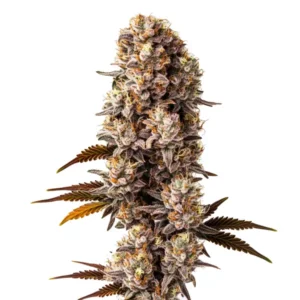
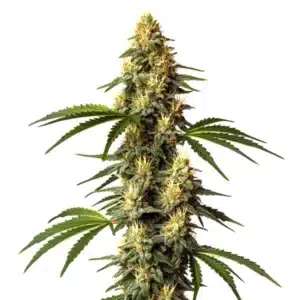
Why risk a harvest with synthetic PGRs when you can grow big, resinous buds organically? Four Blimburn genetics that reward natural growing with great flavour, trichomes and resin for extractions are Blackberry Moonstones, Gelato x Honey Drop, Tangie Purple Punch and Lemonaid OG. Grow them with good light and nutrition and skip PGRs entirely.

FAQs
What is PGR weed?
PGR weed is cannabis grown with plant growth regulators, chemicals that control how the plant grows. The term usually means weed grown with synthetic PGRs like paclobutrazol or daminozide to force denser, heavier buds and faster flowering. It is often reported to look dense but lack aroma and trichomes compared with naturally grown cannabis.
How can you tell PGR weed from natural weed?
There is no certain test by eye, but PGR buds are commonly reported as extremely hard or spongy, dull with lots of brown hairs, low in visible trichomes and faint or chemical in smell. Natural buds break up more easily and smell of terpenes. A lab certificate of analysis is the only reliable confirmation.
Is PGR weed bad for you, and can it kill you?
There is no good evidence that PGR weed is acutely dangerous or life-threatening. The concern is lower: some synthetic PGRs are restricted in food crops over possible long-term health effects, and inhaling chemical residue is best avoided. Evidence specific to smoking PGR cannabis is limited, so reduce exposure by choosing lab-tested, PGR-free products. This is not medical advice.
How do you grow cannabis without PGRs?
You do not need synthetic PGRs for dense buds. Strong genetics, good light, balanced nutrients and training methods like topping and LST give compact, heavy plants naturally. Some growers also use gentle natural inputs such as kelp or chitosan. See our guides on growing without PGRs and using natural PGRs for the details.