Best Cannabis Strains for Pain: CBD vs THC

People have reached for cannabis to ease pain for centuries, and modern research is starting to explore why: cannabinoids like CBD and THC interact with the body’s endocannabinoid system, which helps regulate pain and inflammation. There is no single “best” strain, though. High-CBD strains suit those who want relief with little or no high, while high-THC strains offer stronger, more sedating body effects. First, an important note.
This article is educational, not medical advice. Cannabis affects everyone differently, evidence for pain is still developing, and it can interact with medications or conditions. Always talk to a qualified healthcare professional before using cannabis to manage pain, especially chronic or severe pain.
Recommended Strains
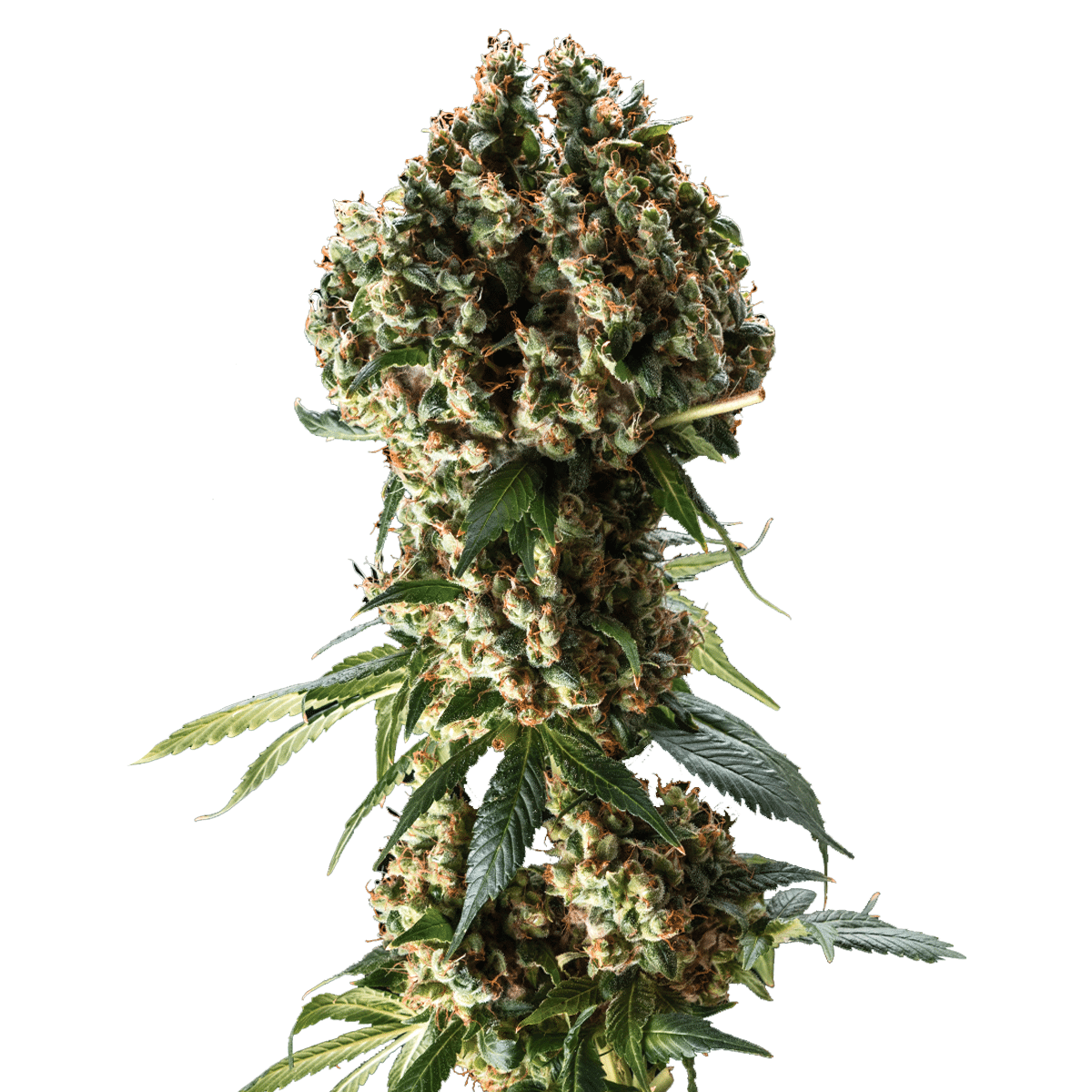
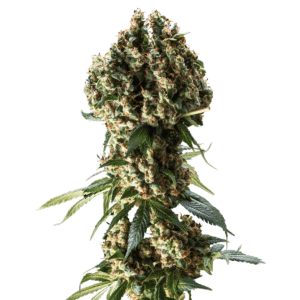
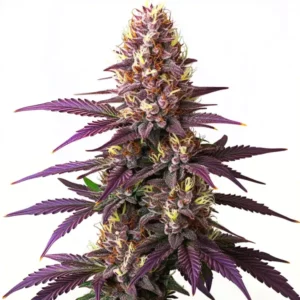
Granddaddy Purple

|
THC | 25% (High) |

|
Type | Feminized |

|
Yield | High |

|
Phenotype | 70% Indica / 30% Sativa |

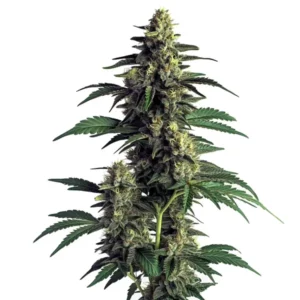
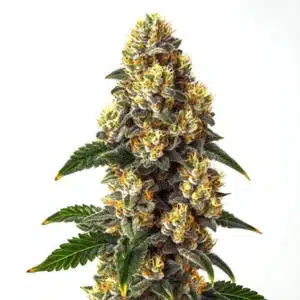
Blueberry
|
|
THC | 15% - 24% (High) |
|
|
Type | Feminized |
|
|
Yield | High |
|
|
Phenotype | 80% Indica / 20% Sativa |
Below we cover the strains people most often turn to for pain, grouped by whether they lean high-CBD or high-THC, so you can match a strain to the kind of relief you are after. Here they are at a glance:
| Strain | Profile | Often chosen for |
|---|---|---|
| Harlequin | High-CBD (about 5:2 CBD:THC) | Daytime relief with little to no high |
| Cannatonic | Balanced CBD:THC (low THC ~6%) | Relief with a clear head, less anxiety |
| Northern Lights | High-THC indica | Deep relaxation and sleep |
| Purple Kush | High-THC indica | Heavy, sedating body relief |
| Granddaddy Purple | High-THC indica | Evening use, tension and sleep |
| OG Kush | High-THC hybrid | Relaxation with a mood lift |
| Blue Dream | Balanced hybrid | Daytime relief that keeps you functional |
High-CBD Strains: Relief With Little High
First, a myth to clear up: being an “indica” does not mean a strain is high in CBD. Most indicas are actually high in THC; their reputation for pain relief comes from their heavy, relaxing body effect, not their CBD. True high-CBD strains, like Harlequin and Cannatonic, are a separate breeding type. These are the go-to for people who want to ease pain and inflammation while staying clear-headed, since CBD is non-intoxicating. Body chemistry varies a lot, so finding what works is a personal process.
Harlequin
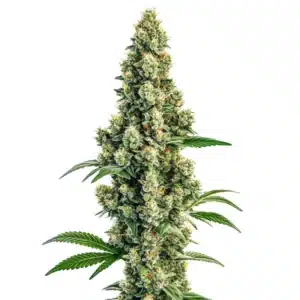
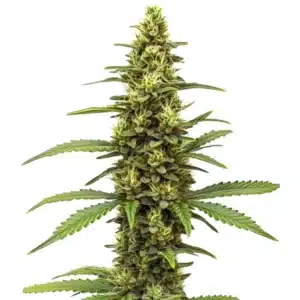
Harlequin is the classic high-CBD choice, with a roughly 5:2 CBD:THC ratio. That means gentle, clear-headed relief with only a mild high, which many users prefer for daytime use. It is often chosen by people managing ongoing discomfort who do not want to feel intoxicated, and it carries a pleasant sweet-mango, earthy aroma.
That high-CBD balance is exactly what makes Harlequin a daytime option: it can take the edge off discomfort while leaving you clear enough to function, which suits people who are sensitive to THC or need relief at work. As with any strain here, treat it as a complement to proper medical care, not a replacement, and clear it with your doctor first.
Cannatonic
Cannatonic is the other high-CBD favorite, with high CBD and low THC (around 6%). That balance gives a mild, functional experience that many find eases discomfort and tension while staying much less likely to trigger the anxiety or paranoia that high-THC strains can. Its gentle, mood-lifting character makes it a popular daytime option.
Promos & Deals
High-THC Strains: Stronger Body Relief
For stronger, more sedating relief, most people turn to high-THC strains. THC is the psychoactive compound behind the deep body relaxation many associate with easing muscle tension and helping with sleep, though it does get you high. These are usually indica-leaning strains best kept for evening use. Below are the ones most often recommended, and remember that responses vary, so start low.
The trade-off is real: stronger relief comes with more impairment, a faster-building tolerance and, for some people, a risk of anxiety if the dose is too high. These strains suit evening use and heavier pain, but the sensible approach is to start with a low dose, see how your body responds, and build up slowly rather than reaching for the strongest option first.
Granddaddy Purple
Granddaddy Purple is a heavy indica famous for its deeply sedating body effect, which is why many reach for it in the evening for tension and trouble sleeping. Its sweet grape-and-berry flavor makes it an easy one to enjoy. Because it is so relaxing, it is better suited to nighttime than a productive day.
Because that sedation is so pronounced, Granddaddy Purple is really an evening strain, well suited to pain that also keeps you awake, like muscle tension or restless nights. The flip side is that it is a poor daytime choice, since the same heavy body effect that soothes pain will also leave you unmotivated and ready for the couch.
Northern Lights
Northern Lights is a classic soothing indica (around 16-21% THC) prized for a calming, full-body relaxation. Its sedative side makes it a favorite for winding down at night, and it is especially popular with people whose discomfort disrupts their sleep. Like all high-THC strains, a modest dose goes a long way.
Its gentle, predictable character makes Northern Lights a good entry point for anyone new to using cannabis for pain. The relaxation leans toward sleep, so it works best in the evening, and its long track record means the effects are consistent, which matters when you are trying to find a reliable routine rather than experimenting every night.
Blueberry Kush
Blueberry Kush, a cross of Blueberry and OG Kush (16-24% THC), is a potent, relaxing hybrid with a euphoric, stress-melting edge. That strength is a double-edged sword: it is effective but easy to overdo, so beginners and low-tolerance users should start with a very small amount.
The euphoric lift that comes with the body relief is part of the appeal for pain that drags down your mood, and the sweet berry flavor makes it an easy one to come back to. Its potency is a reminder to keep the dose moderate, since more is not necessarily better for pain and can simply leave you overly sedated.
OG Kush
OG Kush is a legendary high-THC hybrid known for pairing physical relaxation with a euphoric mood lift, which is why so many people reach for it after a long, aching day. Its earthy, piney flavor is iconic. The uplift makes it feel a little more versatile than a pure couch-lock indica.
That mix of physical relaxation and a mood lift is why OG Kush is such a versatile pick, useful for pain tangled up with stress at the end of the day. It is potent, though, so regular users should watch for tolerance creeping up, and newcomers should start small to find the amount that eases pain without overwhelming them.
Sour Diesel (Daytime Option)
If you need relief without the couch-lock, Sour Diesel is the daytime pick. This energizing, sativa-leaning strain is high in THC and known for an uplifting, focus-friendly buzz, so people reach for it when they want to stay productive rather than sleepy. Its pungent, diesel-like aroma is unmistakable.
Because it is energizing rather than sedating, Sour Diesel lets you manage pain while staying active and clear-headed, which is rare among the stronger options. The caveat is its sativa intensity: a high dose can tip into racing thoughts or anxiety, so this is one to keep moderate, especially if you are prone to feeling wired.
Purple Kush
Purple Kush is a pure, high-THC indica built for heavy, sedating relief. Its deeply soothing body effect makes it a common evening choice for persistent, nagging discomfort. As with Granddaddy Purple and Northern Lights, expect relaxation and sleepiness rather than energy.
CBD vs THC for Pain: Which to Choose
So which cannabinoid should you look for? In simple terms: CBD is non-intoxicating and studied mostly for inflammation, so high-CBD strains suit daytime, clear-headed relief; THC is intoxicating and gives stronger, more sedating body relief, better for evenings and sleep. Many people find a balanced CBD:THC strain (like Cannatonic) offers the best of both. The right choice depends on your pain, your tolerance and whether you need to stay functional.
In practice, many people with pain do best somewhere in the middle, with a balanced ratio such as 1:1 CBD to THC that blends relief with manageable impairment. The right mix also depends on the type of pain, since inflammatory and nerve pain can respond differently. The only way to find your balance is to start low and adjust, ideally with professional guidance.
Talk to a Healthcare Professional First
Before using cannabis for pain, especially chronic or severe pain, talk to a doctor. Cannabis can interact with medications and is not right for everyone, and a professional can help you weigh it against your existing treatment. This is doubly important if you are pregnant, have a heart condition, or a history of anxiety or psychosis.
To be concrete about why: cannabis can interact with blood thinners, sedatives and other medications, is not advised during pregnancy, and can be risky for people with a history of psychosis. It is also not legal everywhere. None of this is medical advice, and cannabis should sit alongside a proper treatment plan from a qualified clinician, not replace it.
FAQs: Cannabis Strains for Pain
What are the best cannabis strains for pain relief?
Popular high-THC picks include Granddaddy Purple, Northern Lights, Purple Kush, OG Kush and Blue Dream, favored for relaxing, sedating body effects. For relief with little or no high, high-CBD strains like Harlequin and Cannatonic are the usual choices. The best one depends on your pain and tolerance, and a doctor can help you decide.
How does CBD help with pain?
CBD is a non-intoxicating cannabinoid that interacts with the endocannabinoid system, which helps regulate pain and inflammation. Because it does not cause a high, many people use high-CBD strains for daytime relief. Research is most promising for inflammation, but it is still developing, so treat CBD as a possible aid, not a proven cure.
Should I use indica or sativa for pain?
Indica-leaning strains (Granddaddy Purple, Northern Lights, Purple Kush) are the usual choice for pain because of their heavy, relaxing body effect and help with sleep, best for evenings. Sativa-leaning ones like Sour Diesel can ease discomfort while keeping you alert, better for daytime. It comes down to your symptoms, your tolerance and when you need relief.