Recognizing and Managing Bud Rot in Cannabis Plants

Bud Rot in Cannabis: Bud rot, also known as Botrytis cinerea, is a fungal disease that can quickly devastate cannabis crops. It thrives in humid conditions, typically above 50% relative humidity, and can spread rapidly if not controlled. Early identification is crucial, as infected buds will show signs of browning and mold. Preventive measures, such as maintaining humidity levels between 40-50% and ensuring proper airflow, are essential to minimize the risk of bud rot.
Bud rot poses a significant threat to cannabis cultivation, often going unnoticed until it’s too late. This fungal disease thrives in environments with high humidity and poor ventilation. Terpenes like myrcene and caryophyllene, which contribute to the plant’s aroma, can be compromised by bud rot. Experienced growers emphasize the importance of knowing the flowering time and environmental conditions to prevent this devastating issue.
Recommended Strains
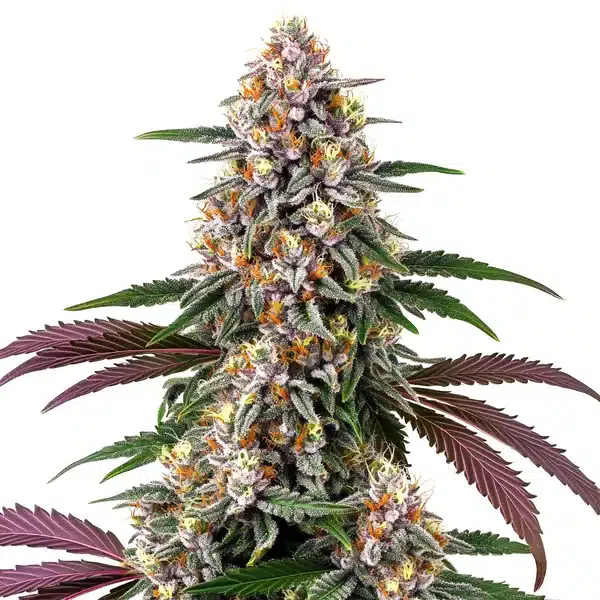
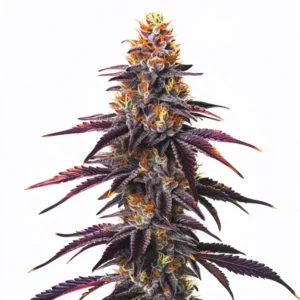
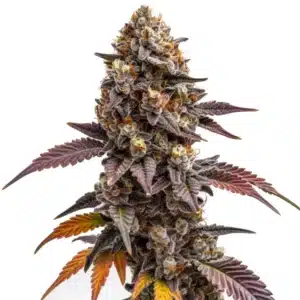
Purple Punch

|
THC | 15% - 20% (Medium) |

|
Type | Feminized |

|
Yield | High |

|
Phenotype | 80% Indica / 20% Sativa |

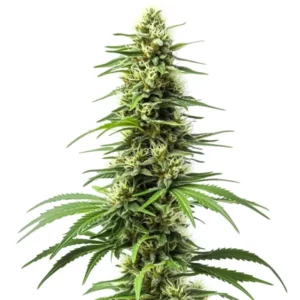
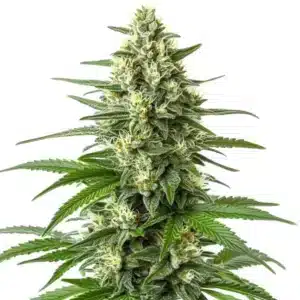
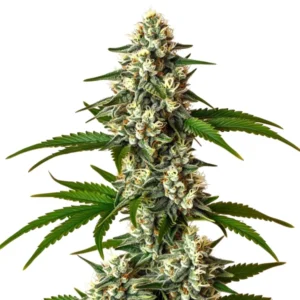
Chemdog #4
|
|
THC | 18% - 26% (High) |
|
|
Type | Feminized |
|
|
Yield | High |
|
|
Phenotype | 60% Indica / 40% Sativa |
What is Bud Rot?
Causes of Bud Rot
Bud rot is caused by the Botrytis cinerea fungus, which thrives in environments with high humidity levels, typically above 50%. This fungus can infiltrate cannabis plants through small wounds or weak spots, often spreading rapidly in dense canopies where airflow is restricted. To mitigate the risk, maintain humidity levels between 40-50% and ensure adequate air circulation.
Once established, bud rot can devastate a crop, as it spreads quickly from one bud to another. It is crucial to monitor environmental conditions closely, especially during the flowering phase, when plants are most vulnerable. Regularly inspect plants for early signs of bud rot to catch the infection before it spreads.
Promos & Deals

Recognizing Bud Rot in Cannabis Plants
Early Signs of Bud Rot
Identifying early signs of bud rot is vital for effective management. Look for small brown spots on buds, which can quickly expand if left unchecked. Early stage bud rot pictures often show these initial signs, helping growers recognize the problem before it escalates. Inspecting plants daily during the flowering phase can prevent widespread damage.
Another early indicator is a musty odor emanating from the plants, often accompanied by a grayish mold. This mold can spread rapidly, especially in humid conditions, leading to significant crop loss. Regular inspections and maintaining optimal environmental conditions are key to preventing bud rot from taking hold.
What Does Bud Rot Look Like?
To know what bud rot looks like, refer to the bud rot pictures that show the progression of the disease. Initially, buds may appear discolored, with brown or gray patches. As the infection progresses, the affected areas become soft and mushy, eventually leading to complete bud collapse.
In advanced stages, the mold can produce spores that spread to other parts of the plant or nearby plants. This makes early detection and removal of infected buds crucial. Maintaining a clean growing environment and using preventive measures can help reduce the risk of bud rot.
Bud Rot vs Mold: Key Differences
Knowing bud rot vs mold is essential for effective management. While both are fungal infections, bud rot specifically affects the buds, while mold can appear on leaves, stems, and soil. Bud rot is typically caused by Botrytis cinerea, whereas mold can be due to various fungi.
Bud rot requires specific conditions to thrive, such as high humidity and poor airflow, whereas mold can develop in a wider range of conditions. Recognizing these differences helps in implementing targeted prevention and treatment strategies.
How to Manage Bud Rot
Bud Rot Treatment Options
Effective bud rot treatment involves removing infected buds immediately to prevent the spread of the fungus. Use sterilized tools to cut away affected areas and dispose of them properly. Increasing airflow and reducing humidity levels to 40-50% can help stop the spread of the fungus.
Besides to physical removal, applying fungicides specifically designed for Botrytis cinerea can be effective. Always follow the manufacturer’s instructions and ensure that treatments are safe for use on cannabis plants. Regular monitoring and environmental control are essential components of a comprehensive treatment plan.
Salvaging Bud Rot Affected Plants
When salvaging bud rot affected plants, it’s crucial to act quickly. Remove all infected buds and increase ventilation to reduce humidity. This can help prevent further spread of the fungus. In some cases, it may be possible to save parts of the plant that are not yet affected.
Consider implementing preventive measures, such as using silica supplements to strengthen plant cell walls, making them more resistant to fungal infections. Regularly inspect plants for signs of infection and adjust environmental conditions to minimize the risk of recurrence.
How to Prevent Bud Rot
Best Practices for Prevention
To effectively prevent bud rot, maintain humidity levels between 40-50% and ensure proper airflow throughout the grow space. Using oscillating fans can help distribute air evenly, reducing the likelihood of fungal growth. Additionally, avoid overwatering, as excess moisture can contribute to high humidity levels.
Implementing a regular inspection routine can help catch early signs of infection. Consider using preventive fungicides during the flowering stage to protect against potential outbreaks. Keeping the grow area clean and free of debris also reduces the risk of fungal infections.
| Feature | GG4 | Purple Punch | Chemdog 4 |
|---|---|---|---|
| THC% | 27% | 15-20% | 18-26% |
| Dominant Terpene | Humulene | Limonene | Myrcene |
| Aroma | Fruity, Pine, Spicy | Berry, Herbal, Sweet | Citrus, Lemon |
| Effect | Happy, Relaxed, Talkative | Calming, Relaxed, Sleepy | Happy, Relaxed, Talkative |
| Yield Indoor | 1.64 – 1.97 oz/ft² | 500 – 600 g/m² | 1.8 – 2.13 oz/ft² | 550 – 650 g/m² | 1.47 – 1.64 oz/ft² | 450 – 500 g/m² |
Professional Tips for Managing Bud Rot
- Maintain 40-50% RH during flowering to prevent bud rot. Above 50% increases Botrytis risk. Use a digital hygrometer for accuracy.
- Ensure proper airflow with oscillating fans. Stagnant air promotes fungal growth within 24 hours.
- Inspect plants daily for early signs of rot. Quick action can save unaffected buds.
- Use silica supplements to strengthen plant cell walls. This increases resistance to fungal infections.
- Remove infected buds immediately with sterilized tools to prevent spread. Dispose of them away from the grow area.
- Consider preventive fungicides during flowering. Follow all safety guidelines to protect your plants and yourself.
Frequently Asked Questions
What are the early signs of bud rot in cannabis plants?
Early signs of bud rot include small brown spots on buds and a musty odor. These symptoms can develop quickly, especially in high humidity environments. Regular inspections and maintaining optimal conditions, such as 40-50% relative humidity, can help detect and prevent the spread of bud rot.
How does bud rot differ from common mold?
Bud rot specifically affects cannabis buds and is caused by Botrytis cinerea, thriving in high humidity. Common mold can appear on various plant parts and is caused by different fungi. Bud rot requires specific conditions, while mold can develop in broader environments. Recognizing these differences aids in targeted prevention.
What treatments are effective for bud rot?
Effective treatments for bud rot include removing infected buds and applying fungicides designed for Botrytis cinerea. Maintaining humidity levels between 40-50% and ensuring proper airflow are crucial. Regular monitoring and environmental control are essential components of a comprehensive treatment plan.
Is it possible to save plants affected by bud rot?
Yes, it is possible to save plants affected by bud rot by removing infected buds promptly and increasing ventilation. This helps prevent further spread. Implementing preventive measures, such as silica supplements, can strengthen plants against future infections.
How can I prevent bud rot in cannabis crops?
Prevent bud rot by maintaining humidity levels between 40-50% and ensuring proper airflow. Use oscillating fans to distribute air evenly and avoid overwatering. Regular inspections and preventive fungicides during flowering can also help protect against outbreaks.