Cannabis Strains For Migraines: A Natural Remedy for Headache Relief

Quick answer: some people report that cannabis helps ease migraine and headache symptoms, often choosing balanced THC:CBD or CBD-forward strains for relief with a clearer head. The evidence is mixed and still developing, cannabis is not a cure, and high-THC use can sometimes trigger headaches. This is general information, not medical advice: talk to your doctor before using cannabis for migraines, especially alongside other treatments. Below is how cannabinoids and terpenes may play a role, plus cautions.
What Are Migraines?
Migraines are a neurological condition, not just bad headaches. Attacks bring throbbing pain (often one-sided), nausea, and sensitivity to light and sound, and can last hours to days, disrupting daily life.
Recommended Strains

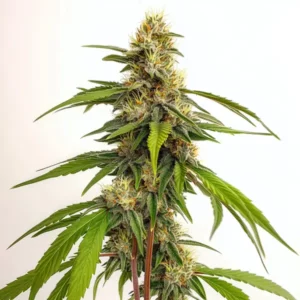
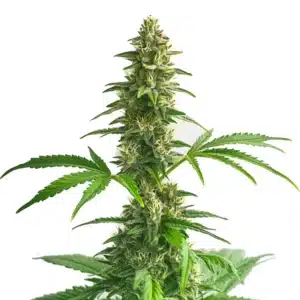
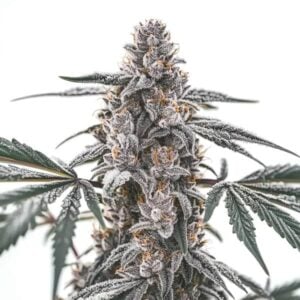
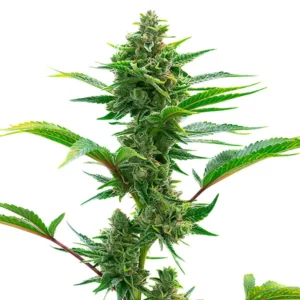
OG Kush

|
Type | Feminized |

|
THC | 20% - 24% (High) |

|
Phenotype | 55% Indica / 45% Sativa |

|
Yield | High |
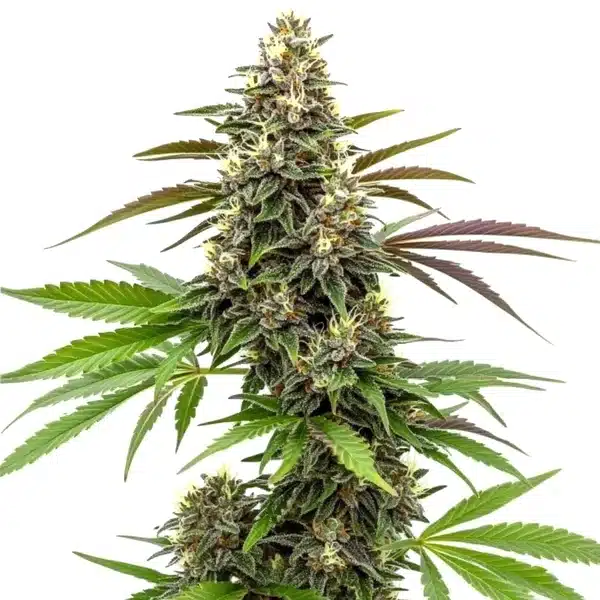
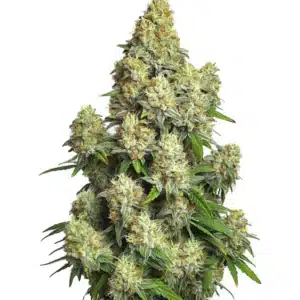
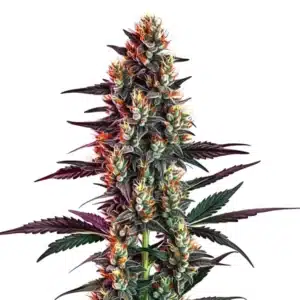
White AK 47
|
|
Type | Feminized |
|
|
THC | 18% - 20% (Medium) |
|
|
Phenotype | 70% Indica / 30% Sativa |
|
|
Yield | High |
Promos & Deals

Common Migraine Triggers
Triggers vary but often include stress, poor sleep, certain foods, dehydration, hormonal shifts, bright light and weather changes. Identifying and managing your own triggers is a core part of migraine care.
What Causes Migraines?
The exact cause is not fully understood but involves changes in brain activity affecting nerves, chemicals and blood vessels, with a strong genetic component. This complexity is why no single remedy works for everyone.
How Migraines Affect Daily Life
Beyond pain, migraines can cost work, sleep and social time, and the fear of the next attack adds stress. Effective management aims to reduce both frequency and severity, which is where some people explore cannabis as a complement.
How Cannabis Interacts With the Body
Cannabinoids act on the endocannabinoid system, which helps regulate pain, mood and inflammation, the reason cannabis is studied for migraine symptoms.
Cannabinoids and Their Role
THC may dull pain and nausea but can, in high doses, worsen headaches or cause anxiety. CBD is non-intoxicating and linked with anti-inflammatory, calming effects. Many migraine users prefer balanced or CBD-forward products to limit side effects. Responses vary widely.
Terpenes: The Unsung Heroes
Terpenes shape each strain’s aroma and may influence effects alongside cannabinoids. Myrcene and linalool are associated with relaxation, caryophyllene with easing tension and pinene with clear-headedness. Evidence specific to migraines is limited, so view these as general associations.
Strains People Discuss for Migraines
No strain treats migraines, and this is not a recommendation. People seeking relief with less intensity often lean toward balanced or high-CBD options such as Harlequin or Cannatonic, plus calming indica-leaning strains for rest. Start low and choose with your doctor.
Indica vs Sativa for Migraines
Indica-leaning strains tend to relax the body and aid sleep, which some find helpful during an attack, while sativa-leaning strains are more stimulating and can feel too intense for a migraine. Many prefer balanced hybrids. Individual response matters most.
High CBD vs High THC
Higher-CBD products give relief with little or no high and a lower chance of rebound headaches, while high-THC can help pain but risks worsening symptoms in sensitive users. A balanced ratio is a common middle ground. Not medical advice.
The Entourage Effect
The idea that cannabinoids and terpenes work better together than alone may explain why whole-flower products feel different from isolated compounds. For migraines, this is a theory that informs strain choice, not proven treatment.
Combining With Other Treatments
Cannabis should complement, not replace, prescribed migraine care. It can interact with medications, so never stop or change a treatment without medical guidance, and tell your doctor about any cannabis use.
Legal Note
Medical cannabis access and legality vary by country and US state and change often. Check your local laws and work through a licensed provider. This is not legal or medical advice.
Microdosing and Starting Low for Migraines
With migraines, more is not better. Higher THC doses can sometimes worsen nausea, anxiety or headache, so many people start with a very low amount and increase slowly only if needed. Microdosing, using small, measured doses, aims for relief with minimal intoxication and fewer side effects. Balanced or CBD-forward products are a common starting point for this reason. Keep a simple log of strain, dose and effect to learn what helps you. This is general information, not medical advice, and cannabis is not a substitute for care from a healthcare professional.
Delivery Methods and Onset Time
How you use cannabis changes how fast it acts, which matters when a migraine strikes. Inhalation (vaping) works within minutes, useful for sudden onset, but its effects fade sooner. Tinctures taken under the tongue are relatively fast and easy to dose precisely. Edibles are slow (30-90 minutes) and can be hard to tolerate once nausea sets in. Some people prefer a fast method at the first sign and a longer-lasting one for ongoing symptoms. Whatever the method, start with a small amount. Responses vary widely from person to person. This is not medical advice.
| Goal | Commonly discussed approach |
|---|---|
| Relief with a clear head | Higher-CBD or balanced THC:CBD |
| Pain plus rest during an attack | Relaxing indica-leaning strain, low dose |
| Prone to THC-triggered headaches | Minimize THC; favor CBD |
| Any use | Start low; consult your doctor |

FAQs about Cannabis Strains for Migraines
What are the best strains for migraines?
There is no single best strain, since cannabis is not a proven migraine treatment. People seeking relief with fewer side effects often choose balanced or high-CBD options and relaxing indica-leaning strains. Start low, and choose with your doctor’s guidance. This is not medical advice.
How does cannabis help with migraines?
Cannabinoids act on the endocannabinoid system, which influences pain and inflammation, so some people feel eased symptoms. Evidence is mixed and high-THC use can sometimes worsen headaches. Any benefit is symptom-level, not a cure, and responses vary widely between individuals.
Is CBD or THC better for migraine relief?
It depends on the person. CBD is non-intoxicating and less likely to trigger rebound headaches, which many migraine users prefer, while THC may help pain but can worsen symptoms in sensitive people. A balanced ratio is a common compromise. Discuss options with your doctor. Not medical advice.
Can cannabis make a migraine worse?
It can for some people. High-THC doses may increase nausea or anxiety, and overuse is linked to rebound or medication-overuse headaches. Low, measured doses and balanced or CBD-forward products reduce that risk. If cannabis consistently worsens your migraines, stop and speak with a healthcare professional. This is general information, not medical advice.
Is CBD or THC better for migraines?
There is no single answer. Some people find THC helps with pain and nausea, while CBD is non-intoxicating and may support comfort without a high; many prefer a balanced ratio. Research is still limited and responses vary. Start low, track what helps, and consult a healthcare professional. This is general information, not medical advice.