Hydroponic Grow Media: Types and DIY Tips

Hydroponic grow media: Essential for soilless cultivation, hydroponic grow media provide structural support and nutrient delivery to plants. Popular types include clay pebbles, known for excellent drainage, and coco coir, which retains moisture effectively. Selecting the right media depends on the plant’s needs and the grower’s setup, ensuring optimal growth conditions and yield.
Choosing the right hydroponic grow media can significantly impact your plant’s growth, affecting nutrient uptake and root health. While clay pebbles are favored for their drainage, coco coir offers superior moisture retention. Knowing these differences helps you tailor your setup for maximum yield and plant health, ensuring your hydroponic garden thrives.
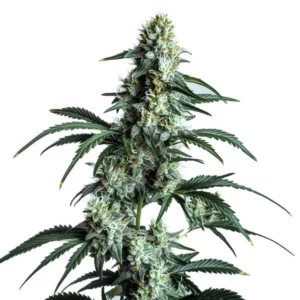
Recommended Strains

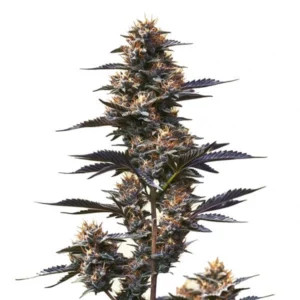
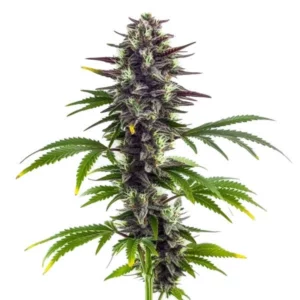
Cafe Racer

|
THC | 25% (High) |

|
Type | Feminized |

|
Yield | Medium |

|
Phenotype | 30% Indica / 70% Sativa |

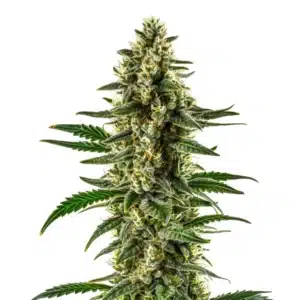
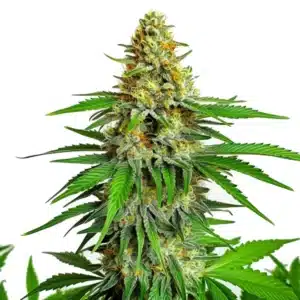
Runtz
|
|
THC | 19% - 22% (Medium) |
|
|
Type | Feminized |
|
|
Yield | Medium |
|
|
Phenotype | 50% Indica / 50% Sativa |
Hydroponic Grow Media Explained
What is Hydroponic Grow Media?
Hydroponic grow media are materials that support plant roots in a soilless environment, facilitating nutrient uptake. Unlike traditional soil, these media do not provide nutrients themselves but help deliver nutrient solutions directly to the roots. Materials like clay pebbles and rock wool are common, each offering unique benefits like aeration and moisture retention.
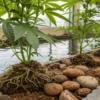
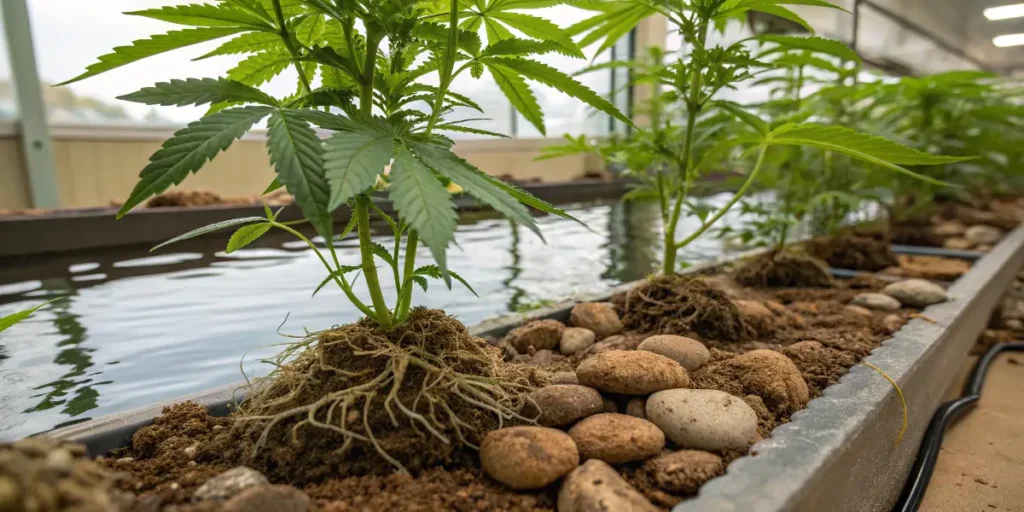
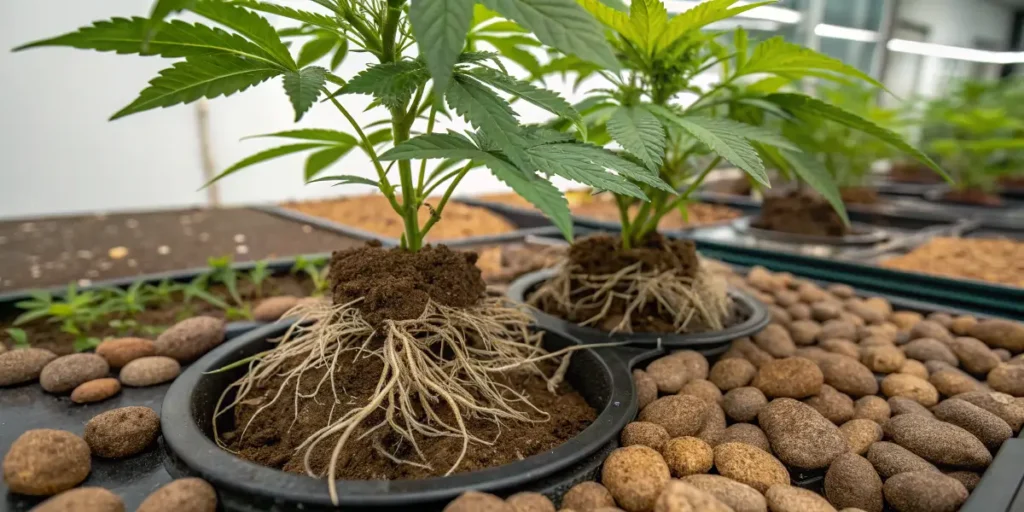
Clay pebbles, for instance, are lightweight and provide excellent drainage, preventing root rot. They are typically used in systems where water is frequently recirculated. On the other hand, coco coir retains moisture well, making it ideal for systems where water conservation is crucial. Each medium has its own set of properties that cater to different plant needs.
Experienced growers often choose media based on plant type and growth stage. For instance, seedlings may benefit from the moisture retention of coco coir, while mature plants might thrive better with the aeration provided by clay pebbles. Selecting the right media is crucial for achieving optimal growth conditions.
Benefits of Using Hydroponic Media
Hydroponic media offer several advantages over traditional soil. They allow precise control over nutrient delivery, which can lead to faster growth rates and higher yields. For example, plants grown in hydroponic systems can mature up to 25% faster than those in soil. This is because nutrients are delivered directly to the roots, minimizing waste and maximizing efficiency.
Another benefit is the reduction of pests and diseases. Soilless media do not harbor pathogens that are commonly found in soil, reducing the risk of plant diseases. This leads to healthier plants and less reliance on chemical pesticides. Additionally, hydroponic systems often require less water, making them more sustainable and environmentally friendly.
Many cultivators also appreciate the flexibility of hydroponic systems. They can be set up in small spaces, making them ideal for urban gardening. The ability to control environmental conditions such as pH and nutrient levels allows for the cultivation of a wide variety of plants, from leafy greens to flowering herbs.
Promos & Deals

Types of Hydroponic Media
Inorganic vs Organic Media
Hydroponic media can be broadly categorized into inorganic and organic types. Inorganic media, such as clay pebbles and perlite, are mineral-based and do not decompose. They offer excellent drainage and aeration, making them ideal for systems where water is recirculated frequently. These media are also reusable, reducing long-term costs.
Organic media, like coco coir and peat moss, are derived from natural sources and can decompose over time. They are known for their ability to retain moisture, which is beneficial in systems where water conservation is important. However, they may need to be replaced more frequently than inorganic media.
Choosing between inorganic and organic media depends on your specific needs. If you’re looking for a low-maintenance option, inorganic media might be the best choice. However, if water retention is a priority, organic media could be more suitable. Each type has its own set of advantages that cater to different growing conditions.
Popular Types of Hydroponic Media
Among the popular types of hydroponic media, clay pebbles and coco coir stand out. Clay pebbles, also known as hydroton, are favored for their excellent drainage and aeration properties. They are lightweight, reusable, and provide a stable base for plant roots. This makes them ideal for ebb and flow systems.
Coco coir, derived from coconut husks, is another popular choice due to its high water retention and pH neutrality. It is often used in drip systems and can be mixed with other media to enhance its properties. Coco coir is also biodegradable, making it an environmentally friendly option.
Other examples include rock wool, which is known for its excellent moisture retention, and perlite, which provides superior aeration. Each of these media offers unique benefits, and the choice often depends on the specific requirements of the plants being grown.
| Feature | Clay Pebbles | Coco Coir | Rock Wool |
|---|---|---|---|
| Water Retention | Low | High | High |
| Aeration | Excellent | Good | Moderate |
| pH Neutral | Yes | Yes | No |
| Reusability | High | Moderate | Low |
| Environmental Impact | Low | Low | Moderate |
Choosing the Right Media for Your Plants
Factors to Consider
When selecting hydroponic grow media, consider factors such as water retention, aeration, pH level, and reusability. For instance, if you’re growing plants that require a lot of water, a medium like coco coir, which retains moisture well, might be ideal. Conversely, for plants that prefer drier conditions, clay pebbles could be more suitable.
Another important factor is the type of hydroponic system you’re using. Drip systems, for example, benefit from media with high water retention, while ebb and flow systems work well with media that drain quickly. Additionally, consider the environmental impact of the media, especially if sustainability is a priority for you.
Growers also need to consider the cost and availability of the media. While some media like clay pebbles are reusable and cost-effective in the long run, others like rock wool may need frequent replacement, increasing costs. Balancing these factors is key to choosing the right media for your hydroponic setup.
Hydroponic Growing Medium DIY
Creating your own hydroponic growing medium can be a cost-effective and rewarding process. Start by selecting a base material, such as perlite or vermiculite, which are both lightweight and provide good aeration. Mix these with a moisture-retentive material like coco coir to balance the media’s properties.
To enhance nutrient delivery, consider adding a small amount of compost or worm castings to your DIY mix. This can provide beneficial microorganisms that support plant health. Ensure that the pH level of your mix is neutral, around 6.0 to 7.0, to avoid nutrient lockout.
DIY hydroponic media allow you to tailor the properties to your specific needs, whether you’re growing leafy greens or flowering plants. Experiment with different ratios and materials to find the perfect balance for your plants. Remember, the key is to maintain a balance between aeration and moisture retention.
Professional Tips for Hydroponic Success
- Maintain a pH level of 5.5-6.5 in your nutrient solution to ensure optimal nutrient uptake. Deviations can lead to nutrient lockout.
- Use a digital hygrometer to monitor humidity, keeping it between 50-70% to prevent mold while promoting healthy growth.
- Ensure your grow lights provide 800-1000 µmol/m²/s at peak flowering to maximize photosynthesis and yield.
- Regularly clean and sterilize your hydroponic system to prevent algae and pathogen buildup, which can occur within 48 hours in stagnant conditions.
- Adjust nutrient concentrations based on plant growth stage, using an N:P:K ratio of 3:1:2 during vegetative and 1:3:2 during flowering.
- Monitor water temperature, keeping it between 65-75°F (18-24°C) to prevent root shock and promote nutrient absorption.
FAQs About Hydroponic Grow Media
What is the best growing media for hydroponics?
The best hydroponic grow media depends on your specific system and plant needs. Clay pebbles are excellent for aeration, while coco coir retains moisture well. For beginners, starting with coco coir can be beneficial due to its water retention and ease of use, supporting healthy root development.
What are some good growing media for hydroponics?
Good hydroponic media include clay pebbles, coco coir, and rock wool. Clay pebbles offer excellent drainage, coco coir provides moisture retention, and rock wool supports root growth. Each has unique benefits, and the choice depends on the plant type and hydroponic system used.
Can I make my own hydroponic solution?
Yes, you can create your own hydroponic solution by mixing essential nutrients like nitrogen, phosphorus, and potassium. Ensure the solution’s pH is between 5.5 and 6.5 for optimal nutrient uptake. Homemade solutions offer customization but require careful monitoring to maintain balance.
What are the different types of growing media used in hydroponics?
Hydroponic systems use various media, including clay pebbles, coco coir, and perlite. Each type offers distinct benefits like aeration and moisture retention. The choice of media affects root health and nutrient delivery, impacting overall plant growth and yield.
How do I choose the right hydroponic media for my plants?
Choose hydroponic media based on water retention, aeration, and pH level. Consider the plant’s water needs and the hydroponic system used. For example, coco coir is ideal for moisture-loving plants, while clay pebbles suit systems requiring excellent drainage.