What Does Perlite Do in Soil: Benefits and Uses

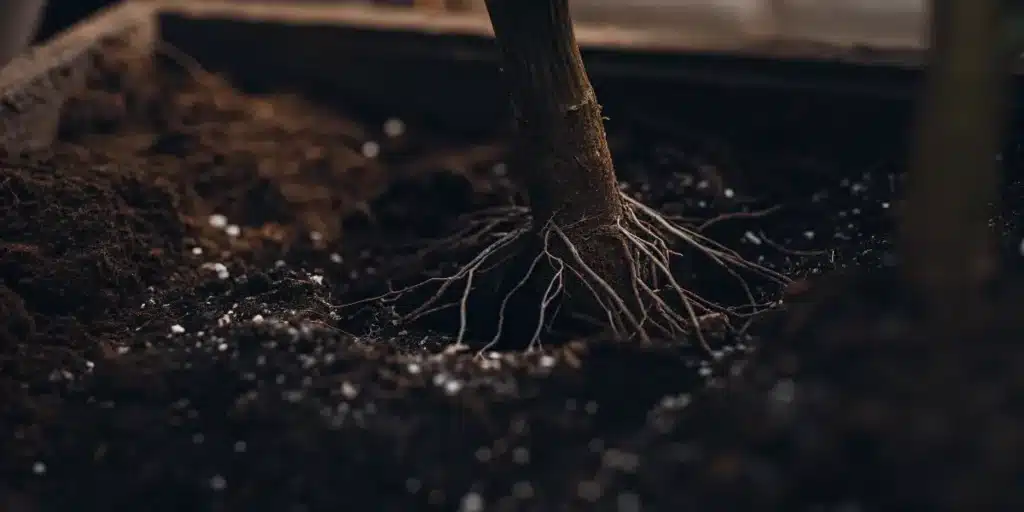
Perlite’s Benefits in Soil: Perlite, a lightweight volcanic glass, enhances soil by improving aeration and speeding up water drainage. This prevents soil from becoming too compact, allowing roots to breathe and grow without rotting. It is particularly effective in maintaining root health, which can be improved by up to 30% when perlite is incorporated into soil mixes.
Perlite is a game-changer for soil health, offering unique benefits for both indoor and outdoor plants. Its inclusion in soil mixes can significantly boost root health by up to 30%, while also helping to prevent common issues like root rot. With its ability to improve soil structure, perlite is an essential component for gardeners looking to optimize plant growth.
Recommended Strains

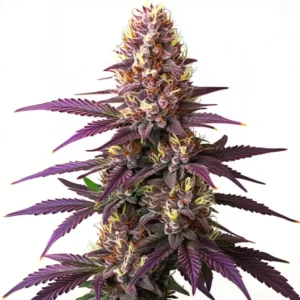
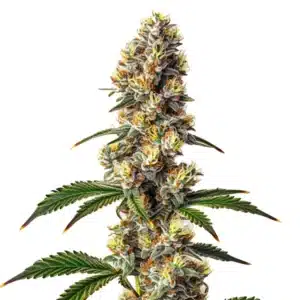
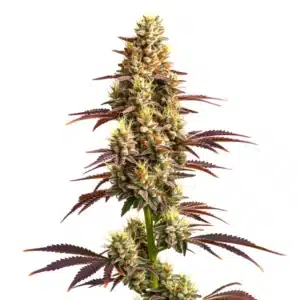
GG4

|
THC | 27% (High) |

|
Type | Feminized |

|
Yield | High |

|
Phenotype | 40% Indica / 60% Sativa |

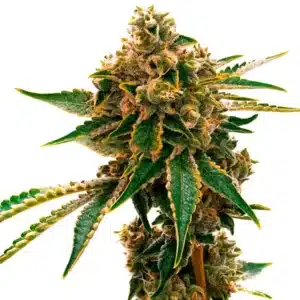
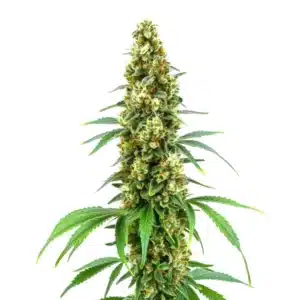
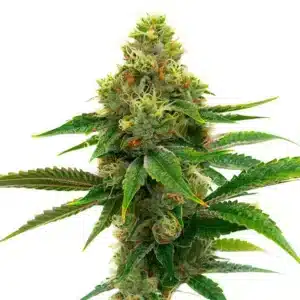
Fat Bastard
|
|
THC | 30% - 38% (High) |
|
|
Type | Feminized |
|
|
Yield | High |
|
|
Phenotype | 50% Indica / 50% Sativa |
Perlite: Composition and Benefits
What is Perlite Made From?
Perlite originates from volcanic glass, which undergoes rapid heating to expand into a lightweight, porous material. This transformation occurs at temperatures around 1,650°F (900°C), resulting in a material that is both durable and versatile. Its expanded form is ideal for enhancing soil aeration and drainage, crucial for healthy plant growth.
In its expanded state, perlite is about 70% porous, allowing it to retain moisture while simultaneously promoting excellent drainage. This dual capability makes it an invaluable addition to various soil types, improving their overall structure and nutrient availability.
Benefits of Perlite in Soil for Plants
Perlite improves soil aeration and drainage, crucial for plant health. By preventing soil compaction, it allows roots to access oxygen more efficiently, which is vital for photosynthesis and nutrient uptake. This is particularly beneficial for plants like cannabis, which require well-aerated soil to thrive.
Adding perlite to soil enhances its structure and promotes healthy root development. This is especially important in potting mixes, where space is limited, and compaction can severely restrict root growth. A typical mix might include 10-20% perlite to achieve optimal results.
Promos & Deals


What Does Perlite Do in Soil?
Benefits of Perlite in Soil for Plants
Perlite’s inclusion in soil mixes is a boon for plant roots, offering improved aeration and drainage. This is particularly beneficial for cannabis strains like GG4, which thrive in well-aerated environments. By preventing soil compaction, perlite ensures that roots have access to the oxygen they need, promoting robust growth.
For indoor plants, perlite is indispensable as it prevents overwatering and root rot, common issues in enclosed environments. Its ability to maintain a balance between moisture retention and drainage makes it a favorite among indoor gardeners.
How Much Perlite to Add to Soil
Typically, a mix of 10-20% perlite is recommended for most soil types. This proportion ensures that soil retains enough moisture while providing excellent drainage. For heavy clay soils, a higher percentage may be necessary to achieve the desired aeration and drainage.
Incorporating the right amount of perlite can significantly improve soil structure, leading to healthier plants and more abundant yields. Overuse, however, can lead to overly dry soil, so it’s important to find the right balance for your specific plant needs.
How to Use Perlite in Potting and Indoor Plants
What Does Perlite Do in Soil for Potting?
In potting soil, perlite prevents compaction and enhances root growth. It creates air pockets within the soil, allowing roots to expand freely and access necessary nutrients. This is crucial for potted plants, which often suffer from restricted root space.
Indoor plants benefit from perlite as it prevents overwatering and root rot. By improving drainage, perlite helps maintain the delicate balance of moisture needed for indoor environments, ensuring that plants remain healthy and vibrant.
How Much Perlite to Add to Soil
For most indoor plants, incorporating 10-20% perlite into the potting mix is ideal. This ratio provides sufficient drainage while retaining enough moisture for plant roots. Adjustments may be needed based on specific plant requirements and environmental conditions.
When using perlite, ensure that it is evenly mixed throughout the soil to prevent uneven drainage and moisture retention. This uniformity is key to maximizing the benefits of perlite in your potting mix.
Perlite vs Vermiculite: Which is Better for Your Plants?
What Does Vermiculite Do in Soil?
Vermiculite retains more moisture than perlite, making it suitable for water-loving plants. It is a mineral that expands when heated, similar to perlite, but its structure allows it to hold more water, making it ideal for plants that require consistent moisture levels.
While both perlite and vermiculite improve soil aeration, vermiculite’s moisture retention properties make it better suited for certain plant types. Choosing between the two depends on the specific needs of your plants and the growing environment.
Comparison of Perlite and Vermiculite
Perlite is preferred for plants that require excellent drainage, while vermiculite is better for those needing more moisture retention. Both materials enhance soil aeration, but their differing properties make them suitable for different plant types and growing conditions.
| Feature | Perlite | Vermiculite | Coco Coir |
|---|---|---|---|
| Water Retention | Low | High | Moderate |
| Aeration | High | Moderate | High |
| pH Neutrality | Yes | Yes | Yes |
| Weight | Light | Medium | Light |
| Cost | Moderate | Moderate | Low |
Common Questions About Perlite Use
What Does Perlite Do in Soil Reddit?
According to discussions on Reddit, perlite is favored for its lightweight and effective drainage properties. Users often highlight its ability to prevent root rot and overwatering, making it a popular choice among indoor gardeners. Its versatility and ease of use are frequently mentioned as key benefits.
Professional Tips for Using Perlite
- Maintain a 10-20% perlite mix in soil to ensure optimal drainage and root health. Overuse can lead to dry soil, so balance is key.
- For heavy clay soils, increase perlite content to improve aeration and prevent compaction.
- Use perlite in potting mixes to enhance root growth, especially in limited space environments like pots.
- Monitor moisture levels regularly to prevent overwatering, a common issue in indoor gardening.
- Combine perlite with organic matter to improve nutrient retention and availability for plants.
- Regularly check for signs of root rot, adjusting perlite content as needed to maintain healthy roots.
FAQs about what does perlite do in soil
What plants don’t like perlite?
Plants that thrive in consistently moist environments, such as ferns, may not benefit from perlite’s excellent drainage properties. These plants prefer soil that retains moisture, so using vermiculite or adding organic matter might be more suitable. Always tailor your soil mix to the specific needs of your plants.
Is it good to mix perlite with soil?
Mixing perlite with soil is beneficial for improving aeration and drainage. A typical mix includes 10-20% perlite, which helps prevent soil compaction and enhances root growth. This is especially useful for plants like cannabis that require well-drained soil to thrive.
What are the drawbacks of using perlite?
While perlite improves drainage, it can lead to overly dry soil if used excessively. This is particularly problematic in arid climates or for plants that require consistent moisture. Adjust the perlite content based on environmental conditions and plant needs to avoid this issue.
What plants grow best in perlite?
Plants that prefer well-drained soil, such as succulents and cacti, thrive with perlite. Its ability to prevent overwatering makes it ideal for these plants, which are prone to root rot in overly moist conditions. Adjust the perlite content to suit specific plant requirements.
Can perlite be reused?
Yes, perlite can be reused after cleaning. Rinse it thoroughly to remove any residual soil or plant matter, and sterilize it by soaking in a mild bleach solution. Reusing perlite is cost-effective and environmentally friendly, making it a sustainable choice for gardeners.