Cannabis Pest Prevention: Stopping Bugs Before They Start

Fighting a pest infestation mid-flower is stressful, messy, and often too late to fully win. Preventing one is cheap, quiet, and almost invisible, which is exactly why it gets overlooked. The growers who rarely battle bugs are not lucky; they have built a handful of habits that stop pests from ever getting a foothold, and those habits are easy to copy.
Why prevention beats treatment
Once a pest population establishes itself on a flowering plant, your options narrow fast. Many treatments cannot be sprayed on buds you intend to smoke, the pest may already have damaged the harvest, and you are now reacting on its timeline instead of your own. Prevention flips that: a little routine effort early removes the conditions pests need, so you spend the season watching rather than scrambling.
Recommended Strains
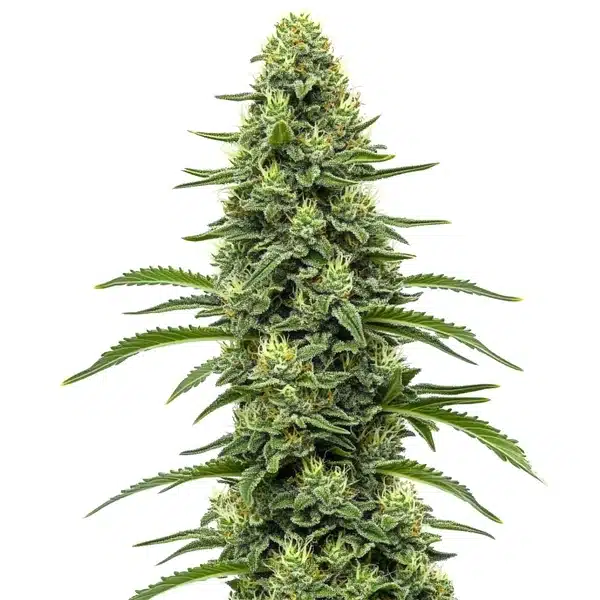
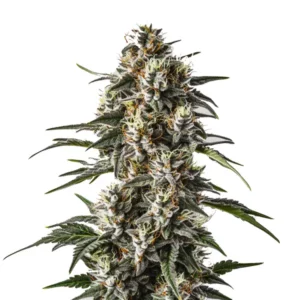
Skywalker

|
THC | 21% (Medium) |

|
Type | Feminized |

|
Yield | Medium |

|
Phenotype | 45% Indica / 55% Sativa |

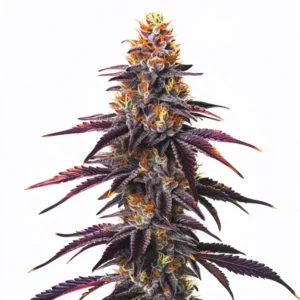
Sirius Black
|
|
THC | 15% - 25% (High) |
|
|
Type | Feminized |
|
|
Yield | High |
|
|
Phenotype | 60% Indica / 40% Sativa |
This is the core idea behind integrated pest management, the approach professional growers use. It layers prevention first, then monitoring, then gentle biological controls, and only reaches for stronger treatments as a last resort, keeping both the plant and the final product clean along the way.
Promos & Deals
Keep your grow space clean and sealed
Most infestations are invited in. Pests and their eggs hitch rides on clothing, pets, used equipment, and especially new plants, so the first line of defense is simply denying them the door. Keep the grow area tidy and free of dead plant debris, disinfect tools and pots between cycles, and avoid reusing substrate from a grow that had problems.
Quarantine is the habit that saves the most crops. Any new clone or plant coming from outside should sit apart for a couple of weeks, inspected under magnification, before it ever joins your garden, because a single infested cutting can seed a whole room. Indoors, insect screens over intake vents and a tidy perimeter outdoors both cut off the easy entry routes.
Scout early and often
You cannot prevent what you never look for. The single most valuable habit is regular, deliberate inspection: turning leaves over to check the undersides, looking into the growing tips, and watching for the first stippling, webbing, frass, or curl that signals trouble. A few minutes every couple of days catches nearly everything while it is still easy to handle.
Simple tools make scouting sharper. Yellow and blue sticky traps near the canopy give an early, objective read on flying pests before you can spot them on the plant, and a cheap loupe lets you confirm the tiny mites the naked eye misses. Catching a problem in week one instead of week five is the whole difference between a quick wipe and a drawn-out war.
Build a garden that fights back
A healthy plant resists pests far better than a stressed one, so sound basics, steady watering, balanced feeding, and a stable environment, are quietly part of pest prevention. Weak, overwatered, or nutrient-starved plants send out stress signals that many pests home straight in on.
Biology helps too. Encouraging or introducing beneficial insects turns your garden into a place where pests get eaten before they multiply, and ladybugs and other predators earn their keep against aphids and mites. Outdoors, a diverse planting with aromatic companion herbs confuses and repels many pests, and keeping the ground around the plants weed-free removes the shelter they breed in. Our guide to protecting an outdoor grow from bugs goes deeper on the outdoor side.
Genetics quietly help as well. Vigorous, resilient varieties shrug off the minor pressure that would stall a weaker plant, and hardy, mold- and pest-resistant lines are a sensible starting point for anyone who has struggled before. A tough plant is simply one less thing you have to defend through the season.
Match prevention to the stage of the grow
What you watch for shifts as the plant grows. In the seedling and clone stage the priority is quarantine and clean hands, since young plants tolerate very little damage and most new introductions happen right here. Through vegetative growth the focus moves to active scouting and encouraging beneficial insects, because this is the long stretch where a small population has time to establish itself unnoticed.
By flowering, the emphasis turns to protecting the buds and avoiding anything that would leave residue on them. Treatment options narrow sharply once flowers form, so the work you did earlier is what pays off now, and the main jobs become holding humidity and airflow in range and catching any late arrivals before they reach the colas.
Know the pests you are preventing
Prevention is sharper when you know the usual suspects. Spider mites thrive in hot, dry, stagnant air and spin fine webbing; caterpillars hatch from moth eggs and tunnel into colas; and fungal problems like bud rot move in wherever humidity sits high around dense flowers. Each has its own triggers, which is why environment control is such a large part of keeping them away.
When you do find something, match the response to the pest and keep it as gentle as possible. Our detailed guides to spider mites on cannabis and gray mold and bud rot cover treatment once prevention has slipped, but the entire point of good habits is to need those guides as rarely as possible.
Frequently Asked Questions
What is the best way to prevent pests on cannabis?
There is no single trick; it is a stack of habits. Keep the space clean, quarantine every new plant, scout the undersides of leaves every few days, keep plants healthy and unstressed, and control humidity and airflow. Together these remove the conditions pests need and catch any that slip through while it is early.
How do pests get into a grow room in the first place?
Almost always as hitchhikers. They ride in on new clones and plants, on clothing and pets, on reused pots and tools, and through open doors or unscreened vents. Infested substrate from a previous grow is another common source, which is why quarantine and sanitation between cycles matter so much.
Do sticky traps help prevent cannabis pests?
Sticky traps do not prevent pests so much as detect them early, which amounts to much the same protection. Yellow and blue traps near the canopy catch flying insects before you would notice them on the plant, giving you an objective warning to act while the problem is still small and manageable.
Can healthy plants resist pests on their own?
To a degree, yes. A vigorous, well-fed plant in a stable environment is far less attractive and more resilient than a stressed one, and it recovers better from minor feeding damage. Good basics will not stop a serious infestation alone, but they make your garden a much harder target to begin with.
What is integrated pest management for cannabis?
Integrated pest management, or IPM, is a layered strategy: prevent first with clean habits and healthy plants, monitor constantly by scouting and trapping, then use gentle biological controls, saving stronger treatments for a last resort. It keeps pest numbers below harmful levels while keeping the finished flower clean.