Growing Cannabis Hydro: A Step-by-Step Guide

Hydroponic Growth Explained: Growing refers to the process of becoming larger, multiplying in quantity, or evolving over time. It encompasses physical growth, numerical increase, or the expansion of concepts. In hydroponics, this involves cultivating plants without soil, using nutrient-rich water solutions to optimize growth and yield. This method can boost cannabis yields by up to 30% compared to traditional soil methods.
Growing cannabis hydroponically offers a unique approach to cultivation, enhancing terpene profiles and reducing flowering time to as little as 8 weeks. This method allows for precise control over environmental factors, leading to more robust plant growth. Whether you’re a beginner or a seasoned grower, mastering hydroponic techniques can significantly improve your cannabis cultivation results.
Recommended Strains

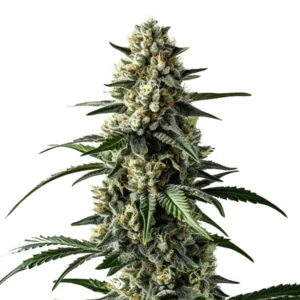
Blue Dream

|
THC | 17% - 24% (High) |

|
Type | Feminized |

|
Yield | High |

|
Phenotype | 50% Indica / 50% Sativa |
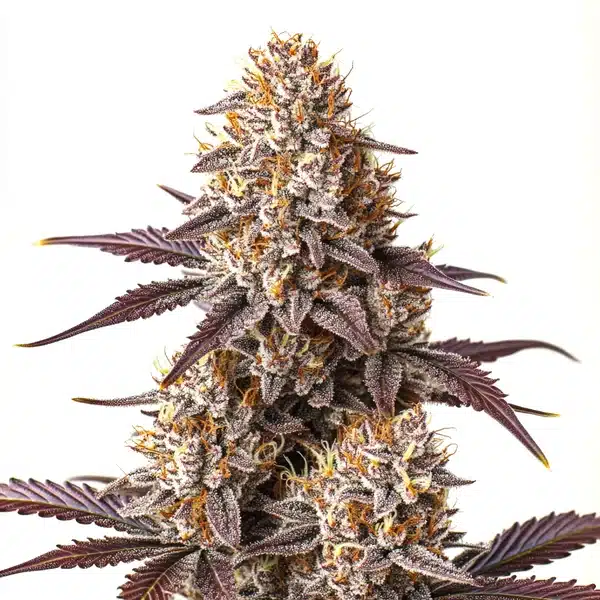
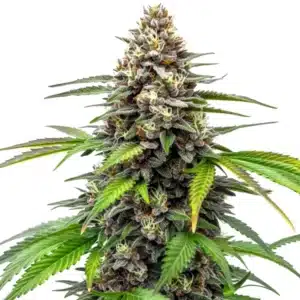
Critical Bilbo Auto
|
|
THC | 12% - 14% (Low) |
|
|
Type | Autoflowering |
|
|
Yield | High |
|
|
Phenotype | 75% Indica / 25% Sativa |
Hydroponic Cannabis Growing: An Overview
What is Hydroponics?
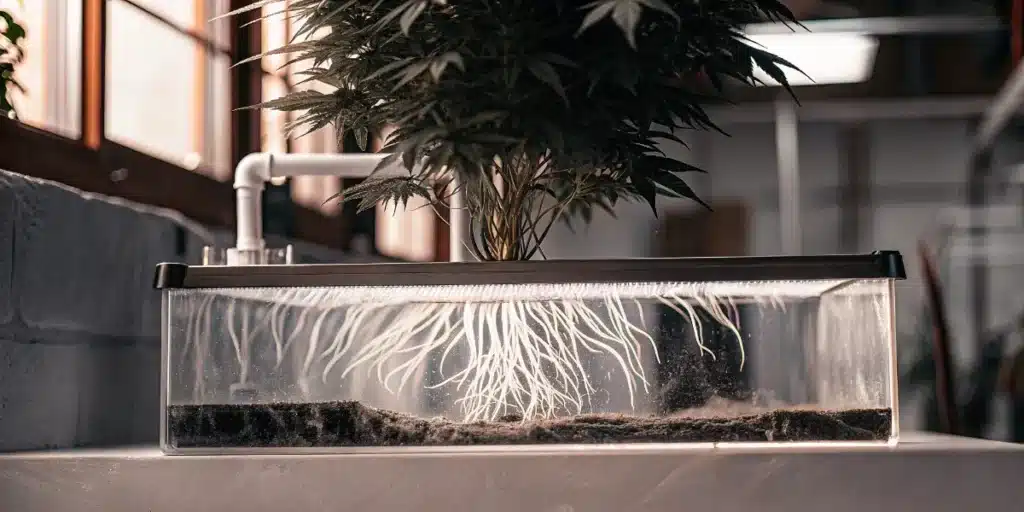
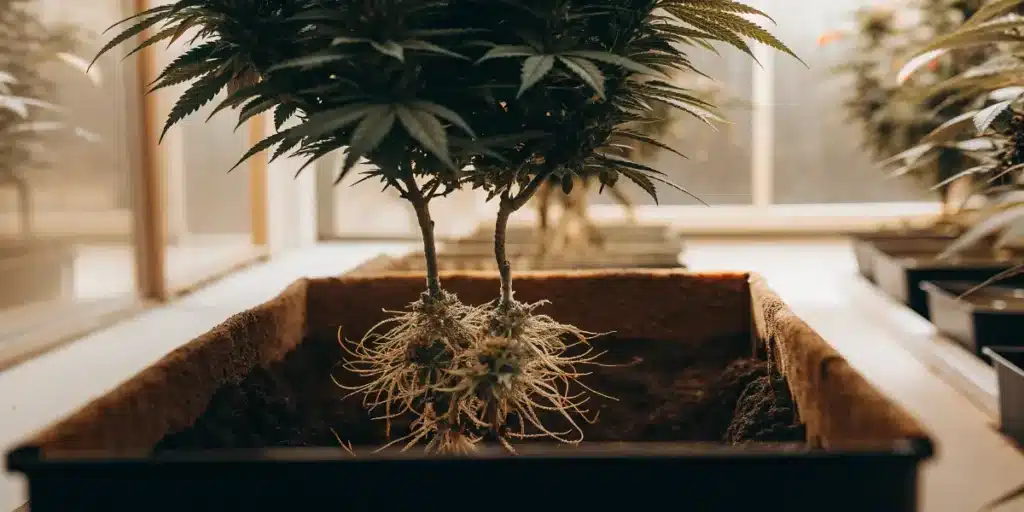
Hydroponics is a method of cultivating plants without soil, using a nutrient-rich water solution. This system allows for precise control over the growing environment, optimizing conditions for cannabis plants. Cultivating cannabis hydroponically involves understanding the plant’s needs and providing them through a carefully managed system.
In hydroponics, plants are supported by inert mediums like clay pellets or rock wool, and nutrients are delivered directly to the roots. This method can significantly reduce the growing season, allowing for multiple harvests per year. Experienced growers report that hydroponic systems can increase yields by up to 30%, with THC levels reaching 25-30% depending on the strain.
Promos & Deals
Benefits of Growing Cannabis Hydro
Enhanced Control and Yield
Growing cannabis hydroponically provides enhanced control over plant growth conditions, leading to higher potency and yield. This method allows growers to tailor the nutrient mix to the specific needs of the cannabis strain, optimizing growth and cannabinoid production. For instance, maintaining a pH of 5.5-6.5 can maximize nutrient uptake.
Hydroponic systems also reduce the risk of soil-borne pests and diseases, which can devastate crops. By eliminating soil, growers can focus on maintaining optimal conditions, such as a relative humidity of 40-50% during flowering and temperatures between 68°F and 77°F (20°C and 25°C), ensuring healthy plant development.
Choosing the Right Hydroponic System
Types of Hydroponic Systems
Selecting the right hydroponic system is crucial in cannabis cultivation. Common systems include Deep Water Culture (DWC), Nutrient Film Technique (NFT), and Ebb and Flow. Each system has its advantages, such as DWC’s simplicity and NFT’s efficiency in nutrient delivery.
When choosing a system, consider factors like space, budget, and the specific needs of your cannabis strain. For example, DWC is ideal for beginners due to its straightforward setup, while advanced growers might prefer NFT for its precise nutrient management capabilities.
Step-by-Step Guide to Growing Cannabis Hydro
Setting Up Your System
Begin by selecting a suitable location with access to electricity and water. Ensure your setup includes a reservoir, grow lights, and ventilation to maintain optimal conditions. Install a reliable lighting system, such as LED lights, which provide the necessary spectrum for cannabis growth. Aim for 18-24 inches (45-60 cm) above the canopy for optimal light penetration. Ensure your system can maintain temperatures between 68°F and 77°F (20°C and 25°C) to promote healthy growth.
Nutrient Management
Cannabis plants require a balanced nutrient solution for optimal growth. Use a nutrient mix with a ratio of N:P:K 3:1:2 during the vegetative stage and 1:3:2 during flowering. Regularly monitor and adjust the pH to remain between 5.5 and 6.5 for maximum nutrient absorption. Ensure your plants receive adequate calcium and magnesium, which are essential for cell wall development and chlorophyll production. Many cultivators share that deficiencies in these nutrients can lead to stunted growth and reduced yields.
Monitoring and Maintenance
Growing cannabis hydroponically requires diligent monitoring and maintenance to ensure optimal plant health. Regularly check the nutrient levels, pH, and water temperature to prevent issues. Use a digital meter to measure electrical conductivity (EC) and ensure it stays within the recommended range of 1.0-2.5 mS/cm. Master growers have pointed out that maintaining a stable environment is key to preventing stress and maximizing yield. Implement a schedule for changing the nutrient solution every 7-14 days to prevent nutrient lockout and maintain plant health.
| Feature | GG4 | Blue Dream | Critical Bilbo Auto |
|---|---|---|---|
| THC Percentage | 27% | 17-24% | 12-14% |
| Flowering Time | 8-10 weeks | 8-10 weeks | 8-10 weeks |
| Yield Indoor | 1.64 – 1.97 oz/ft² | 500 – 600 g/m² | 1.97 oz/ft² | 600 g/m² | 1.8 – 1.97 oz/ft² | 550 – 600 g/m² |
| Dominant Terpene | Humulene | Myrcene | Limonene |
| Effect Profile | Happy, Relaxed, Talkative | Happy, Relaxed, Talkative | Euphoric, Happy, Relaxed |
Common Challenges and Solutions
Pest and Disease Management
Hydroponic systems reduce the risk of soil-borne pests and diseases, but they are not immune to issues. Common problems include root rot and algae growth, which can be mitigated by maintaining a clean system and using beneficial bacteria. Ensure your system is well-ventilated to prevent mold and mildew.
Experienced growers report that using a UV sterilizer can help control algae and pathogens in the nutrient solution. Regularly inspect your plants for signs of stress or infestation and address issues promptly to prevent crop loss.
Professional Tips for Hydroponic Success
- Maintain 58-62% RH during cure. Below 55% arrests terpene development; above 65% promotes Botrytis within 48h. Check with a calibrated digital hygrometer, never analog.
- Use a nutrient solution with a ratio of N:P:K 3:1:2 during vegetative growth and 1:3:2 during flowering for optimal results.
- Ensure your hydroponic system’s pH remains between 5.5 and 6.5 to maximize nutrient uptake and prevent deficiencies.
- Regularly monitor and adjust the EC levels in your nutrient solution to stay within 1.0-2.5 mS/cm for healthy plant growth.
- Implement a schedule for changing the nutrient solution every 7-14 days to prevent nutrient lockout and maintain plant health.
- Install a reliable lighting system, such as LED lights, which provide the necessary spectrum for cannabis growth. Aim for 18-24 inches (45-60 cm) above the canopy for optimal light penetration.
Frequently Asked Questions
What is a better word for growing?
A better word for growing in the context of cultivation is “cultivating.” This term specifically refers to the process of nurturing plants to maturity. In hydroponics, cultivating involves managing nutrient solutions and environmental conditions to optimize plant growth and yield, often resulting in THC levels of 20-30%.
What is meant by growing?
In hydroponics, growing means cultivating plants without soil, using nutrient-rich water solutions. This method allows for precise control over environmental factors, enhancing growth rates and yields. Hydroponic systems can boost yields by up to 30% compared to traditional soil methods, with flowering times as short as 8 weeks.
What is a better word for growth?
A better word for growth in plant cultivation is “development.” This term encompasses the entire process of a plant’s life cycle, from seedling to harvest. In hydroponics, development is optimized through controlled nutrient delivery and environmental management, leading to increased yields and potency.
What is growing in life?
Growing in life refers to the natural process of development and maturation. In the context of hydroponics, it involves nurturing cannabis plants through controlled environmental conditions to achieve optimal growth and yield. This method can produce THC levels of 20-30% and yields of 1.5-2 oz/ft² (450-600 g/m²).
How does hydroponic growing affect cannabis yield?
Hydroponic growing can significantly increase cannabis yield by providing precise control over nutrients and environmental conditions. This method can boost yields by up to 30% compared to soil-based growing, with THC levels reaching 25-30%. Regular monitoring and maintenance are crucial to achieving these results.