Weed Grading Explained: AAA, AAAA and Deps

Spend any time around cannabis and you will hear a code for quality: single-A, triple-A, quads, deps, top-shelf. It is an informal grading language that sorts flower from bottom of the barrel to connoisseur grade. None of it is an official standard, but the terms are consistent enough to be useful once you know what each one actually points to.
Where the weed grading scale comes from
The A-based system started in Canada and spread through North America as a shorthand dispensaries and growers used to describe quality at a glance. It runs from a single A up to four As, sometimes written as “quads,” with the idea that each extra letter marks a clear step up in how the flower looks, smells, and smokes.
Recommended Strains


It helps to be clear about what the scale is not. There is no laboratory behind it and no agreed rulebook, so one seller’s AAA can be another’s AAAA. Think of it as a useful rough language rather than a precise measurement, closer to how restaurants are described as good, great, or exceptional than to a certified score.
The scale also shifts by region and scene. In some markets “quads” is the everyday word for top-shelf, while others lean on “top-shelf,” “exotic,” or “loud” to mean the same thing, and legal dispensary menus may skip the letters entirely in favor of price tiers. The underlying idea travels, even when the exact vocabulary does not.
Promos & Deals
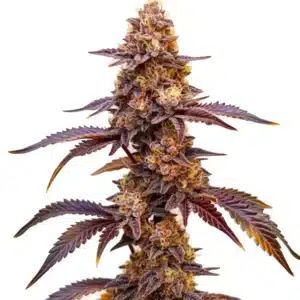
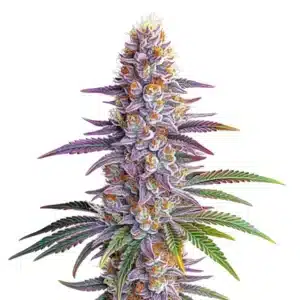
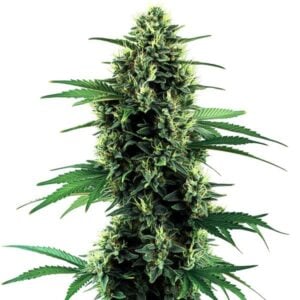
What each grade means
Although the lines are blurry, most people use the tiers in roughly the same way:
- A / AA (low grade): often called dirt weed, schwag, or regs. Brown, dry, seedy, or harsh, with weak aroma and low potency. Usually outdoor-grown with little care.
- AAA (mid to high grade): the broad middle. Green, reasonably trimmed, decent aroma and potency. Solid everyday flower that most people are happy with.
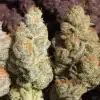
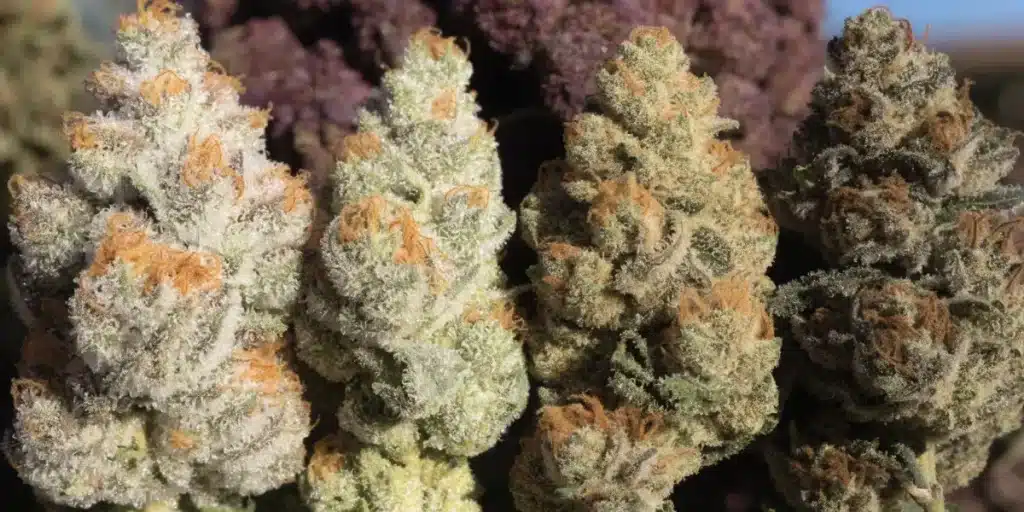
- AAAA / quads (top-shelf): the best tier. Dense, frosty, well-trimmed, intensely aromatic, and potent, grown and cured with real care. This is dispensary connoisseur grade.
You will also hear “five-star” or “AAAA+” thrown around, but those are marketing flourishes more than a real step above quads. Once flower is genuinely top-shelf, extra letters mostly signal enthusiasm rather than a measurable jump.
What actually separates top-shelf from low grade
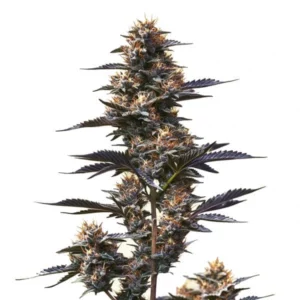
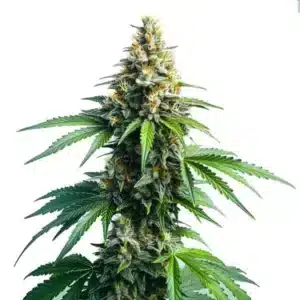
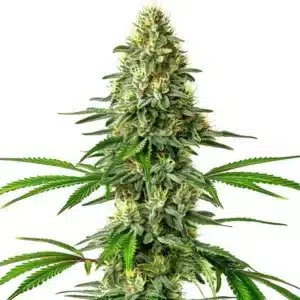
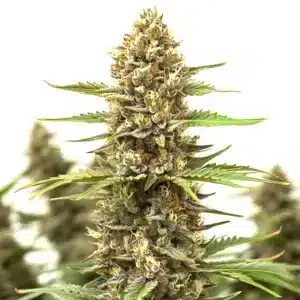
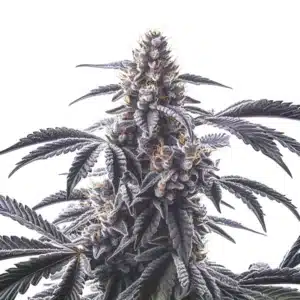
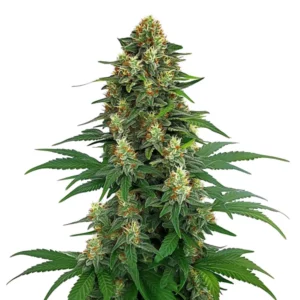
Grading is really a shorthand for a bundle of traits an experienced eye reads at once. The first is bag appeal: color, trichome frost, trim quality, and structure. Top-shelf flower is vivid green with orange hairs, coated in resin, neatly manicured, and free of seeds and stems.
Beyond looks, aroma and the cure do the heavy lifting. A loud, complex smell signals a rich terpene profile, while a proper slow cure is what makes the difference between harsh, hay-like flower and a smooth, flavorful smoke. Potency matters too, but a high number alone does not make top-shelf; poorly grown or badly cured flower can test high and still smoke rough. If you want to see the low end in detail, our look at what low-quality weed looks like covers the warning signs.
Where “deps” fits in
“Deps” is a different kind of label, and it trips people up. It is short for light-deprivation, a growing method where outdoor or greenhouse plants are covered on a schedule to control their light and trigger flowering, letting growers harvest earlier and more often. So deps describes how the flower was grown, not a letter grade.
In practice, though, people use it as a quality signal that sits between full indoor and basic outdoor. Light-dep flower is typically better than open-field outdoor but a notch below premium indoor, so when someone offers “deps” they usually mean mid to upper-mid grade. Our comparison of deps versus indoor weed breaks down how the two really stack up.
How growers reach the top grades
Quads are not luck; they are the product of three things stacked together. It starts with genetics, since a plant can only express the color, aroma, and potency its DNA allows, which is why serious growers begin with quality seeds rather than mystery bag seed.
From there it is environment and finishing. A dialed-in climate, good light, careful feeding, and, above all, an unhurried dry and cure are what turn good genetics into top-shelf flower. Rushing the final steps is the most common way a plant that could have been quads ends up as ordinary AAA, which is why the grade really reflects the grower’s patience as much as the plant.
Why grading matters when you grow your own
For a home grower, the grading scale is less a shopping guide and more a target. It names the traits worth chasing, dense structure, heavy trichomes, loud aroma, a clean cure, and gives you a clear picture of what “top-shelf” actually looks like so you can judge your own harvest honestly against it.
The encouraging part is that quads-level flower is well within reach at home, and often cheaper and fresher than anything on a shelf, because you control every step. Starting from strong high-THC genetics and finishing with a patient cure is how a home grow lands in the top tier rather than the middle of the scale.
Frequently Asked Questions
What does AAAA weed mean?
AAAA, often called quads, is the top tier of the informal cannabis grading scale. It describes dense, frosty, well-trimmed, intensely aromatic, and potent flower grown and cured with real care. It is the connoisseur or top-shelf grade, a clear step above the everyday AAA most people buy.
Is AAAA better than AAA weed?
Yes, within this informal system AAAA ranks above AAA. AAA is solid, everyday mid-to-high grade, while AAAA signals top-shelf quality in appearance, aroma, cure, and potency. Because the scale is not standardized, though, the line between them can shift from one seller to the next.
What does “deps” mean in weed grading?
Deps is short for light-deprivation, a growing method where plants are covered on a schedule to control light and flowering. It describes how the flower was grown rather than a letter grade, though people often use it to mean mid-grade quality: better than open outdoor, below premium indoor.
Is the weed grading scale official?
No. The A-to-AAAA scale is an informal shorthand with no lab, standard, or governing body behind it, so grades vary between sellers. It is a helpful rough language for describing quality, but it is a subjective impression, not a certified measurement you can rely on precisely.
Does higher-grade weed just mean higher THC?
No. Potency is only one factor. Top-shelf grade also reflects appearance, trichome coverage, aroma, trim, and a proper cure. Poorly grown or rushed flower can test high in THC yet still smoke harsh and rate as mid grade, so the letters describe the whole package, not one number.