Essential Guide to Combat Pythium Root Rot in Cannabis Hydroponics

Pythium root rot in cannabis hydroponics is a notorious issue many growers face. This pesky pathogen can wreak havoc on your cannabis plants, turning thriving roots into mush. If left unchecked, it can severely impact yields. But don’t worry, there are ways to tackle this problem head-on.
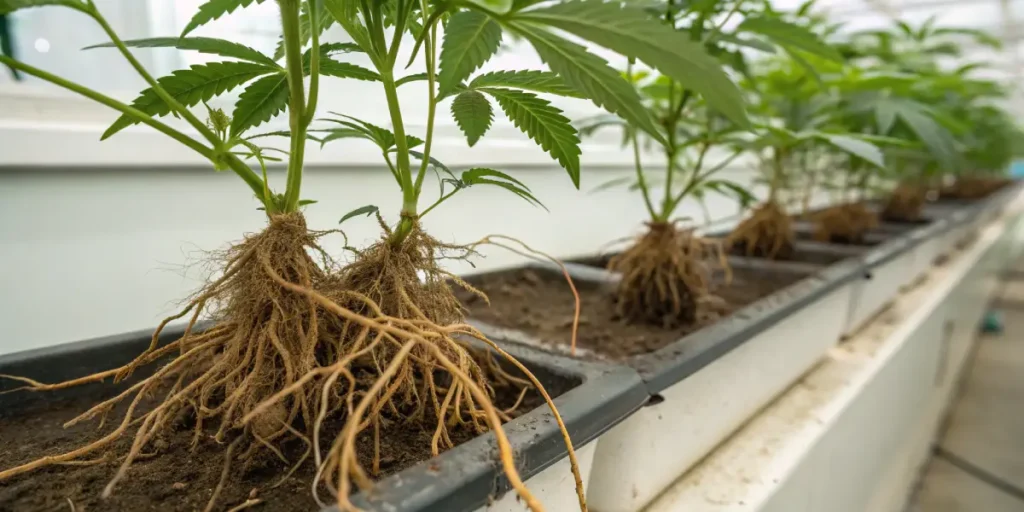
First, let’s consider the symptoms of pythium root rot in cannabis plants. You’ll notice roots turning brown and slimy. The plants may look wilted despite sufficient water. Growth slows down, and leaves might yellow. These signs signal trouble in paradise.
Recommended Strains

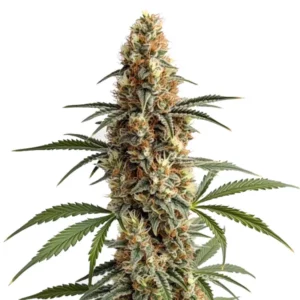
Tangie

|
THC | 19% - 22% (Medium) |

|
Type | Feminized |

|
Yield | High |

|
Phenotype | 30% Indica / 70% Sativa |

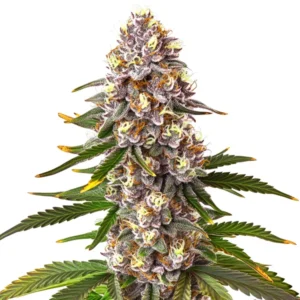
Blackberry Moonrocks
|
|
THC | 26% - 33% (High) |
|
|
Type | Feminized |
|
|
Yield | High |
|
|
Phenotype | 80% Indica / 20% Sativa |
Once you spot these symptoms, it’s time to act. Addressing pythium root rot in cannabis hydroponics requires a multi-faceted approach. This includes making changes to your hydroponic system and applying effective treatments for pythium in hydroponic cannabis. Let’s dive deeper into these strategies.
Identifying Root Rot Causes
Pythium root rot thrives in conditions that many hydroponic setups inadvertently create. High humidity, warm water, and poor oxygenation can turn your system into a breeding ground for pythium. Knowing these causes is crucial for prevention.
One common culprit is inadequate oxygen in the water. Roots need oxygen to breathe, and when they don’t get enough, they become vulnerable to pathogens. Make sure your system has adequate aeration. Air stones or diffusers can be lifesavers in this regard.
It’s important to monitor the nutrient levels in your hydroponic system, as imbalances can weaken your plants, making them more susceptible to pythium root rot in cannabis hydroponics. Regularly check and adjust nutrient concentrations to ensure they are within an optimal range. This proactive approach can also enhance plant resilience and overall health.
Another factor to consider is the cleanliness of your equipment. Dirty or poorly maintained equipment can harbor pathogens, including those responsible for root rot. Implementing a routine cleaning schedule for your hydroponic system will reduce the risk of pythium and other diseases, ensuring a healthy environment for plant growth.
Promos & Deals


Effective Treatments for Pythium
Once pythium takes hold, swift action is necessary. The first step in controlling root rot in cannabis hydroponics systems is to remove affected plants. This prevents the spread of the pathogen to healthy plants.
Next, clean your system. Use a diluted bleach solution or hydrogen peroxide to disinfect. This will help eliminate any lingering pathogens. Thoroughly rinse the system before introducing new plants.
Additionally, consider adjusting your nutrient solution to include silica. Silica strengthens plant cell walls, making them more resistant to infections and stress. It’s an effective treatment for pythium in hydroponic cannabis that can complement other control measures.
Another option is to use commercially available pythium-specific treatments. These products are designed to target pythium pathogens specifically and can be a powerful addition to your arsenal. Always follow the manufacturer’s instructions for dosage and application to maximize their effectiveness.
- Remove affected plants immediately.
- Disinfect the hydroponic system thoroughly.
- Introduce beneficial microbes to the root zone.
Hydroponic System Design to Prevent Pythium
Prevention is always better than cure. Designing your hydroponic system with pythium prevention in cannabis hydroponics in mind can save you a lot of headaches. Start by ensuring proper drainage. Stagnant water is a pythium paradise.
Also, consider deep water culture systems. They can be more resistant to pythium due to better aeration and oxygenation. Pair this with a water chiller to maintain optimal temperatures.
Incorporating an ultraviolet (UV) sterilizer into your hydroponic system can be an effective measure for preventing pythium root rot in cannabis hydroponics. UV sterilizers can help eliminate pathogens present in the water, reducing the chances of infection.
Consider implementing a recirculating hydroponic system to enhance water efficiency and reduce wastage. By filtering and reusing water, you not only conserve resources but also ensure a more consistent nutrient delivery, which can help in pythium prevention in cannabis hydroponics.
Blimburn Seeds Strains for Hydroponics
When selecting cannabis strains for hydroponics, resilience is key. Blimburn Seeds offers strains that can thrive even in challenging conditions. Their Blackberry Moonrocks is a robust strain with a high yield potential, making it a great choice for hydroponic setups.
If you’re looking for something with a quicker flowering time, the GG4 from Blimburn Seeds offers a potent punch with a shorter growth cycle. It’s known for its resilience and ability to produce dense buds.
Another excellent choice from Blimburn Seeds is the Bruce Banner #3. Known for its vigorous growth and high THC levels, this strain is ideal for those seeking potency and productivity in a hydroponic system.
For growers interested in a unique flavor profile, Tangie by Blimburn Seeds offers a citrusy aroma and a lively growth pattern. It performs well in controlled environments and adds variety to your hydroponic garden.
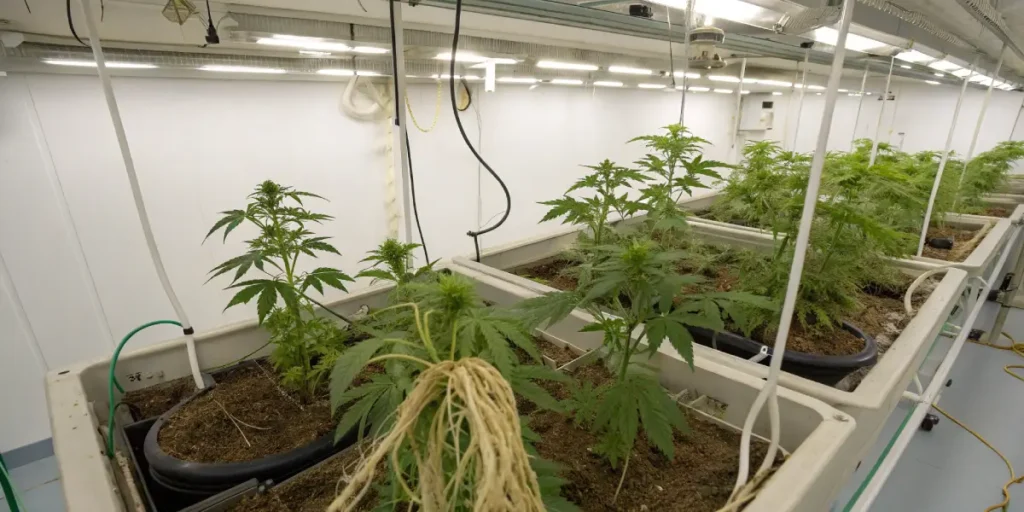
FAQs on pythium root rot in cannabis hydroponics
What is pythium root rot in cannabis hydroponics?
Pythium root rot is a disease that affects the roots of cannabis plants in hydroponic systems. It’s caused by a waterborne pathogen that thrives in wet, warm environments. Once it infects a plant, it can spread rapidly, leading to slimy, brown roots and stunted growth. Early detection and intervention are crucial to prevent it from affecting your entire crop.
The disease can be challenging to manage, especially in hydroponic systems where water circulation can help the pathogen spread. Implementing preventive measures and maintaining a clean system can help keep pythium at bay.
Knowing the life cycle of pythium can aid in developing effective treatments for pythium in hydroponic cannabis. The pathogen has both active and dormant phases, and recognizing these can help in timing your control measures effectively.
Besides, implementing a comprehensive pest management plan can further mitigate the risk. By monitoring for other pests that may carry or exacerbate pythium, growers can maintain healthier plants and reduce overall disease pressure.
How can I prevent pythium in my hydroponic system?
Prevention involves maintaining optimal conditions for your plants while making it difficult for pythium to thrive. Ensure proper oxygenation by using air stones and diffusers. Keep water temperatures below 70°F (21°C) to inhibit pathogen growth. Regularly clean your system and monitor water quality to catch any issues early.
Choosing resistant strains from Blimburn Seeds can also help, as some strains are naturally more resilient to diseases. Implementing a routine check-up schedule will ensure that any potential issues are addressed before they become significant problems.
Another preventive measure is to use reverse osmosis (RO) water in your hydroponic system. RO water is free of impurities and pathogens, providing a cleaner start for your nutrient solution and helping in pythium prevention in cannabis hydroponics.
Implementing a biosecurity protocol, such as using foot baths and protective clothing, can further reduce the risk of pathogen introduction into your growing area. These simple steps can be very effective in maintaining a pythium-free environment.
Can beneficial microbes help combat pythium root rot?
Yes, beneficial microbes can be a powerful ally in fighting pythium. Products that contain beneficial bacteria and fungi can create a competitive environment that makes it hard for pythium to establish itself. These microbes act like probiotics for your plants, promoting healthier root systems.
Incorporating these products into your hydroponic regimen can enhance root health and resilience, reducing the likelihood of pythium outbreaks. It’s a natural and effective way to bolster your plants’ defenses.
To maximize their benefits, introduce beneficial microbes early in the plant’s life cycle. This allows them to establish a strong presence in the root zone before pythium has a chance to take hold.
Regular applications of beneficial microbes can also help maintain a balanced microbial ecosystem in your hydroponic system, further contributing to controlling root rot in cannabis hydroponics systems.
What steps should I take if I suspect pythium root rot?
First, isolate any affected plants to prevent the spread of the disease. Remove them from your hydroponic system carefully. Next, clean and disinfect your system using a diluted bleach solution or hydrogen peroxide. This will help kill any remaining pathogens.
Introduce beneficial microbes to aid in recovery and prevent future outbreaks. Monitor your remaining plants closely for any signs of stress or infection. By being proactive, you can minimize the impact of pythium root rot on your crop.
Consider performing a detailed inspection of your nutrient solution to ensure it is free from contaminants that could exacerbate the issue. Adjusting the pH and nutrient levels can also help your plants recover from stress.
Engage in regular monitoring and record-keeping to track the effectiveness of your interventions. This can provide valuable insights for future prevention and treatment strategies, tailoring them to your specific hydroponic setup.
Are there specific cannabis strains that are more resistant to pythium?
Some cannabis strains are naturally more resilient to diseases, including pythium root rot. Blimburn Seeds offers several strains like Blackberry Moonrocks, Gorilla G4, and Blue Dream, which are known for their robustness and ability to thrive in hydroponic environments.
Choosing the right strains for your growing conditions can make a significant difference. Consider strains that are well-suited to hydroponic systems and have a history of performing well even under less-than-ideal conditions.
Additionally, exploring hybrid strains that combine traits from multiple parent plants can offer increased resilience and versatility in your hydroponic garden. These hybrids often inherit the best qualities of each parent, enhancing their adaptability.
Experimenting with different strains can also provide insights into which plants are best suited to your specific hydroponic setup and environmental conditions, allowing for a more tailored approach to disease resistance.