How to Accelerate Your Cannabis Harvest

Every grower reaches a point near the end where the plant seems to crawl, and the urge to hurry it along is strong. Some tricks genuinely shorten the road to harvest, others just cost you quality, and the real skill is telling them apart. You cannot rush a plant without limit, but you can nudge it to finish on time and ripen evenly.
Start with genetics and the calendar
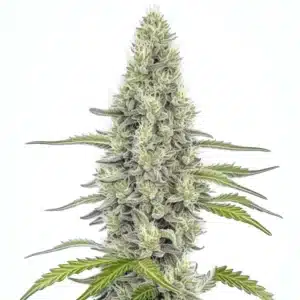
The fastest route to a quick harvest is decided before you plant: the variety you choose. Autoflowers race from seed to harvest in roughly 8 to 10 weeks regardless of the light, and short-flowering, indica-leaning photoperiods finish weeks sooner than long-haul sativas. If speed is your priority, picking a fast strain beats any trick you can apply later in the grow.
Recommended Strains

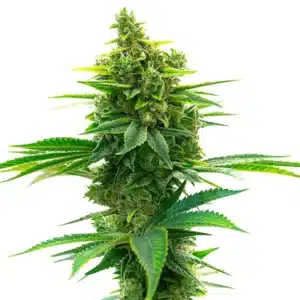
Mamba Negra

|
THC | 18% (Medium) |

|
Type | Feminized |

|
Yield | High |

|
Phenotype | 55% Indica / 45% Sativa |

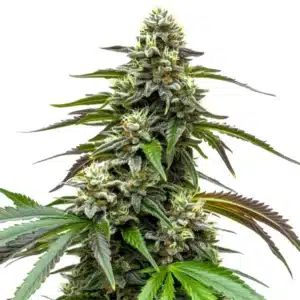
GG4
|
|
THC | 27% (High) |
|
|
Type | Feminized |
|
|
Yield | High |
|
|
Phenotype | 40% Indica / 60% Sativa |
Within a given plant, a clean, stress-free vegetative period also gets you to the finish line sooner, because a plant that never stalls from overwatering, deficiency, or shock spends all of its energy growing. It sounds backwards, but the surest way to a faster grow is often simply to avoid the setbacks that slow it down. If a short turnaround is the goal, lean on fast autoflowering seeds from the start.
Root health feeds into this as well. A plant that roots quickly into a well-sized container and never gets rootbound moves through vegetative growth without the hidden pauses that quietly add weeks, so good potting and watering habits are part of a fast grow even though they have nothing to do with flowering directly.
Promos & Deals
Trigger and tighten the flowering stretch
Indoors, you control when flowering begins. Flipping the light schedule to 12 hours of darkness tells a photoperiod plant to start budding, so switching earlier, once the plant is just big enough to support a harvest, shortens the overall grow. The trade-off is yield, since a smaller plant makes less flower, so it becomes a balance between speed and weight.
Outdoors you have less control, but some growers force an early flower by covering plants to give them a long, uninterrupted dark period each day, effectively faking the shorter days of autumn. It is labor-intensive and only worth it if you need to beat an early frost or a stretch of wet weather closing in on the garden.
Ripen buds faster in late flower
As harvest nears, the goal shifts from growing to ripening, and the environment does most of that work. Dropping the temperature a little and widening the day-to-night gap in the final week or two encourages the plant to finish, fade, and often show color, much the way cool autumn nights do outdoors.
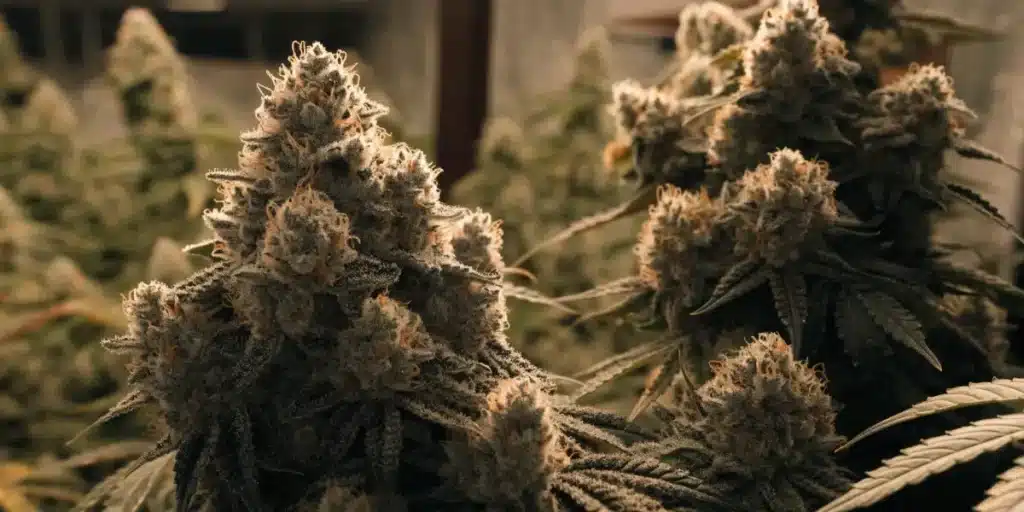
Light plays a part too. Strong, intense light late in flower drives resin production and ripening, and some growers lower humidity hard in the last stretch to stress the plant gently toward the finish. None of this adds weeks of growth back onto the plant; it simply helps one that is already close to cross the line cleanly. Checking progress with a trichome microscope keeps you from mistaking a plant that needs a few more days for one that is truly ready.
One late-stage tactic worth a mention is giving plants a day or two of total darkness right before cutting. Growers who swear by it believe the final dark stretch nudges the plant to finish and push out a last bit of resin. The evidence is thin and it will not shorten the grow in any meaningful sense, but since it costs nothing and does no harm, many treat it as a harmless finishing ritual rather than a real accelerator.
What does not work, and what costs you quality
Plenty of popular shortcuts do more harm than good. Harvesting early just because you are impatient leaves you with underdeveloped, less potent buds, since the cannabinoids and terpenes are still forming through the final weeks. Flushing with plain water does not speed ripening either; it only rinses out salts.
The biggest myth is that you can meaningfully compress the flowering period itself without paying for it. The plant needs its genetically set number of weeks to mature, and skipping them trades away potency and weight for a handful of days saved. If you truly need a faster turnaround, the honest answer is to grow a faster plant next time rather than to cut this one short.
Be wary, too, of products marketed as ripeners or bud hardeners that promise to rush the finish. At best they tweak late-flower nutrition; none of them override the plant’s genetic clock, and leaning on them is no substitute for simply choosing a faster variety and giving it clean, stable conditions.
Know when you can safely harvest a little early
There is a real window where an early cut is smart rather than reckless. If mold, pests, or a hard frost threaten to ruin the crop, taking it a few days early protects what you have, and a slightly early, healthy harvest always beats a perfectly timed one lost to rot.
For a planned early finish, the trichomes are your guide. Once most of them have turned from clear to cloudy, the buds are potent and usable even if a longer wait would add a little more weight and a heavier effect. Reading that signal, rather than the calendar, is how you harvest as early as the plant allows without throwing away quality. Our guide to avoiding over-ripe buds covers the other end of that same window.
Frequently Asked Questions
Can you make cannabis flower faster?
You can start flowering earlier indoors by switching to a 12-hour dark cycle, which shortens the overall grow, but you cannot safely compress the flowering period itself. Each variety needs its set number of weeks to mature, so the real speed comes from choosing a fast strain, not from rushing the buds.
Does harvesting early make buds less potent?
Usually, yes. Much of a plant’s cannabinoids and terpenes develop in the final weeks of flower, so cutting too soon leaves buds weaker and harsher. The exception is an emergency harvest to escape mold, pests, or frost, where saving a slightly early crop clearly beats losing the whole thing.
How can I ripen my buds faster at the end?
In the last week or two, lower the temperature a little, widen the day-to-night gap, keep light intense, and bring humidity down. These conditions push a plant that is already close toward a clean finish and fuller color, though they cannot replace the weeks of growth the plant still genuinely needs.
Do autoflowers really harvest faster?
Yes. Autoflowers run from seed to harvest in roughly 8 to 10 weeks regardless of the light cycle, well ahead of most photoperiod plants. If a quick turnaround is your main goal, starting with a fast autoflower is the single most effective way to shorten the time from seed to jar.
Does flushing speed up harvest?
No. Flushing with plain water in the final weeks rinses out built-up salts for a smoother smoke, but it does not make the plant ripen or finish any faster. Harvest timing is governed by trichome development and the variety’s flowering length, not by whether or when you flush.