How Much Does the Electricity Cost to Grow Cannabis Indoors?

Indoor growing trades the free sun for a power bill, and that bill surprises a lot of first-time growers. Lights, fans, and climate gear run for hours a day for months, and the total can rival the cost of the seeds and nutrients combined. The good news is that it is easy to estimate before you start and straightforward to trim once you know where the watts go.
What actually uses the power in a grow
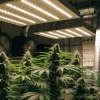
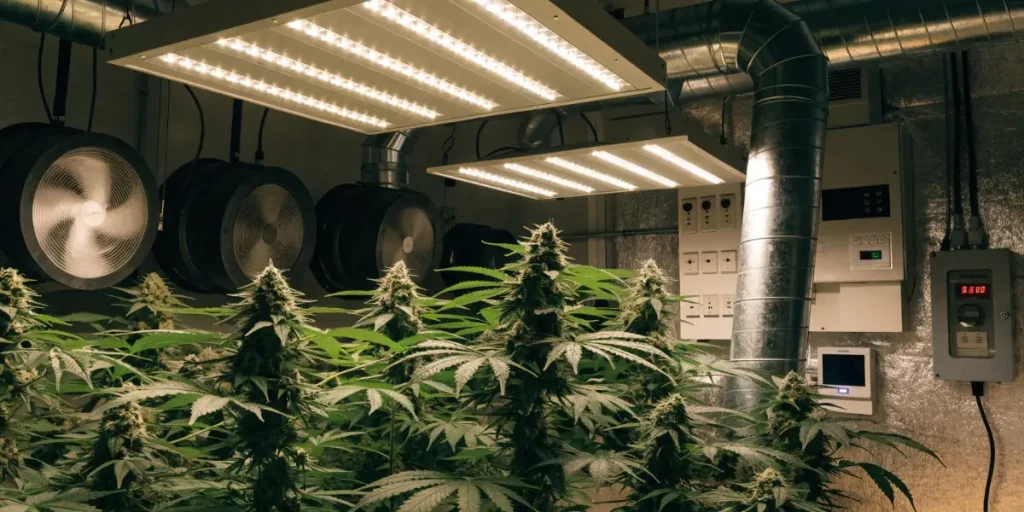
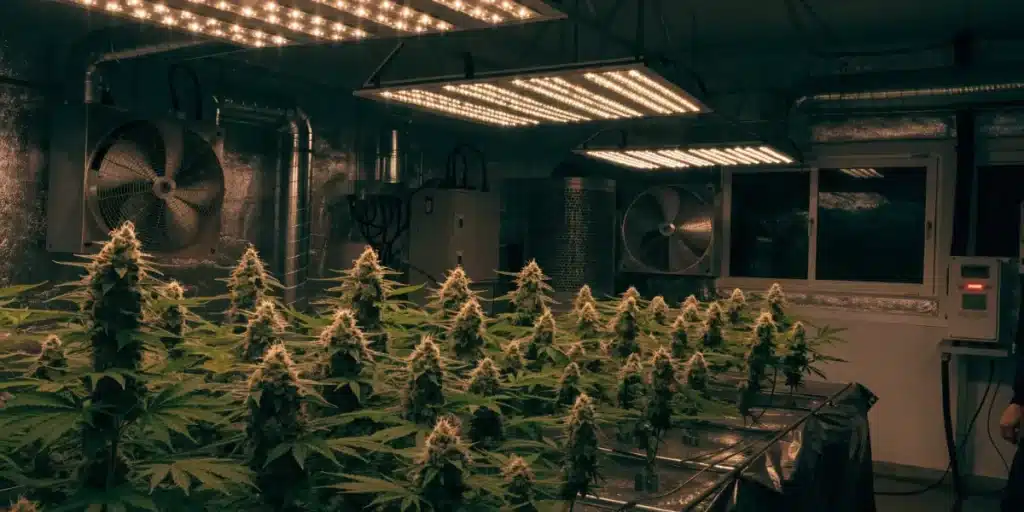
The grow light is almost always the biggest line on the bill, since it runs 12 to 18 hours a day and draws more wattage than anything else in the tent. After the light comes climate control: exhaust and circulation fans, and in many setups an air conditioner, dehumidifier, or heater working to hold temperature and humidity steady.
Recommended Strains


In a typical indoor tent, the draw breaks down roughly like this:
- The grow light, by far the largest and longest-running load.
- Fans for exhaust and air circulation, running around the clock.
- Climate gear, a dehumidifier, AC, or heater, cycling as the room needs it.
- Small extras: water pumps, timers, and chargers that quietly add up.
Outdoor and greenhouse growers sidestep most of this, since the sun does the heavy lifting, which is one reason a summer outdoor grow is the cheapest way to produce a large harvest.
Promos & Deals
How to estimate your grow’s electricity cost
The math is simpler than it looks. Take the wattage of a device, multiply by the hours it runs per day, and divide by 1,000 to get kilowatt-hours per day. Multiply that by your electricity rate, the price per kWh printed on your utility bill, and you have the daily cost. Add up every device and you have the whole grow.
For a quick example, a 300-watt LED running 18 hours a day uses 5.4 kWh daily (300 x 18, divided by 1,000). At a rate of 15 cents per kWh, that is about 81 cents a day for the light alone, or roughly 24 dollars a month. Add fans and a dehumidifier and a modest tent often lands somewhere between 40 and 80 dollars a month, depending on your climate and local rates.
Your own number depends heavily on where you live, since electricity rates vary widely from one place to the next, and on the season, because a hot summer or a cold winter makes the climate gear work harder and run longer.
What drives the bill up or down
Three things move the number most: the size and type of your light, how hard your climate has to be fought, and your local rate. A grower in a mild climate with an efficient LED pays a fraction of what someone running old HID lamps in a hot, humid room pays for the same size canopy.
Light technology is the single biggest lever. Modern LED fixtures produce the same usable light as older HPS lamps while drawing noticeably less power and throwing off less heat, which in turn means less work for your cooling. The upfront price is higher, but across a few grows the savings on both electricity and air conditioning usually cover the difference. Our comparison of LED versus HPS lighting lays out the trade-offs in detail.
Climate is the second big swing. A grower in a hot, humid region spends heavily on air conditioning and dehumidification just to hold the room in range, while someone in a mild climate may need almost none of it. The same tent and light can cost very different amounts to run depending only on the weather outside the door, which is why two growers with identical gear often report bills that are nowhere near each other.
Simple ways to cut your grow’s power cost
Start with the light, since it is the biggest load. Switching to an efficient LED and running it on a timer so it is never on longer than needed is the highest-impact change most growers can make, and choosing the right grow light for your space avoids paying for wattage you cannot even use.
Beyond the light, several habits chip away at the bill:
- Run the lights at night, when many utilities charge a lower off-peak rate and the room stays cooler.
- Insulate and seal the space so your AC or heater is not fighting the outside air.
- Keep temperature and humidity in a comfortable band so the climate gear cycles less, which the right environmental setup makes easier.
- Grow fast autoflowers or shorter-cycle plants, since fewer weeks under the light means a smaller total bill.
And if your climate allows, the cheapest kilowatt-hour is the one you never use. A summer outdoor or greenhouse grow leans on sunlight for the bulk of its energy and can bring the electricity cost of a harvest close to nothing.
Does the power cost make indoor growing worth it?
Set against the alternative, the bill usually looks reasonable. Even at 40 to 80 dollars a month, a single indoor harvest produces an amount of flower that would cost far more at a dispensary, so most growers come out well ahead over a full cycle. The electricity is a real expense, but it is rarely the thing that decides whether a grow makes sense.
Where it does matter is scale and planning. Running several lights year-round turns a modest monthly figure into a serious one, and that is the point where efficient LEDs, off-peak schedules, and a tight, insulated room stop being nice-to-haves and start paying for themselves. Knowing your number in advance lets you size the setup to your budget instead of being blindsided by the first full-cycle bill.
Frequently Asked Questions
How much does it cost in electricity to grow one cannabis plant?
It depends on your light and local rate, but a single plant in a small tent often adds somewhere around 20 to 40 dollars of electricity over a full indoor cycle. The grow light dominates that figure, so an efficient LED and a short-cycle plant keep you at the low end of the range.
What uses the most electricity in a grow room?
The grow light, without question. It draws the most wattage and runs 12 to 18 hours a day for months, so it usually accounts for the majority of the bill. Climate gear like dehumidifiers and air conditioners comes next, followed by circulation and exhaust fans and small pumps.
Do LED grow lights really save money?
Yes, over time. LEDs produce the same usable light as older HPS lamps while drawing less power and creating less heat, so you save twice: lower lighting cost and less air conditioning. The higher purchase price is typically recovered within a few grows through those combined savings on your bill.
How do I calculate my grow’s electricity cost?
Multiply a device’s wattage by its daily hours, divide by 1,000 for kilowatt-hours, then multiply by your rate per kWh from the utility bill. Do this for the light, the fans, and the climate gear, add them together, and you have a close estimate of the daily and monthly cost.
Is it cheaper to grow cannabis indoors or outdoors?
Outdoors is far cheaper on electricity, since sunlight replaces the grow light and most climate gear. A summer outdoor or greenhouse grow can cut power cost close to zero. Indoor growing costs more to run but gives you year-round control over climate, timing, and the quality of the finished flower.