The Cannabis Growing Environment, Explained

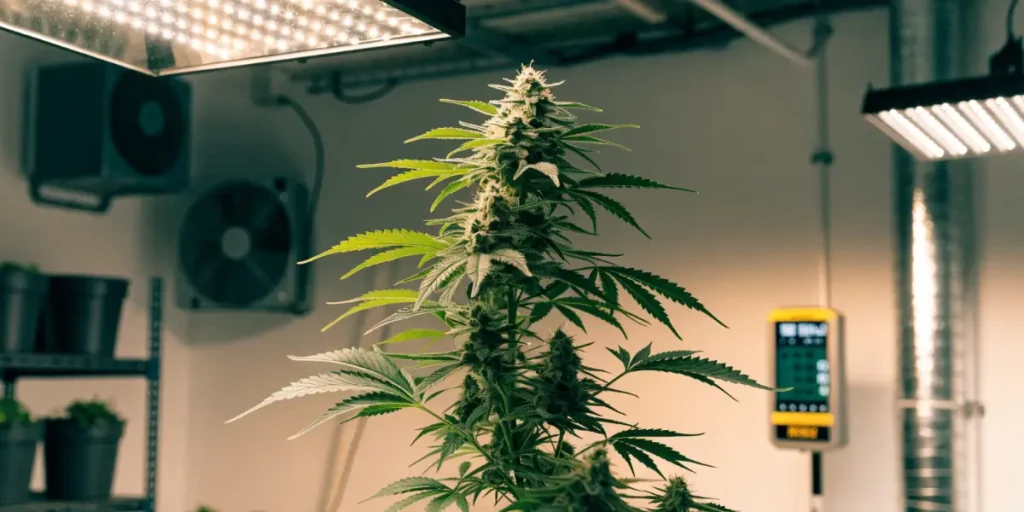
Seeds and nutrients get the attention, but the environment is what quietly decides whether a grow thrives or struggles. A plant can only use the light, water, and food you give it if the air around it is right, and most beginner problems, from stretchy plants to mold, trace back to an environment that drifted out of range. Get four things right, light, temperature, humidity, and airflow, and the rest of the grow becomes far easier.
Light: the engine of the whole grow
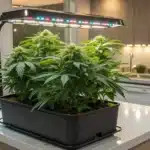
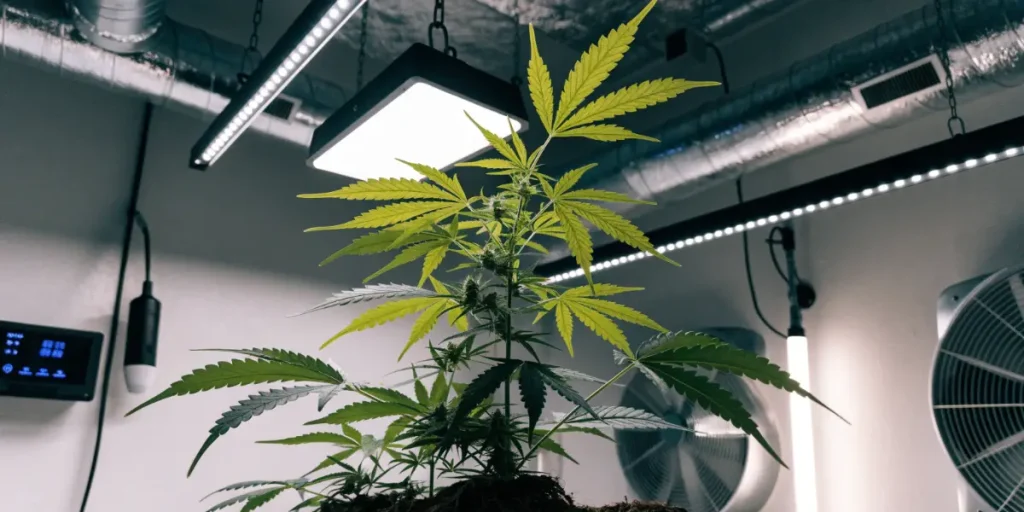
Light is the single biggest environmental factor, because it powers the photosynthesis that builds the entire plant. Indoors, that means giving the canopy enough intensity without burning it, and matching the daily light hours to the stage: long days through vegetative growth, and, for photoperiod plants, a switch to 12 hours of darkness to trigger flowering.
Recommended Strains

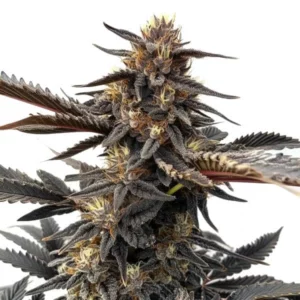
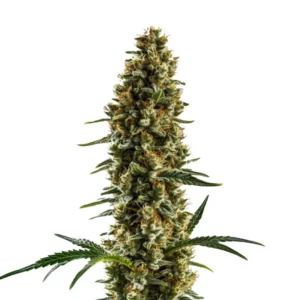
Animal Mints

|
THC | 22% - 24% (High) |

|
Type | Feminized |

|
Yield | Low |

|
Phenotype | 60% Indica / 40% Sativa |

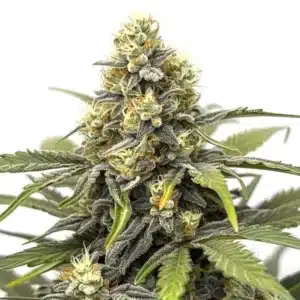
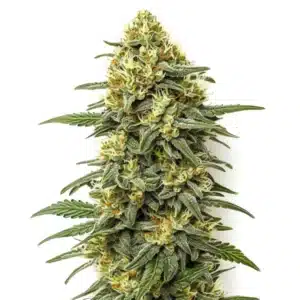
POG
|
|
THC | 24% - 28% (High) |
|
|
Type | Feminized |
|
|
Yield | High |
|
|
Phenotype | 60% Indica / 40% Sativa |
Quality and distance matter as much as raw power. A light held too far away leaves plants stretchy and weak, while one set too close bleaches the tops, so choosing the right grow light and setting it at the correct height is foundational. Outdoors the job is simpler: pick the sunniest spot you have and let the plant soak up as many direct hours as it can get.
How long the lights stay on is a lever of its own. More hours of light in vegetative growth generally means faster growth, which is why many indoor growers run 18 hours a day during veg, while the flip to 12 hours of light is what tells a photoperiod plant that the season has turned and it is time to start flowering.
Promos & Deals
Temperature: keeping the plant in its comfort zone
Cannabis does best in a fairly human-comfortable range, broadly the 70s to low 80s Fahrenheit while the lights are on, and a little cooler in the dark. Push much hotter and growth slows, plants transpire frantically, and pests like spider mites thrive; drop too cold and the plant sulks and stalls.
The day-to-night swing matters too. A moderate drop after lights-out is healthy and can even bring out color late in flower, but a large, sudden gap invites condensation and mold. Holding temperature steady is a big part of what dedicated climate gear is for, and our guide to cannabis climate control goes deeper on managing it room by room.
Humidity: the factor beginners get wrong most
Humidity needs to change as the plant grows, and getting it wrong is behind a large share of failed grows. Seedlings and clones want it high, around 65 to 70 percent, because their small root systems lean on leaf moisture. As the plant matures you lower it step by step, down to roughly 40 to 50 percent in flower.
That late-flower drop is not optional. Dense, mature buds trap moisture, and high humidity at that stage is exactly what bud rot needs to take hold, so growers in damp conditions rely on dehumidifiers to keep it in check. If your room runs humid, learning to lower the humidity in a grow tent is one of the highest-value skills you can pick up.
Airflow: the quiet factor that ties it together
Moving air is the environmental factor people forget, yet it does several jobs at once. A gentle breeze over the canopy strengthens stems, keeps humidity from pooling in still pockets, and makes it much harder for mold and many pests to settle. Fresh-air exchange, meanwhile, replaces the carbon dioxide the plants use up and carries away heat and excess moisture.
The goal is steady movement without a gale. Leaves should flutter, not whip, and no corner of the canopy should sit in dead, stagnant air. Getting the fan placement right turns a stuffy tent into a resilient one, and it is often the cheapest fix for recurring humidity and mold trouble.
Indoor versus outdoor environments
Indoors, you are the climate. Every one of these factors is yours to set and hold, which is powerful but unforgiving, since nothing corrects itself if a fan fails or a heatwave hits the room. The upside is total control: you can run a near-perfect environment year-round, whatever the season is doing outside.
Outdoors, nature sets the terms and your job shifts to working with them. You choose the sunniest, most sheltered spot, time the grow to your local season, and step in mainly at the extremes, offering shade in a heatwave or cover before a cold, wet spell. It is less precise than a sealed indoor room but far cheaper to run and, in a good climate, remarkably effective.
How the four factors work together
The reason environment feels tricky is that these factors are linked, not independent. Temperature and humidity together determine how comfortably a plant can drink and breathe, a relationship growers track as VPD, and airflow is what keeps both even across the canopy. Change one and you nudge the others, which is why chasing a single number rarely fixes a struggling room.
You do not need expensive gear to start, just awareness. A simple thermometer-hygrometer and a small fan let you see and correct the environment, and reading the combined picture through a VPD chart turns four separate readings into one clear target. Dial these in and the plant rewards you with faster, healthier, cleaner growth from seedling to harvest.
Frequently Asked Questions
What is the ideal environment for growing cannabis?
Broadly, strong light, temperatures in the 70s to low 80s Fahrenheit, humidity that falls from around 65 percent for seedlings to 40 to 50 percent in flower, and steady, gentle airflow. The exact targets shift by stage, but keeping all four in range is what lets the plant reach its potential.
Does temperature or humidity matter more for cannabis?
Both matter, and they work together rather than apart. Temperature sets the plant’s metabolic pace, while humidity controls how it transpires and whether mold can take hold. Growers increasingly track the two as a single figure, VPD, because the balance between them matters more than either number does on its own.
Why is airflow important in a grow room?
Airflow strengthens stems, prevents humidity from pooling into the still, damp pockets that breed mold, and keeps temperature even across the canopy. Fresh-air exchange also resupplies the carbon dioxide plants consume and removes heat. It is one of the cheapest upgrades and often fixes recurring mold and pest problems on its own.
What humidity should cannabis be grown at?
It changes with the stage. Seedlings and clones prefer around 65 to 70 percent, vegetative plants roughly 55 to 65 percent, and flowering plants closer to 40 to 50 percent. The late drop matters most, since high humidity around dense, ripening buds is the main driver of bud rot in flower.
Can I grow cannabis without climate control equipment?
Yes, especially outdoors or in a mild climate, where nature does much of the work. Indoors you can get far with just a fan, a thermometer-hygrometer, and good placement. Dehumidifiers, heaters, or AC become worth buying only when your space drifts out of range and the simpler fixes are not enough.