How to Grow Hydroponic Weed: A Complete Guide

Hydroponic weed cultivation: Cannabis grown hydroponically bypasses soil, utilizing a nutrient-rich water solution for root support. This method accelerates growth and enhances plant size, demanding meticulous nutrient and pH monitoring. Hydroponic systems can boost yields by up to 30% compared to soil-based methods, appealing to both commercial and home cultivators seeking efficiency.
Hydroponic weed offers a unique cultivation experience, focusing on terpene profiles and flowering efficiency. With a flowering time of 8-10 weeks, these systems provide an edge in producing aromatic and potent cannabis. The method’s precision in nutrient delivery enhances terpene synthesis, making it a favorite among connoisseurs seeking rich flavors and aromas.
Recommended Strains
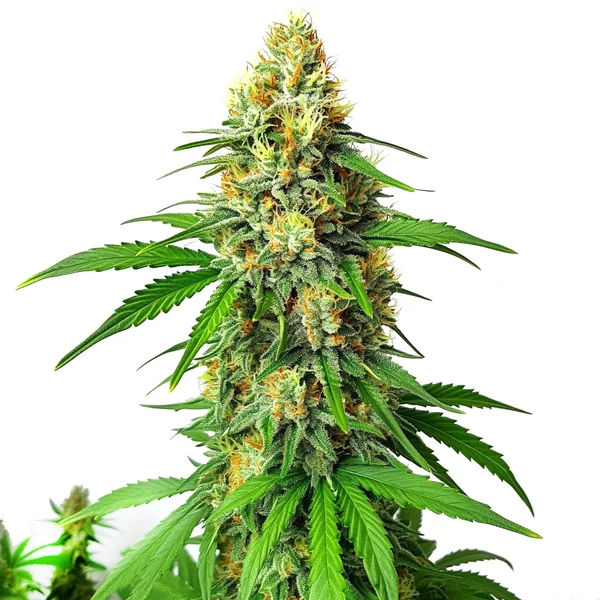
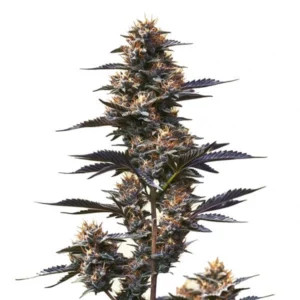
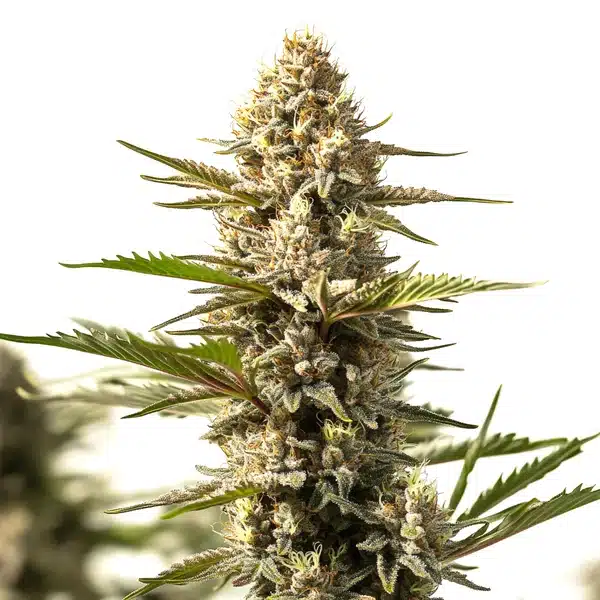
Critical x AK47 Auto

|
THC | 16% - 20% (Medium) |

|
Type | Autoflowering |

|
Yield | High |

|
Phenotype | 50% Indica / 50% Sativa |
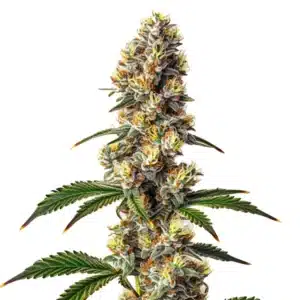
Sour Diesel x OG Kush
|
|
THC | 20% - 22% (Medium) |
|
|
Type | Feminized |
|
|
Yield | High |
|
|
Phenotype | 55% Indica / 45% Sativa |
Hydroponic Weed: An Overview
What is Hydroponic Weed?
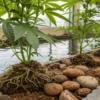
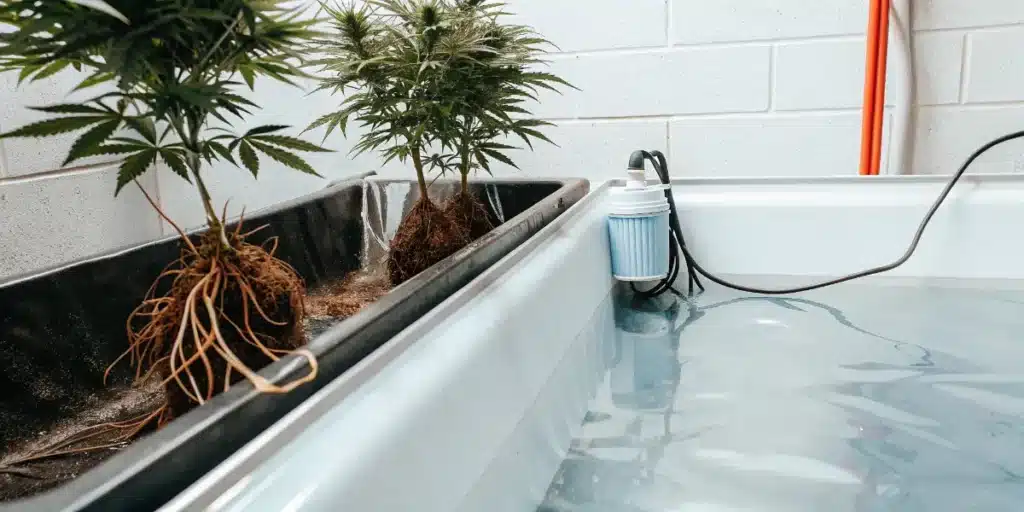
Hydroponic weed refers to cannabis grown in a soil-less environment where roots are submerged in a nutrient-rich water solution. This method allows for precise control over nutrient intake, resulting in faster growth and potentially larger yields. The absence of soil reduces the risk of soil-borne pests and diseases, making it a clean and efficient cultivation method.
In hydroponics, inert materials like clay pebbles or rockwool provide root support. Nutrients are delivered directly to the plant roots, optimizing absorption and promoting vigorous growth. This technique requires constant monitoring of water quality, nutrient levels, and pH balance to ensure optimal plant health.
Hydroponic Weed vs Regular Weed
When comparing hydroponic weed to regular soil-grown cannabis, the former often boasts faster growth rates and higher yields. Hydroponic systems can produce up to 1.5-1.8 oz/ft² (450-550 g/m²) indoors, while soil methods typically yield less. The controlled environment of hydroponics allows for precise nutrient management, leading to higher cannabinoid and terpene levels.
Regular weed cultivation relies on soil, which can introduce variables such as nutrient availability and pest presence. Hydroponic systems eliminate these variables, providing a more predictable growing environment. However, they require more technical knowledge and investment in equipment, making them more suitable for experienced growers.
Promos & Deals

Benefits of Growing Hydroponic Weed
Hydroponic Weed Effects
Hydroponic weed is known for its potent effects due to the precise control over nutrient delivery, which enhances cannabinoid production. Growers report THC levels reaching up to 28-32%, providing a robust psychoactive experience. The enhanced terpene profile also contributes to a richer sensory experience, with distinct flavors and aromas.
The effects of hydroponic weed are often described as more intense and clean, attributed to the lack of soil contaminants and precise nutrient management. This method allows for the cultivation of strains with specific desired effects, making it ideal for both recreational and medicinal users seeking targeted benefits.
Hydroponic Weed Benefits
One of the primary benefits of hydroponic weed is its ability to produce higher yields in a shorter time frame. The controlled environment allows for year-round cultivation, maximizing production. Additionally, hydroponic systems use up to 90% less water than traditional soil methods, making them more sustainable and environmentally friendly.
Hydroponic weed also offers enhanced flavor and potency due to the precise control over nutrient delivery. This results in a more consistent product with predictable effects, appealing to consumers who prioritize quality and reliability. The method’s efficiency and sustainability make it a preferred choice for modern cannabis cultivation.
How to Grow Hydroponic Weed
Step-by-Step Guide
To start growing hydroponic weed, you’ll need a hydroponic system, quality seeds, and a nutrient solution. Begin by setting up your system, ensuring proper lighting with 800-1000 µmol/m²/s at peak flowering. Maintain a 12/12 light schedule for photoperiodic strains to initiate flowering.
Monitor the nutrient solution’s pH and electrical conductivity (EC) levels, aiming for a pH of 5.5-6.5 and an EC of 1.2-2.0 during the vegetative stage. Adjust nutrient concentrations based on plant growth stages, ensuring optimal uptake and avoiding nutrient burn.
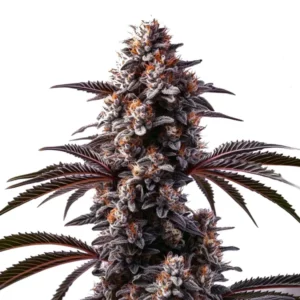
| Feature | GG4 | Critical X Ak47 Auto | Sour Diesel X OG Kush |
|---|---|---|---|
| THC Percentage | 27% | 16-20% | 20-22% |
| Yield | 1.64 – 1.97 oz/ft² | 500 – 600 g/m² | 1.47 – 1.8 oz/ft² | 450 – 550 g/m² | 1.64 – 1.8 oz/ft² | 500 – 550 g/m² |
| Flowering Time | 8-10 weeks | 8-10 weeks | 9-11 weeks |
| Dominant Terpene | Humulene | Caryophyllene | Caryophyllene |
| Effect | Happy, Relaxed, Talkative | Energetic, Euphoric, Tingly | Energetic, Euphoric, Relaxed |
Side Effects and Considerations
Hydroponic Weed Side Effects
While hydroponic weed offers many benefits, it can also have side effects if not grown properly. Common issues include nutrient burn, which occurs when plants receive too much fertilizer. This can lead to leaf discoloration and stunted growth. Maintaining proper nutrient levels is crucial to avoid these adverse effects.
Another consideration is the potential for root rot, which can develop if the roots remain submerged in stagnant water. Ensuring adequate oxygenation and drainage in your hydroponic system can prevent this issue. Regular monitoring and maintenance are essential to ensure healthy plant development.
Where to Buy Hydroponic Weed Supplies
When sourcing hydroponic weed supplies, it’s essential to choose reputable suppliers to ensure quality and reliability. Many online retailers specialize in hydroponic equipment, offering a wide range of systems, nutrients, and accessories. Local garden centers may also carry essential supplies, providing an opportunity to see products firsthand.
Consider purchasing from established brands known for their quality and customer support. This ensures that you receive reliable equipment and accurate guidance for setting up and maintaining your hydroponic system. Investing in high-quality supplies can significantly impact the success of your cultivation efforts.
Professional Tips for Hydroponic Weed Cultivation
- Maintain 58-62% RH during the curing process to preserve terpenes and prevent mold growth.
- Use a digital pH meter to keep the nutrient solution between 5.5-6.5 for optimal nutrient uptake.
- Ensure adequate oxygenation in the nutrient reservoir to prevent root rot and promote healthy growth.
- Regularly calibrate your EC meter to accurately measure nutrient concentration and avoid nutrient burn.
- Implement a 12/12 light schedule for photoperiodic strains to trigger flowering and maximize yield.
- Rotate plants regularly to ensure even light exposure and promote uniform growth throughout the canopy.
FAQs on Hydroponic Weed
What is a hydroponic weed?
Hydroponic weed is cannabis cultivated without soil, using a water-based nutrient solution. This method accelerates growth and can enhance yield, producing up to 30% more than traditional soil methods. It requires precise monitoring of nutrient and pH levels to ensure optimal plant health and quality.
What is the downside of hydroponics?
Hydroponics can be costly and complex, requiring significant initial investment in equipment and ongoing maintenance. The systems demand constant monitoring of pH and nutrient levels. If not managed properly, issues like nutrient burn or root rot can occur, impacting plant health and yield.
How does hydroponic weed differ from soil-grown cannabis?
Hydroponic weed grows faster and often yields more than soil-grown cannabis due to controlled nutrient delivery. It produces higher THC levels, up to 28-32%, and richer terpene profiles. Soil-grown cannabis may have more natural flavors but is subject to soil-borne pests and diseases.
Can hydroponic systems be used for all cannabis strains?
Most cannabis strains can thrive in hydroponic systems, but some may require specific adjustments in nutrient levels or environmental conditions. Strains like GG4 and Critical X Ak47 Auto are well-suited for hydroponics, offering high yields and potent effects. Always tailor your setup to the strain’s needs.
What are the common mistakes in hydroponic weed growing?
Common mistakes include incorrect pH levels, leading to nutrient lockout, and inadequate oxygenation, causing root rot. Over-fertilization can result in nutrient burn, damaging plants. Regular monitoring and maintenance, along with proper equipment calibration, are essential to avoid these pitfalls and ensure healthy growth.