When to Harvest Outdoor Cannabis: Croptober Guide

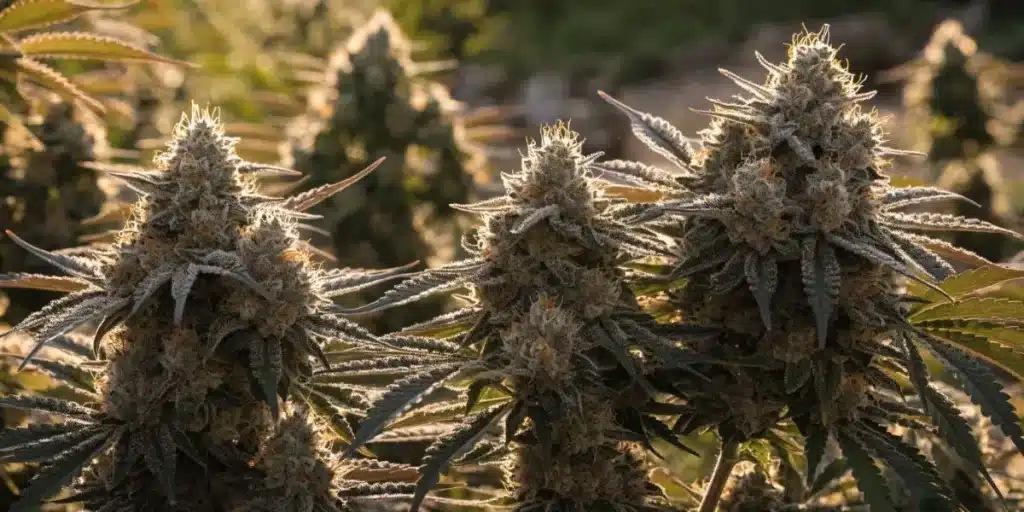
Croptober is the peak of the outdoor harvest, but cutting at the right moment is what separates a good crop from a great one. This guide covers when the Croptober window falls, what happens if you harvest too early, and the practical checks that tell you your sun-grown plants are truly ready.
When is the Croptober harvest window?
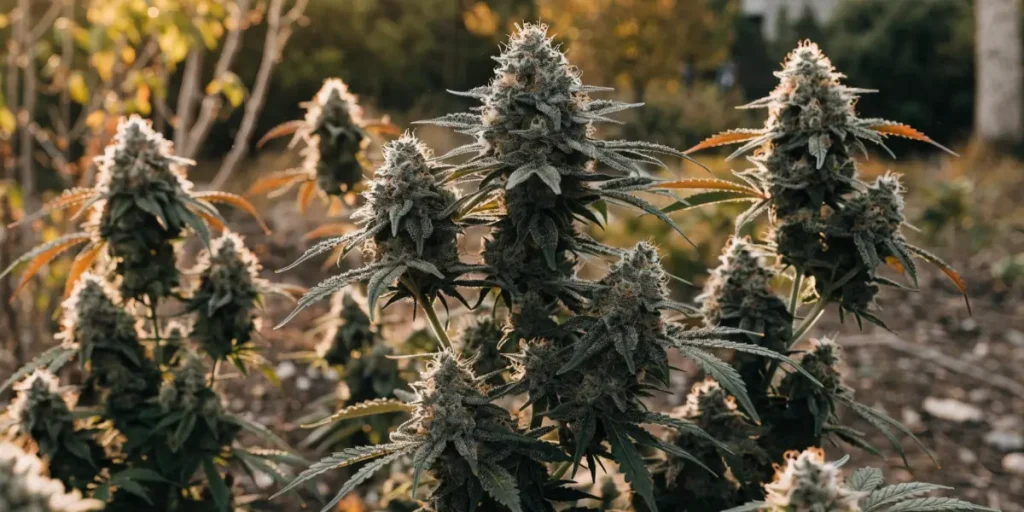
For most outdoor growers in the Northern Hemisphere, harvest runs from late September through November, with October as the peak. The exact timing depends on your latitude, your climate, and the strain, so the calendar is a guide rather than a rule.
Recommended Strains
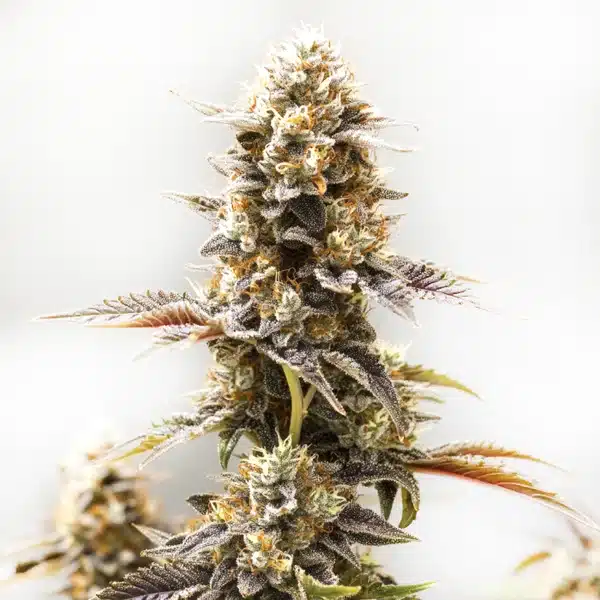
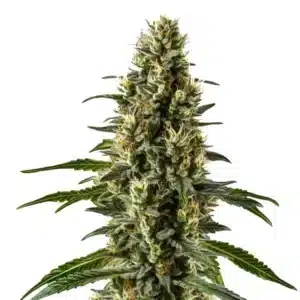
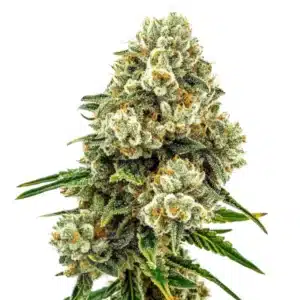
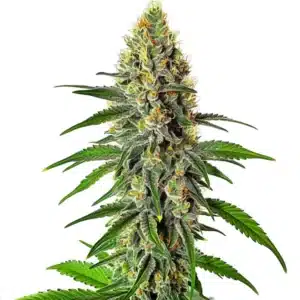
Koji

|
THC | 22% - 24% (High) |

|
Type | Feminized |

|
Yield | High |

|
Phenotype | 60% Indica / 40% Sativa |

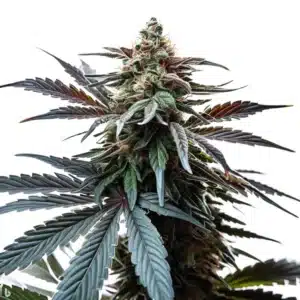
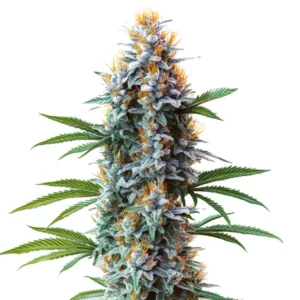
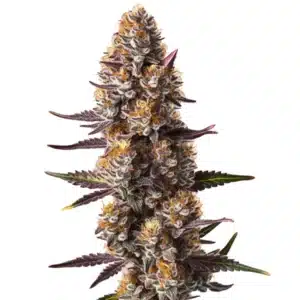
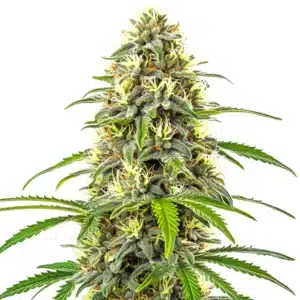
Jungle Lava
|
|
THC | 25% - 27% (High) |
|
|
Type | Feminized |
|
|
Yield | High |
|
|
Phenotype | 70% Indica / 30% Sativa |
Fast-flowering and early varieties often finish in late September, the bulk of photoperiod strains ripen through October, and long-flowering sativas and hazes can hang into November in mild regions. Rather than harvesting on a date, use the season as a window and let the plant itself tell you when it is ready, because a strain’s genetics and your local autumn weather will always shift the timing.
Promos & Deals
What happens if you harvest too early?
Cutting too soon is one of the most common Croptober mistakes, and it costs you both potency and flavor. The clearest sign is in the trichomes, the tiny resin glands on the buds. When they are still mostly clear and glassy, the plant has not finished producing cannabinoids, so an early harvest tends to feel weaker and more one-dimensional.
Harvesting too early also leaves you with lighter, less dense buds and an underdeveloped terpene profile, which means less aroma and a harsher smoke. Patience in the final weeks pays off, since much of a bud’s weight and character fills in right at the end. For the full breakdown of ripeness by trichome color, see our guide on cloudy trichomes and the perfect harvest time.
How to check trichomes before harvest
Trichomes are the most reliable ripeness signal, and checking them takes only a cheap tool. Use a jeweler’s loupe, a pocket microscope, or even a phone macro lens to look closely at the resin heads on the flowers, not on the sugar leaves.
As a general guide, clear trichomes mean the plant is not ready, milky or cloudy trichomes signal peak THC and the most balanced effect, and amber trichomes indicate a heavier, more sedating, more relaxed profile. Most growers harvest when the heads are mostly cloudy with a scattering of amber, adjusting toward more amber if they want a more relaxing result. For more detail on reading them, see our guide to what color trichomes should be at harvest.
5 things to check for the best Croptober harvest
Trichomes are the headline, but a strong Croptober harvest comes down to a few checks working together. Run through these before you reach for the shears.
- Trichome color: mostly cloudy with some amber is the sweet spot for most strains.
- Pistils: when most of the hairs have darkened and curled inward, the plant is in its ripening window.
- Weather: watch for incoming rain, frost, or damp cold snaps, which can force an earlier cut to beat mold.
- Mold and pests: inspect dense colas for bud rot and pests, since autumn humidity makes late-season problems common.
- Drying space: have a dark, airy, climate-controlled room ready, because a big outdoor harvest comes down all at once.
Balancing these is the real skill of Croptober. Sometimes the trichomes say wait but the forecast says cut, and protecting the crop from rot has to win. Mold-resistant genetics make that call easier, which is why many outdoor growers choose resilient, fast-finishing strains for autumn plots.
After the cut: drying and curing
Harvest is only half the job. Once the plants are down, a slow dry in a cool, dark, airy space over roughly one to two weeks preserves the terpenes and potency you worked all season to build. Rushing the dry undoes a careful harvest.
Humidity control matters even more during Croptober, because autumn air can be damp and a big, dense harvest holds a lot of moisture. Aim to dry until the small stems snap rather than bend, then cure the buds in sealed jars, burping them regularly. Our guide on curing cannabis and humidity walks through the targets that protect flavor to the finish.
Choosing strains that beat the weather
The easiest way to guarantee a clean Croptober harvest is to grow genetics suited to it. Fast-flowering and autoflowering varieties finish earlier, letting you harvest before the heaviest autumn rain and cold arrive, which dramatically lowers the risk of losing buds to mold.
If late-season weather is a concern where you grow, browse our fast-flowering seeds and autoflowering seeds for strains that reach the finish line quickly. Pairing the right genetics with careful timing is what turns Croptober from a gamble into a dependable, rewarding harvest.
Frequently asked questions
When should I harvest outdoor cannabis?
Most outdoor cannabis is harvested from late September through November, with October as the peak. Rather than a fixed date, use that window and let the plant guide you: harvest when the trichomes are mostly cloudy with some amber and most pistils have darkened and curled in. Latitude, climate, and strain all shift the exact timing.
What do trichomes tell you about harvest time?
Trichomes are the most reliable ripeness signal. Clear trichomes mean the plant is not ready, milky or cloudy ones signal peak THC and a balanced effect, and amber ones indicate a heavier, more relaxing profile. Most growers cut when the heads are mostly cloudy with some amber, using a loupe or pocket microscope to check.
What happens if I harvest too early?
Harvesting too early costs potency and flavor. If the trichomes are still mostly clear, the plant has not finished producing cannabinoids, so the result feels weaker and more one-dimensional. You also get lighter, less dense buds and an underdeveloped terpene profile, since much of a bud’s weight and character fills in during the final weeks.
How do I protect my Croptober harvest from mold?
Autumn humidity makes mold the biggest late-season threat. Inspect dense colas regularly for bud rot, improve airflow around the plants, and watch the forecast for rain, frost, or damp cold snaps that may force an earlier cut. Growing mold-resistant, fast-finishing genetics is the most effective way to harvest before the worst weather hits.
How long should I dry cannabis after a Croptober harvest?
Dry slowly in a cool, dark, airy space, usually over about one to two weeks, until the small stems snap rather than bend. Humidity control is especially important in autumn, since the air is damp and a large harvest holds a lot of moisture. Then cure the buds in sealed jars, burping them regularly to preserve flavor.