Best Outdoor Cannabis Strains for the Northeast Climate

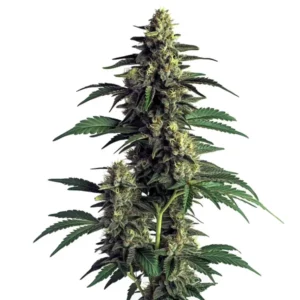
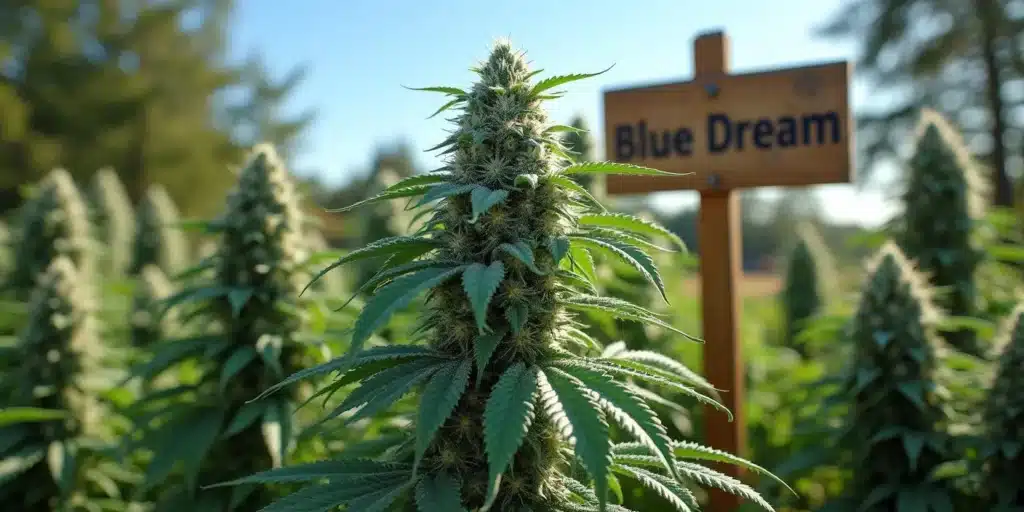
Optimal Strain Selection: For the Northeast’s challenging climate, select strains that are mold-resistant and flower quickly to avoid autumn frosts. Strains like Blue Dream, Northern Lights, and Super Skunk are ideal due to their adaptability to variable temperatures and shorter growing seasons, ensuring a successful harvest. These strains are known for their resilience and ability to thrive in the Northeast’s unique conditions.
In the Northeast, cannabis growers face unique challenges due to variable temperatures and high humidity. Selecting strains with robust terpene profiles and short flowering times is crucial. Strains like Blue Dream and Northern Lights offer strong resistance to pests and mold, ensuring a successful yield. These factors are key to thriving outdoor cultivation in this region.
Recommended Strains

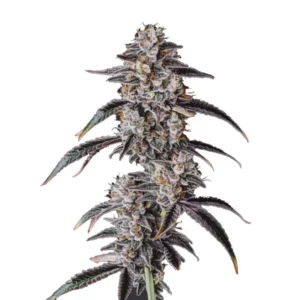
Blue Dream

|
THC | 17% - 24% (High) |

|
Type | Feminized |

|
Yield | High |

|
Phenotype | 50% Indica / 50% Sativa |
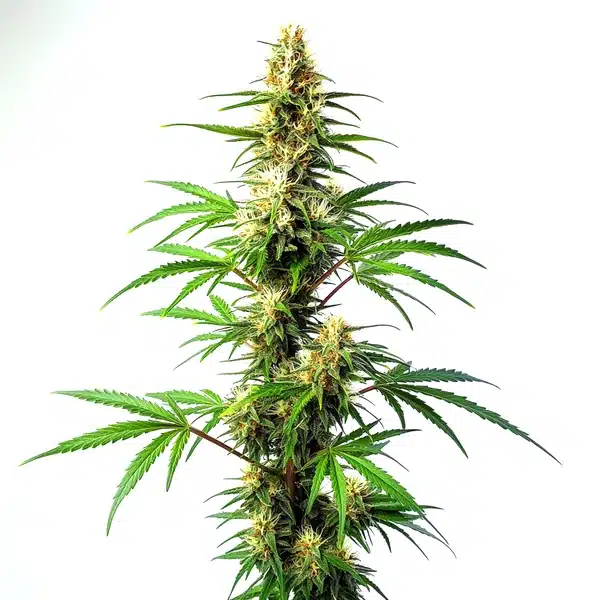
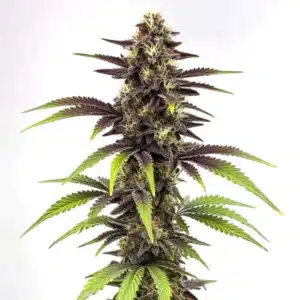
Blue Amnesia Auto
|
|
THC | 17% - 18% (Medium) |
|
|
Type | Autoflowering |
|
|
Yield | Low |
|
|
Phenotype | 40% Indica / 60% Sativa |
Top Strains for Northeast Outdoor Growing
Blue Dream for Variable Climates
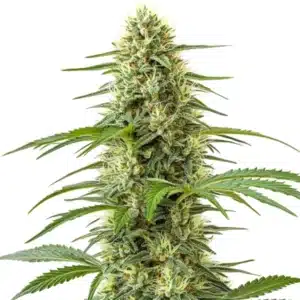
Blue Dream is renowned for its adaptability, making it a top choice for the Northeast. This strain thrives in varying climates, thanks to its robust genetic makeup. The terpene profile includes Myrcene (0.8-1.2%), which imparts a sweet berry aroma and enhances THC uptake, contributing to its relaxing effects. Its flowering period is typically 9-10 weeks.
Blue Dream’s resilience against pests and mold makes it ideal for outdoor cultivation in the Northeast. It can reach heights of up to 6 feet (1.8 meters), with yields averaging 21-25 oz/plant (600-700 g/plant). This strain’s ability to adapt to shorter growing seasons ensures a bountiful harvest before the first frost.
Northern Lights for Cold Resistance
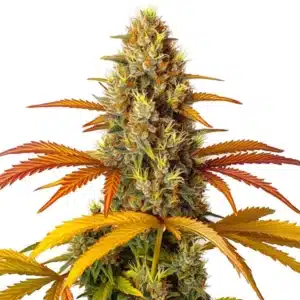
Northern Lights is celebrated for its ability to withstand the cold, a vital trait for Northeast growers. Its terpene profile, dominated by Pinene (0.5-0.7%), offers a piney aroma and anti-inflammatory effects. This strain typically flowers in 7-8 weeks, making it a quick finisher suitable for the region’s climate.
With a compact structure and yields of 18-22 oz/plant (500-620 g/plant), Northern Lights is perfect for those new to cultivation. Its strong mold resistance is crucial for managing the Northeast’s humidity. This strain’s forgiving nature allows for minimal maintenance, making it a favorite among local growers.
Super Skunk for Humid Summers
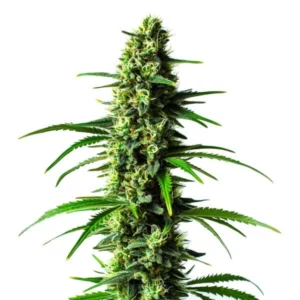
Super Skunk is a robust hybrid known for its skunky aroma, primarily due to its high Caryophyllene content (0.7-1.0%). This terpene provides anti-inflammatory benefits and contributes to the strain’s potent effects. Super Skunk flowers in about 8-9 weeks, making it suitable for the Northeast’s growing season.
This strain thrives under full sunlight, yielding 20-24 oz/plant (570-680 g/plant). Its hearty nature allows it to flourish despite the region’s humid summers. Super Skunk’s resilience to pests and diseases makes it a reliable choice for outdoor growers aiming for high yields.
Promos & Deals

Northeast Growing Conditions
Managing Temperature and Humidity
The Northeast climate presents challenges with temperature fluctuations and high humidity. Successful growers manage these conditions by selecting strains with robust genetic profiles. For example, maintaining temperatures between 68°F and 77°F (20°C – 25°C) is ideal for most strains. Humidity should be controlled to prevent mold, especially during flowering.
Using dehumidifiers and fans can help maintain optimal humidity levels, ideally between 40-50% RH during flowering to prevent mold. This prevents mold and mildew, which can devastate crops within days. Monitoring with digital hygrometers is essential for precise control, avoiding the pitfalls of analog devices.
| Feature | Blue Dream | Northern Lights | Super Skunk |
|---|---|---|---|
| Flowering Time | 9-10 weeks | 7-8 weeks | 8-9 weeks |
| Yield | 21-25 oz/plant | 18-22 oz/plant | 20-24 oz/plant |
| Dominant Terpene | Myrcene | Pinene | Caryophyllene |
| Height | Up to 6 ft | 4-5 ft | 5-6 ft |
| Mold Resistance | High | Very High | High |
Soil Quality and Sunlight Needs
Soil quality significantly impacts cannabis growth. The Northeast’s variable soil types require amendments to ensure proper drainage and nutrient availability. Adding organic matter like compost improves soil structure and fertility, promoting healthy root development.
Sunlight is another critical factor, with plants needing at least 6-8 hours of direct light daily. Positioning plants in south-facing areas maximizes exposure, crucial for photosynthesis and overall plant health. Avoid shaded spots that can stunt growth and reduce yields.
Effective Pest and Disease Management
Integrated Pest Management Strategies
Implementing Integrated Pest Management (IPM) is vital for outdoor cannabis cultivation. This approach combines biological, cultural, and chemical methods to control pests effectively. For instance, introducing beneficial insects like ladybugs can naturally reduce aphid populations.
Regular plant inspections are crucial for early pest detection. Look for signs like discolored leaves or webbing, which indicate infestations. Using organic pesticides as a last resort can control severe outbreaks without harming beneficial organisms.
Harvesting and Post-Harvest Tips
Harvest timing is critical for maximizing potency and flavor. Observing trichome development is a reliable method; harvest when trichomes are mostly milky with some amber. This ensures peak THC levels and optimal effects.
After harvesting, proper drying and curing are essential. Maintain a drying environment of 60-70°F (15-21°C) with 50-60% RH to preserve terpenes and cannabinoids. Curing in glass jars for at least two weeks enhances flavor and potency.
Professional Tips for Northeast Outdoor Growing
- Maintain 68-77°F (20-25°C) during the day for optimal growth. Temperatures below 60°F (15°C) can slow growth, while above 85°F (29°C) can stress plants.
- Ensure 6-8 hours of direct sunlight daily. Less light can reduce yields by up to 30%.
- Use organic fertilizers with a 3:1:2 NPK ratio during vegetative growth to promote strong stems and leaves.
- Monitor humidity with a digital hygrometer, keeping levels at 50-60% RH to prevent mold.
- Inspect plants weekly for pests and diseases. Early detection can prevent a 50% yield loss.
- Harvest when trichomes are mostly milky with some amber to ensure peak potency.

FAQs about Best Outdoor Strain for Northeast
What is the best outdoor strain for the Northeast?
Blue Dream, Northern Lights, and Super Skunk are excellent choices for the Northeast. These strains are mold-resistant and flower quickly, making them ideal for the region’s climate. Blue Dream, for instance, yields 21-25 oz/plant (600-700 g/plant) and flowers in 9-10 weeks, ensuring a successful harvest before frost.
What fertilizer makes buds bigger?
Fertilizers with a high phosphorus content, such as those with an NPK ratio of 1:3:2, promote larger buds. During flowering, phosphorus supports bud development, while potassium enhances overall plant health. Organic options like bone meal can provide these nutrients, boosting yields by up to 20%.
What’s the hardest strain to grow?
Landrace strains like Thai or Colombian Gold are challenging due to their long flowering times and sensitivity to environmental changes. These strains often require specific conditions, such as high humidity and consistent temperatures, making them unsuitable for beginners.
What strain yields the most buds?
Strains like Northern Lights X Big Bud Auto are known for high yields, producing up to 25 oz/plant (700 g/plant) under optimal conditions. This strain combines Northern Lights’ resilience with Big Bud’s prolific bud production, making it a favorite among commercial growers.
How can I improve soil quality before planting?
Enhancing soil quality involves adding organic matter like compost or aged manure. This improves drainage and nutrient availability, promoting healthy root development. Conducting a soil test can identify deficiencies, allowing for targeted amendments to optimize growing conditions.