How to Lower Humidity in a Grow Tent

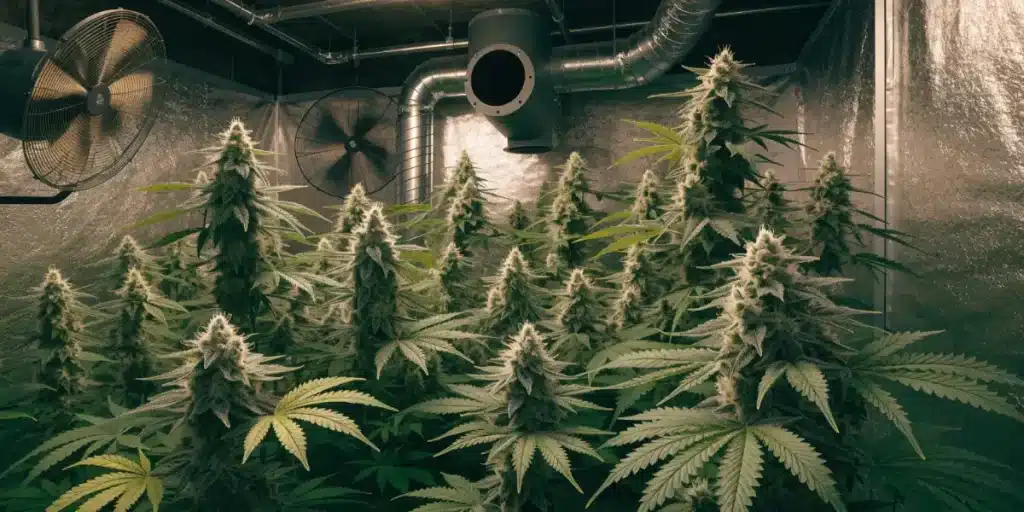
To lower humidity in a grow tent, improve airflow and exhaust so moist air is pulled out faster than the plants release it, add a dehumidifier if ventilation alone is not enough, adjust temperature and lighting, and keep the canopy open with sensible defoliation and watering. Aim for 50 to 70% relative humidity in veg and 40 to 50% in flower.
Why high humidity ruins your harvest
Before the fixes, it helps to know what you are protecting. A tent that sits too damp is not just a comfort problem, it is a direct threat to the crop. When relative humidity climbs through late flowering, moisture gets trapped inside dense colas and creates the exact conditions bud rot and powdery mildew need to take hold. A single infected cola can spread and cost you a chunk of the harvest in days.
Recommended Strains

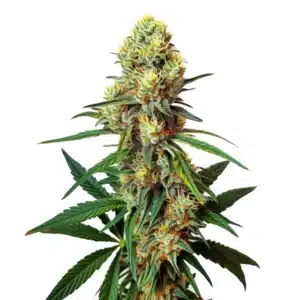
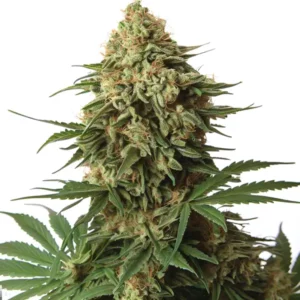
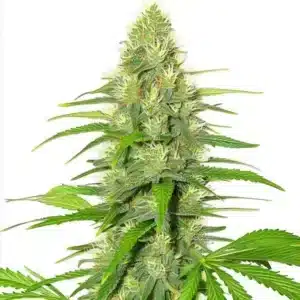
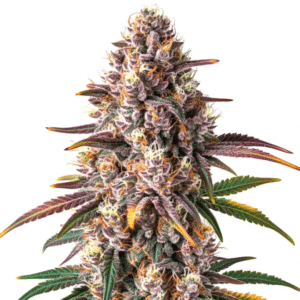
POG

|
THC | 24% - 28% (High) |

|
Type | Feminized |

|
Yield | High |

|
Phenotype | 60% Indica / 40% Sativa |

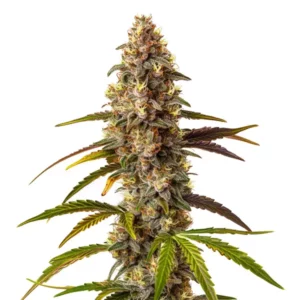
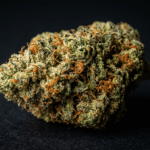
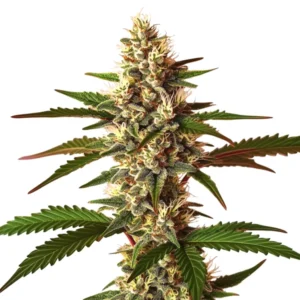
Black Domina
|
|
THC | 15% - 20% (Medium) |
|
|
Type | Feminized |
|
|
Yield | High |
|
|
Phenotype | 95% Indica / 5% Sativa |
Equipment helps, but your genetics are the first line of defense. Strains with a slightly airier bud structure and sturdy, resilient backgrounds shrug off humidity far better than the densest possible flowers, so starting with resistant plants lowers the risk before you plug anything in. If you grow in a space where humidity is hard to control, lean toward hardy, mold-tolerant varieties from our best autoflowering seeds and classic resilient indicas like Northern Lights x Mazar. Good genetics will not replace airflow, but they buy you margin when the environment slips.
Promos & Deals

Measure before you adjust
You cannot control what you are not watching. A cheap hygrometer placed at canopy height, not on the tent floor, tells you the relative humidity the buds actually experience. Check it at both lights-on and lights-off, since humidity usually spikes in the dark period, when temperatures fall and the plants keep transpiring. A reading that looks fine during the day can be well into the danger zone at night.
Keep your stage targets in view as you read it: around 65 to 70% for seedlings, 50 to 70% in vegetative growth, and 40 to 50% in flower, drifting to the low end in the final weeks. Growers who want to fine-tune further track vapor pressure deficit, or VPD, which folds temperature and humidity into a single figure for how hard plants transpire. For most tents, though, simply hitting the relative humidity range for each stage is enough.
Improve ventilation and exhaust
Airflow is the cheapest and most effective humidity control you have. Plants constantly release water through transpiration, so if that damp air just sits inside the tent, humidity climbs no matter what else you do. The goal is to exchange the full volume of air in the tent roughly once a minute.
Run an exhaust fan vented out of the tent, paired with a passive or active intake that brings in drier air from the room. Position the exhaust high, where warm moist air collects, and the intake low. Add a small oscillating fan inside to keep air moving across and under the canopy so no dead, humid pockets form around the buds. Dialing in ventilation first often solves the problem on its own.
Add a dehumidifier
If strong ventilation still leaves you above target, a dehumidifier is the most direct tool for the job. It pulls water out of the air and gives you steady control that fans alone cannot, which matters most in late flower when a heavy, mature canopy is transpiring hard and the margin for error is thin.
Use your relative humidity targets as the guide: around 65 to 70% for seedlings, 50 to 70% through vegetative growth, and 40 to 50% in flower, trending to the lower end in the final weeks. Place the unit so its output does not blow directly onto the plants, and empty or drain it regularly, since a full reservoir simply stops working and lets humidity creep back up.
Adjust temperature and lighting
Temperature and humidity are linked, so you can use one to influence the other. Warmer air holds more moisture, which sounds bad, but a slightly higher tent temperature combined with good exhaust helps carry humidity out rather than letting it condense on leaves and buds. The practical range for most grows is about 70 to 85 degrees Fahrenheit with the lights on.
Your light choice plays in too. LED fixtures run cooler than older HID lamps, which keeps leaf surfaces closer to air temperature and reduces condensation risk, though it also means the room itself may need to stay a touch warmer. Running lights during the coldest part of the day, often overnight, can also help you avoid the temperature drops that spike humidity when the lights switch off.
Plant maintenance and watering
How you manage the plants themselves has a real effect on tent humidity. A jungle of overlapping fan leaves traps moisture against the buds and blocks airflow. Thinning a few of the largest fan leaves, especially lower down and in the dense center, opens the canopy so air can move through and dry the flowers.
Spacing matters for the same reason. Crowding too many plants into one tent raises the collective transpiration and kills airflow, so fewer, well-trained plants almost always run drier. Water in the morning or early in the light cycle rather than at lights-off, avoid overwatering, and remove standing runoff quickly, since wet soil and trays feed humidity all day long.
Frequently asked questions
What is a cheap way to lower humidity in a grow tent?
The cheapest fix is better airflow: run an exhaust fan vented out of the tent, add an intake for drier room air, and keep a small fan moving air across the canopy. Thinning dense fan leaves, spacing plants out, watering earlier in the light cycle, and removing runoff all cut humidity without buying new equipment.
Will a fan lower humidity in a grow tent?
An internal circulation fan does not remove moisture on its own, but it prevents the stagnant, humid pockets around buds where mold starts, which is a big help. To actually lower humidity you need an exhaust fan that pushes moist air out of the tent, paired with an intake. Circulation and exhaust fans work best together.
How hot is too hot for a grow tent?
Most cannabis grows comfortably between about 70 and 85 degrees Fahrenheit with lights on. Sustained temperatures above roughly 85 degrees start to stress plants, slow growth, and can harm buds and terpenes. If your tent runs hot, improve exhaust, raise the light, or run lights during cooler hours to keep temperatures in range.
Is 70% humidity too high for plants?
It depends on the stage. Around 70% is fine for seedlings and acceptable early in vegetative growth, but it is too high for flowering plants, where you want 40 to 50%. Holding 70% during flower traps moisture in dense buds and invites bud rot and mildew, so bring it down as the plants mature.