Autoflower vs Feminized Seeds

The short version: autoflowering seeds flower automatically with age and finish fast, usually in 8 to 11 weeks from seed, while feminized seeds are all-female photoperiod plants that flower when you change the light cycle, take longer, and tend to grow bigger with higher ceiling yields. Most autoflowers are also feminized, so the real choice is speed and simplicity versus size and control.
What is the difference between autoflower and feminized seeds?
The two labels describe different things, which is where most of the confusion starts. “Feminized” refers to the plant’s sex: the seeds are bred to grow into female, bud-producing plants, so you do not have to identify and remove males. “Autoflowering” refers to how the plant decides to flower: it switches to bloom based on age rather than the light schedule.
Recommended Strains
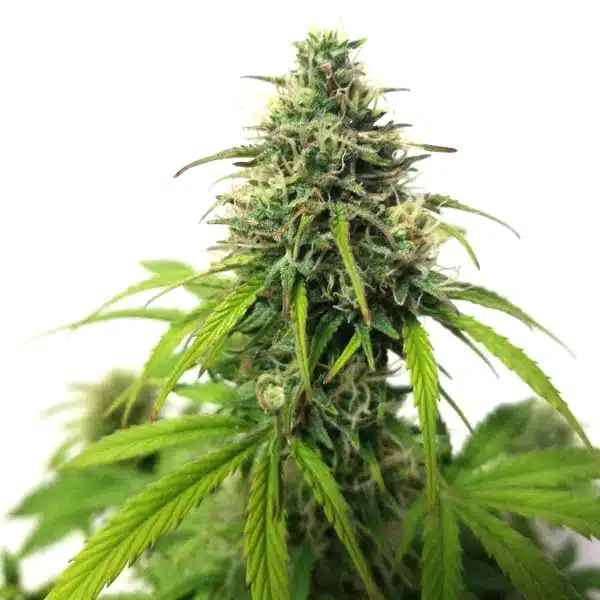


That means the labels overlap. A feminized seed is usually a photoperiod plant that needs a shift to a 12/12 light cycle to flower, while an autoflower runs on its own clock regardless of light hours. Because most modern autoflowers are sold feminized too, the honest comparison growers are really making is autoflower versus feminized photoperiod.
Promos & Deals
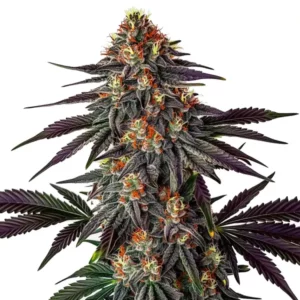
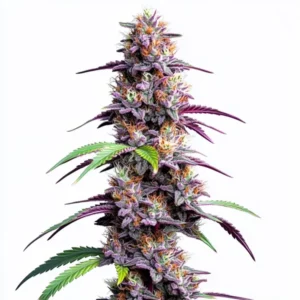
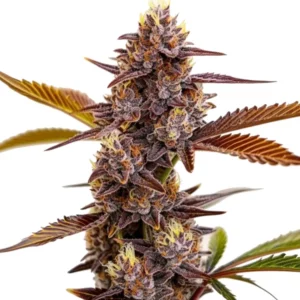

Autoflower vs feminized: speed, yield and potency
Each type has a clear personality. Autoflowers are fast and low-maintenance; feminized photoperiods are larger and more controllable. Here is how they line up on the factors that usually decide a purchase.
| Factor | Autoflowering | Feminized (photoperiod) |
| Flowering trigger | Automatic, by age | Light cycle change to 12/12 |
| Seed to harvest | About 8 to 11 weeks | About 12 to 16 weeks or more |
| Plant height | Compact, often 2 to 4 feet | Taller, trainable to the space |
| Harvests per year | Several, back to back | Fewer, larger cycles |
| Grower control | Limited, fixed timeline | High, veg as long as you want |
| Yield ceiling | Good for the size and speed | Higher per plant when dialed in |
| Best for | Speed, small spaces, beginners | Maximum yield, training, control |
On potency, the old idea that autoflowers are weak no longer holds. Modern autoflowering genetics reach the same high THC ranges as photoperiod strains, so the gap today is mostly about size and timeline rather than strength. Flavor and terpene depth have closed the same way, with current autos matching photoperiods across sweet, fruity, and fuel profiles. Compare specific strains on their own product pages, since the real numbers vary plant by plant.
Are autoflowers always female?
Not automatically. Autoflowering only describes the flowering behavior, not the sex. An autoflowering seed can still be regular, meaning it may grow male or female. What guarantees all-female plants is the feminized label, which is why most growers buy feminized autoflowering seeds to get both the automatic flowering and the female plants in one.
So if you want to skip sexing plants entirely, check that the seeds are feminized, whether they are autoflowering or photoperiod. The two traits are bred together often, but they are not the same promise.
Which is better for beginners?
For a first grow, autoflowers usually win. They remove the trickiest variable, the light schedule, because they flower on their own no matter how many hours of light they get. They also stay short, finish quickly, and are more forgiving of small mistakes, so you reach harvest before minor errors compound. Our best autoflowering seeds collection is built around exactly these easy, fast, reliable varieties.
Feminized photoperiods are not hard, but they ask more of you: a light-proof flowering space, a timer you trust, and the patience to veg and train. Many growers start with autoflowers, learn the basics, then move to feminized seeds when they want bigger plants and more control over the outcome.
Autoflower, feminized or photoperiod: which should you grow?
Match the seed to your goal and your space. Choose autoflowers when you want speed, several harvests a year, a small or stealthy setup, or a simple first grow. Choose feminized photoperiods when you have the height and time to veg plants out, want to train a large canopy, and are chasing the biggest possible yield per plant.
Climate and season matter too. Autoflowers suit short outdoor seasons and tight indoor tents because they finish fast and stay small, while photoperiods make the most of a long summer or a tall indoor space. There is no single right answer, only the type that fits how and where you grow.
Quick scenarios: which seed fits you
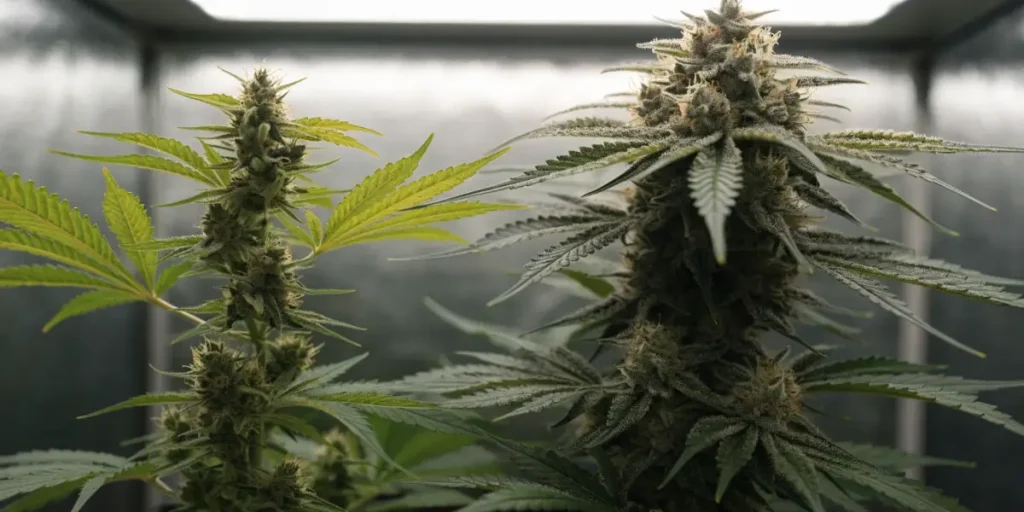
If you are growing for the first time, working in a closet or small tent, or you want several harvests across the year, autoflowers are the straightforward call. They forgive timing mistakes, stay small, and reach harvest fast, so you learn the full cycle without a long wait or a light-proofing project to manage.
If you have vertical room, a properly dark flowering space, and the patience to veg and train, feminized photoperiods reward that effort with bigger plants and the highest per-plant yields. Growers who want to lock in a specific phenotype and clone it also lean photoperiod, since autoflowers do not clone usefully. Plenty of people simply run both: autos for speed and quick turnarounds, photoperiods for size and control.
Frequently asked questions
Is it worth growing autoflowers?
For many growers, yes. Autoflowers are worth it when you value speed, simplicity, multiple harvests a year, or a small and discreet setup. They finish in 8 to 11 weeks, flower without a light schedule, and modern genetics hit high potency. The trade-off is a fixed timeline and usually a smaller plant than a well-grown photoperiod.
Do autoflowers or feminized seeds yield more?
Per plant, a well-grown feminized photoperiod usually yields more because you can veg it longer and train a larger canopy. Autoflowers yield less per plant but make up ground over a year, since you can run several fast cycles back to back. Yield depends heavily on the specific strain, space, and how you grow.
Can you clone an autoflower?
Not usefully. A clone shares the age of the mother, and because autoflowers flower by age, a cutting will try to bloom almost immediately with little growth. Photoperiod feminized plants clone well, which is one reason growers who want to copy a favorite plant choose photoperiods over autoflowers.
How many hours of light do autoflowers need?
Autoflowers flower regardless of light hours, so growers run them on generous schedules for maximum growth, commonly 18 hours on and 6 off, or 20 on and 4 off, for the whole cycle. More light generally means more energy for buds, while photoperiod plants instead need a switch to 12 hours of light to trigger flowering.