Grape Gas Strain: Genetics, Effects and Growing

Grape Gas is a bold, modern hybrid built around a clash of flavors: sweet grape candy on one side, sharp diesel fuel on the other. The result is a loud, memorable strain with colorful, resinous buds and a potent, relaxing high. For anyone who loves gassy, fruit-forward genetics, it is a standout. Here is a closer look at its profile, effects, and growing.
Genetics and lineage
Grape Gas is a flavor-driven hybrid that leans indica, bred to combine a sweet grape fruitiness with a pungent diesel, gas aroma. Several breeders have released versions under the name, so exact parentage varies, but the common thread is a cross of grape-flavored, purple-leaning genetics with a loud fuel or diesel parent.
Recommended Strains

Grape Gas Cannabis Extraction

|
THC | 15% - 24% (High) |

|
Type | Cannabis Extraction |

|
Yield | Medium |

|
Phenotype | 60% Indica / 40% Sativa |

Grape Ape
|
|
THC | 15% - 25% (High) |
|
|
Type | Feminized |
|
|
Yield | High |
|
|
Phenotype | 90% Indica / 10% Sativa |
That pairing is the whole point of the strain: it is designed to deliver two very different notes at once. The grape side brings sweetness and color, while the gas side adds the sharp, skunky pungency that gives the strain its edge and its name.
Promos & Deals

Appearance, aroma and flavor
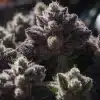
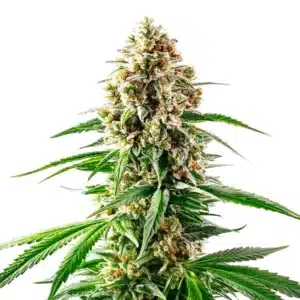
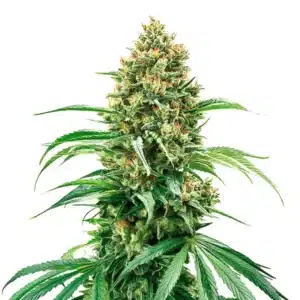
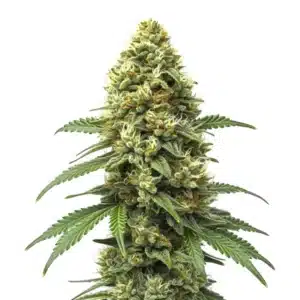
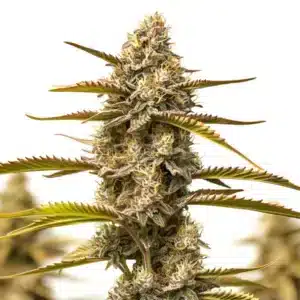
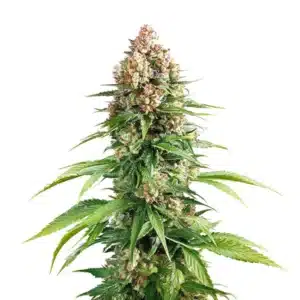
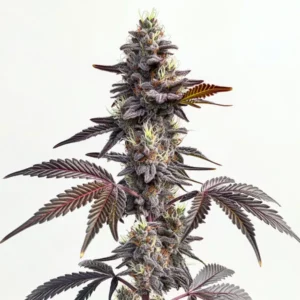
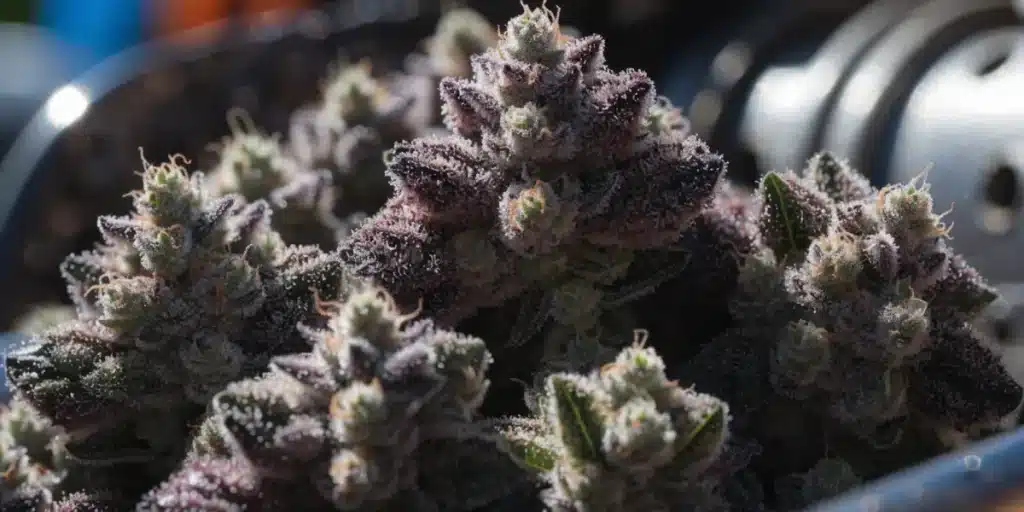
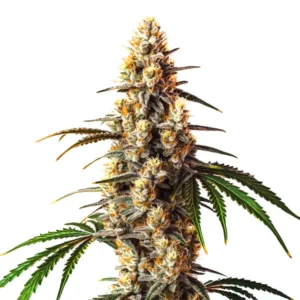
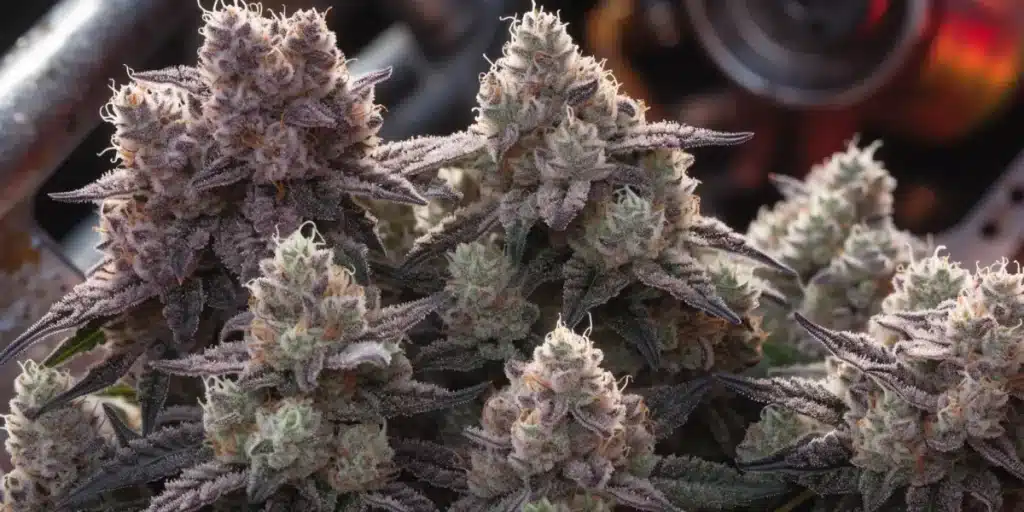
Grape Gas typically produces dense, resinous buds that often show purple hues against a heavy coat of trichomes, the colorful, frosty look that signals its grape heritage and strong bag appeal.
The aroma and flavor are where it earns its reputation. Sweet grape and berry lead, then give way to a sharp, pungent diesel and gas note on the exhale. It is a loud, complex profile that stands apart from simpler candy strains, and it tends to win over anyone who enjoys a fuel-forward smoke with real sweetness behind it.
Effects
Grape Gas is potent and leans toward a relaxing, physical high. It often opens with a happy, euphoric lift that brightens the mood before settling into a deep body calm, which makes it better suited to late afternoon and evening than a busy day.
Because it hits hard, newer users should go modestly, but the balance keeps it enjoyable rather than purely sedating. You can explore similar potent, flavor-forward genetics in our high THC seeds collection.
Growing Grape Gas
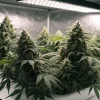
Grape Gas produces colorful, resinous buds and rewards growers who protect its color and loud flavor. Cooler nights late in flower encourage the purple tones, while steady airflow and humidity control keep the dense, frosty buds healthy and free of trapped moisture.
Its heavy trichome coverage also makes it a strong candidate for concentrates, where the gassy, grape terpenes carry through well. Because versions differ by breeder, check the specific seeds for flowering time and yield, and browse comparable indica-leaning hybrids in our indica seeds collection.
Why grow Grape Gas
Grape Gas is a strong pick if you want a loud, two-sided flavor and a potent, relaxing high. Few strains deliver such a clear clash of sweet grape and sharp diesel, which gives it genuine character and standout bag appeal.
Its color and resin also make it satisfying to grow and show off, and its terpene profile suits people who press rosin or wash hash. If you enjoy gassy, fruit-forward genetics, it fits right alongside the modern dessert and fuel strains that dominate the current market.
The grape and gas flavor trend
Grape Gas sits squarely in a wider movement toward loud, two-note cannabis, where breeders deliberately pair contrasting flavors to create something more memorable than a single sweet or gassy profile. Grape and diesel is one of the most popular of these combinations, because the sweetness and the fuel play off each other instead of blending into something flat.
For a grower, that makes Grape Gas a good example of where flavor-focused breeding has gone. If you have enjoyed other gassy strains but wanted more fruit, or sweet strains but wanted more punch, Grape Gas is built to scratch both itches at once, which is a big reason the name keeps appearing across different breeders’ catalogs.
Tips for color and loud flavor
Grape Gas carries the genetics for purple, pungent buds, but the grow decides how much shows up. The purple comes out strongest when night temperatures drop in the final two to three weeks of flower, so letting the dark period run a few degrees cooler can deepen the color. Keep this gentle, since a cold, damp tent risks mold in the dense buds, so hold airflow steady as the flowers fatten.
To protect the grape-and-gas terpenes, ease off heavy nitrogen late in flower, then dry slow and cure in glass for a few weeks, burping the jars early on so the pungent aroma sharpens instead of fading. If you plan to press rosin, harvest when most trichomes are cloudy with a little amber for the best balance of flavor and potency.
Who Grape Gas suits best
Grape Gas suits people who want a loud, flavor-first experience and a potent, relaxing high, especially in the evening. The sweet grape appeals to fruit lovers, while the diesel edge satisfies those who chase gas, so it tends to win over both camps. If you prefer a mild, clear-headed daytime strain, something lighter and more sativa-leaning will suit you better than this heavy, pungent hybrid.
Frequently asked questions
What does Grape Gas taste like?
Grape Gas leads with sweet grape and berry, then shifts into a sharp, pungent diesel and gas note on the exhale. It is a loud, two-sided profile that sets it apart from simpler candy strains. That clash of sweet fruit and fuel is the whole point of the strain and the reason it has become a favorite among flavor chasers.
Is Grape Gas indica or sativa?
Grape Gas is a hybrid that leans indica. The effect often opens with a happy, euphoric lift before settling into a deep body relaxation, which makes it better suited to late afternoon and evening use than to a busy, active day. It is potent, so newer users should start with a small amount.
What are the genetics of Grape Gas?
Grape Gas is a flavor-driven hybrid that crosses grape-flavored, purple-leaning genetics with a pungent diesel or fuel parent. Several breeders release versions under the name, so exact parentage varies, but the goal is always the same: to combine sweet grape fruitiness with a sharp gas aroma in one potent, colorful plant.
Is Grape Gas good for concentrates?
Yes. Grape Gas produces dense, resin-heavy buds, and that trichome coverage is what concentrate makers want. The gassy, grape terpenes carry through extraction well, so the loud flavor shows up in rosin or hash. It is a solid choice for growers who want to press or wash their harvest as well as smoke it.
How do I bring out the purple in Grape Gas?
The purple color comes from its genetics combined with cooler night temperatures during late flowering, which bring out the purple pigments. Letting the dark period run a few degrees cooler in the final weeks helps, as long as you keep airflow steady to avoid mold in the dense buds. A slow dry and cure then preserve both the color and the loud aroma.