What Is Croptober? The Outdoor Harvest Season

Every autumn, growers across the Northern Hemisphere start talking about Croptober. It is the stretch of the year when most sun-grown cannabis is cut, dried, and cured, and it shapes everything from flavor to the price of flower. Here is what Croptober means, why it happens in October, where the term comes from, and how it affects the market.
What is Croptober?
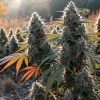
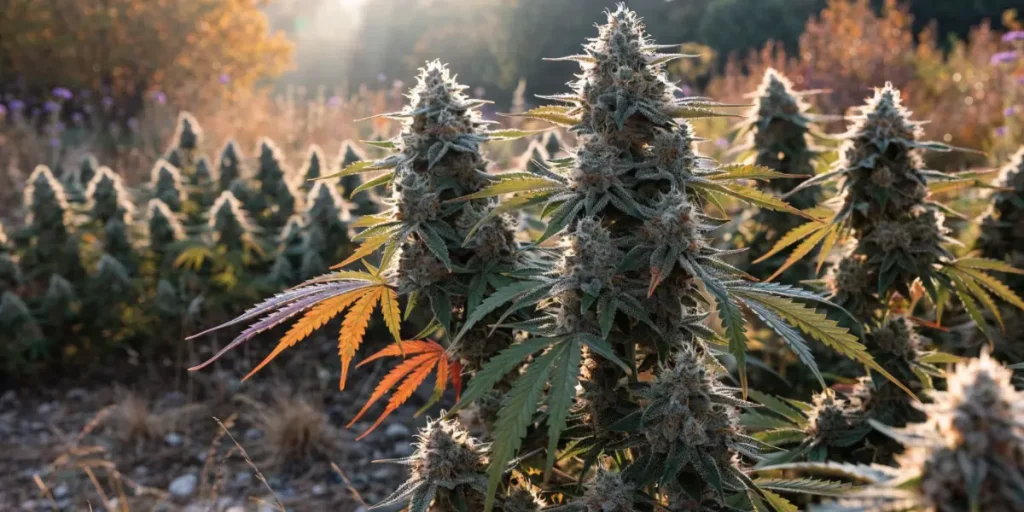
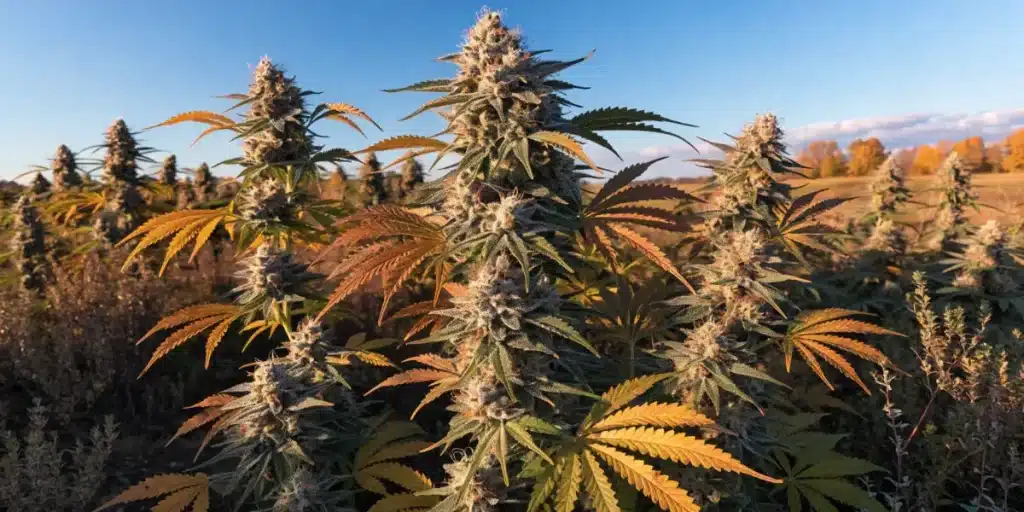
Croptober is the nickname for October, the month when the bulk of outdoor and greenhouse cannabis in the Northern Hemisphere is harvested. It is a blend of “crop” and “October,” and it marks the single biggest harvest window of the year for sun-grown flower.
Recommended Strains

Auto CBD Pineapple

|
CBD | 10% – 12% (Medium) |

|
Type | CBD Autoflowering |

|
Yield | Low |

|
Phenotype | 50% Indica / 50% Sativa |

Aurora Indica Auto

|
THC | 17% - 18% (Medium) |
|
|
Type | Autoflowering |
|
|
Yield | High |
|
|
Phenotype | 70% Indica / 30% Sativa |
Because most outdoor plants are started in spring and mature as the days shorten through late summer and autumn, their harvest clusters tightly around this period. For growers, Croptober is the payoff after a full season in the ground; for the wider market, it is the moment a huge volume of fresh outdoor flower arrives all at once.
Promos & Deals
Why does outdoor cannabis mature in October?
The timing comes down to plant biology. Cannabis is a short-day plant, which means photoperiod varieties begin flowering when nights grow long enough, not on a fixed calendar date. Outdoors in the Northern Hemisphere, that trigger arrives after the summer solstice as daylight steadily shrinks, and flowering accelerates through September.
Most photoperiod strains then need several weeks to finish ripening, which lands the bulk of harvests in October. Earlier-finishing and fast-flowering varieties can be ready in late September, while long-flowering sativas and hazes may run into November, but October sits in the middle as the peak. Autoflowering plants are the exception, since they flower on age rather than daylight and can be harvested at several points across the season.
Where did Croptober start?
The term is rooted in the culture of large-scale outdoor growing, most famously the Emerald Triangle of Northern California, made up of Humboldt, Mendocino, and Trinity counties. That region built its identity around sun-grown cannabis, and its single, season-defining autumn harvest gave rise to the Croptober shorthand.
From there the word spread with cannabis culture itself. Today growers across the United States, Europe, and beyond use Croptober to describe their own outdoor harvest season, even though the exact timing shifts a little with latitude and local climate. It has become a seasonal marker the whole community recognizes.
How does Croptober affect the market and prices?
Croptober is as much an economic event as a horticultural one. When a year’s worth of outdoor flower hits the market in a matter of weeks, supply spikes sharply. Basic economics takes over from there: the sudden influx tends to push wholesale prices down through late autumn and into winter, especially for outdoor and bulk flower.
That seasonal dip ripples outward. Processors often stock up on raw material for extracts and edibles during this window, and the glut of fresh outdoor product can shift what is available and affordable for months afterward. Indoor flower, grown year-round and marketed as premium, is less exposed to the swing but is not entirely immune to it.
Indoor vs outdoor: does Croptober apply to indoor grows?
Not really, and that contrast is the whole point. Indoor growers control the light cycle themselves, flipping their plants into flower whenever they choose and harvesting on their own schedule year-round. For them there is no single season, so Croptober is largely a non-event.
Croptober belongs to the outdoor and greenhouse world, where the sun sets the calendar. Greenhouse growers sit somewhere in between, since they rely on natural light but can sometimes nudge timing with supplemental lighting or light deprivation. For a home grower deciding between the two, the takeaway is simple: grow outdoors and you join the Croptober rhythm, grow indoors and you set your own.
Making the most of your own Croptober
For home growers, Croptober is both exciting and a little stressful, because autumn also brings cooler nights, damp mornings, and the rising risk of mold just as the buds are at their heaviest. Choosing the right genetics is half the battle. Fast-finishing and mold-resistant varieties let you harvest before the worst of the autumn weather sets in, which is why many outdoor growers lean on our fast-flowering seeds and autoflowering seeds to stay ahead of the season.
The other half is timing the cut correctly and planning for drying space, since a big outdoor harvest needs room and airflow all at once. For a full seasonal checklist, see our guide on growing cannabis outdoors, and watch the weather closely as the equinox passes.
Frequently asked questions
What does Croptober mean?
Croptober is a nickname for October, the month when most outdoor and greenhouse cannabis in the Northern Hemisphere is harvested. It combines “crop” and “October” and marks the biggest sun-grown harvest window of the year, when a full season’s flower is cut, dried, and cured in a matter of weeks.
Why is cannabis harvested in October?
Cannabis is a short-day plant, so outdoor photoperiod varieties start flowering as nights lengthen after the summer solstice. Flowering accelerates through September, and most strains need several weeks to finish ripening, which lands the bulk of outdoor harvests in October. Earlier strains finish in late September and long-flowering sativas can run into November.
Does Croptober affect cannabis prices?
Yes. When a year’s worth of outdoor flower reaches the market within a few weeks, supply spikes and wholesale prices tend to fall through late autumn and winter, especially for outdoor and bulk flower. Processors often buy raw material during this window, and the glut can shape availability and pricing for months.
Does Croptober apply to indoor growing?
Not really. Indoor growers control the light cycle themselves and harvest year-round on their own schedule, so there is no single season for them. Croptober belongs to outdoor and greenhouse growing, where the shortening days of autumn set the harvest calendar for sun-grown plants.
When does Croptober start and end?
Croptober centers on October but stretches from roughly late September through November, depending on latitude, climate, and strain. Fast-flowering and early varieties can be ready in September, October is the peak for most photoperiod strains, and long-flowering sativas and hazes may finish in November in milder regions.