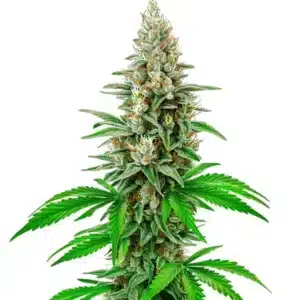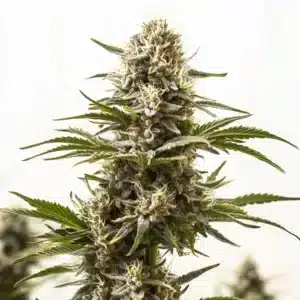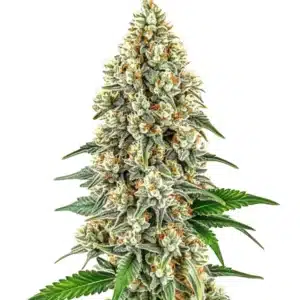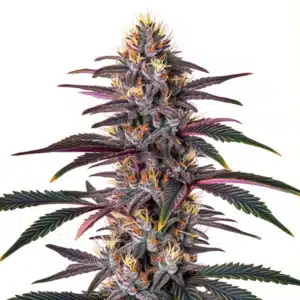
Best Cannabis Strains for Small Grow Tents

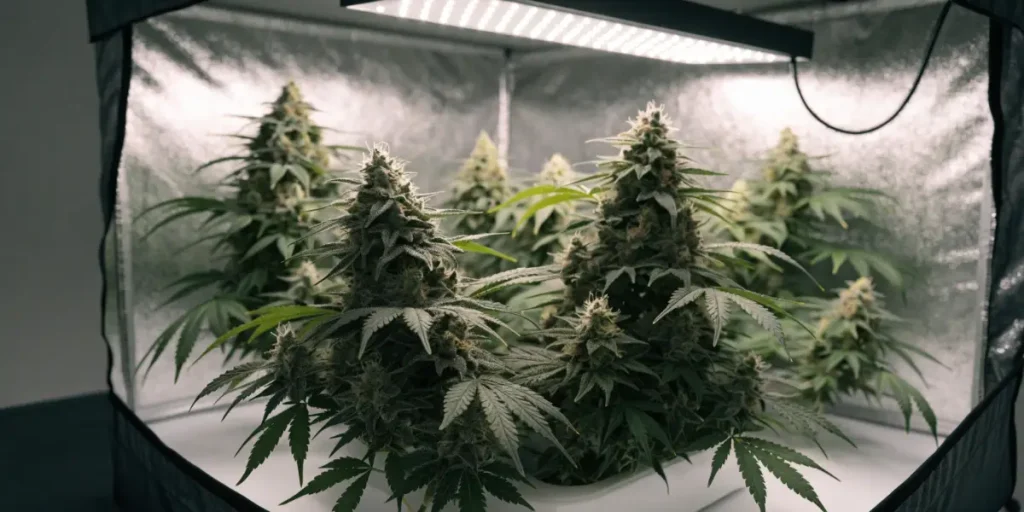
The best cannabis strains for a small grow tent are compact, indica-leaning or autoflowering plants that stay short, resist mold, and still deliver a heavy harvest from a 2×2 or 30″x30″ footprint. Height and stretch are what make or break a small-space grow, so the picks below were chosen for a low, manageable canopy first and potency second.
What makes a strain right for a small grow tent?
A small tent limits height, airflow, and the number of plants you can run, so the genetics have to do the heavy lifting. Four traits matter most. Short final height, usually under 4 to 4.5 feet, keeps the canopy away from the light. A compact, bushy structure fills the footprint without a single plant dominating it. Fast flowering shortens the cycle and limits how long heat and humidity build up inside a tight space. And sturdy, mold-resistant genetics protect dense buds when airflow is harder to control.
Recommended Strains

Aurora Indica Auto

|
THC | 17% - 18% (Medium) |

|
Type | Autoflowering |

|
Yield | High |

|
Phenotype | 70% Indica / 30% Sativa |

Black Widow Auto
|
|
THC | 22% - 23% (Medium) |
|
|
Type | Autoflowering |
|
|
Yield | High |
|
|
Phenotype | 70% Indica / 30% Sativa |
This is a tighter brief than general indoor growing. If you want a broader look at strong indoor performers regardless of space, our guide to the best indoor cannabis strains covers that ground, while everything here is filtered specifically for short, controllable plants in a small tent.
Promos & Deals

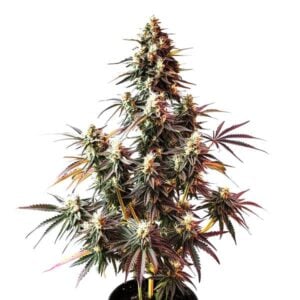

Best autoflower strain for a 2×2 or 30″x30″ tent
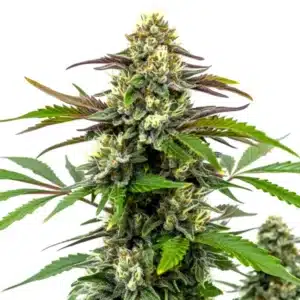
For a true 2×2, an autoflowering indica is the safest answer, and Aurora Indica Auto is the standout. It finishes around 3.3 feet tall, flowers in 8 to 9 weeks from seed, and holds a compact shape that suits a single-plant tent without heavy training. Autoflowers remove the light-cycle guesswork that trips up new growers, and their short stature is exactly what a small footprint needs.
Compact indica and autoflowering picks
Each strain below is a feminized autoflower, a classic indica, or a high-yield workhorse that stays within reach of a small tent. Heights are the breeder’s indoor figures, so treat them as a ceiling you can lower with training.
Aurora Indica Auto
A 70% indica autoflower that tops out near 3.3 feet, Aurora Indica Auto is built for the smallest footprints. It runs an 8 to 9 week cycle from seed, carries earthy, spicy flavors, and leans toward a relaxing, sedative effect. The short structure and quick turnaround make it the most forgiving pick on this list.
Black Widow Auto
If you want more punch without more height, Black Widow Auto stays around 3.6 feet while pushing THC into the low 20s. It is a 70% indica that finishes in 8 to 9 weeks, with fruity, lemony notes and a heavy, relaxing body feel. The compact size and dense flowers make it a strong single-plant option for a 2×2 or small closet.
Big White Widow Auto
A cross of White Widow and Big Bud over a ruderalis base, Big White Widow Auto brings classic resin and real weight to a plant that holds near 4.3 feet. It flowers in 9 to 10 weeks and pairs a high THC range with sweet, earthy, citrus flavors. This is the pick when you want maximum yield from an autoflower and can give it a little room.
White Rhino Auto
White Rhino Auto is an indica-dominant autoflower around 4.3 feet, built on White Widow and Maple Leaf indica genetics. It flowers in 9 to 10 weeks, produces thick, resin-coated buds, and leans sleepy and calming. Its sturdy frame and dense structure suit a tent where you want a reliable, heavy single plant.
Northern Lights x Mazar
For growers who prefer a photoperiod plant, Northern Lights x Mazar is a classic indica that finishes near 5.2 feet before training. That is tall for a 2×2, so plan to top it or tie it down early. In return you get the easygoing, resinous Northern Lights character, an 8 to 10 week flower, and earthy, pine, and sweet flavors.
Big Bud Regular
Big Bud is the name growers reach for when yield is the goal, and Big Bud Regular is an 85% indica that stays near 4.3 feet with one of the fastest flowering times here, 7 to 9 weeks. As regular seeds it suits growers comfortable with sexing plants, and it rewards them with heavy, citrus-sweet colas.
Photoperiod vs autoflower in tight spaces
In a small tent the choice usually tips toward autoflowers. They stay shorter, finish faster, and flower on their own schedule, so a stray light leak or an inconsistent timer does less damage. For a 2×2 or a cabinet, that predictability is worth more than a few extra grams.
Photoperiod strains still earn their place when you can control height. They let you keep plants in veg until they fill the space, then flip to flower, and strong training can hold a naturally tall plant like Northern Lights x Mazar to the canopy you want. If you are newer to indoor growing or short on headroom, start with autoflowers; if you want to shape the plant and run perpetual harvests, photoperiods reward the extra effort. The full autoflowering seeds and indica seeds collections give you more compact options in each camp.
Training to keep the canopy low
Genetics set the ceiling, but training is how you actually keep a plant under the light in a small tent. Low stress training, or LST, means gently bending and tying down the main stem and branches so the plant grows wide and flat instead of tall. It is the simplest, lowest-risk method and works well with autoflowers, which do not have time to recover from heavier techniques.
Sea of Green, or SoG, takes the opposite route: run several small plants flipped to flower early, so each one stays short and the canopy fills quickly. ScrOG, the screen of green, uses a horizontal net to spread an even canopy and is better suited to photoperiod plants you can veg longer. For most small-tent growers, LST on a compact autoflower is the easiest path to a flat, productive canopy.
Avoiding mold in a small tent
A small tent concentrates heat and humidity, and dense indica buds are exactly the kind that trap moisture. Sturdy, resistant genetics are your first line of defense, which is why the picks above favor compact plants with airier internal structure over the densest possible colas. Starting with resilient strains lowers the risk before you touch an environmental control.
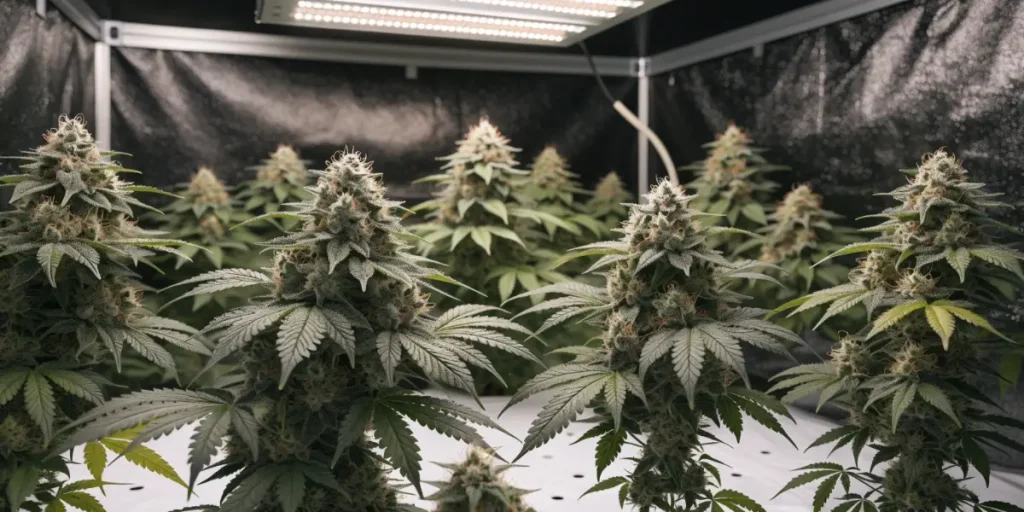
From there, airflow does the rest. Keep a small clip fan moving air through the canopy, avoid overcrowding the tent, and watch humidity closely during late flowering when buds are heaviest. Defoliating a few fan leaves to open up the center of the plant also helps air reach the spots where bud rot usually starts.
Frequently asked questions
What is the best strain for a 2×2 grow tent?
For a 2×2 tent, a compact autoflowering indica like Aurora Indica Auto is the best starting point. It finishes around 3.3 feet tall, flowers in 8 to 9 weeks, and holds a tidy shape that fits a single-plant footprint without heavy training, which makes it forgiving for newer indoor growers.
Are autoflowers or photoperiods better for a small grow tent?
Autoflowers usually win in a small tent because they stay shorter, finish faster, and flower regardless of the light cycle, so timer slips and light leaks matter less. Photoperiods are still worth it if you can train plants to control height and want to run perpetual harvests in the same space.
How tall should a strain be for a small indoor grow?
Aim for strains that finish under about 4 to 4.5 feet indoors, and leave headroom for the stretch early in flowering. Autoflowers near 3 to 4 feet are ideal for a 2×2. Taller photoperiod plants can still work if you top them or use low stress training to hold the canopy down.
Which compact strains resist mold best?
Look for sturdy genetics with a slightly airier bud structure rather than the densest possible colas, since tight buds trap moisture in a warm tent. Resilient indica and autoflowering hybrids are a good base. Pair them with steady airflow, sensible plant spacing, and humidity control during late flowering for the cleanest result.
How many plants can I grow in a small tent?
A 2×2 tent comfortably holds one trained plant or two or three smaller autoflowers run Sea of Green style. Crowding more in restricts airflow and raises the mold risk. Fewer, well-trained plants with an even canopy almost always outperform a tent packed tight with competing ones.