Cannabis Policy Change Wins Voter Support in the 2026 Midterm Elections

On November 3, 2026, voters in Massachusetts, Idaho, and Houston weighed in on cannabis policy, and the three results pointed the same way: away from tighter restrictions. Massachusetts kept its recreational retail market, Idaho protected the public’s right to put drug-policy questions on the ballot, and Houston told its police department to stop prioritizing low-level marijuana arrests.
| State / City | Measure | Result | What it changes |
| Massachusetts | Question 8 (repeal recreational sales) | Rejected, 75.63% no | Keeps the regulated recreational market |
| Idaho | HJR 4 (limit citizen initiatives) | Rejected, 66.26% no | Protects citizen-led drug-policy votes |
| Houston, Texas | Proposition A (Houston Freedom Act) | Approved, 71.49% yes | Makes minor marijuana cases the police’s lowest priority |
None of these votes legalized cannabis nationwide. Federal prohibition still stands, and state law still decides where marijuana can be grown, sold, and used. What the results show is narrower and more useful: when voters are asked to roll back cannabis access, or to limit how that access gets decided, they are saying no.
Recommended Strains


Massachusetts rejects Question 8 and keeps recreational sales
Massachusetts produced the clearest industry result of the night. About 75.63% of voters rejected Question 8, against 24.37% in favor. The measure would have repealed the 2016 recreational cannabis law and dismantled the regulated adult-use market, while keeping the medical program and limited personal possession for adults 21 and older. Its changes were scheduled to take effect on January 1, 2028.
The stakes were mostly economic. State voter materials reported that recreational cannabis taxes brought in roughly $280 million in state revenue and $50 million in local revenue in fiscal year 2025. A repeal would have reached well beyond dispensaries, touching cultivators, manufacturers, testing labs, distributors, their employees, and the towns that collect cannabis tax.
Consumer protection was the other main argument. Massachusetts regulates production and retail through licensing, product testing, labeling, and age checks. Opponents of Question 8 argued that scrapping the legal market would push buyers toward unregulated sellers with none of those safeguards; supporters raised public-health and road-safety concerns. Voters sided with keeping the system they had built.
For breeders and seed banks, the outcome preserves a stable, predictable legal environment. A catalog like Blimburn Seeds keeps classic genetics such as Blue Dream, GG4, and Amnesia, and that kind of business depends on clear rules more than on any single vote. Growers in the state can see how Massachusetts frames adult use on our Massachusetts cannabis seeds page. Seeds are sold as adult collectibles and for uses permitted where the buyer lives; this is general information, not legal advice.
Promos & Deals
Idaho rejects HJR 4 and keeps citizen initiatives alive
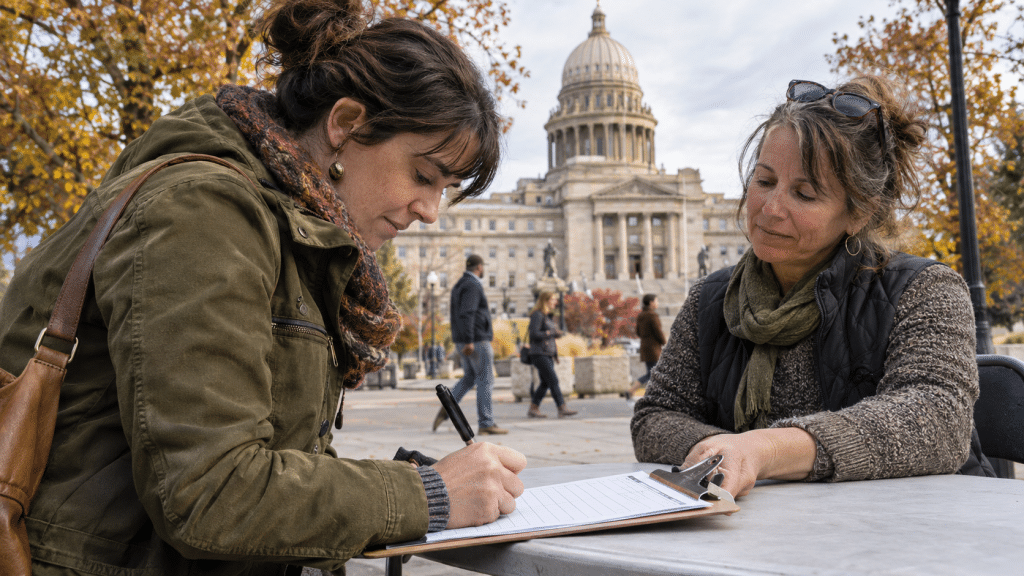
Idaho voters turned down House Joint Resolution 4 (HJR 4) by about 66.26% to 33.74%. The proposed constitutional amendment would have handed the state legislature exclusive power over legalizing marijuana, narcotics, and other psychoactive substances, removing the public’s ability to bring those questions through citizen initiatives.
This did not legalize anything. Both medical and recreational cannabis remain illegal in Idaho, one of the strictest states in the country. What the vote preserved is a process: residents who gather enough signatures can still propose drug-policy changes directly, instead of waiting on the legislature. HJR 4 had already cleared the Idaho House 58-10 and the Senate 29-6 in March 2025, so the final no came from voters alone.
The result also draws a line worth noting. Someone can personally oppose recreational marijuana and still vote to keep the public’s right to decide. Read that way, the 66.26% is less a verdict on cannabis itself than a defense of how Idaho makes these choices.
Houston approves Proposition A and eases enforcement
Houston passed Proposition A, the Houston Freedom Act, with 71.49% support: 412,934 votes in favor and 164,709 against. The charter amendment makes Class A and Class B misdemeanor marijuana possession the Houston Police Department’s lowest enforcement priority, adds reporting requirements, and bars officers from requesting or carrying out no-knock search warrants.
Unlike the Massachusetts and Idaho votes, this one is purely local and does not touch state law. Texas still treats unauthorized marijuana possession as a crime, and Proposition A does not create dispensaries or a legal retail market. It redirects police resources toward higher-priority cases and supports diversion options, where allowed, such as community service or treatment referrals instead of custody.
Supporters framed it as a question of resources and fairness: serious crime over minor possession, and fewer criminal records for small amounts. Local context helped. The Houston Chronicle reported that Harris County logged nearly three times as many misdemeanor marijuana bookings in 2024 as in 2023. For anyone in Houston, the practical takeaway is narrow: enforcement priorities changed, state and federal prohibition did not.
What the 2026 results mean for cannabis in the US
Three places, three different questions, one shared direction: voters kept or widened the room for cannabis reform instead of closing it. Massachusetts protected a commercial market, Idaho protected a process, and Houston softened local policing. None of that adds up to national legalization, and it was never meant to.
For the industry, the throughline is regulatory stability. Cultivators, extractors, dispensaries, breeders, and seed banks all plan around predictable rules, which is also what keeps genetic diversity alive, from Blue Dream and Runtz to newer lines like Permanent Marker. For the longer view on how these debates tend to split, our piece on the pros and cons of cannabis legalization and the recap of cannabis law in North Carolina are useful next reads.
The bigger picture is that cannabis is still a live ballot issue, decided market by market and city by city. Future elections will bring more questions on medical access, adult-use legalization, taxes, licensing, and criminal-justice reform. The 2026 midterms suggest voters are in no hurry to undo the access that already exists.
Frequently Asked Questions
Did the 2026 midterm elections legalize cannabis in the US?
No. The 2026 results did not legalize marijuana nationwide. Federal prohibition remains in place, and each state still sets its own rules. Massachusetts, Idaho, and Houston voted against tighter restrictions, but cannabis stays illegal under federal law and in many states.
What was Massachusetts Question 8?
Question 8 asked Massachusetts voters to repeal the state’s 2016 recreational cannabis law and shut down the regulated adult-use market, while keeping medical cannabis and limited personal possession. Voters rejected it by about 75.63%, so licensed recreational sales continue under the existing framework.
What does Houston Proposition A actually do?
Proposition A, the Houston Freedom Act, makes minor misdemeanor marijuana possession the Houston Police Department’s lowest enforcement priority and bans no-knock warrants. It does not legalize cannabis: Texas law still prohibits unauthorized possession, so the measure changes local police priorities rather than state law.
Did Idaho legalize marijuana by rejecting HJR 4?
No. Rejecting HJR 4 did not legalize cannabis in Idaho, where medical and recreational marijuana remain illegal. The vote only preserved the public’s ability to propose future drug-policy changes through citizen initiatives, instead of leaving those decisions solely to the state legislature.
Can I grow or buy cannabis legally because of these results?
Not automatically. These votes changed specific state and local rules, not federal law, and they do not override the rules where you live. Always check your own state and local regulations. Blimburn Seeds sells seeds as adult collectibles; this article is general information, not legal advice.
Sources
- Massachusetts Question 8 results and summary: Ballotpedia; Massachusetts Secretary of the Commonwealth official election results.
- Idaho HJR 4 results and legislative history: Ballotpedia; Idaho Secretary of State.
- Houston Proposition A results and charter text: City of Houston, 2026 Charter Amendment Election information; Ballotpedia.
- Harris County misdemeanor booking figures: Houston Chronicle.