Top Common PGR Chemicals Found in Cannabis: Expert Guide

Plant Growth Regulators (PGRs) are substances that influence the growth and development of plants. In cannabis cultivation, these chemicals can be used to control plant size, increase yield, or enhance certain desirable traits. However, the use of common PGR chemicals found in cannabis has sparked debates about their effects and safety.
When you choose cannabis seeds from Blimburn Seeds, you’re looking for quality and purity. That’s why it’s crucial to understand what PGRs are and how they might affect your plants. Whether you’re a first-time seed buyer or an experienced grower, knowing about these chemicals can help you make informed decisions.
Recommended Strains


Let’s delve into the world of cannabis cultivation, examining the common PGR chemicals found in cannabis and how they might impact your growing process.
What Are Plant Growth Regulators in Cannabis?
PGRs are synthetic or naturally occurring compounds that influence plant growth. In cannabis, they are often used to boost growth or manipulate plant characteristics. While this might sound beneficial, the effects of PGR chemicals on cannabis can be complex.
For example, some PGRs can increase the density of cannabis buds. While this might seem like a win, it could also lead to a compromised quality of the plant. Real-life examples show that cannabis grown with certain PGRs might appear visually appealing but lacks the aromatic and flavorful qualities you desire.
Knowing plant growth regulators in cannabis is essential for making wise cultivation choices. These substances, while effective in altering growth patterns, may also diminish the plant’s natural qualities. Growers need to weigh the benefits against the potential downsides, particularly when pursuing high-quality yields.
The debate around the use of PGRs is ongoing, with some growers advocating for their benefits while others caution against their use due to potential health concerns. It’s important to consider both perspectives and make decisions based on your cultivation goals and priorities.
Common Types of PGR Chemicals in Cannabis
Several PGRs are commonly used in cannabis cultivation. These include substances like paclobutrazol, daminozide, and chlormequat chloride. Each of these chemicals has specific effects on plant growth and development.
Paclobutrazol is known for reducing internodal growth, which results in shorter, bushier plants. However, it can also impact the plant’s natural cannabinoid profile, altering its effectiveness and potency.
Daminozide, another common PGR, is used to control the growth rate of plants. While it might seem advantageous for managing plant size, concerns about its safety and potential residues on the final product have been raised.
Knowing the specific roles of these common PGR chemicals found in cannabis is crucial for growers aiming to optimize their cultivation practices. While each PGR offers unique benefits, the potential alterations to the plant’s natural state require careful consideration and monitoring.
Chlormequat chloride, for instance, is often used to increase the hardness of the plant, but its impact on the plant’s natural attributes can be a point of contention. As growers explore these chemicals, the balance between desired traits and natural integrity remains a key focal point.
Promos & Deals

Effects of PGR Chemicals on Cannabis
The effects of PGR chemicals on cannabis vary depending on the type and amount used. While they can enhance certain aspects of growth, they might also pose risks to both the plant and the consumer. Knowing these effects can help you make better choices for your cultivation practices.
Using PGRs might lead to changes in the plant’s appearance, such as denser buds or altered leaf structures. However, these changes can come at a cost. For example, cannabis strains from Blimburn Seeds like GG4, Mango, and Tangie might exhibit their best qualities when grown naturally, without the influence of synthetic PGRs.
Considering the effects of PGR chemicals on cannabis is essential for anyone looking to produce high-quality products. While some growers may achieve the desired physical traits, the potential impact on the plant’s overall quality and consumer experience cannot be overlooked.
Moreover, the long-term implications of using these chemicals, particularly concerning the safety of cannabis PGR chemicals, are still being studied. This uncertainty urges cautious use and highlights the importance of ongoing research and education in cannabis cultivation.
Identifying PGR Use in Cannabis
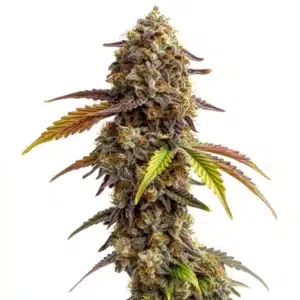
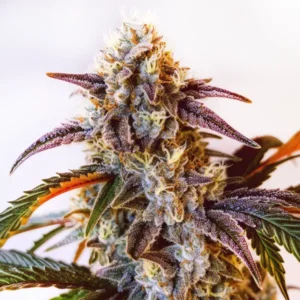
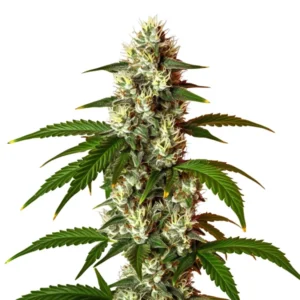
Identifying PGR use in cannabis can be tricky, especially for new growers. However, certain signs can indicate the presence of these chemicals. Dense, rock-hard buds with an unusually bright appearance might suggest the use of common PGR chemicals found in cannabis, which are often associated with artificially enhanced growth patterns.
Additionally, if the plant’s aroma and taste seem subdued or off, this could be another indicator of PGR influence. It’s always a good idea to trust reputable sources like Blimburn Seeds to ensure you’re getting high-quality cannabis seeds.
For those invested in the authenticity of their cannabis, identifying PGR use in cannabis is a skill worth developing. By paying close attention to visual cues and sensory experiences, growers can make informed decisions about the presence of these chemicals.
Regular observation and comparison with known PGR-free strains can also assist in detecting chemical use. This vigilance not only aids in maintaining product quality but also aligns with a commitment to natural cultivation practices.
Cultivating Cannabis Without PGRs
Growing cannabis without PGRs is entirely possible and often leads to a product that’s more aligned with the plant’s natural characteristics. Many growers opt for organic growing methods to avoid the potential downsides of PGRs.
By choosing cannabis strains like Mango or Tangie from Blimburn Seeds, growers can enjoy the plant’s full aromatic profile and potency without the interference of synthetic chemicals. Organic methods often involve using natural fertilizers and pest control techniques to maintain plant health.
Embracing cannabis cultivation without PGRs allows for a more authentic growing experience. Growers who adopt this approach often find that their plants not only meet but exceed expectations in terms of quality and purity.
By focusing on organic practices, growers can avoid the pitfalls associated with synthetic chemicals and instead nurture plants that thrive naturally. This dedication to purity benefits both the grower and the end consumer, ensuring a superior product.
Benefits of PGR-Free Cannabis
PGR-free cannabis tends to maintain its natural flavors, aromas, and cannabinoid profiles. This can lead to a more enjoyable experience for both recreational and medicinal users. The absence of synthetic chemicals also reduces potential health risks associated with PGR residues.
Growers who choose to cultivate cannabis without PGRs often find that the plant’s overall quality and integrity are preserved. While it might require more meticulous care and patience, the results are often worth the effort.
The benefits of PGR-free cannabis extend beyond just taste and aroma. Such practices align with a growing trend toward sustainable agriculture, promoting methods that are gentle on both the environment and the consumer.
Choosing strains known for their natural growth prowess further enhances these benefits. With careful selection and nurturing, growers can achieve a product that truly reflects the plant’s innate potential and distinctive character.
FAQs about common PGR chemicals found in cannabis
What Are the Risks Associated with PGR Chemicals in Cannabis?
Common PGR chemicals found in cannabis can pose several risks. While they may enhance certain growth characteristics, they can also alter the plant’s natural properties. This could lead to a less enjoyable consumption experience, with diminished flavors and aromas.
Moreover, there are concerns about the safety of cannabis PGR chemicals in terms of human consumption. Residues left on the plant might lead to health risks, making it crucial to consider the long-term implications of using these chemicals.
Aside from altered taste and aroma, the potential health implications associated with PGR residues are causing increased scrutiny within the industry. Consumers are becoming more aware of these risks and are seeking products that prioritize safety and naturality.
As awareness grows, the industry is being pushed towards more transparent practices. Educating consumers and growers about these risks helps drive demand for PGR-free products, encouraging safer cultivation methods.
How Can I Identify PGR Use in My Cannabis Plants?
Identifying PGR use involves observing your plants closely. Look for unusually dense buds with a synthetic appearance, as these can be indicators of PGR influence. Additionally, if the plant’s aroma or taste seems off, this might suggest chemical interference.
For peace of mind, consider sourcing your seeds from reputable providers like Blimburn Seeds. This ensures you start with quality genetics that are less likely to have been exposed to PGRs.
Developing a keen eye for identifying PGR use in cannabis plants can safeguard against compromising the quality of your harvest. Regularly comparing your plants to known PGR-free examples can build your ability to spot discrepancies.
Utilizing resources and expert advice from trusted seed providers like Blimburn Seeds can also enhance your knowledge and confidence in maintaining a pure, natural cultivation process.
Are There Safe Alternatives to PGRs in Cannabis Cultivation?
Yes, there are several safe alternatives to using PGRs in cannabis cultivation. Organic growing methods, such as using natural fertilizers and companion planting, can promote healthy growth without synthetic chemicals.
Choosing strains known for their strong natural growth characteristics, like those offered by Blimburn Seeds, can also reduce the need for PGRs. By focusing on the plant’s inherent qualities, growers can achieve robust results naturally.
Exploring safe alternatives to PGRs opens up opportunities for innovation in organic cultivation practices. Techniques such as permaculture and biodynamic farming are gaining traction among growers seeking sustainable solutions.
Furthermore, leveraging the genetic potential of high-quality seeds can lead to exceptional results without reliance on PGRs. This shift towards natural cultivation not only supports plant health but also aligns with consumer demand for purity.
Why Should I Consider Growing Cannabis Without PGRs?
Growing cannabis without PGRs preserves the plant’s natural profile, ensuring that the final product is flavorful, aromatic, and potent. This approach aligns with the preferences of many consumers who seek a pure and authentic cannabis experience.
Additionally, avoiding PGRs eliminates the potential health risks associated with chemical residues. By cultivating naturally, you contribute to a safer, more sustainable cannabis industry.
Choosing to grow cannabis without PGRs offers a direct path to maintaining the plant’s natural integrity, which is increasingly valued in today’s marketplace. This dedication to purity fosters trust and loyalty among discerning consumers.
Moreover, the environmental benefits of PGR-free cultivation cannot be overstated. By committing to sustainable practices, growers not only enhance product quality but also support broader ecological well-being.
What Are the Benefits of Using Blimburn Seeds for PGR-Free Cultivation?
Blimburn Seeds offers cannabis strains that thrive naturally without the need for PGRs. By starting with high-quality genetics, you can focus on organic growing practices that enhance the plant’s natural attributes.
Strains like GG4, Mango, and Tangie from Blimburn Seeds are celebrated for their unique flavors and effects. By choosing these seeds, you’re investing in a cultivation process that values purity and quality above all else.
Utilizing Blimburn Seeds for PGR-free cultivation provides a solid foundation for achieving outstanding results. Their commitment to genetic excellence ensures that each strain can reach its full potential naturally.
This investment in superior seeds not only simplifies the cultivation process but also guarantees a product that is rich in the desired characteristics, free from the interference of synthetic chemicals.