Essential COA Interpretation: Mastering ‘ND’ vs ‘Below LOQ’ for PGRs

When it comes to COA interpretation: “ND” vs “below LOQ” for PGRs, knowing these terms is essential for evaluating the quality and safety of cannabis products. In Certificates of Analysis (COA), “ND” and “below LOQ” can make a significant difference in how test results are interpreted. Within the cannabis industry, clarity on these concepts helps consumers and growers make informed decisions, especially when selecting premium genetics like those from Blimburn Seeds.
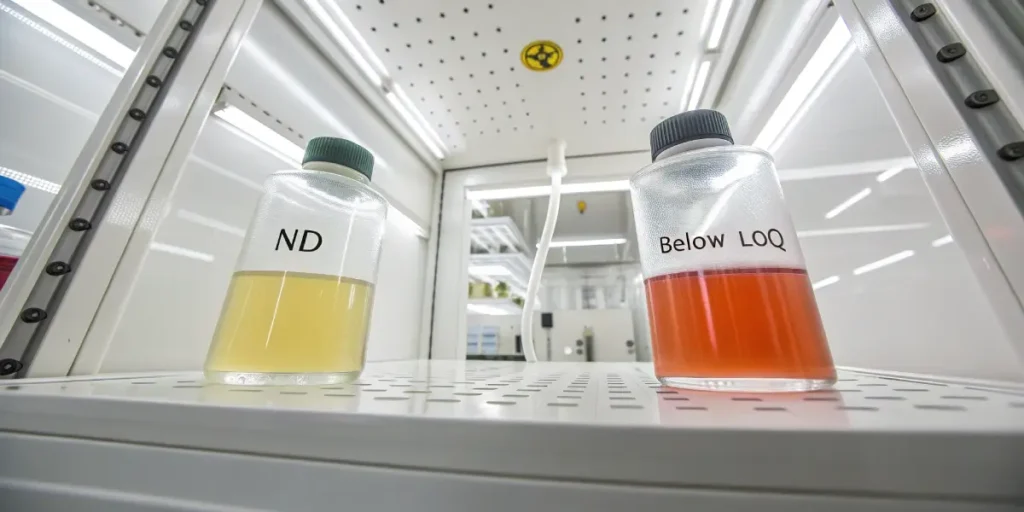
“ND” stands for “Not Detected.” This means the lab test did not find the substance in question, but it doesn’t necessarily mean it’s not there. It might be present but in such small amounts that it’s below the detection capability of the test. On the other hand, “below LOQ” stands for “Below Limit of Quantitation.” This means the substance is present, but the amount is too low to measure accurately.
Recommended Strains

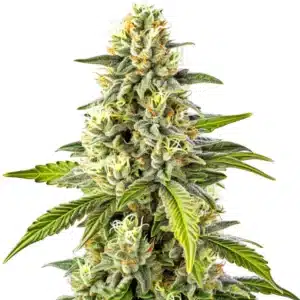
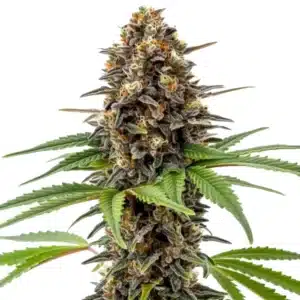
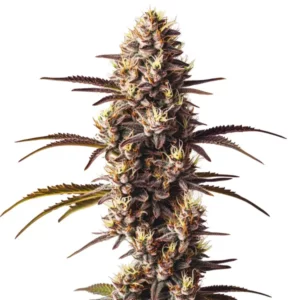
Blue Dream

|
THC | 17% - 24% (High) |

|
Type | Feminized |

|
Yield | High |

|
Phenotype | 50% Indica / 50% Sativa |
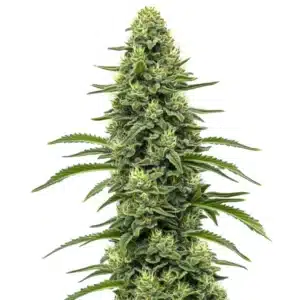
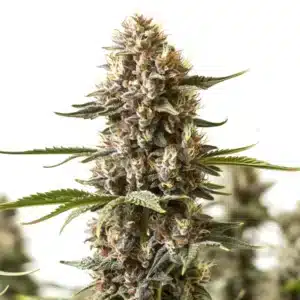
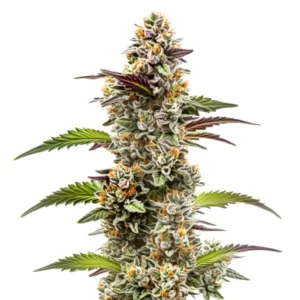
Girl Scout Cookies
|
|
THC | 18% - 25% (High) |
|
|
Type | Feminized |
|
|
Yield | High |
|
|
Phenotype | 60% Indica / 40% Sativa |
Knowing the difference between ND and below LOQ helps you make better choices. For instance, if you’re growing Blue Dream from Blimburn Seeds, knowing these terms can guide you in ensuring your plants remain free from unwanted PGRs. This knowledge can be the difference between a successful harvest and a compromised one.
Certificate of Analysis ND vs below LOQ PGRs
The Certificate of Analysis is a document that provides detailed information about the chemical makeup of a product. When it comes to PGRs, this document is crucial for growers. It helps them understand what exactly is in their cannabis products. The terms ND and below LOQ are part of this analysis and can be confusing at first glance.
“ND” or “Not Detected” is often seen as a positive result. It suggests that the PGRs are either absent or present in such minimal amounts that they aren’t detected by the test. For growers of strains like Girl Scout Cookies from Blimburn Seeds, this can be reassuring. It means the product likely complies with safety standards and regulations.
Knowing COA results ND vs below LOQ in PGR testing is vital for growers aiming to maintain product quality. ND results indicate that cultivation practices are effective, which can enhance the natural appeal of strains. However, a below LOQ result necessitates a closer look at growing conditions to ensure the integrity of the cannabis.
By focusing on Certificate of Analysis ND vs below LOQ PGRs, growers can refine their cultivation strategies. This might involve adjusting nutrient regimens or enhancing environmental controls to minimize the presence of unwanted substances. Such proactive measures help in achieving consistent, high-quality yields.
Difference Between ND and Below LOQ in Plant Growth Regulators
The difference between ND and below LOQ in plant growth regulators is subtle but significant. ND means the substance wasn’t found, while below LOQ means it was found, just not in measurable amounts. For many cannabis growers, this distinction is crucial for maintaining high-quality plants.
For example, when growing a strain like Tangie from Blimburn Seeds, you’d prefer to see ND in your COA for harmful PGRs. This indicates the strain is likely free from these compounds, allowing the natural qualities of the plant to shine. A below LOQ result would require you to assess whether the low presence of PGRs is acceptable for your cultivation goals.
COA interpretation: “ND” vs “below LOQ” for PGRs plays a crucial role in ensuring compliance with industry standards. By recognizing these distinctions, growers can adjust practices to mitigate potential risks. This knowing supports the cultivation of strains that meet both consumer expectations and regulatory requirements.
Furthermore, the difference between ND and below LOQ in plant growth regulators highlights the importance of precision in agricultural practices. By fine-tuning the balance between nutrients and environmental factors, growers can minimize undesirable elements, enhancing the purity and appeal of their products.
Promos & Deals
Interpreting ND and Below LOQ in COA for PGRs
Interpreting these results can sometimes feel like decoding a secret language. But with a little practice, it becomes second nature. Start by looking at the methods used in the COA. Different labs might have varying detection capabilities, which can affect whether a substance is marked as ND or below LOQ.
Next, consider the implications of each term. ND often gives a clean bill of health but remember, it doesn’t guarantee zero presence. If a PGR is critical to your growing process, knowing even trace amounts could impact your decision. This is especially true when working with quality seeds like those offered by Blimburn Seeds.
Interpreting ND and below LOQ in COA for PGRs requires a nuanced knowing of lab processes and results. Each finding should be weighed against the specific standards of your cultivation goals. This ensures that the interpretation aligns with desired outcomes and product quality.
Moreover, consistent monitoring of COA results helps in identifying trends over time. This data-driven approach allows growers to make informed adjustments, leading to improved crop performance and increased customer satisfaction. By embracing these practices, the pursuit of excellence in cannabis cultivation becomes attainable.
COA Terminology ND Versus Below LOQ for PGR Analysis
When you dig into COA terminology ND versus below LOQ for PGR analysis, it’s all about getting comfortable with the science. Labs use sophisticated equipment to detect and quantify substances. ND means they didn’t find it, while below LOQ means they found it, but can’t say how much.
This distinction is more than academic. For a grower, it can impact everything from the plant’s health to the final product’s legality. Blimburn Seeds, known for their high-quality strains, provide COAs that help you make these crucial decisions with confidence.
Knowing COA terminology ND versus below LOQ for PGR analysis enables growers to make strategic decisions about cultivation practices. By knowing the precise meaning of each term, they can better navigate the complexities of product testing and assurance.
Furthermore, this knowledge fosters confidence and trust in the product’s quality and safety. Growers using Blimburn Seeds can leverage this knowing to enhance their practices, ensuring that their cannabis meets high standards and customer expectations consistently.
Practical Examples and Real-Life Implications
Consider a scenario where you’re growing Girl Scout Cookies from Blimburn Seeds. You receive a COA that shows ND for all tested PGRs. This result likely means your cultivation practices are clean and effective, and you’re producing a product that meets consumer expectations.
Now imagine a COA showing below LOQ for a specific PGR. While the amount is too small to measure accurately, it still signals the presence of the compound. As a grower, you might need to adjust your practices or test your soil and water sources to ensure future crops don’t exceed safe levels.
These practical examples underscore the importance of COA interpretation: “ND” vs “below LOQ” for PGRs in maintaining product quality. By knowing these results, growers can implement necessary changes, keeping their cultivation practices aligned with industry standards.
Real-life implications of these results also reinforce the need for ongoing education and adaptation in cannabis cultivation. By staying informed and proactive, growers can ensure the long-term success of their operations, delivering exceptional products that resonate with consumers.
FAQs about COA interpretation: “ND” vs “below LOQ” for PGRs
What does “ND” mean in a COA?
“ND” stands for “Not Detected.” It indicates that the lab didn’t find the substance in the sample. However, this doesn’t guarantee the complete absence of that substance. It might still be present in amounts too small for the test to detect. For cannabis growers, like those using seeds from Blimburn Seeds, ND results are generally seen as favorable, suggesting that the product is free from certain unwanted compounds.
When you see ND in your COA, it usually implies that your growing practices are effective in keeping PGR levels low. But remember, different labs have different detection limits. So, an ND result from one lab might not be the same as from another. Always consider the context of the test and the lab’s credibility.
ND results, while favorable, should always be considered in conjunction with other COA findings. This ensures a comprehensive knowing of the product’s safety and quality. By evaluating ND in the broader context of COA interpretation, growers can maintain high standards and consumer trust.
Additionally, maintaining open communication with testing labs can further enhance the accuracy and reliability of ND results. By knowing the specific methodologies and limitations of each lab, growers can better interpret their COAs and make informed decisions about their cultivation practices.
What does “below LOQ” mean, and should I be concerned?
“Below LOQ” means “Below Limit of Quantitation.” It indicates that the substance is present but in amounts too low to measure accurately. While it’s not as reassuring as an ND result, it doesn’t necessarily mean a significant problem. For growers, it’s a cue to monitor and possibly adjust cultivation practices to avoid any increase in these levels.
If you notice a “below LOQ” result for a PGR, it’s worth investigating further. Check your growing environment, soil, and water. Consistent results below LOQ might not pose an immediate risk, but they do require attention to ensure they don’t rise to problematic levels.
Knowing COA results ND vs below LOQ in PGR testing allows growers to take preemptive actions. By addressing factors that contribute to below LOQ findings, they can prevent potential escalation and maintain product quality.
Moreover, below LOQ results serve as a reminder to continually evaluate and optimize cultivation techniques. This ongoing diligence supports the overall health of cannabis plants, ensuring a superior end product for consumers.
How do ND and below LOQ results affect cannabis cultivation?
ND results are generally positive for cannabis cultivation, indicating that the PGRs are absent or in undetectable amounts. This is ideal for maintaining the natural integrity of strains like those from Blimburn Seeds. It suggests your plants are growing in a clean environment, free from unwanted chemicals.
Below LOQ results, however, mean you should be vigilant. While they indicate low levels of a substance, they still signify its presence. This might prompt you to reassess your cultivation practices or test your inputs like water and soil. Ensuring that these levels don’t increase over time is key to maintaining product quality.
COA interpretation: “ND” vs “below LOQ” for PGRs is essential for successful cannabis cultivation. By knowing these terms, growers can make informed adjustments to their practices, ensuring the health and quality of their plants.
This knowledge also influences decisions related to resource allocation and risk management. By prioritizing ND results and addressing below LOQ findings, growers can optimize their operations and achieve consistent, high-quality harvests.
Why is it important to understand COA terminology for PGR analysis?
Knowing COA terminology for PGR analysis helps you make informed decisions about the quality and safety of your cannabis products. Knowing the difference between ND and below LOQ ensures you’re aware of any potential risks associated with your products. This knowledge is crucial for both compliance with regulations and maintaining the trust of your customers.
For growers using Blimburn Seeds, this knowing can lead to better cultivation outcomes. It allows you to optimize your growing environment, ensuring your plants thrive and produce high-quality yields. Clear COA interpretation also helps in navigating the regulatory landscape, avoiding fines and ensuring legal compliance.
COA terminology ND versus below LOQ for PGR analysis empowers growers to uphold high standards in their cultivation practices. By mastering this terminology, they can ensure that their products meet both safety and quality benchmarks, fostering consumer confidence.
Moreover, a thorough grasp of COA terminology facilitates proactive decision-making, enabling growers to swiftly address potential issues and enhance their cultivation processes. This strategic approach contributes to the long-term success and sustainability of their operations.
How can I ensure accurate COA results for my cannabis plants?
To ensure accurate COA results, choose a reputable lab with a history of reliable testing. Consistent testing methods and equipment calibrations are vital for obtaining trustworthy results. Make sure the samples you send are representative of your entire crop to avoid skewed data.
As a grower, maintaining clean and controlled growing conditions is equally important. Regularly test your soil, water, and any other inputs you use. Consistent monitoring and adjustments based on COA feedback will help ensure your cannabis plants, like those grown from Blimburn Seeds, remain healthy and free from unwanted PGRs.
Accurate COA results are the foundation of effective COA interpretation: “ND” vs “below LOQ” for PGRs. By prioritizing quality assurance and robust testing protocols, growers can confidently rely on their COA findings to guide cultivation decisions.
Additionally, fostering strong relationships with testing labs can enhance the reliability and consistency of results. By collaborating with experts, growers can ensure that their COAs accurately reflect the quality and safety of their cannabis products.