Essential Guide: What Are PGR Residues in Cannabis Explained

When growing cannabis, you might have come across the term PGR, or plant growth regulators. But what are PGR residues in cannabis? These substances are chemicals used to alter the growth of cannabis plants. They can make plants grow faster, produce more buds, or change the appearance of the buds.
However, PGR residues in cannabis can linger in the plant after harvest. This means that when you consume cannabis, you might also be ingesting these chemicals. Not all PGRs are bad, but some can have harmful effects on both the plant quality and your health.
Recommended Strains
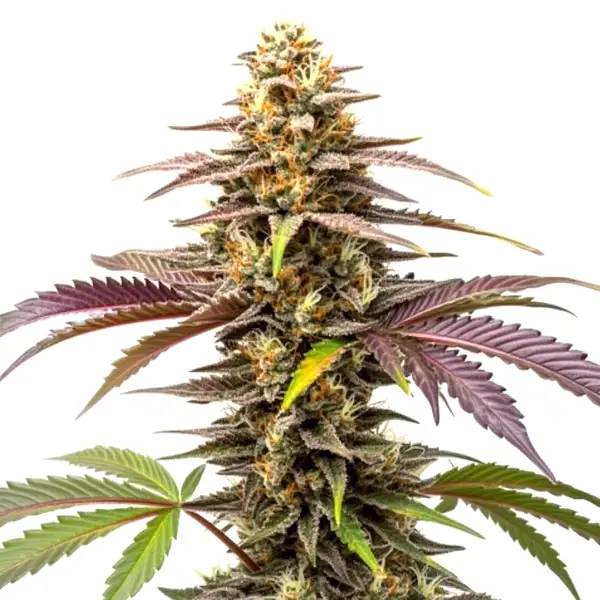
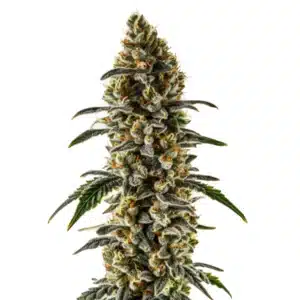
Z OG

|
THC | 16% - 20% (Medium) |

|
Type | Feminized |

|
Yield | High |

|
Phenotype | 75% Indica / 25% Sativa |
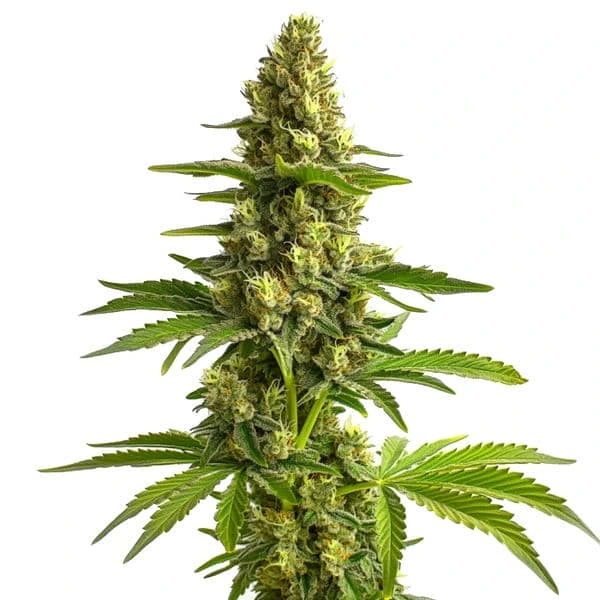
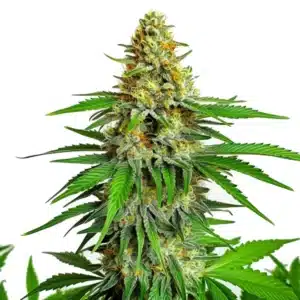
Bruce Banner #3
|
|
THC | 20% - 29% (High) |
|
|
Type | Feminized |
|
|
Yield | High |
|
|
Phenotype | 50% Indica / 50% Sativa |
For growers and users, detecting PGR residues in cannabis products is crucial. Whether you’re buying seeds for the first time or you’re an experienced cultivator, you should know how these chemicals affect the quality of your cannabis and how to test for their presence.
Knowing Plant Growth Regulator Residues
Plant growth regulators are substances that influence plant growth and development. They can be natural or synthetic. In cannabis cultivation, they are often used to enhance yield or control the size and shape of the plant. However, synthetic PGRs are more common due to their effectiveness.
When PGRs are applied to cannabis plants, they can leave residues. These residues might not always be visible, but they can significantly impact the end product. The effects of PGR residues on cannabis quality are a major concern because they can alter the taste, aroma, and potency of the buds.
Natural plant growth regulators are often preferred over synthetic ones because they align more closely with the plant’s biological processes. Using natural PGRs can lead to healthier plants and reduce the risk of harmful residues. This approach ensures that the resulting cannabis is more authentic and true to its natural characteristics.
Knowing what are PGR residues in cannabis also involves recognizing the environmental impact of these chemicals. Synthetic PGRs can contribute to soil and water pollution, which is why many environmentally conscious growers opt for organic growing methods. By choosing natural alternatives, growers can produce high-quality cannabis while also protecting the environment.
Promos & Deals

Effects of PGR Residues on Cannabis Quality
PGR residues can affect the quality of cannabis in various ways. For instance, they might make the buds denser and bigger. While this sounds positive, such buds often lack the natural flavors and aromas that many cannabis users seek. The potency of cannabinoids like THC and CBD can also be compromised.
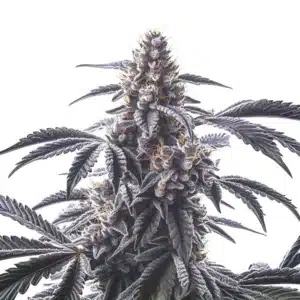
Using strains like Z OG from Blimburn Seeds, which are known for their natural growth and rich terpene profiles, ensures high-quality cannabis without the need for synthetic chemicals. Opting for naturally grown plants is always a safer choice for both quality and health.
The effects of PGR residues on cannabis quality are not limited to taste and aroma. These residues can also affect the visual appeal of cannabis buds. While some consumers might be drawn to large, dense buds, it’s important to recognize that these physical attributes might be a result of chemical enhancement rather than natural growth.
Moreover, the long-term effects of consuming PGR-laden cannabis are still being studied. As more research emerges, the importance of knowing plant growth regulator residues in cannabis becomes increasingly evident. Consumers are encouraged to prioritize naturally grown cannabis to ensure they are experiencing the full spectrum of flavors, aromas, and effects that the plant has to offer.
Health Risks of PGR Residues in Cannabis
The health risks of PGR residues in cannabis are a growing concern. Some synthetic PGRs have been linked to adverse health effects, including respiratory issues and hormonal imbalances. Consuming cannabis with high levels of PGR residues might expose you to these risks.
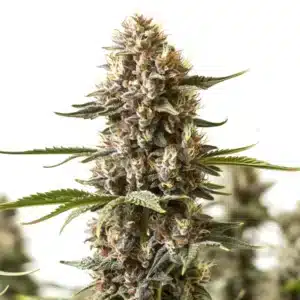
To avoid these issues, you should always be mindful of where your cannabis comes from. Trusted strains from Blimburn Seeds, such as Bruce Banner, are bred with quality and safety in mind, minimizing the risk of harmful PGR residues.
Another potential health risk of consuming cannabis with PGR residues is the possibility of allergic reactions. Some individuals might experience symptoms such as skin irritation or respiratory discomfort when exposed to these chemicals. This makes it crucial to be aware of what are PGR residues in cannabis and how they can affect your well-being.
Moreover, the lack of regulation and standardization in the cannabis industry means that not all products are tested for PGR residues. This underscores the importance of choosing products from reputable sources that prioritize consumer safety. By selecting cannabis from trusted breeders like Blimburn Seeds, you can reduce your exposure to these potential health risks.
How to Test for PGR Residues in Cannabis
Detecting PGR residues in cannabis products is essential for ensuring safety and quality. There are several methods to test for these residues. One of the most accessible is using home testing kits, which can give you a basic knowing of the chemical content in your cannabis.
For more accurate results, you might consider sending samples to a professional lab. These labs use advanced techniques to identify and quantify PGR residues, giving you a more comprehensive picture of what’s in your cannabis.
Home testing kits for PGR residues are becoming more sophisticated, offering cannabis enthusiasts an easy way to monitor the safety of their products. These kits are designed to detect the presence of synthetic chemicals, providing users with peace of mind when consuming their cannabis.
For commercial growers and dispensaries, how to test for PGR residues in cannabis involves more rigorous methods. Professional labs can provide detailed analyses, helping businesses ensure their products meet safety standards. This level of testing not only protects consumers but also builds trust and credibility within the industry.
FAQs about what are PGR residues in cannabis
What are PGR residues in cannabis?
PGR residues in cannabis refer to the leftover chemicals from plant growth regulators used during cultivation. These chemicals are applied to influence the plant’s growth, size, or yield. After the plants are harvested, residues of these chemicals can remain in the buds.
These residues can impact the flavor, aroma, and potency of cannabis. Knowing what are PGR residues in cannabis and how they affect the plant is crucial for anyone involved with cannabis, whether as a grower or consumer.
Knowing what are PGR residues in cannabis allows consumers to make informed decisions about the products they choose to purchase. By being aware of these residues, individuals can prioritize their health and ensure they are consuming high-quality cannabis.
As the cannabis industry continues to grow, consumer education about PGR residues becomes increasingly important. With more people seeking natural and clean cannabis products, awareness of plant growth regulator residues in cannabis can drive demand for transparency and quality control in the market.
How do PGR residues affect cannabis quality?
Plant growth regulator residues can alter several quality aspects of cannabis. They often result in denser, larger buds that may lack the desired natural flavors and aromas. This is because the natural growth processes of the plant are disrupted by these chemicals.
Furthermore, the cannabinoid content, including THC and CBD levels, might be reduced. For those who value the natural qualities of cannabis, knowing the effects of PGR residues on cannabis quality is essential.
Another significant effect of PGR residues on cannabis quality is the potential alteration of the plant’s terpene profile. Terpenes are responsible for the distinct smell and taste of cannabis, and their alteration can lead to a less enjoyable experience for the consumer.
By affecting the natural growth and development of cannabis, PGR residues can also impact the overall maturation of the plant. This can result in buds that do not fully develop their potential, leading to a subpar product that does not meet consumer expectations for quality and potency.
Are there health risks associated with PGR residues?
Yes, there are potential health risks of PGR residues in cannabis. Some synthetic PGRs have been linked to health issues such as respiratory problems and endocrine disruption. These risks highlight the importance of being cautious about the cannabis you consume.
Choosing strains from reputable sources like Blimburn Seeds and ensuring your cannabis is tested for PGR residues can help mitigate these risks. It’s always better to consume cannabis that is free from harmful synthetic chemicals.
Besides to respiratory and hormonal concerns, there is growing evidence that prolonged exposure to PGR residues may contribute to long-term health issues. This potential for chronic health effects makes it all the more critical for consumers to be vigilant about the sources of their cannabis.
Educating yourself about plant growth regulator residues in cannabis and their potential health impacts can empower you to make safer choices. By advocating for transparency and rigorous testing in the cannabis industry, consumers can help drive positive change towards safer, cleaner products.
How can I test for PGR residues in my cannabis?
Testing for PGR residues can be done at home or through a professional lab. Home testing kits offer a basic level of detection and are suitable for personal growers. These kits are user-friendly and provide quick results.
For more precise testing, sending samples to a professional lab is recommended. These labs use advanced equipment to analyze the presence and concentration of PGR residues, providing a detailed report of your cannabis.
Detecting PGR residues in cannabis products is crucial for both personal and commercial growers who want to ensure the safety of their products. By investing in reliable testing methods, growers can maintain high standards of quality and protect their consumer base.
As the demand for clean cannabis grows, innovations in testing technology continue to improve. New methods are being developed that offer greater accuracy and faster results, making it easier for both home growers and commercial operations to ensure their cannabis is free from harmful PGR residues.
What cannabis strains are less likely to have PGR residues?
Strains that are grown naturally without synthetic chemicals are less likely to have PGR residues. Opting for strains from trusted breeders like Blimburn Seeds can help ensure you’re getting clean cannabis. Strains such as Z OG, Bruce Banner 3, and The Toad HMC Edition are popular choices among those who prefer naturally grown cannabis.
By selecting these strains, you can enjoy cannabis with its natural flavors and effects, without the worry of ingesting harmful residues. It’s a step towards healthier and more enjoyable cannabis use.
Choosing cannabis strains known for natural cultivation methods not only reduces the risk of PGR residues but also supports sustainable growing practices. This approach benefits not only the consumer but also the environment, promoting a healthier ecosystem.
Another advantage of selecting naturally grown strains is the preservation of genetic diversity within the cannabis plant species. By prioritizing strains that are free from synthetic enhancements, consumers and growers alike can help maintain the rich variety of cannabis available on the market, ensuring a broader range of experiences and benefits.