Dehumidifier for Drying Weed: A Grower’s Guide

The dry is where a good harvest is made or ruined, and humidity is the single factor most growers get wrong. A dehumidifier gives you control over the drying room so buds lose moisture at the right pace, keeping their aroma and dodging mold. Here is why it matters, what to aim for, and how to use one well.
Why humidity matters when drying
Drying is really about removing moisture slowly and evenly. If the air is too humid, the buds hold water, the dry drags on, and the damp, dense interior becomes a breeding ground for mold and the ammonia smell of rot. If the air is too dry, the outside of the bud crisps while the inside stays wet, locking in a harsh, hay-like finish.
Recommended Strains
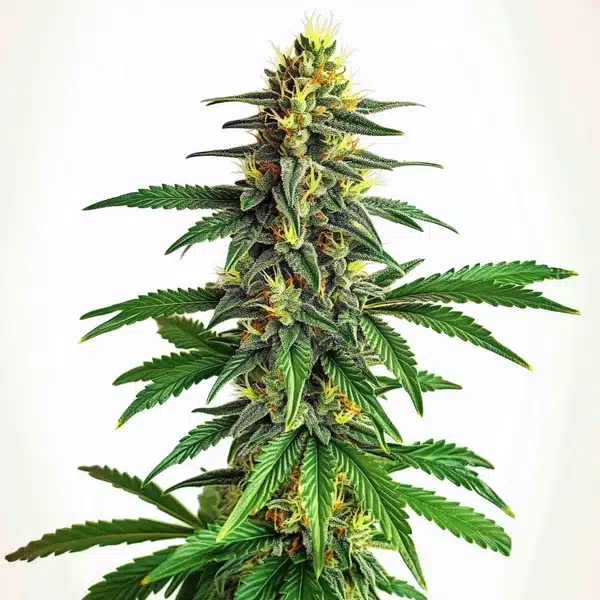
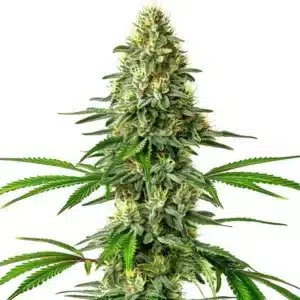
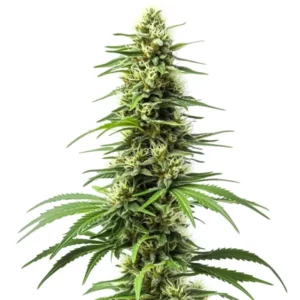
AK 47 Fast Version

|
Type | Fast Flowering |

|
THC | 19% - 22% (Medium) |

|
Phenotype | 35% Indica / 65% Sativa |

|
Yield | High |

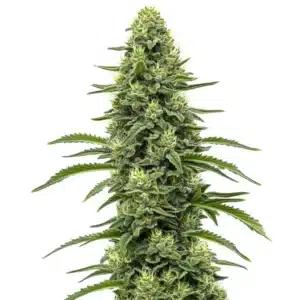
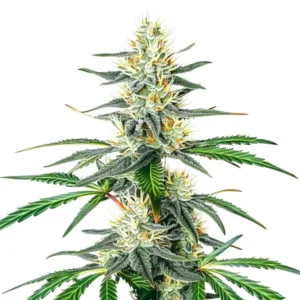
San Fernando Valley Auto
|
|
Type | Autoflowering |
|
|
THC | 14% - 20% (Medium) |
|
|
Phenotype | 70% Indica / 30% Sativa |
|
|
Yield | Low |
A dehumidifier lets you hold the drying room in the narrow range where neither happens. That control is what preserves terpenes, protects potency, and sets the flower up for a clean cure, which is why serious growers treat the dry room’s humidity as carefully as they treat the grow itself.
Promos & Deals
Ideal humidity and temperature for drying
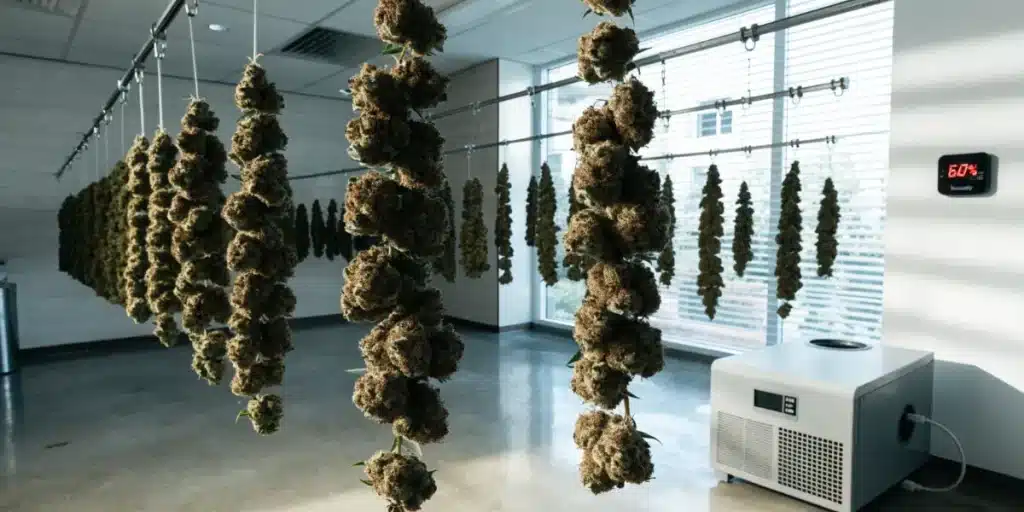
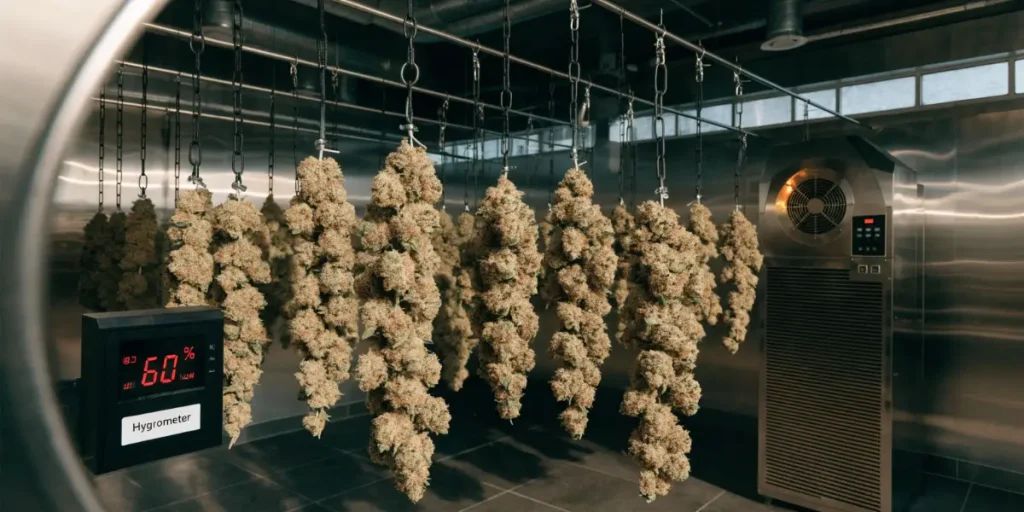
As a general target, most growers aim for a drying room at roughly 60 percent relative humidity and around 60 degrees Fahrenheit, often described as the “60/60” rule. The goal is a slow dry lasting somewhere between seven and fourteen days, which gives the best balance of flavor and safety.
These are starting points, not strict laws. Larger, denser buds and bigger harvests push humidity up and may need more dehumidification, while a small batch in a dry climate might need almost none. The point of the dehumidifier is to steer whatever your room is doing back toward that slow, even pace.
Dehumidifier vs other humidity tools
A dehumidifier is not the only lever, and it is not always the right one. In a damp room it is the most direct tool, actively pulling water out of the air. In a room that is only slightly humid, better airflow and air exchange may be enough, and a dehumidifier running hard can over-dry the space.
It also differs from the humidity tools used later. During the cure, inside sealed jars, growers lean on hygrometers and two-way humidity packs rather than a room dehumidifier. If you are setting up a grow or dry room from scratch, our guide to the best dehumidifier for a grow room covers sizing and placement for the space itself.
How to use a dehumidifier when drying
The aim is steady, gentle control rather than aggressive drying. A few habits make the difference.
- Set it to hold around 60 percent relative humidity, and adjust based on readings rather than guesswork.
- Keep a hygrometer in the room so you are reacting to real numbers, not how the air feels.
- Position it so it is not blasting dry air directly onto the buds, which causes uneven drying.
- Pair it with gentle airflow that moves air around the room without pointing fans at the flower.
- Empty the tank or set up continuous drainage so it never fills and stops working mid-dry.
Accurate readings are everything here, and a reliable meter matters as much as the dehumidifier. Our guide to using a hygrometer for curing weed explains how to read and trust those numbers through drying and into the cure.
Signs your drying humidity is off
You do not need lab equipment to tell when the room is working against you, because the buds and your nose give clear signals. If the dry is finishing in just two or three days, the small stems snapping almost immediately, the air is too dry and you are likely trapping a harsh, grassy taste inside under-cured flower. A dehumidifier running too hard, or a naturally arid room, is usually the cause.
The opposite problem is more dangerous. If after a week the buds still feel spongy, the stems bend instead of snap, or you catch a sour, ammonia-like smell, the room is too humid and mold or rot is a real risk. That is exactly the situation a dehumidifier is built for: bring the relative humidity back toward 60 percent, improve airflow, and check the buds daily until the dry settles into a safe, steady pace.
From drying into the cure
A dehumidifier does its job during the hang-dry phase, but the humidity story does not end there. Once the buds are dry on the outside and the small stems snap rather than bend, they move into jars for curing, where moisture slowly redistributes from the core and the flavor rounds out.
Getting the room humidity right during drying makes that cure far easier, since buds that dried evenly are less likely to need rescuing in the jar. For the next stage, our guide on curing cannabis and humidity walks through jar humidity, burping, and the targets that protect your terpenes to the finish.
Frequently asked questions
Do I need a dehumidifier to dry weed?
Not always. In a damp room or a humid climate, a dehumidifier is the most direct way to hold the drying air in a safe range and avoid mold. In a naturally dry room, good airflow and air exchange may be enough, and running a dehumidifier hard can over-dry the buds. It depends on your room and climate.
What humidity should I dry weed at?
Most growers aim for roughly 60 percent relative humidity and around 60 degrees Fahrenheit, the so-called 60/60 rule, targeting a slow dry of about seven to fourteen days. Larger, denser buds and bigger harvests may need more dehumidification, while small batches in dry climates need little. Adjust based on hygrometer readings rather than guesswork.
Can a dehumidifier over-dry my buds?
Yes. If a dehumidifier runs too aggressively or blows dry air directly onto the flower, the outside of the buds crisps while the inside stays wet, locking in a harsh, hay-like finish. Set it to hold around 60 percent, keep it from pointing at the buds, and rely on a hygrometer so you are reacting to real numbers.
Is a grow room dehumidifier the same as one for drying?
It can be the same unit, but the job is different. In the grow it manages transpiration from living plants, while in the dry room it holds the air steady as cut buds release moisture. Size and placement still matter, and during the later jar cure growers switch to hygrometers and humidity packs rather than a room dehumidifier.
How long should weed take to dry?
A good dry usually takes about seven to fourteen days, ending when the small stems snap rather than bend. A dehumidifier helps keep that pace steady by stopping the room from staying too humid, which would drag the dry out and invite mold, or swinging too dry, which rushes it and harms the flavor.