Proven Ways: How PGRs Change Cannabis Buds for Amazing Results

Plant Growth Regulators, or PGRs, are used by some cannabis growers to achieve specific cultivation goals. Knowing how PGRs change cannabis buds is essential, as these chemical compounds directly influence plant development, affecting bud size, density, and overall structure. While PGRs can produce tighter, heavier flowers that may appeal visually, they also alter the plant’s natural growth patterns. However, despite these enhancements, PGR use comes with potential risks and trade-offs that growers should carefully evaluate before incorporating them into their cultivation practices.
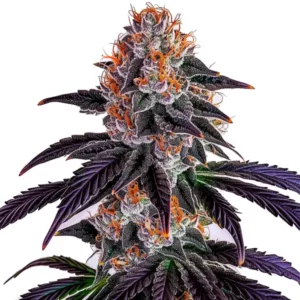
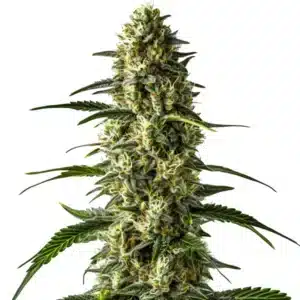
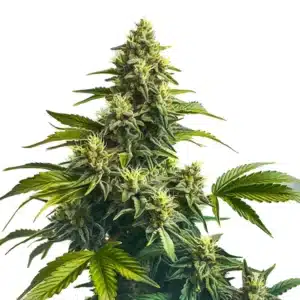
For instance, using PGRs can result in denser buds. This might sound appealing, but such buds might have a compromised flavor or cannabinoid profile. Growers using strains like Purple Kush from Blimburn Seeds might notice these differences in bud quality when PGRs are applied. This trade-off between size and quality is something every grower needs to weigh carefully.
Recommended Strains
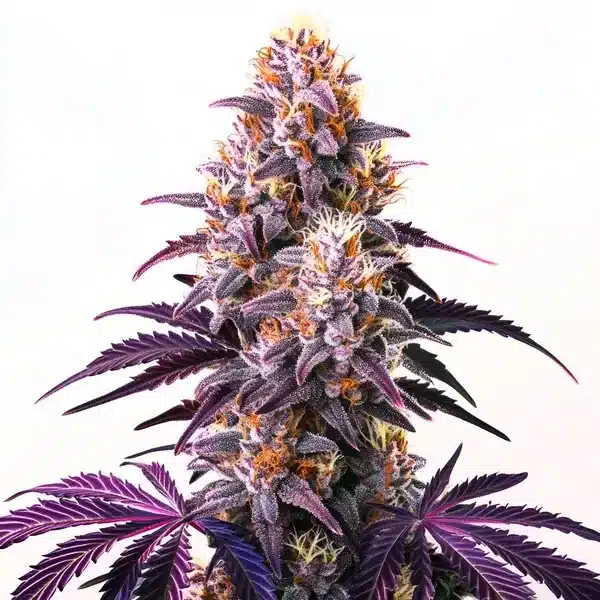
Purple Kush

|
THC | 17% - 27% (High) |

|
Type | Feminized |

|
Yield | High |

|
Phenotype | 70% Indica / 30% Sativa |
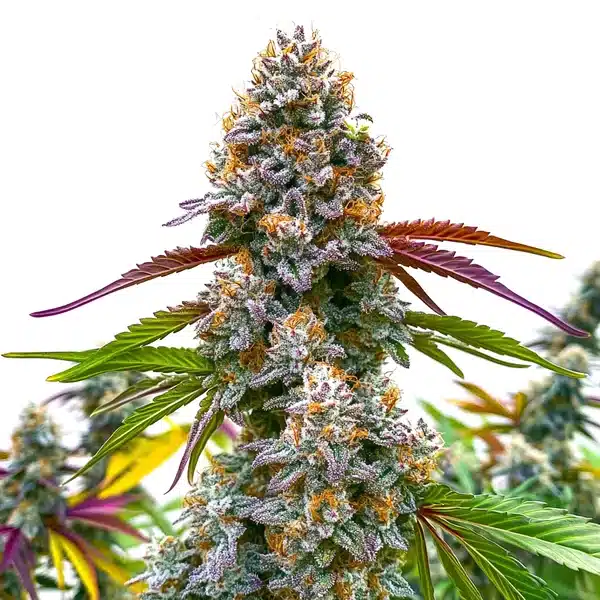
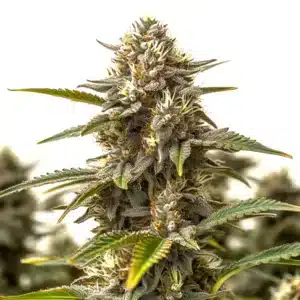
Critical Daddy Purple
|
|
THC | 19% (Medium) |
|
|
Type | Feminized |
|
|
Yield | High |
|
|
Phenotype | 50% Indica / 50% Sativa |
It’s important to note that not all changes brought by PGRs are positive. The effects of PGRs on cannabis bud quality can be mixed. Some growers report a significant reduction in aroma and potency, while others appreciate the uniformity and size of the buds. This variability is why many seasoned growers prefer to explore natural growing techniques before resorting to PGRs.
Effects of PGRs on Cannabis Bud Quality
One of the main attractions when knowing how PGRs change cannabis buds is their ability to produce larger and denser flowers. This is mainly because PGRs can alter the way plants grow and allocate nutrients. As a result, growers may observe that their plants develop more compact and hefty buds, which can be particularly appealing for commercial purposes.
However, the effects of PGRs on cannabis bud quality often include a reduction in the plant’s natural aromas and flavors. Buds from a strain like GG4 by Blimburn Seeds, known for its rich terpene profile, might lose some of its characteristic scent and taste when treated with PGRs. This is due to the way PGRs can inhibit the production of terpenes and other aromatic compounds.
Besides to aroma and flavor, the visual appeal of the buds can also be affected. While PGRs may enhance the bud’s size and density, the overall aesthetic might not match the expectations of consumers seeking naturally vibrant and colorful flowers. These changes can influence market preferences, particularly in regions where high-quality, naturally grown cannabis is in demand.
Furthermore, knowing how PGRs change cannabis buds is crucial for growers aiming to maintain a balance between appearance and quality. While the market might initially respond positively to larger buds, the long-term sustainability of using PGRs could be compromised if consumer preferences shift towards organic and natural products.
Potential Risks of Using PGRs in Cannabis Cultivation
While PGRs can increase bud size and density, there are potential risks of using PGRs in cannabis cultivation that cannot be ignored. One significant concern is the health implications for consumers. Some PGRs are not approved for use on consumable crops, and residues might remain in the buds, potentially posing health risks.
Moreover, long-term soil health can be compromised by the use of PGRs. These chemicals might alter the soil’s natural balance, affecting future plantings. This is crucial for growers who plan to cultivate strains like Critical Daddy Purple from Blimburn Seeds, which thrives in nutrient-rich environments. PGR usage might necessitate more frequent soil amendments to maintain its fertility.
Another potential risk is the development of resistance in plants, which might lead to reduced effectiveness of PGRs over time. If plants become less responsive to these chemicals, growers may find themselves needing to use higher concentrations, further increasing the potential for harmful residues.
Lastly, the economic implications of using PGRs should not be overlooked. While they might initially seem cost-effective for increasing yields, the potential for regulatory penalties and consumer backlash against chemically treated cannabis could negatively impact profit margins and brand reputation in the long run.
Promos & Deals
Natural Alternatives to PGRs for Cannabis Growers
For growers looking to enhance their cannabis buds without resorting to chemical PGRs, there are several natural alternatives to consider. Techniques like selective breeding and organic soil amendments can enhance bud quality while maintaining the plant’s natural characteristics.
One effective method is to focus on optimizing the growing environment. This includes ensuring optimal light, temperature, and humidity levels. Strains such as Purple Kush from Blimburn Seeds can greatly benefit from these conditions, resulting in naturally dense and flavorful buds without the need for chemical enhancers.
Organic fertilizers and composting are also viable strategies for promoting healthy plant growth. By enriching the soil naturally, growers can foster a more balanced nutrient uptake, which can lead to improved bud quality and resilience against pests and diseases.
Additionally, companion planting and integrated pest management can contribute to a healthier ecosystem, reducing the need for chemical interventions. These natural alternatives to PGRs for cannabis growers not only support sustainable practices but also enhance the overall quality and appeal of the final product.
How PGRs Influence Cannabis Bud Size and Density
PGRs primarily affect the plant’s hormonal balance, leading to changes in growth patterns. These substances can encourage the plant to allocate more energy towards bud development, resulting in larger and denser buds. This can be especially noticeable in high-yielding strains like Gorilla G by Blimburn Seeds.
However, the increased density might come at the cost of the plant’s cannabinoid content. Some growers report that PGR-treated buds, while visually impressive, may lack the potency of naturally grown counterparts. This is due to how PGRs influence cannabis bud size and density, potentially at the expense of other desirable traits.
Knowing PGRs impact on cannabis cannabinoid content is essential for growers who prioritize the medicinal and recreational attributes of their crops. While visual appeal is important, the potential reduction in THC and CBD levels could significantly affect the end-user experience and perceived value.
Moreover, the balance between size and cannabinoid potency can dictate the marketability of the product. Consumers increasingly seek out strains that offer both impressive physical attributes and robust chemical profiles, making it imperative for growers to carefully consider how PGRs change cannabis buds before incorporating them into their cultivation practices.
FAQs about how PGRs change cannabis buds
What are PGRs and how do they work in cannabis cultivation?
PGRs, or Plant Growth Regulators, are chemicals that influence the growth and development of plants. In cannabis cultivation, they are used to manipulate the plant’s growth patterns, often resulting in larger, denser buds. They work by altering the hormonal balance within the plant, directing more energy towards bud development rather than other growth processes.
While this can produce impressive results, it’s important to consider how PGRs change cannabis buds beyond size. The effects on flavor, aroma, and potency are significant factors that should not be overlooked. Growers need to assess whether the benefits of increased size outweigh potential reductions in overall quality.
Knowing the science behind PGRs can help cultivators make informed decisions about their use. It’s vital to weigh the immediate benefits against the long-term impacts on both the plant and the environment, ensuring sustainable and ethical growing practices.
Furthermore, growers should remain informed about advancements in PGR alternatives and industry trends. This knowledge will empower them to adapt to changing consumer preferences and regulatory environments, ultimately enhancing their cultivation success.
Are there health risks associated with consuming PGR-treated cannabis?
Yes, there are potential health risks associated with consuming cannabis that has been treated with certain PGRs. Some of these chemicals are not approved for use on consumable crops and could leave harmful residues in the buds. This poses a potential risk to consumers, especially if the buds are not properly flushed before harvest.
For those concerned about these risks, it’s advisable to seek out cannabis that has been grown using natural methods. This ensures that no unwanted chemicals are present in the final product, allowing consumers to enjoy their cannabis without worry.
Ensuring transparency in cultivation practices and providing consumers with information about growing methods can build trust and encourage informed purchasing decisions. Labels indicating organic or PGR-free cultivation can be a strong selling point in the marketplace.
Educating consumers about the potential effects of PGRs on cannabis bud quality is also crucial. By knowing the differences, they can make choices that align with their health priorities and preferences, fostering a market that values quality and safety.
Can natural methods achieve similar results to PGRs?
Natural methods can indeed achieve impressive results similar to those obtained with PGRs, though they may require more time and expertise. Techniques such as optimizing the growing environment, selecting high-quality genetics, and using organic soil amendments can all contribute to producing large, dense buds naturally.
For example, growing a strain like Critical Daddy Purple from Blimburn Seeds in an optimal environment can yield exceptional results. While natural methods might not produce the same immediate size increases as PGRs, they often result in superior flavor and potency.
Furthermore, natural cultivation techniques can enhance the resilience and overall health of cannabis plants, reducing the need for chemical interventions. This sustainable approach can lead to a more robust and diverse cannabinoid profile, appealing to consumers seeking high-quality, natural products.
Investing in education and training for natural cultivation practices can empower growers to achieve exceptional results without sacrificing quality or environmental integrity. This commitment to excellence can differentiate products in a competitive market and build a loyal customer base.
Are PGRs legal in all regions for cannabis cultivation?
The legality of PGRs in cannabis cultivation varies by region. In some areas, their use is strictly regulated or even prohibited. This is largely due to concerns about consumer safety and potential environmental impacts. Growers need to be aware of local regulations to ensure compliance and avoid potential legal issues.
Before deciding to use PGRs, it’s crucial to research the specific regulations in your area. Knowing these rules can help growers avoid fines and ensure that their cultivation practices are in line with legal standards.
Compliance with local laws not only protects the grower from legal repercussions but also reinforces the industry’s commitment to safety and quality. Staying informed about regulatory changes and engaging with industry associations can help growers navigate this complex landscape effectively.
Moreover, transparent communication with consumers about legal compliance can enhance brand reputation and consumer confidence. By demonstrating adherence to regulations, growers can position themselves as responsible and trustworthy suppliers in the cannabis market.
How do PGRs impact the cannabinoid content of cannabis buds?
PGRs can have a significant impact on the cannabinoid content of cannabis buds. While they often increase bud size and density, they might also reduce the levels of cannabinoids such as THC and CBD. This is because the plant’s energy is redirected towards physical growth rather than chemical production.
For growers focused on producing high-potency cannabis, this trade-off might not be acceptable. Instead, they may choose to focus on natural cultivation methods that maintain or enhance cannabinoid levels while still achieving desirable bud characteristics.
Knowing PGRs impact on cannabis cannabinoid content is critical for growers aiming to meet specific therapeutic or recreational needs. By prioritizing cannabinoid-rich strains and optimizing environmental conditions, they can achieve a balance of size and potency without relying on chemical regulators.
Researching and experimenting with different cultivation methods can lead to innovative solutions that preserve both the physical and chemical quality of cannabis buds. This proactive approach can ensure that growers remain competitive and responsive to market demands.