Best Hygrometer for Curing Weed: Expert Insights

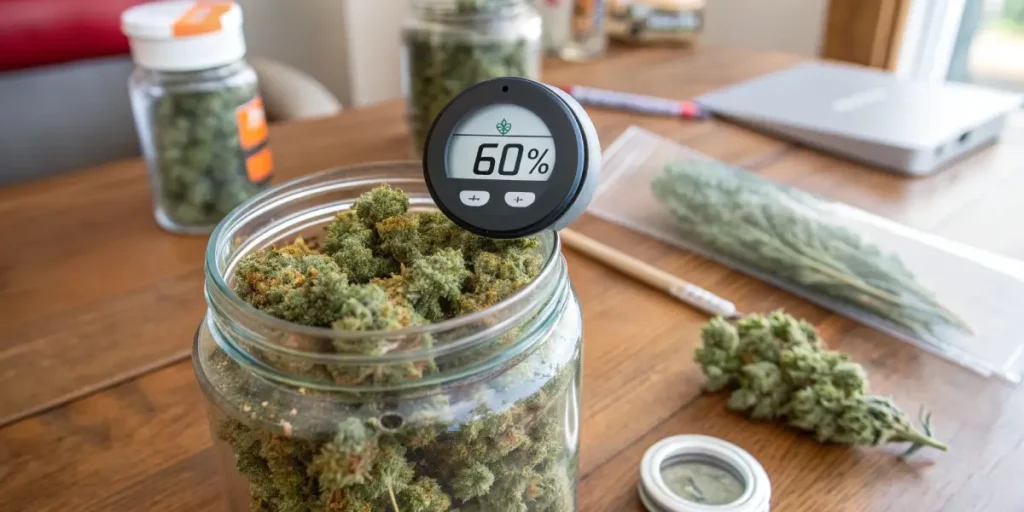
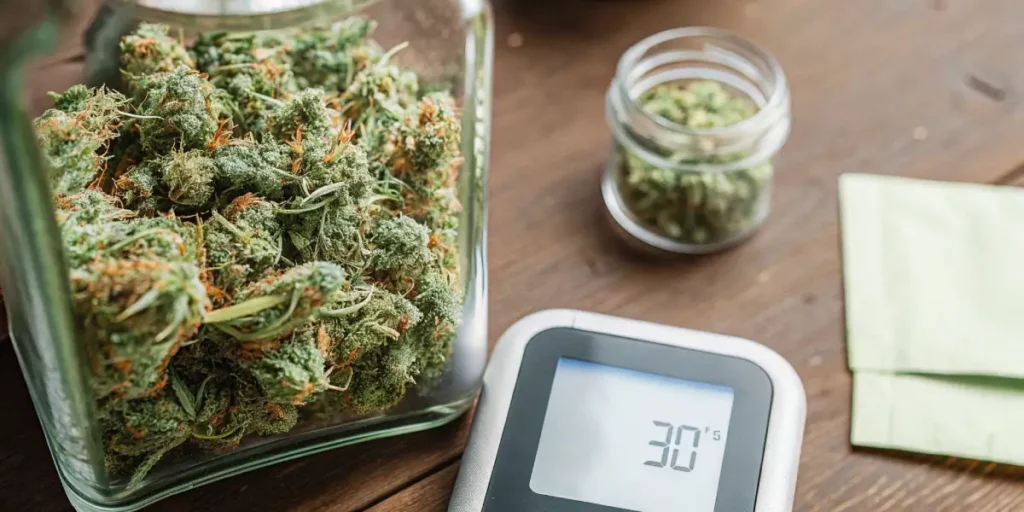
Essential Tool for Curing: A mini digital hygrometer is crucial for curing weed. By placing it inside your mason jars or curing bins, you can accurately monitor the internal relative humidity (RH). This helps manage the gradual moisture release, preventing mold while preserving the harvest’s potency, flavor, and aroma. Optimal RH levels are key to maintaining cannabis quality.
For cannabis enthusiasts, maintaining the ideal curing environment is crucial. A digital hygrometer offers precise measurements, ensuring your cannabis cures at the optimal humidity of 58-62% RH. This range preserves terpenes and cannabinoids, enhancing flavor and potency. Pairing with a humidity pack ensures consistent moisture levels, preventing mold and overdrying.
Recommended Strains

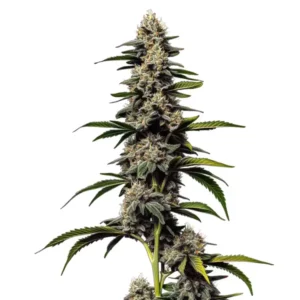
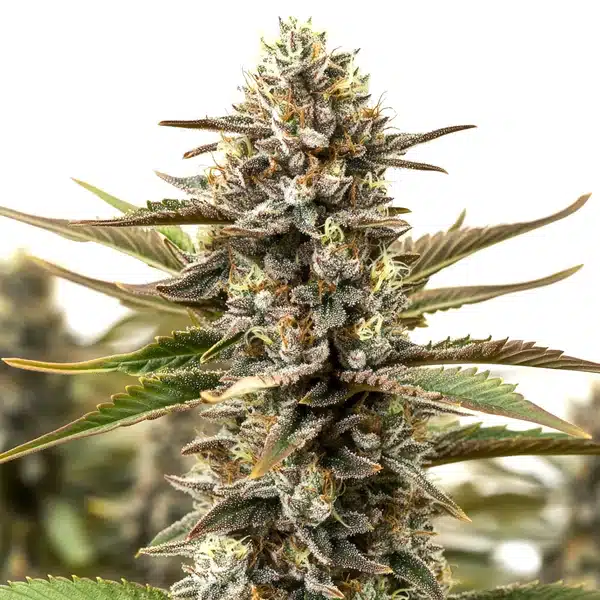
Cereal Milk

|
THC | 23% - 25% (High) |

|
Type | Feminized |

|
Yield | Medium |

|
Phenotype | 50% Indica / 50% Sativa |
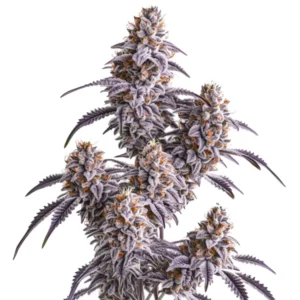
RS11 x Cereal Milk
|
|
THC | 20% - 25% (High) |
|
|
Type | Feminized |
|
|
Yield | Medium |
|
|
Phenotype | 45% Indica / 55% Sativa |
What Is a Hygrometer for Curing Weed?
Types of Hygrometers for Cannabis Curing
Hygrometers are devices that measure humidity levels, essential for curing cannabis. Analog models use mechanical needles, offering durability without batteries. Their accuracy, however, may vary. Digital hygrometers, preferred for their precision, use sensors to display humidity as a percentage. They often include additional features like temperature readings, enhancing their utility.
Wireless hygrometers sync with smartphones, allowing remote monitoring. This feature is particularly useful for large-scale operations. When choosing a hygrometer, consider your specific needs and the scale of your curing setup. The right choice ensures your cannabis retains its quality during the curing process.
Benefits of Maintaining Optimal Humidity
Maintaining the right humidity is vital for preserving cannabis quality. At 58-62% RH, cannabis retains its moisture, preventing mold and preserving terpenes. Mold can develop within 24-48 hours if RH exceeds 65%, ruining your harvest. Conversely, RH below 55% can lead to overdrying, affecting flavor and potency.
A hygrometer provides real-time feedback, allowing you to adjust conditions promptly. This proactive approach ensures your cannabis cures perfectly, retaining its aromatic profile and potency. Regular monitoring with a digital hygrometer is crucial for achieving dispensary-level quality.
Promos & Deals
Why Use a Hygrometer for Curing Cannabis?
Ensuring Quality and Potency
The curing process is when cannabis develops its full potential. A hygrometer helps maintain the ideal humidity, crucial for preserving terpenes and cannabinoids. Without proper humidity control, cannabis can lose its flavor and potency, affecting the overall experience.
Using a hygrometer ensures you can detect and correct humidity fluctuations before they impact your cannabis. This device is a small investment that significantly enhances your final product’s quality, ensuring a smoother smoke and more potent effects.
Preventing Common Curing Issues
Mold and overdrying are common issues during curing. Mold thrives in high humidity, while overdrying occurs when humidity is too low. Both can ruin your cannabis. A hygrometer helps you maintain the optimal RH range, preventing these issues.
Regular monitoring allows you to make necessary adjustments, such as adding humidity packs or airing out jars. This ensures your cannabis retains its flavor, aroma, and potency, making all your hard work worthwhile.
| Feature | Analog Hygrometer | Digital Hygrometer | Wireless Hygrometer |
|---|---|---|---|
| Accuracy | ±5% RH | ±2% RH | ±1% RH |
| Power Source | None | Batteries | Rechargeable |
| Display Type | Needle | Digital | Digital |
| Additional Features | None | Temperature | Remote Access |
| Cost | Low | Medium | High |
How to Choose the Best Hygrometer for Curing
Features to Consider
When selecting a hygrometer, accuracy is paramount. Look for models with a margin of error no greater than ±2% RH. A clear, backlit display is crucial for easy reading, especially when monitoring multiple containers. Additional features like temperature readings and wireless connectivity can enhance your curing process.
Consider the scale of your operation and your budget. While digital models offer precision, analog versions are durable and battery-free. Wireless options provide convenience for tech-savvy growers. Choose a hygrometer that fits your specific needs to ensure optimal curing conditions.
Budget vs. High-End Options
Budget-friendly hygrometers are suitable for small-scale operations. They cover the basics but may lack advanced features like wireless monitoring. High-end models, while more expensive, offer superior accuracy and additional functionalities. For serious growers, investing in a high-quality hygrometer can significantly improve your cannabis curing process.
Evaluate your requirements and choose a hygrometer that balances cost and features. A reliable device ensures your cannabis retains its quality, making it a worthwhile investment.
Professional Tips for Using a Hygrometer
- Maintain 58-62% RH during curing. Levels below 55% can halt terpene development, while above 65% promotes mold. Use a digital hygrometer for accuracy.
- Check your hygrometer daily, especially in the first week. Early detection of humidity changes prevents mold and overdrying.
- Calibrate your hygrometer regularly. Even pre-calibrated models can drift, affecting accuracy.
- Use humidity packs to stabilize RH. They help maintain consistent moisture levels, crucial for preserving cannabis quality.
- Avoid direct contact between the hygrometer and cannabis. This can skew readings, leading to inaccurate humidity levels.
- Consider using a wireless hygrometer for remote monitoring. This is ideal for large-scale operations where constant supervision is challenging.
Advanced Techniques for Curing Cannabis
To elevate your curing process, consider integrating advanced techniques. Rotating your cannabis jars periodically can ensure even distribution of moisture, preventing pockets of overly dry or moist areas. This technique, combined with the use of the best mini hygrometer for curing, can optimize the curing environment.
Utilizing a hygrometer cannabis setup with multiple sensors can provide a comprehensive view of your curing environment. This approach allows you to monitor different areas within your curing space, ensuring uniform conditions. When combined with a hygrometer for weed, this method enhances the precision of your curing process.
For those seeking the best humidity for curing weed, investing in a high-quality hygrometer for curing cannabis is essential. This ensures that you maintain the optimal RH levels consistently, safeguarding the quality of your harvest.
FAQs About Hygrometers for Curing Weed
What humidity is good for curing weed?
The ideal humidity for curing weed is between 58% and 62% RH. This range helps preserve the terpenes and cannabinoids, ensuring the cannabis retains its flavor and potency. Maintaining this humidity level prevents mold and overdrying, crucial for achieving high-quality cured cannabis.
What type of hygrometer is most accurate?
Digital hygrometers are typically the most accurate, with a margin of error around ±2% RH. They use electronic sensors to provide precise readings and often include additional features like temperature monitoring. For the best results, choose a model with a clear display and calibration options.
Should I use a humidity pack while curing?
Yes, using a humidity pack is recommended during curing. It helps maintain consistent moisture levels within the optimal range of 58-62% RH. This prevents mold and overdrying, ensuring your cannabis retains its quality. Humidity packs are a valuable tool for achieving dispensary-level cured cannabis.
What is the difference between a hydrometer and a hygrometer?
A hydrometer measures the density of liquids, often used in brewing to gauge alcohol content. A hygrometer, on the other hand, measures humidity levels in the air. For curing cannabis, a hygrometer is essential for maintaining the ideal humidity range, crucial for preserving quality.
How often should I check the hygrometer during curing?
Check your hygrometer daily during the first week of curing. This allows you to detect any fluctuations in humidity early and make necessary adjustments. As the curing process stabilizes, you can reduce the frequency of checks, but regular monitoring remains important for maintaining quality.