Dehumidifier for Weed: Essential Guide to Humidity Control

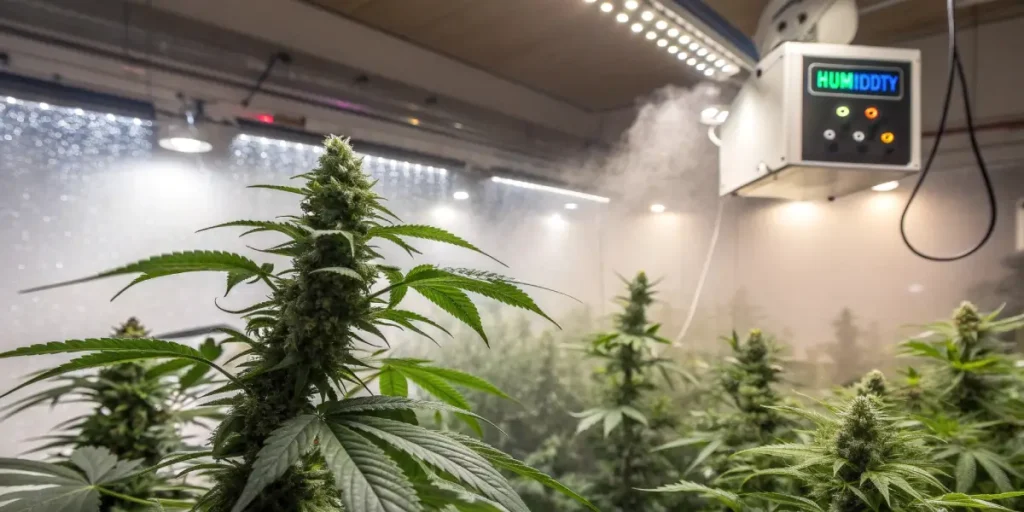
Optimal Humidity Control: Employing a dehumidifier is crucial in cannabis cultivation to maintain ideal humidity levels, preventing mold and bud rot. During the flowering stage, a relative humidity of 40-50% is recommended, while 55-65% is optimal during drying. This ensures both growth and drying phases are enhanced, safeguarding your cannabis yield’s quality.
Managing humidity is vital in cannabis cultivation, directly impacting terpene profiles and flowering time. Terpenes like Myrcene and Limonene contribute to aroma and therapeutic effects, while flowering times can range from 8 to 10 weeks. Proper humidity control not only enhances plant health but also maximizes yield and potency.
Recommended Strains
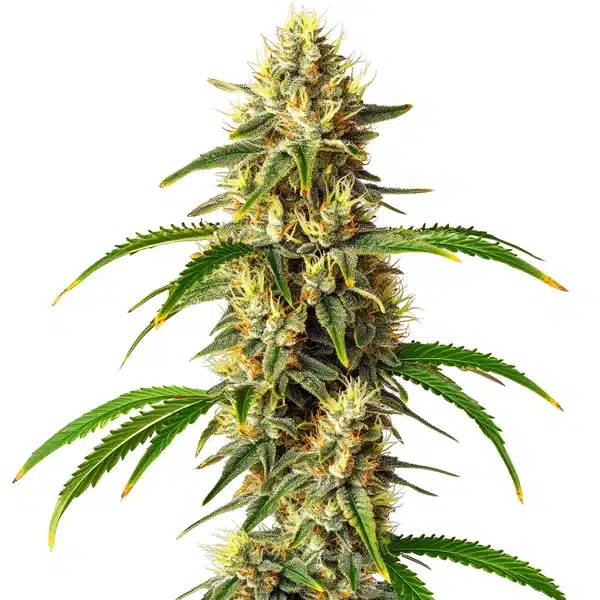
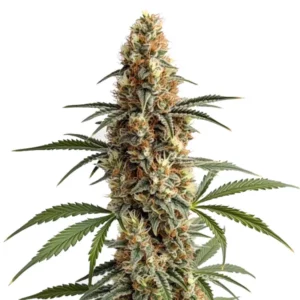
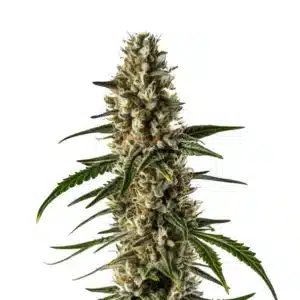
Critical Auto

|
THC | 10% - 14% (Low) |

|
Type | Autoflowering |

|
Yield | Medium |

|
Phenotype | 70% Indica / 30% Sativa |

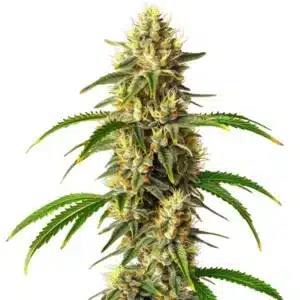
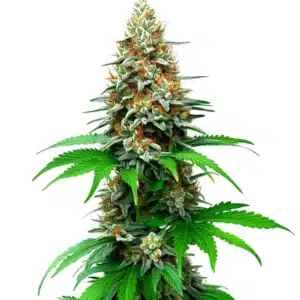
Critical Banana
|
|
THC | 22% - 24% (High) |
|
|
Type | Feminized |
|
|
Yield | High |
|
|
Phenotype | 50% Indica / 50% Sativa |
Why Use a Dehumidifier for Weed?
Benefits of Dehumidifiers in Cannabis Cultivation
Dehumidifiers play a pivotal role in cannabis cultivation by maintaining optimal humidity levels, crucial for preventing mold and mildew. These devices ensure that cannabis plants absorb nutrients efficiently, promoting healthy growth and robust yields. High humidity can lead to issues like powdery mildew, which thrives in moist environments and can devastate crops.
In grow rooms, maintaining a relative humidity (RH) of 40-50% during flowering is essential to prevent bud rot, a common issue in dense buds. A dehumidifier helps achieve these conditions, ensuring your plants’ health and maximizing their potential. For drying, an RH of 55-65% is ideal to preserve terpene profiles and prevent mold.
Risks of High Humidity in Grow Rooms
Excessive humidity levels can stunt cannabis growth by reducing transpiration, which impairs nutrient uptake. This can lead to deficiencies and lower yields. Additionally, high humidity promotes the growth of harmful fungi like Botrytis, which can destroy crops from the inside out before visible signs appear.
To mitigate these risks, it’s crucial to use a dehumidifier alongside increased ventilation. This combination helps maintain consistent humidity levels, preventing the conditions that allow mold and mildew to thrive. Regular inspection of the plant’s interior is also vital to catch any issues early.
Promos & Deals
Choosing the Right Dehumidifier
Types of Dehumidifiers for Cannabis
There are several dehumidifier types suitable for cannabis cultivation. Portable dehumidifiers are perfect for small grow spaces, offering flexibility and ease of use. Whole-room dehumidifiers are ideal for larger operations, providing powerful moisture control across expansive areas.
Desiccant dehumidifiers, which use silica gel to absorb moisture, are effective in cooler environments. When selecting a dehumidifier, consider your grow room size and environmental conditions to ensure optimal performance. A unit that fits your specific needs will help maintain the perfect growing environment.
Key Features to Consider
When choosing a dehumidifier for your grow room, look for features such as adjustable humidity control, energy efficiency, and quiet operation. These features ensure that your dehumidifier meets the specific needs of your cannabis plants without disrupting the growing environment.
Additionally, consider the dehumidifier’s tank capacity or drainage options. A larger tank or continuous drainage system reduces maintenance time, allowing you to focus on other aspects of cultivation. Investing in a quality dehumidifier with these features will optimize your grow room conditions.
| Feature | Mazar | Purple Kush | GG Purple |
|---|---|---|---|
| THC Content | 20-22% | 22-25% | 24-27% |
| Dominant Terpene | Myrcene | Limonene | Caryophyllene |
| Flowering Time | 8-9 weeks | 8-9 weeks | 9-10 weeks |
| Yield | 1.5 oz/ft² (450 g/m²) | 1.8 oz/ft² (550 g/m²) | 2 oz/ft² (600 g/m²) |
| Effect | Relaxing | Euphoric | Sedative |
Setting Up Your Dehumidifier
Optimal Placement and Settings
For maximum efficiency, place your dehumidifier in the center of the grow room or near areas with the highest humidity. Avoid placing it too close to walls or plants to ensure proper airflow. If using multiple units, distribute them evenly to maintain consistent humidity levels throughout the space.
Set your dehumidifier to maintain specific humidity levels depending on the growth stage. For seedlings, aim for 65-70% RH, reducing to 40-60% during vegetative growth, and 40-50% during flowering. These settings help prevent mold and promote healthy development.
Maintenance Tips for Longevity
Regular maintenance is crucial for keeping your dehumidifier in optimal condition. Clean the filter weekly to prevent dust buildup, which can impede performance. Empty the water tank frequently or set up a continuous drainage system to reduce maintenance time.
Inspect your dehumidifier for any signs of wear or damage, and replace parts as needed. A well-maintained dehumidifier not only lasts longer but also provides reliable humidity control throughout your grow cycle.
Professional Tips for Using a Dehumidifier
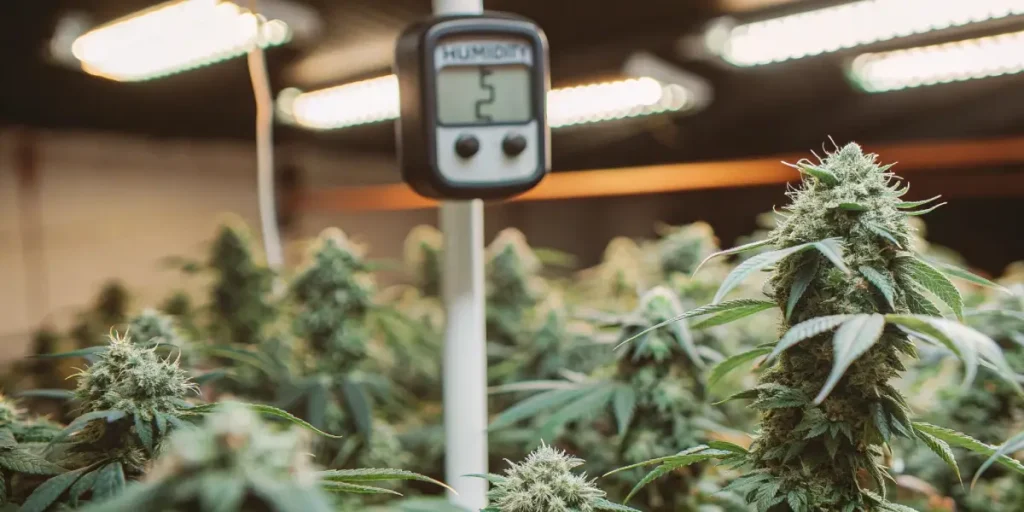
- Maintain 40-50% RH during flowering to prevent bud rot. Use a digital hygrometer for accurate readings.
- Ensure proper ventilation alongside dehumidifiers to enhance moisture removal and airflow.
- Regularly inspect plants for signs of mold or mildew, especially in dense bud formations.
- Choose a dehumidifier with adjustable humidity controls for precise environmental management.
- Opt for energy-efficient models to reduce operational costs over time.
- Position dehumidifiers centrally in the grow room for uniform humidity control.
Advanced Humidity Control Techniques
For large-scale operations, integrating a cannabis dehumidifier with an environmental control system can offer precision management. These systems automate humidity adjustments based on real-time data, ensuring optimal conditions without constant manual intervention. This technology is especially beneficial in commercial settings where maintaining consistent conditions is critical for maximizing yields.
Additionally, using a dehumidifier for drying weed can significantly enhance the drying process. By maintaining an RH of 55-65%, you can ensure even drying and preserve the delicate terpene profile of your cannabis. This method not only improves the quality but also reduces the risk of mold development during the drying phase.
FAQs About Dehumidifiers for Weed
Is it okay to use a dehumidifier to dry weed?
Yes, using a dehumidifier to dry weed is effective. It helps maintain humidity levels at 55-65%, preventing mold while allowing buds to dry evenly. This process preserves the terpene profile and potency. Ensure your dehumidifier is set to the correct humidity range to avoid overdrying.
Do dehumidifiers help with weed smoke?
Dehumidifiers can slightly reduce weed smoke by improving airflow, but they are not a replacement for air filtration systems. Carbon filters are more effective for odor control. A dehumidifier can help maintain a comfortable environment by reducing excess moisture that can trap odors.
Will a dehumidifier dry out my plants?
A dehumidifier won’t dry out your plants if used correctly. Set it to maintain appropriate humidity levels for each growth stage: 65-70% for seedlings, 40-60% for vegetative, and 40-50% for flowering. Monitoring with a hygrometer ensures your plants remain healthy and vigorous.
Is there a weed humidifier?
While there isn’t a specific “weed humidifier,” any humidifier can be used to increase humidity levels in a grow room. This is useful during the seedling stage when higher humidity is beneficial. Ensure the device is adjustable and monitor levels with a hygrometer for optimal plant health.
What type of dehumidifier is best for a large commercial grow operation?
For large commercial grow operations, whole-room dehumidifiers are ideal. They provide powerful moisture control across expansive areas. Look for models with high capacity (70-100 pints/day) and continuous drainage systems to minimize maintenance. These features ensure consistent humidity management and optimal plant health.