Top Factors That Increase Microbial Risk in Cannabis Growing

Growing cannabis can be a rewarding endeavor, but those aiming for top-quality yields should be aware of the factors that increase microbial risk in cannabis growing. These risks can impact your plants’ health and reduce your yield. Let’s dive into some key elements that could potentially harm your precious crop.
First, it’s crucial to consider the environment in which your cannabis plants are growing. Microbial risks often thrive in environments where certain conditions are met. This includes high humidity levels, contaminated soil, and improper ventilation. Addressing these factors can significantly reduce the microbial threat.
Recommended Strains
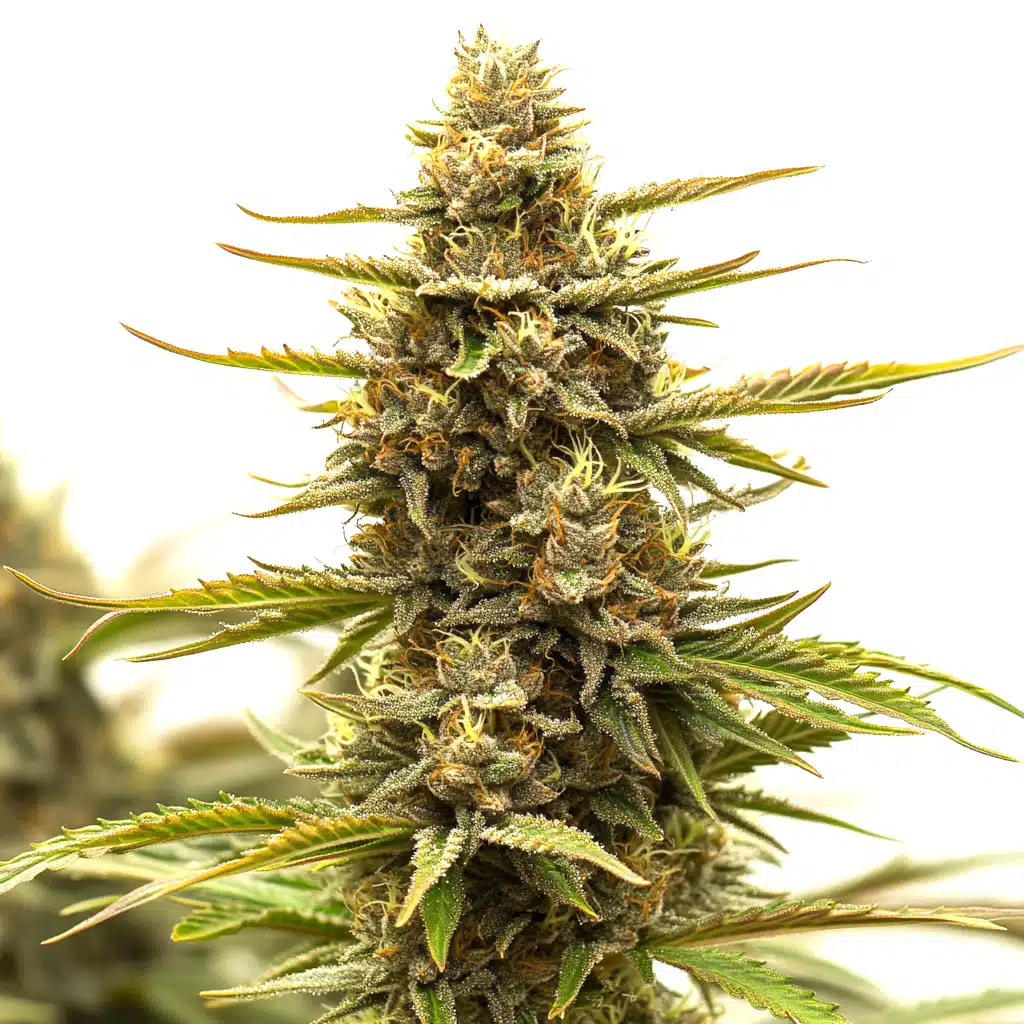
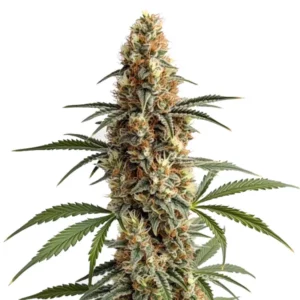
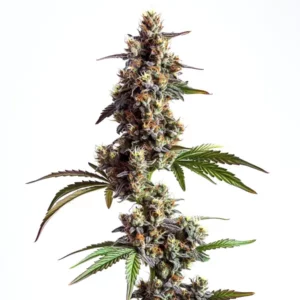
Tangerine Dream

|
THC | 23% - 24% (High) |

|
Type | Feminized |

|
Yield | High |

|
Phenotype | 60% Indica / 40% Sativa |
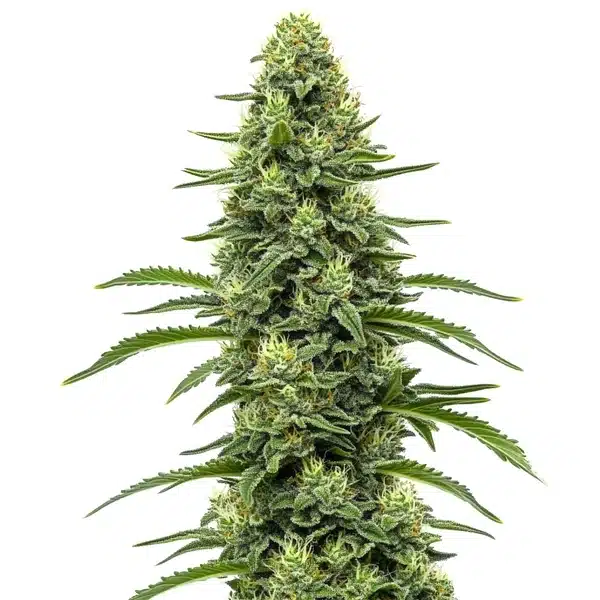
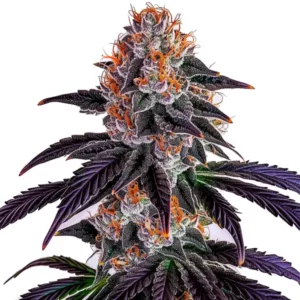
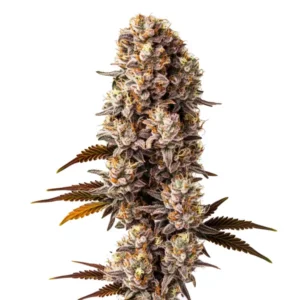
Skywalker
|
|
THC | 21% (Medium) |
|
|
Type | Feminized |
|
|
Yield | Medium |
|
|
Phenotype | 45% Indica / 55% Sativa |
It’s also important to focus on the quality of water used in cannabis cultivation. Contaminated water can introduce harmful microbes to your plants, leading to stunted growth or disease. Monitoring water quality can be a simple yet effective way to manage microbial growth in your cannabis farm.
Humidity Levels in Cannabis Cultivation
Humidity plays a crucial role in cannabis growth. However, high humidity levels in cannabis cultivation can lead to increased microbial risk. Mold and mildew thrive in humid environments, which can quickly become a problem for growers.
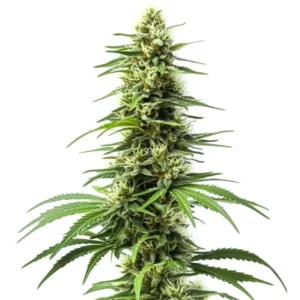
One practical example to control humidity is to use dehumidifiers in your grow space. This can help maintain optimal humidity levels, reducing the risk of mold. Strains like “Mamba Negra” from Blimburn Seeds are known for their resilience but still require careful humidity management to thrive.
Another useful tactic is to implement a climate control system that can automatically adjust humidity levels based on real-time data. This proactive approach ensures that your plants are always in an environment with optimal moisture, thus lowering the chances of microbial infestation. Furthermore, investing in quality sensors to monitor humidity levels in cannabis cultivation provides critical insights that help make informed adjustments.
It’s also beneficial to keep a close eye on the microclimates within your grow space. Different areas may have varying humidity levels, which could lead to uneven growth and isolated microbial risks. Regularly moving plants around can help ensure a uniform environment and reduce potential hotspots for microbial activities.
Controlling Moisture
Managing moisture in your grow space is essential. Overwatering can contribute to high humidity levels, creating a breeding ground for microbes. It’s important to find the right balance and ensure that your plants are not sitting in waterlogged soil.
Proper drainage is another key factor in controlling moisture. Ensure that your pots have adequate drainage holes to prevent water from accumulating. This not only reduces humidity but also helps in maintaining healthy root systems.
To further control moisture, consider using soil moisture meters. These devices provide accurate readings that help prevent overwatering and maintain optimal soil conditions. The goal is to keep the growing medium damp but not soggy, which can be a delicate balance to achieve without the right tools.
Mulching can also aid in moisture management by retaining soil moisture and reducing evaporation. This method not only conserves water but also helps regulate soil temperature, creating a more stable environment for cannabis plants to thrive, thus minimizing microbial risks.
Promos & Deals

Soil Contamination Risks in Cannabis Farming
Soil contamination is another significant factor that increases microbial risk in cannabis growing. Contaminated soil can introduce harmful pathogens that affect plant health and yield.
To mitigate this risk, regularly testing your soil for contaminants can help. Opt for organic soil mixes or sterilize your soil before planting. Blimburn Seeds “Skywalker” strain is known for its robust growth, but it still requires clean, healthy soil for optimal results.
Implementing crop rotation and cover cropping can significantly reduce soil contamination risks in cannabis farming. These practices not only enhance soil fertility but also break the cycle of disease by disrupting the life cycle of soil-borne pathogens. This proactive approach ensures a healthier growing medium for future crops.
Besides to this, the use of biochar as a soil amendment can improve soil structure and reduce the risk of contamination. Biochar enhances soil aeration and water retention, creating a more conducive environment for beneficial microbes to thrive and outcompete harmful pathogens.
Using Quality Soil
Investing in high-quality soil is a smart move for any cannabis grower. Good soil supports healthy plant growth and reduces the likelihood of contamination. Look for soils that are rich in organic matter and free from harmful chemicals.
Using compost can improve soil quality. It introduces beneficial microbes which can outcompete harmful pathogens. This natural approach to soil health is both effective and sustainable.
Another strategy is to incorporate mycorrhizal fungi into your soil mix. These beneficial fungi form a symbiotic relationship with plant roots, enhancing nutrient uptake and boosting plant resilience against diseases. This relationship is integral in maintaining a balanced soil ecosystem.
Additionally, regularly rotating your soil or using raised beds can help mitigate compacted soil issues and promote better drainage. Good soil structure is essential in preventing waterlogging, which can lead to root rot and other microbial problems.
Improper Ventilation Effects on Cannabis Plants
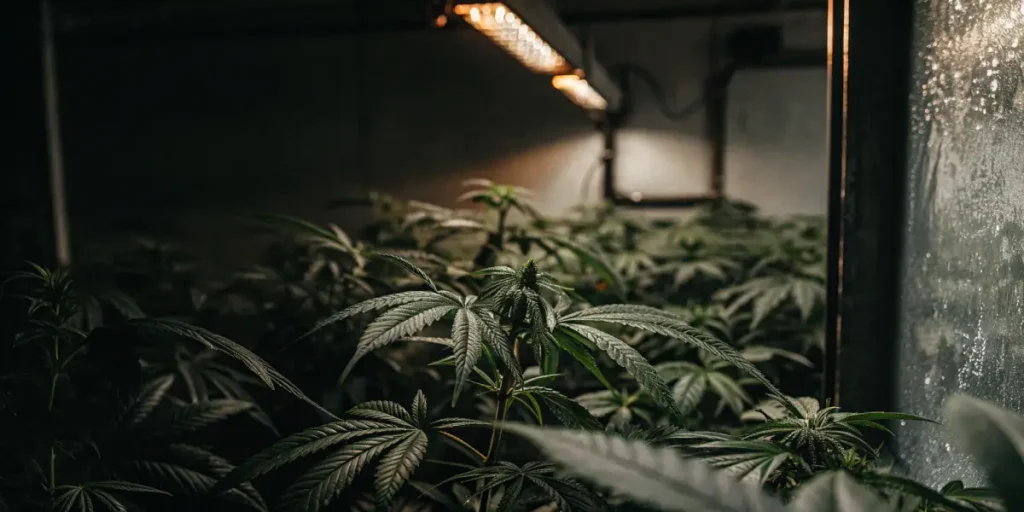
Ventilation is often overlooked, yet it plays a critical role in minimizing contamination issues. Poor airflow is one of the key factors that increase microbial risk in cannabis growing, creating the perfect environment for mold, mildew, and harmful pathogens to thrive. Improper ventilation effects on cannabis plants can include mold development, weakened plant structures, and reduced overall yield. Ensuring consistent air circulation helps maintain stable humidity levels and supports healthier plant growth.
Ensuring proper airflow can be as simple as setting up fans or exhaust systems. This helps remove stale air and bring in fresh air, thus reducing humidity and the risk of microbial growth. For strains like “Tangerine Dream” from Blimburn Seeds, good ventilation is essential for healthy development.
Beyond just airflow, maintaining a consistent temperature is critical in managing improper ventilation effects on cannabis plants. Temperature fluctuations can stress plants, making them more susceptible to microbial attacks. A stable climate supports vigorous plant growth and reduces the risk of microbial colonization.
Consider using automated systems that can adjust ventilation based on temperature and humidity levels. These systems provide a controlled environment that minimizes human error and ensures that plants receive the optimal conditions throughout their growth cycle.
Setting Up Ventilation Systems
When setting up your grow space, consider the placement of fans and air vents. Strategically placing these can improve airflow throughout the entire grow area, preventing hotspots where mold could develop.
Using carbon filters can also be beneficial. They help in removing odors and filtering out pathogens, contributing to a cleaner growing environment. This is particularly useful in indoor grow spaces where natural ventilation may be limited.
It’s important to regularly inspect your ventilation systems for any blockages or mechanical failures. Ensuring that all components are functioning correctly will prevent the buildup of stale air and reduce the chances of microbial outbreaks.
Adding oscillating fans can further enhance air movement, ensuring that no areas within the grow space become stagnant. This constant air circulation is crucial in maintaining an environment that is inhospitable to mold and mildew.
Water Quality Impact on Cannabis Microbial Growth
Water is a lifeline for your cannabis plants, but poor water quality can increase microbial risk. Contaminated water can introduce pathogens that harm your plants and reduce yields.
It’s advisable to test water quality regularly. Ensuring that your water source is free from harmful microbes and chemicals can make a significant difference in plant health. Strains like Blimburn Seeds “Mamba Negra” require clean water to reach their full potential.
Consider installing a reverse osmosis system to ensure the highest water quality for your cannabis plants. This system effectively removes impurities and provides a clean water source, minimizing the factors that increase microbial risk in cannabis growing.
Additionally, collecting and using rainwater can be a sustainable option, but it’s crucial to filter and treat it before use. This ensures that any contaminants picked up during collection are removed, providing a pure water source for your plants.
Purifying Water for Cannabis Cultivation
Using filters or purification systems can improve water quality. These systems remove impurities that could contribute to microbial growth, offering a simple way to protect your plants.
Rainwater collection is another option for those seeking natural water sources. However, it’s important to treat collected rainwater to ensure it’s free from contaminants.
Regularly testing and balancing the pH of your water is essential to prevent stress on your plants. Water that is too acidic or alkaline can disrupt nutrient uptake and make plants more vulnerable to microbial infections.
Installing UV sterilization systems can also be an effective way to purify water, as they kill microbes without the need for chemicals. This method is particularly useful in areas where water quality is a consistent issue.
Pest Management in Cannabis Greenhouses
Pests are a common issue in cannabis cultivation and represent one of the main factors that increase microbial risk in cannabis growing, as they damage plant tissue and facilitate the spread of pathogens. Effective pest management in cannabis greenhouses is essential to protect your crop, reduce contamination, and maintain a healthy growing environment.
Implementing pest control measures, such as using natural predators or organic pesticides, can help manage this risk. It’s also important to regularly inspect your plants for signs of infestation and take immediate action if pests are found.
Integrating pest management protocols into your daily routine can significantly reduce the risk of infestations. Consistent monitoring and quick response to pest sightings are vital in maintaining a healthy grow environment.
Moreover, creating a diverse ecosystem within your greenhouse can naturally deter pests. Planting companion species that repel harmful insects can reduce the need for chemical interventions and maintain the ecological balance.
Preventive Pest Control Strategies
One effective strategy is to introduce beneficial insects, such as ladybugs or predatory mites, which naturally control pest populations without the need for chemicals.
Using traps and barriers can also prevent pests from reaching your plants. Sticky traps are a simple tool to catch flying insects, while physical barriers can keep out larger pests.
Maintaining a clean grow space is crucial. Removing plant debris and keeping the area tidy reduces places where pests can hide and breed. This simple practice can significantly lower the risk of pest-related microbial issues.
Encouraging biodiversity by planting a variety of species can also prevent pest outbreaks. A diverse plant environment makes it more difficult for any one pest species to dominate, thus reducing pest-related stress on your cannabis plants.
FAQs about factors that increase microbial risk in cannabis growing
What are common signs of microbial contamination in cannabis plants?
Common signs include discolored leaves, moldy buds, and a general decline in plant vigor. If you notice an unusual smell or fuzzy growths on your plants, these could be indicators of microbial contamination. It’s essential to address these issues promptly to prevent further spread.
Regular inspections can help catch these signs early. If you suspect contamination, isolate affected plants to prevent it from spreading to healthy ones. Using sterile tools and practicing good hygiene can also reduce the risk of contamination.
How can I improve the ventilation in my cannabis grow room?
Improving ventilation involves setting up an airflow system that efficiently circulates air. Installing exhaust fans, intake vents, and oscillating fans can help maintain a consistent flow of fresh air. This setup reduces humidity and the risk of mold and mildew.
It’s also important to consider the layout of your grow room. Ensure that there are no obstructions blocking airflow, and space plants adequately to allow air to move freely between them. Regularly check and clean your ventilation equipment to keep it running efficiently.
What steps can I take to ensure my soil is not contaminated?
Start by using high-quality, organic soil from reputable sources. Test your soil for contaminants before use, and consider sterilizing it by baking or steaming to kill any potential pathogens. Adding beneficial microbes can help create a healthy soil ecosystem.
Practice crop rotation and use companion planting to naturally enhance soil health. Avoid using chemical fertilizers and pesticides that could contribute to soil contamination. Regularly amend your soil with compost to maintain its fertility and microbial balance.
How does water quality affect cannabis plant health?
Poor water quality can introduce harmful pathogens to your plants, leading to diseases and reduced growth. Contaminated water can also affect nutrient uptake, causing nutrient deficiencies and impacting overall plant health.
To ensure water quality, use filtration systems to remove impurities and regularly test for contaminants. Monitor pH levels, as water that’s too acidic or alkaline can stress plants, making them more susceptible to diseases.
What are effective organic methods for pest management in cannabis cultivation?
Organic pest management involves using natural solutions to control pest populations. Introducing beneficial insects like ladybugs or predatory mites can naturally reduce pest numbers without chemicals. Neem oil and insecticidal soaps are also effective organic treatments.
Maintaining cleanliness and using physical barriers can prevent pests from accessing your plants. Regularly inspect your plants for signs of pests and address issues promptly to prevent infestations. These methods protect your crop while maintaining an eco-friendly approach.
Keep reading
If this topic is useful for your grow, you will probably also want to read Essential Guide to Soil-Borne Pathogens in Cannabis Cultivation and Proven LC-MS/MS Method for PGR Residues in Cannabis: Expert Guide, two closely related guides from our blog that go deeper into the same subject.