Proven Tips: Combat Poor Airflow and Microbial Growth in Cannabis Canopies

Poor airflow and microbial growth in cannabis canopies can be a real headache. It’s crucial to tackle these issues head-on to keep your plants healthy and productive. This article dives into effective strategies to manage your cannabis canopy and prevent these common problems.
Airflow is like the breath of life for cannabis plants. Without it, you’re inviting trouble. Poor airflow effects cannabis canopy by creating a stagnant environment where molds, mildews, and other unwelcome guests thrive. Fixing these issues is not just about keeping your plants alive; it’s about boosting their overall health and yield.
Recommended Strains

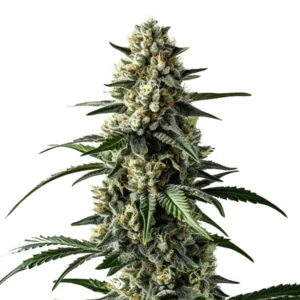
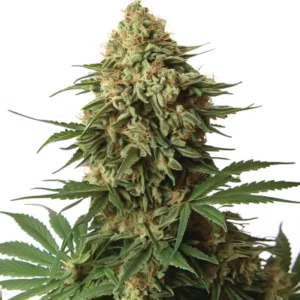
GG4

|
THC | 27% (High) |

|
Type | Feminized |

|
Yield | High |

|
Phenotype | 40% Indica / 60% Sativa |
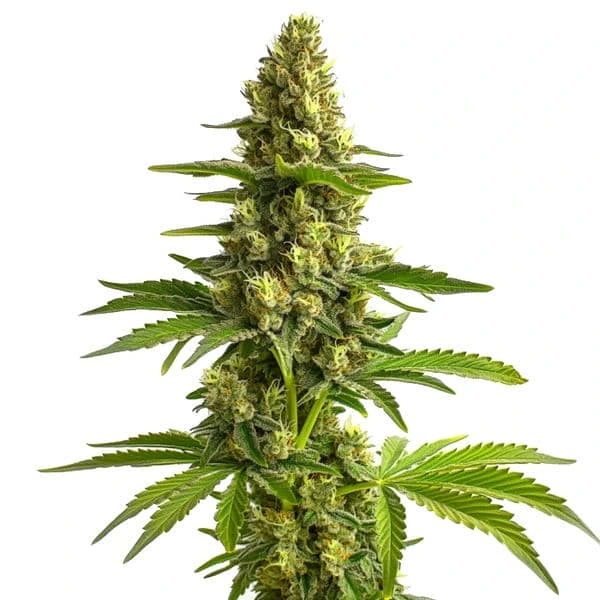
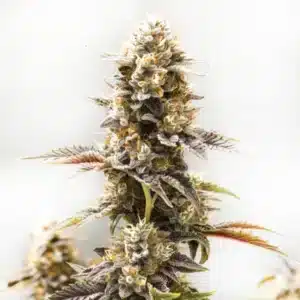
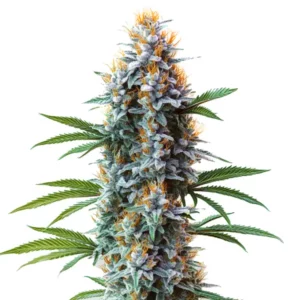
Bruce Banner #3
|
|
THC | 20% - 29% (High) |
|
|
Type | Feminized |
|
|
Yield | High |
|
|
Phenotype | 50% Indica / 50% Sativa |
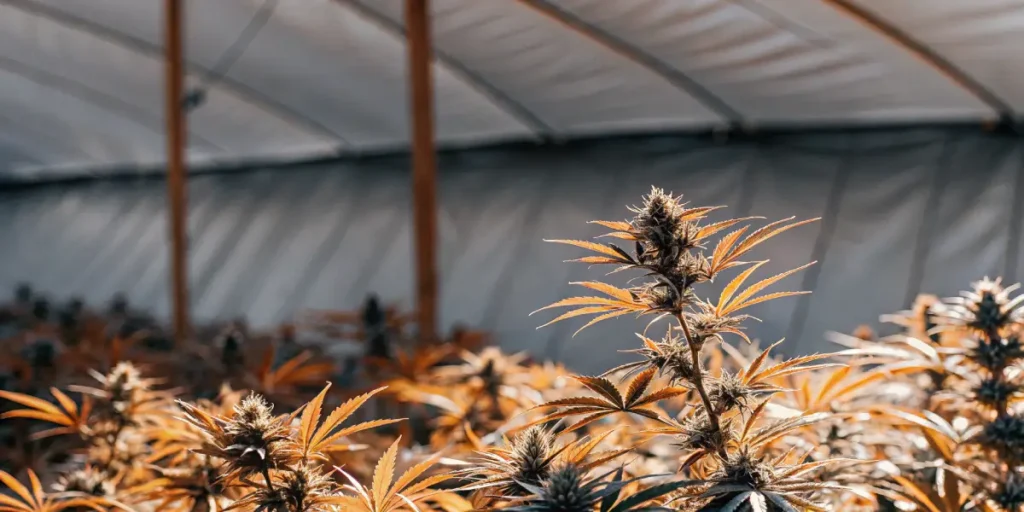
Microbial growth cannabis plant issues often arise from neglecting the space between the leaves. When air doesn’t circulate well, moisture builds up, leading to mold and mildew. Let’s explore practical solutions to ensure your cannabis canopy is free from these challenges.
Knowing the Causes of Poor Airflow
Poor airflow in cannabis cultivation can result from several factors. One primary cause is overcrowding. When plants are too close together, leaves overlap, blocking the air from moving freely. This creates pockets of still air, which are perfect for microbial growth.
Another factor is inadequate ventilation. Without proper systems in place to move air, even the best-spaced plants can suffer. Ventilation systems not only move air but also help control temperature and humidity, two critical components in preventing mold in cannabis canopies.
Environmental factors such as room layout and plant arrangement can further exacerbate poor airflow in cannabis canopies. High walls and closed spaces can trap air, making it difficult to maintain a balanced environment. Adjusting your setup to allow for natural air pathways can significantly improve the situation.
Additionally, external climate conditions can play a role in airflow issues. In regions with high humidity or limited wind, growers might find that poor airflow effects cannabis canopy health more significantly. Implementing additional airflow solutions for cannabis cultivation in such areas is crucial to overcoming these natural challenges.
Effective Airflow Solutions for Cannabis Cultivation
Start by spacing your plants adequately. This might mean sacrificing a few plants for the greater good of the rest. A well-spaced canopy allows air to flow naturally, reducing the risk of mold and mildew.
Invest in quality fans. Oscillating fans can be a game-changer, providing a gentle breeze that mimics natural wind. Place fans strategically to ensure every part of the canopy receives airflow. Remember, airflow solutions for cannabis cultivation are about movement, not a harsh windstorm.
Utilizing adjustable fan speeds can further tailor your airflow strategy. By modifying the intensity of airflow throughout different growth stages, you can ensure optimal conditions for your plants. This adaptability is key to preventing mold in cannabis canopies.
Incorporating technology such as environmental sensors can aid in monitoring airflow and humidity levels. These tools provide real-time data, allowing for quick adjustments to your setup, ensuring you stay ahead of any potential poor airflow and microbial growth in cannabis canopies.
Promos & Deals
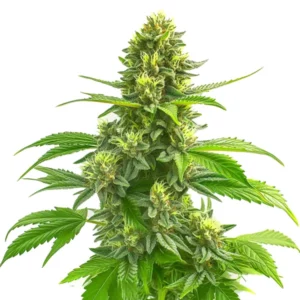
Managing Microbial Growth in Cannabis Canopies
Microbial growth in cannabis canopies is a silent threat. It often appears as powdery mildew or mold, both of which can devastate your crop if not controlled. Prevention is the best cure, so let’s dive into some management techniques.
Humidity control is paramount. Keep humidity levels between 40-60% during the blooming phase to limit microbial growth. Use dehumidifiers if necessary, especially in regions with naturally high humidity.
Implementing proper irrigation techniques can also help manage microbial growth cannabis plant issues. By watering at the base of the plants rather than overhead, you minimize moisture accumulation on leaves, reducing the risk of mold.
Sanitation practices are equally important. Regularly cleaning your grow area and equipment can prevent the introduction and spread of microbial spores, maintaining a healthy environment for your cannabis canopy.
Advanced Cannabis Canopy Management Techniques
Pruning is an essential technique to improve airflow. By selectively removing leaves and branches, you create pathways for air to move through the canopy. Pruning also reduces the density of the foliage, making it harder for mold to take hold.
Training methods like topping, fimming, or using a screen of green (ScrOG) can help manage your canopy effectively. These techniques spread the plant out horizontally, allowing light and air to penetrate deeper into the canopy, which is crucial for preventing mold in cannabis canopies.
Implementing these cannabis canopy management techniques can also enhance light distribution, ensuring all parts of the plant receive adequate exposure. This balanced growth not only prevents microbial issues but also boosts overall yield and quality.
Consistent monitoring and adjustments are vital. By staying attentive to your plants’ needs and environmental conditions, you can swiftly implement changes to optimize your growing strategy and mitigate poor airflow and microbial growth in cannabis canopies.
Recommended Cannabis Strains for Resilient Growth
Blimburn Seeds offers strains that are not only robust but also rewarding for growers. The GG4 strain is known for its resilience against common plant issues, making it a favorite among experienced growers.
Another excellent choice is the Bruce Banner 3 strain. It is renowned for its vigor and ability to thrive in less-than-ideal conditions, reducing the impact of poor airflow effects cannabis canopy.
These strains from Blimburn Seeds are not only resilient but also versatile, performing well in various growing environments. Their adaptability makes them ideal for both novice and seasoned growers looking to minimize risks.
When selecting strains, it’s crucial to consider your specific growing conditions. The right choice can make a significant difference in managing poor airflow and microbial growth in cannabis canopies, ensuring a successful harvest.
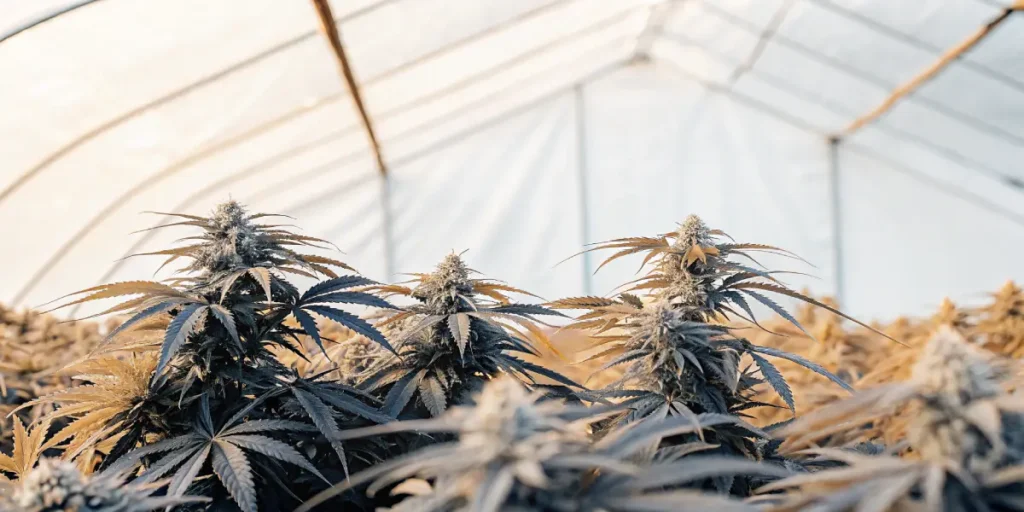
Preventing Mold with Strain Selection
Choosing the right strain can significantly impact your ability to manage poor airflow and microbial growth in cannabis canopies. The Blue Dream strain from Blimburn Seeds is a great option for those concerned about mold. Its genetic profile offers a degree of natural resistance.
When selecting strains, consider those that are known for their robustness and adaptability. Strains like GG4 and Bruce Banner are bred for resilience and can handle environmental stresses better than others.
Matching strains to your environment can enhance your cultivation success. High-resistance strains allow for more flexibility in management techniques, giving you an edge against potential issues.
Always consider the growth characteristics of each strain. Factors such as height, leaf density, and flowering time can influence how susceptible they are to poor airflow effects cannabis canopy, guiding your decision for optimal strain selection.
FAQs about poor airflow and microbial growth in cannabis canopies
What are the signs of poor airflow in a cannabis canopy?
Signs of poor airflow include a musty smell, visible mold or mildew on leaves, and leaves that appear wilted or limp. Plants may also show uneven growth, with some areas flourishing while others struggle.
To address poor airflow, inspect your setup for overcrowded plants and ensure your ventilation system is up to the task. Regularly check and clean fans to maintain their efficiency. Consider adjusting the layout of your grow space to enhance natural airflow.
Poor airflow can also lead to temperature inconsistencies, causing stress to your plants. Monitoring temperature fluctuations can help identify airflow issues, allowing you to take corrective action swiftly.
Furthermore, plant health can be compromised by pests attracted to stagnant air environments. Regular inspections and preventive measures can help maintain optimal conditions and prevent poor airflow and microbial growth in cannabis canopies.
How can I prevent microbial growth without chemicals?
There are several non-chemical methods to prevent microbial growth. Start by maintaining optimal humidity levels and ensuring good air circulation throughout your grow area.
Incorporate natural remedies like neem oil or baking soda sprays, which can act as preventive measures against mold and mildew. Always apply these solutions sparingly to avoid any negative impact on your plants.
Using organic soil amendments can bolster your plants’ natural defenses, creating a more resilient system against microbial threats. These organic solutions work synergistically with your plants, enhancing their overall health.
Additionally, employing beneficial microbes can create a competitive environment, suppressing harmful microbial growth. This biological approach aligns with sustainable practices and supports long-term plant health.
What are the best practices for pruning cannabis plants?
When pruning, focus on removing dead or yellowing leaves, as well as any foliage blocking airflow. Use clean, sharp tools to make precise cuts, reducing the risk of damage to the plant.
Prune during the vegetative stage to help shape the plant and improve light penetration. Regular pruning can significantly improve airflow, reducing the incidence of microbial growth.
Knowing plant growth patterns can guide your pruning strategy, ensuring you support healthy development while minimizing stress. Adapting your approach as plants mature ensures continued success in managing your canopy.
Balancing pruning with training techniques can maximize the benefits, creating an optimal environment for your plants to flourish. This comprehensive approach is key to effective cannabis canopy management techniques.
How does strain selection affect my ability to manage cannabis canopies?
Strain selection plays a crucial role in managing cannabis canopies as different strains have varying resilience to environmental stresses like poor airflow and microbial growth.
Choosing strains known for their hardiness can reduce the likelihood of issues. Strains from Blimburn Seeds like Gorilla G4 and Bruce Banner are excellent choices for growers looking to minimize risks.
The genetic traits of each strain can influence their growth habits, dictating how they interact with their environment. Selecting strains that match your conditions can streamline your management efforts significantly.
By knowing the specific needs and characteristics of each strain, you can tailor your cultivation practices to enhance growth, ensuring a productive and healthy cannabis canopy.
Can poor airflow affect the potency of cannabis?
Poor airflow can indeed affect potency. When airflow is inadequate, plants may not develop properly, leading to lower yields and potentially weaker concentrations of cannabinoids.
Ensuring good airflow helps plants reach their full potential by supporting healthy growth and maximizing resin production, which is directly linked to potency.
Moreover, consistent airflow supports even nutrient distribution, ensuring all parts of the plant receive the resources needed for optimal development. This balance is crucial for maintaining high cannabinoid levels.
The relationship between airflow and potency underscores the importance of effective airflow solutions for cannabis cultivation, making it a priority for any serious grower aiming for top-quality results.