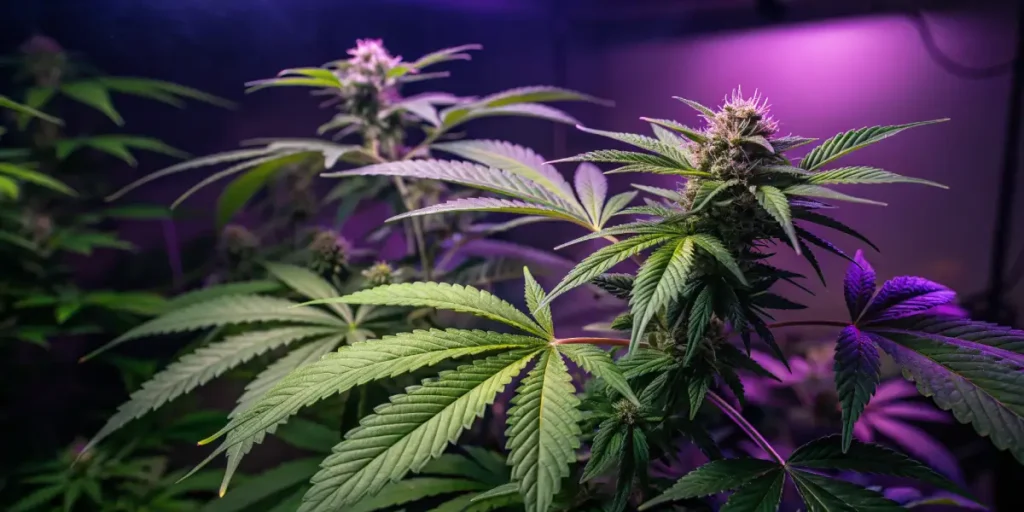
Proven Light Exposure Impact on Terpene + Cannabinoid Stability

When it comes to cannabis cultivation, one crucial aspect often overlooked is the impact of light exposure on terpene and cannabinoid stability. This stability is essential for maintaining the entourage effect, a term used to describe how different compounds in cannabis work together to enhance overall effects. Light exposure can significantly affect this delicate balance, leading to degradation of these vital compounds.
Terpenes are aromatic compounds found in cannabis that not only give each strain its unique scent but also contribute to the plant’s therapeutic effects. However, these compounds are incredibly sensitive to light. Similarly, cannabinoids, the chemical compounds like THC and CBD, also fall prey to light exposure. Therefore, knowing how light impacts these compounds can help growers preserve the quality and potency of their harvest.
Recommended Strains

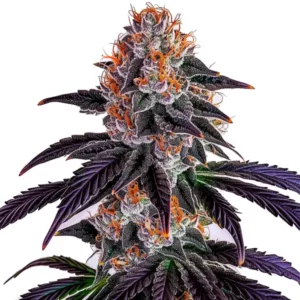
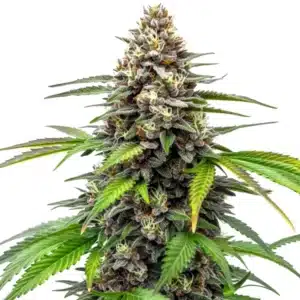
Blackberry Moonrocks

|
THC | 26% - 33% (High) |

|
Type | Feminized |

|
Yield | High |

|
Phenotype | 80% Indica / 20% Sativa |
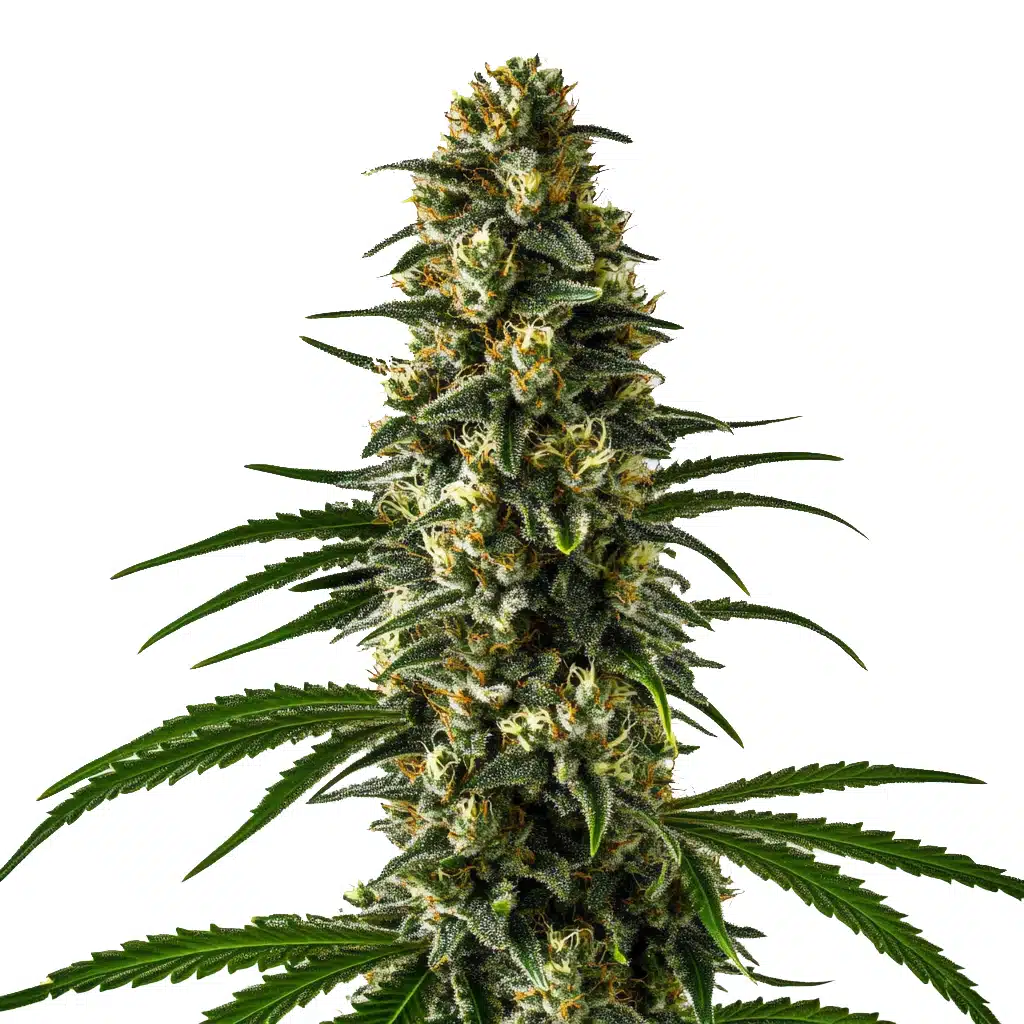
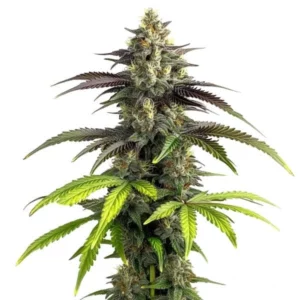
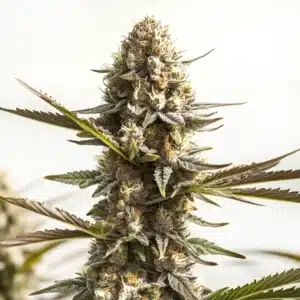
Girl Scout Cookies
|
|
THC | 18% - 25% (High) |
|
|
Type | Feminized |
|
|
Yield | High |
|
|
Phenotype | 60% Indica / 40% Sativa |
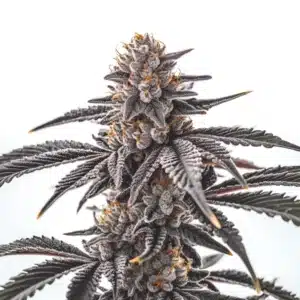
Blimburn Seeds offers a variety of strains perfect for those looking to maintain terpene and cannabinoid stability. For instance, their Girl Scout Cookies strain is highly favored for its rich terpene profile and robust cannabinoid content, both of which require careful handling to avoid degradation due to light exposure.
Light Exposure Effects on Terpene Stability
Terpene stability is greatly affected by light exposure. When terpenes are exposed to light, especially direct sunlight or intense artificial lighting, they begin to degrade. This degradation not only reduces the potency of the aroma but also diminishes the therapeutic benefits associated with these compounds.
The intricate structure of terpenes makes them vulnerable to light. For example, when exposed to UV light, some terpenes can oxidize, leading to a change in their chemical structure. This change can result in a loss of flavor and aroma, which is a significant concern for anyone looking to produce high-quality cannabis. By knowing the impact of light exposure on terpene stability, growers can take steps to minimize degradation.
Moreover, light exposure effects on terpene stability can vary depending on the intensity and duration of exposure. Short bursts of intense light can be just as harmful as prolonged exposure to moderate light levels. Therefore, implementing a controlled lighting schedule that minimizes unnecessary exposure is critical for preserving terpene integrity.
Besides to storage solutions, selecting the appropriate lighting for cultivation is crucial. Light sources that emit minimal UV radiation are ideal for reducing terpene degradation. Using LED lights or other low-UV-emitting options can significantly help in maintaining the aromatic and therapeutic profiles of your cannabis strains.
- Use opaque containers to store cannabis products.
- Limit the exposure to direct sunlight during drying and curing processes.
- Consider using LED lights, which emit less UV radiation compared to other types of lighting.
Promos & Deals
Cannabinoid Stability Under Light Exposure
Much like terpenes, cannabinoids are also susceptible to degradation when exposed to light. This degradation can lead to a decrease in the potency of the cannabis, affecting the overall quality and impact of the product. For instance, prolonged exposure to light can convert THC into CBN, a process that reduces the psychoactive effects of the cannabis.
The stability of cannabinoids under light exposure is a pivotal concern for both novice and experienced growers. THC and CBD, the two most well-known cannabinoids, are particularly sensitive to UV light. Over time, exposure can cause significant degradation, impacting the efficacy of cannabis products.
Knowing cannabinoid stability under light exposure is vital for maximizing the therapeutic and psychoactive benefits of cannabis. By recognizing how different wavelengths of light interact with cannabinoids, growers can tailor their cultivation practices to enhance cannabinoid preservation.
For example, choosing strains from Blimburn Seeds that are known for their resilience to environmental stressors can provide a solid foundation. These seeds are bred to withstand various conditions, including light exposure, helping to maintain the potency and quality of the cannabis.
Blimburn Seeds Blackberry Moonrocks is another strain that benefits from careful light management. Known for its high THC content, preserving cannabinoid stability is crucial to maintaining its potency and ensuring consumers experience the entourage effect.
Entourage Effect Influenced by Light on Terpenes
The entourage effect is significantly influenced by the stability of terpenes and cannabinoids. When these compounds degrade due to light exposure, the synergy between them is compromised. This can result in a less effective product that doesn’t provide the desired effects.
For cannabis growers, maintaining the integrity of the entourage effect means paying close attention to how light impacts terpene and cannabinoid stability. Simple practices such as controlling the light environment during the growing phase, using proper storage methods, and choosing the right lighting equipment can make a significant difference.
The light exposure impact on terpene + cannabinoid stability (entourage effect) cannot be overstated. When light destabilizes these compounds, it disrupts the balance that is crucial for the entourage effect to manifest, ultimately affecting the user’s experience.
By safeguarding against terpene and cannabinoid degradation due to light, growers can ensure that their products deliver the full range of effects expected by consumers. This involves not only careful monitoring of light conditions but also a comprehensive approach to plant care and environmental management.
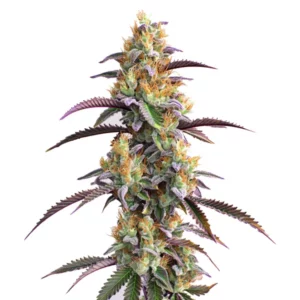
Blimburn Seeds offers the Bruce Banner strain, which is renowned for its potent entourage effect. To preserve this, growers need to be mindful of the light conditions from cultivation through to storage, ensuring that the interaction between terpenes and cannabinoids remains intact.
Terpene and Cannabinoid Degradation Due to Light
The degradation of terpenes and cannabinoids due to light is a critical issue that affects both the quality and potency of cannabis. Light exposure initiates chemical reactions that can alter the structure of these compounds, leading to a reduction in their effectiveness.
For cannabis enthusiasts who value aroma and effect, knowing how light impacts these elements is essential. Simple changes, like adjusting the intensity and duration of light exposure, can help mitigate degradation and maintain the desired qualities of the plant.
Terpene and cannabinoid degradation due to light is not just a concern during cultivation but also during post-harvest handling. Ensuring that cannabis is processed and stored in optimal conditions can prevent significant losses in quality and potency.
Growers can adopt strategies such as using blackout curtains in grow rooms or opting for controlled-environment agriculture systems that offer precise light management. Such measures are invaluable in preserving the intricate profiles of cannabis, ensuring that each strain retains its unique characteristics.
Protecting your harvest starts with awareness. Whether you’re drying, curing, or storing your cannabis, consider the impact of light. Measures such as using blackout curtains in grow rooms or storing cannabis in dark, cool places can preserve the rich profiles of your favorite strains.
Impact of Light on Entourage Effect Stability
The stability of the entourage effect is heavily dependent on the preservation of both terpenes and cannabinoids. Light exposure can destabilize these compounds, weakening the synergistic effects that contribute to cannabis’s overall impact.
For growers and consumers alike, maintaining entourage effect stability requires proactive measures. From the choice of seeds to the final product, each step in the cultivation process can influence the outcome. Selecting strains known for their robust profiles, like those offered by Blimburn Seeds, is a good starting point.
The impact of light on entourage effect stability highlights the importance of integrated cultivation practices. By fostering an environment that supports the natural synergy of cannabis compounds, growers can produce high-quality products that stand the test of time.
Comprehensive light management throughout the cannabis lifecycle ensures that the entourage effect is preserved. This involves not only minimizing light exposure but also optimizing other environmental factors such as temperature and humidity to support compound stability.
Ultimately, the impact of light on entourage effect stability can’t be overstated. By taking steps to protect your plants from excessive light exposure, you can ensure that the therapeutic and psychoactive benefits of cannabis are preserved, providing the full spectrum of effects that consumers expect.
FAQs about light exposure impact on terpene + cannabinoid stability
How does light exposure affect terpene stability?
Light exposure severely impacts terpene stability by triggering chemical reactions that degrade these compounds. Terpenes are highly sensitive to both UV and direct sunlight, leading to oxidation. This process not only changes their chemical structure but also diminishes their aromatic and therapeutic properties.
To combat this, growers should implement strategies such as reducing direct light exposure during critical stages like drying and curing. Using storage solutions that block light can also help preserve terpene profiles, ensuring that the cannabis retains its desired qualities over time.
Light exposure effects on terpene stability necessitate a holistic approach to cannabis care. By knowing the specific light needs of different strains, growers can tailor their practices to minimize degradation and enhance the overall quality of their harvest.
Continual education and adaptation are key in managing light exposure impact on terpene + cannabinoid stability (entourage effect). Staying informed about the latest research and technological advancements can empower growers to make informed decisions that protect their crops.
Why is cannabinoid stability important under light exposure?
Cannabinoid stability is crucial because light exposure can lead to significant degradation, affecting both the potency and efficacy of cannabis. For instance, THC can convert into CBN when exposed to prolonged light, reducing its psychoactive effects. This degradation compromises the quality and therapeutic potential of the plant.
Growers can maintain cannabinoid stability by controlling light exposure throughout the cultivation and storage phases. Techniques such as using LED lights, which emit less harmful UV radiation, can help preserve these compounds, maximizing the benefits of the final product.
Knowing cannabinoid stability under light exposure is a key factor in preserving the therapeutic properties of cannabis. By employing proper light management strategies, growers can ensure that their products remain effective and potent over time.
Blimburn Seeds offers strains with robust cannabinoid profiles that can withstand diverse growing conditions. By selecting these strains, growers can benefit from enhanced resilience to light exposure, ensuring product quality and consistency.
What is the entourage effect and how is it influenced by light on terpenes?
The entourage effect is the phenomenon where the combined effect of various cannabis compounds, such as terpenes and cannabinoids, is greater than the sum of their individual effects. Light exposure can disrupt this synergy by degrading these compounds, resulting in a less effective product.
Maintaining the entourage effect requires careful management of light exposure. By selecting strains with strong profiles and ensuring optimal light conditions, growers can preserve the interaction between terpenes and cannabinoids, delivering a full-spectrum cannabis experience.
The entourage effect influenced by light on terpenes is a dynamic interaction that requires precision and care. By adopting best practices in light management, growers can enhance the synergy of cannabis compounds, providing consumers with consistent and reliable effects.
Furthermore, collaboration with reputable seed providers like Blimburn Seeds can support growers in achieving desired outcomes. With access to high-quality genetics, cultivators can optimize their operations for maximum cannabinoid and terpene stability.
How can I minimize terpene and cannabinoid degradation due to light?
Minimizing degradation starts with awareness and proactive measures. Growers should focus on controlling light intensity and exposure duration throughout the cultivation process. During storage, using opaque containers and keeping them in cool, dark environments is crucial.
Additionally, choosing high-quality seeds from reputable sources like Blimburn Seeds can provide a strong foundation. Their strains are bred for stability, meaning they are more resilient to environmental factors, including light exposure.
Implementing advanced cultivation techniques can further reduce terpene and cannabinoid degradation due to light. By integrating technology such as smart lighting systems, growers can automate and optimize light conditions to suit the specific needs of their crops.
Education and community engagement are also valuable tools in combating light exposure impact on terpene + cannabinoid stability (entourage effect). By sharing knowledge and experiences, growers can collectively improve practices and outcomes in cannabis cultivation.
What steps can I take to maintain the stability of the entourage effect?
Preserving the entourage effect stability involves a series of careful steps from seed selection to storage. First, choose strains known for their robust terpene and cannabinoid profiles. Then, manage light exposure meticulously throughout the growth and curing processes.
Implementing proper storage techniques is equally important. Keep cannabis products in dark, cool places to prevent light-induced degradation. By following these practices, you can ensure that your cannabis retains its full spectrum of effects, providing the desired therapeutic and psychoactive benefits.
The impact of light on entourage effect stability underscores the importance of a comprehensive approach to cannabis cultivation. By prioritizing environmental control and selecting high-quality genetics, growers can consistently produce superior products.
Ultimately, the goal is to deliver a cannabis experience that fully leverages the benefits of the entourage effect. By adhering to best practices and staying informed about industry advancements, growers can achieve this objective, satisfying consumer expectations and enhancing market competitiveness.