Proven Cannabis Potency Loss Measurement Under Light Exposure

When you’re growing cannabis, one of your main goals is to maintain its potency. Light exposure is a crucial factor that can influence this. Let’s dive into how cannabis potency loss measurement under light exposure works and how you can prevent it.
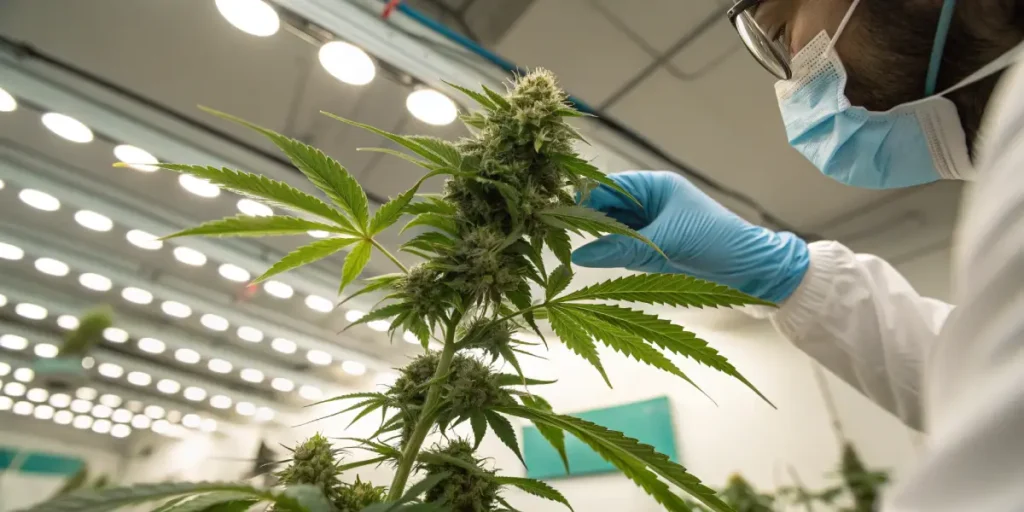
Light can be a friend or foe to cannabis. While it helps plants grow, it also poses a risk of reducing potency. This is due to the breakdown of cannabinoids when exposed to light over time. Knowing how to measure this loss can save you time and money. In the lab that measurement is run with an HPLC method for THC degradation or, for cannabidiol, a dedicated protocol to quantify CBD degradation under light.
Recommended Strains

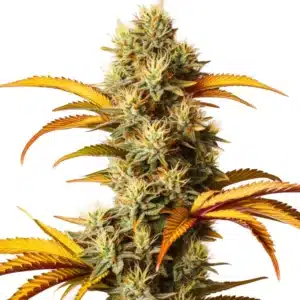
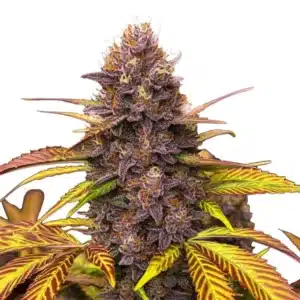
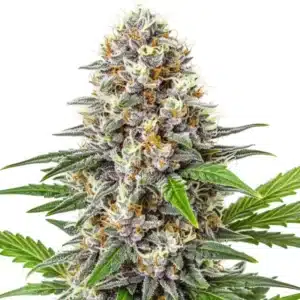
Bruce Banner 2.0

|
THC | 25% - 30% (High) |

|
Type | Feminized |

|
Yield | High |

|
Phenotype | 35% Indica / 65% Sativa |

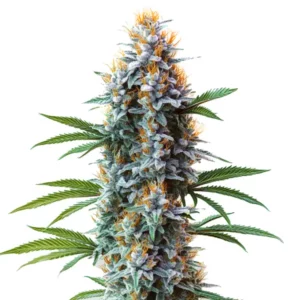
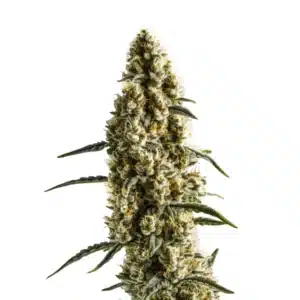
Tangie
|
|
THC | 19% - 22% (Medium) |
|
|
Type | Feminized |
|
|
Yield | High |
|
|
Phenotype | 30% Indica / 70% Sativa |
For first-time growers, the challenge is real. You might be wondering how to keep your cannabis potent while exposing it to the necessary light. Experienced growers also need strategies to minimize potency degradation. Luckily, these methods apply to everyone.
Effects of Light on Cannabis Cannabinoid Levels
Light exposure affects cannabinoid levels significantly. Cannabinoids, like THC and CBD, are sensitive to light. When exposed, they degrade and lose potency. This process is called cannabis potency degradation due to light.
For instance, a batch left under direct light will show a noticeable decrease in THC levels compared to one that’s properly stored. This is why knowing cannabis light exposure potency testing methods is critical for maintaining quality.
Besides to THC and CBD, other cannabinoids such as CBN can also experience degradation, further impacting the overall efficacy of the cannabis. As these compounds break down, the therapeutic effects of the plant may be diminished, highlighting the importance of proper storage techniques.
Moreover, the effects of light on cannabis cannabinoid levels can vary depending on the light spectrum and intensity. Growers should be aware of these variables to optimize growing conditions and minimize cannabis potency loss measurement under light exposure.
Preserving Cannabis Potency from Light Exposure
One way to minimize potency loss is to control the light exposure. Storing cannabis in dark, airtight containers can help. These containers protect your buds from harmful light, keeping them potent longer.
Another effective method is using amber glass jars. These block most UV rays, which are responsible for breaking down cannabinoids. You might also consider using opaque containers for added protection.
It is equally important to ensure that the storage environment remains cool and stable, as fluctuations in temperature can also exacerbate potency loss. Combining these strategies not only preserves the potency but also enhances the longevity of your cannabis.
For those who are serious about preserving cannabis potency from light exposure, investing in specialized storage solutions, such as climate-controlled environments, can prove to be a wise decision in the long run.
Promos & Deals
Measuring THC Loss in Cannabis Under Light Exposure
To measure THC loss, you need to first understand what you’re looking for. THC, the compound responsible for the high, is most affected by light. Regular testing can give you a clear picture of how much potency is being lost.
One practical approach is to take samples at different stages of growth and storage, measuring the THC levels each time. This helps in identifying patterns and implementing steps to reduce degradation.
Implementing a consistent schedule for measuring THC loss in cannabis under light exposure can provide invaluable insights into how different conditions impact cannabinoid stability. By doing so, growers can tailor their practices to better preserve cannabis potency.
Furthermore, knowing the environmental factors that contribute to THC degradation will empower growers to make informed decisions about their cultivation and storage techniques, ultimately leading to a superior product.
Cannabis Light Exposure Potency Testing Methods
There are several methods to test potency. One popular method is using High-Performance Liquid Chromatography (HPLC). It’s a bit technical, but it provides accurate results on how much THC remains in your cannabis.
Another option is Gas Chromatography (GC). This method is effective for those who want to measure not just THC, but other cannabinoids as well. It’s a bit more involved but gives a comprehensive view of your cannabis’ potency.
For those looking to explore cannabis light exposure potency testing methods further, there are also emerging technologies such as Near-Infrared Spectroscopy (NIRS) which offer non-destructive testing options. These can be particularly beneficial for large-scale operations aiming for efficiency.
Regardless of the method chosen, regular testing remains an essential practice for any grower who wants to ensure the maintenance of high cannabinoid levels and the prevention of cannabis potency degradation due to light.
Real-life Examples of Potency Loss
Imagine you’ve harvested your crop of Bruce Banner 2.0 from Blimburn Seeds. You store half in a dark cupboard and the other half on a sunny windowsill. After a month, you’ll find the cupboard stash is much more potent.
Another example is with Tangie. Growers have noted that when left under grow lights for too long after the flowering stage, Tangie tends to lose some of its fruity punch. Keeping it in the dark during curing helps retain its famous flavor and potency.
These real-life examples underscore the critical importance of knowing and implementing cannabis potency loss measurement under light exposure. By doing so, growers can safeguard their investment and ensure their crops maintain their desired attributes.
Furthermore, learning from these scenarios allows growers to refine their techniques, preventing future losses and ensuring that their efforts result in a high-quality product, whether for personal use or commercial purposes.
Practical Tips for First-time Growers
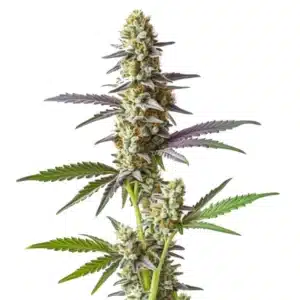
If you’re new to growing, start with strains like Blackberry Moonrocks from Blimburn Seeds. This strain is robust and forgiving, making it ideal for those learning about light exposure effects.
Always monitor your light settings. Too much light can be as damaging as too little. Adjust your lighting schedule to ensure your plants get the right amount of light without overexposure.
First-time growers should also consider keeping a detailed log of their growing conditions, including light exposure, to track how these factors influence their plants over time. This practice aids in identifying areas for improvement and optimizing growing practices.
Additionally, seeking advice from more experienced growers and engaging with the cannabis community can provide invaluable insights and support, helping newcomers navigate the complexities of cannabis cultivation successfully.
FAQs about cannabis potency loss measurement under light exposure
What is cannabis potency loss measurement under light exposure?
This term refers to the process of quantifying how much potency, specifically THC levels, is lost when cannabis is exposed to light. It’s an important aspect to consider for both growers and users who want to maintain the quality of their cannabis.
Light exposure affects cannabinoids, causing them to degrade. By measuring this loss, you can better understand how to store and handle your cannabis to preserve its potency.
Having an accurate knowing of cannabis potency loss measurement under light exposure is essential for implementing effective prevention strategies. This knowledge forms the foundation for achieving optimal storage and handling conditions.
Moreover, recognizing the significance of this measurement can guide both recreational and medicinal users in ensuring their cannabis retains its intended effects, enhancing their overall experience.
How can I prevent cannabis potency degradation due to light?
The key to preventing degradation is proper storage. Use dark, airtight containers to protect your cannabis from light. This simple step can significantly reduce potency loss.
Also, consider using amber glass jars or opaque containers. These materials block harmful UV rays and help maintain the quality of your cannabis over time.
Besides to storage solutions, managing the duration and intensity of light exposure during the growing phase is crucial in preventing cannabis potency degradation due to light. This involves careful planning and monitoring of grow light setups.
Implementing these strategies not only preserves the cannabinoid content of the cannabis but also enhances its aroma and flavor, contributing to a more enjoyable consumption experience.
Why is measuring THC loss important?
Measuring THC loss is crucial for maintaining the desired effects of your cannabis. If the THC degrades, the potency and effectiveness of the cannabis diminish, affecting your overall experience.
Regular testing allows you to understand how environmental factors like light exposure impact your cannabis. This knowledge helps in making informed decisions about storage and handling.
For medical users, accurately measuring THC loss is particularly important, as it can affect the therapeutic benefits they seek. Ensuring consistent potency is vital for effective treatment outcomes.
Overall, by prioritizing the measurement of THC loss, growers and users can better preserve the inherent qualities of their cannabis, ensuring a product that meets their expectations and needs.
What are the best cannabis light exposure potency testing methods?
Two popular methods for testing potency are High-Performance Liquid Chromatography (HPLC) and Gas Chromatography (GC). Both provide accurate measurements of THC and other cannabinoids.
HPLC is widely used for its precision, while GC offers a comprehensive view of multiple cannabinoids. Choose the method that best suits your needs and resources.
Exploring the various cannabis light exposure potency testing methods enables growers to select the most appropriate approach for their specific requirements, balancing factors such as cost, accuracy, and available expertise.
Ultimately, investing in reliable testing methods ensures that growers can maintain the quality and consistency of their cannabis products, benefitting both their cultivation efforts and the satisfaction of their consumers.
Which Blimburn Seeds strains are best for potency retention?
Blimburn Seeds offers several strains known for their high potency and resilience. Bruce Banner, Blackberry Moonrocks, and Tangie are excellent choices for those looking to maintain cannabinoid levels even with light exposure.
These strains have been tested and proven to retain their potency when properly stored, making them ideal for both new and experienced growers.
These resilient strains not only thrive in varied growing conditions but also demonstrate impressive resistance to cannabis potency degradation due to light, making them a popular choice among cultivators.
By selecting Blimburn Seeds strains, growers can enjoy the peace of mind that comes with cultivating cannabis that holds its potency well over time, providing a consistent and satisfying experience for users.