Proven Tips: How to Measure Cannabinoid Degradation Under Light

Measuring cannabinoid degradation under light is crucial for both novice and seasoned cannabis growers. Light exposure can drastically impact the cannabinoid content of your plants, affecting both potency and efficacy. If you’re growing strains like GG4 by Blimburn Seeds, knowing the degradation process can help you maintain optimal quality.
Light can be both a friend and foe in cannabis cultivation. While essential for growth, incorrect light exposure can lead to cannabinoid breakdown. By employing effective light measurement techniques, you can ensure your cannabis retains its desired properties. This process involves monitoring how light affects cannabinoid stability over time.
Recommended Strains

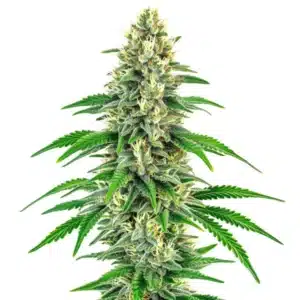
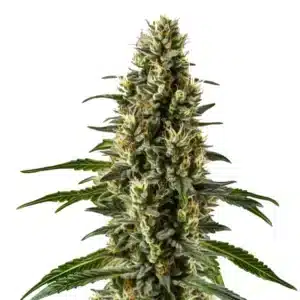
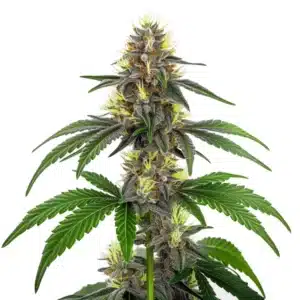
GG4

|
THC | 27% (High) |

|
Type | Feminized |

|
Yield | High |

|
Phenotype | 40% Indica / 60% Sativa |

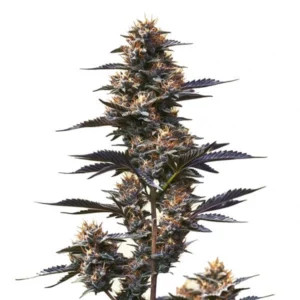
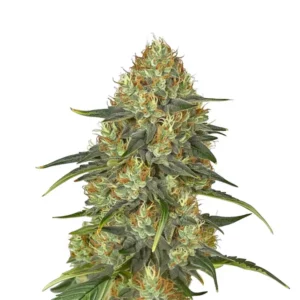
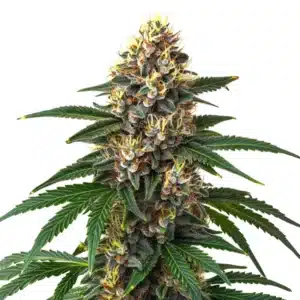
Sour Diesel
|
|
THC | 22% - 25% (High) |
|
|
Type | Feminized |
|
|
Yield | High |
|
|
Phenotype | 30% Indica / 70% Sativa |
Whether you’re cultivating indoors or outdoors, learning how to measure cannabinoid degradation under light will give you a significant edge. It involves not just knowing light exposure but also the right methods to track cannabinoid degradation under light.
Knowing Light’s Impact on Cannabinoids
Light exposure affects cannabinoids differently. THC, CBD, and other cannabinoids can degrade when exposed to certain light conditions. This degradation alters the effectiveness of your cannabis, affecting both recreational and medicinal uses.
Sunlight, for example, contains UV rays that can break down cannabinoids. Indoor growers using artificial lighting should also be mindful of light intensity and duration. Strains like Bruce Banner by Blimburn Seeds, known for their high THC levels, need careful light management to prevent degradation.
It’s essential to know that the impact of light on cannabinoids is not uniform. Some cannabinoids may degrade faster than others, depending on the spectrum and intensity of light they’re exposed to. This variability underscores the importance of knowing and implementing precise cannabinoid degradation light measurement techniques to maintain the integrity of your cannabis products.
Additionally, the time of day when plants receive the most light can also influence degradation rates. Morning light might have different effects compared to afternoon or evening light. By analyzing cannabinoid breakdown due to light exposure at different times, growers can optimize their lighting schedules to preserve cannabinoid potency.
Analyzing Cannabinoid Breakdown Due to Light Exposure
Start by keeping a consistent light schedule. Consistency helps in analyzing cannabinoid breakdown due to light exposure. Documenting changes in cannabinoid content over time will give you insights into how different light conditions affect your plants.
Use tools like spectrometers to measure light intensity. These tools provide data on the light spectrum that your plants are exposed to, helping you adjust your setup for optimal growth. This method is particularly useful for tracking how light affects cannabinoid stability over time.
Regular monitoring and adjustments are vital in methods to track cannabinoid degradation under light. By observing how light affects cannabinoid stability over time, you can fine-tune your cultivation practices to minimize degradation, ensuring your plants maintain their full therapeutic and recreational potential.
Incorporating technology such as time-lapse cameras can also aid in visualizing the effects of light exposure on plant health and cannabinoid levels. By capturing real-time growth patterns, growers can correlate these images with cannabinoid data to gain a comprehensive knowing of how to measure cannabinoid degradation under light.
Promos & Deals
Methods for Measuring Cannabinoid Degradation
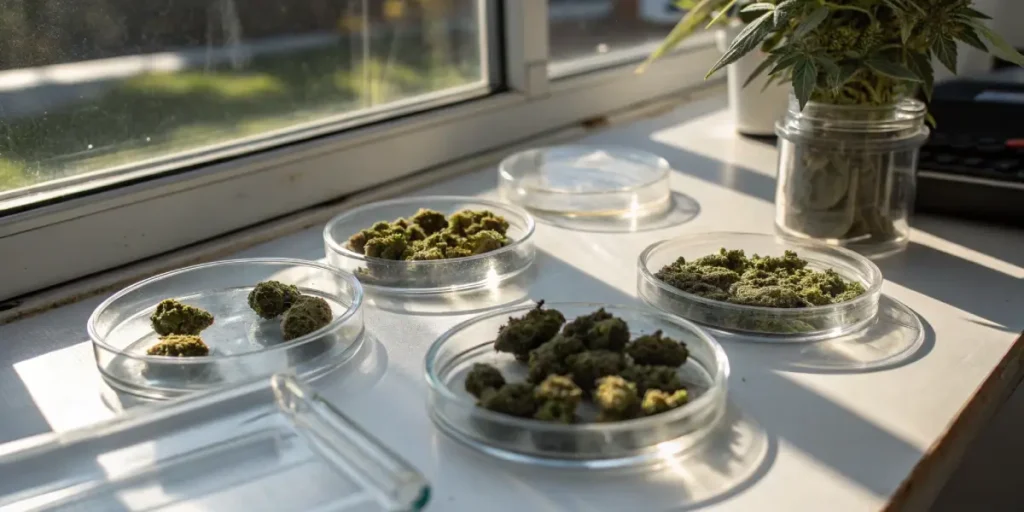
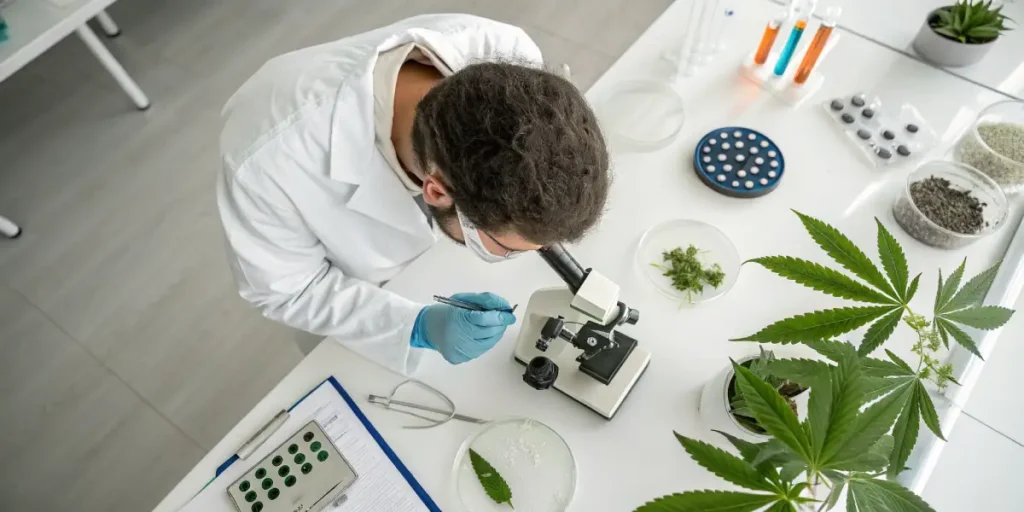
Several techniques can help you measure cannabinoid degradation under light. Chromatography is a popular method. This process separates the different compounds in your cannabis, allowing you to see how light exposure affects each cannabinoid.
Another method involves using light meters. These devices measure the intensity and quality of light your cannabis is exposed to over time. By correlating this data with cannabinoid levels, you can identify patterns and adjust your cultivation practices accordingly.
For more precise measurement, utilizing advanced analytical tools such as high-performance liquid chromatography (HPLC) can provide detailed insights into cannabinoid content over time. This data allows growers to make informed decisions about light management, preserving the potency and quality of strains like Sour Diesel by Blimburn Seeds.
Furthermore, integrating data analytics into your measurement routine can reveal hidden trends in how light conditions impact cannabinoid degradation. Software solutions can process large datasets quickly, offering growers actionable insights to enhance their cultivation strategies.
Factors Influencing Cannabinoid Degradation in Light Conditions
Temperature and humidity play a role in how cannabinoids degrade under light. High temperatures can accelerate the degradation process, while humidity levels can affect the plant’s overall health. Maintaining optimal conditions will help in preserving your cannabis’ potency.
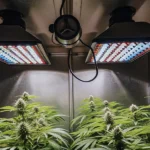
The type of light used also matters. LED lights, for example, offer more control and can be adjusted to minimize degradation. Different strains require different light intensities, so tailor your setup to the specific needs of your cannabis.
Knowing the interplay between environmental factors and light is crucial for effective cannabis cultivation. Factors influencing cannabinoid degradation in light conditions include not just light intensity but also how these environmental conditions interact. By controlling these variables, growers can better manage the degradation process.
Moreover, genetics play a significant role in how different strains respond to light exposure. Strains from Blimburn Seeds may have unique characteristics that either resist or are prone to degradation, making it essential to select strains that align with your cultivation goals and environmental setup.
Practical Tips for Cannabis Growers
Rotate your plants regularly to ensure even light exposure. This prevents one side from degrading faster than the other, maintaining a balanced cannabinoid profile across your crop.
Use reflective surfaces to maximize light efficiency without increasing intensity. This method helps distribute light evenly, ensuring all parts of the plant receive adequate exposure without the risk of degradation.
Incorporating automated systems that adjust light and environmental conditions can significantly enhance the efficiency of your grow operations. These systems can be programmed to mimic natural light cycles, ensuring your plants receive the optimal amount of light at each growth stage.
Additionally, engaging in regular education and staying informed about the latest research in cannabis cultivation can provide new insights and techniques. Attending workshops and collaborating with other growers can expand your knowledge on how to measure cannabinoid degradation under light effectively.
Frequent Monitoring and Adjustments
Regularly check the light setup and make adjustments as needed. This proactive approach prevents long-term damage and maintains the quality of your cannabis. It’s like tuning a guitar; small adjustments can make a big difference.
Documenting your observations is key. Keep a journal of light conditions, plant responses, and cannabinoid levels. This record will be invaluable for future grows, helping you refine your methods and produce high-quality cannabis consistently.
Frequent monitoring and adjustments are essential components of successful cannabis cultivation. By continuously analyzing how light affects cannabinoid stability over time, growers can make informed decisions that enhance plant health and yield.
Implementing a structured monitoring schedule, using tools such as spectrometers and light meters, can provide the data necessary to make precise adjustments. This disciplined approach ensures that every aspect of your light setup contributes positively to the growth and preservation of your cannabis plants.
FAQs about how to measure cannabinoid degradation under light
What is the best light setup to prevent cannabinoid degradation?
Using LED lights is often recommended as they provide flexibility in adjusting light intensity and spectrum. This allows you to mimic natural light conditions and reduce the risk of cannabinoid degradation. Proper positioning and rotation of plants also help in maintaining even light distribution.
Reflective surfaces can enhance light coverage without increasing exposure. This helps in maintaining the potency of your cannabis, preventing hotspots that could lead to excessive degradation.
In environments where natural light exposure is limited, LED systems offer the best alternative for creating a controlled lighting environment. This control is crucial for managing factors influencing cannabinoid degradation in light conditions, ensuring your plants receive the optimal spectrum and intensity.
Furthermore, combining LED systems with automated light sensors can create a dynamic setup that adjusts to external conditions, providing a consistent and protective light environment that minimizes the risk of cannabinoid degradation.
How often should I monitor cannabinoid levels?
Regular monitoring is advisable. Conduct checks at least once a week to ensure that your light setup is not negatively affecting cannabinoid levels. This frequency allows you to catch any issues early and make necessary adjustments.
Use measuring tools such as spectrometers or light meters to track changes accurately. Consistent monitoring provides a better knowing of how light affects cannabinoid stability over time.
For growers aiming for precision, more frequent monitoring may be necessary, especially during critical growth phases. Analyzing cannabinoid breakdown due to light exposure at shorter intervals can provide a more detailed picture of how your plants are responding.
Setting up a routine that includes both visual inspections and data collection ensures that no aspect of plant health is overlooked. This comprehensive approach supports informed decision-making and optimal plant care.
Can outdoor growers control light exposure effectively?
Outdoor growers have less control over light exposure compared to indoor setups. However, using shade cloths can help manage excessive sunlight and UV exposure, reducing the risk of rapid cannabinoid degradation.
Planting in areas with natural shade or using movable pots can also help in controlling light exposure. This flexibility allows you to protect your plants during peak sunlight hours.
Despite the challenges of outdoor cultivation, strategic site selection and plant positioning can significantly influence light exposure. By choosing locations with partial shade or using reflective materials, growers can mitigate some of the risks associated with intense sunlight.
Additionally, knowing local climate patterns and seasonal changes can aid in planning and adjusting cultivation practices. Being proactive and responsive to environmental shifts can enhance your ability to manage light exposure effectively.
Why is strain selection important for light management?
Different strains have varying light requirements and sensitivities. Choosing strains like Gorilla Glue, Bruce Banner, or Sour Diesel from Blimburn Seeds can influence your light management strategies, as each has unique needs.
Knowing the specific requirements of your chosen strain allows you to tailor your light setup for optimal growth and cannabinoid preservation.
Strain selection is a critical factor in determining the success of your grow, as each strain may have distinct characteristics that affect how it responds to light. By selecting strains that align with your environmental conditions and cultivation goals, you can enhance your overall yield and quality.
Incorporating knowledge from breeders and experienced growers can provide insights into selecting strains that are resilient to light-induced stress, offering a competitive advantage in maintaining cannabinoid integrity under various light conditions.
What are the signs of cannabinoid degradation?
Signs of degradation include changes in color, potency, and aroma. If your cannabis appears less vibrant or has a weaker smell, it may be undergoing degradation due to light exposure.
Regular testing of cannabinoid levels will provide concrete data on degradation. If you notice a decline, consider adjusting your light setup to better protect your plants.
Besides to visual changes, a drop in cannabinoid content can be detected through lab analysis. This scientific approach offers precise data, confirming whether degradation is occurring and to what extent.
Proactive measures, such as adjusting light exposure and environmental conditions, can help reverse or slow down degradation. By staying vigilant and responsive to these signs, growers can maintain high-quality cannabis that meets both personal and market standards.