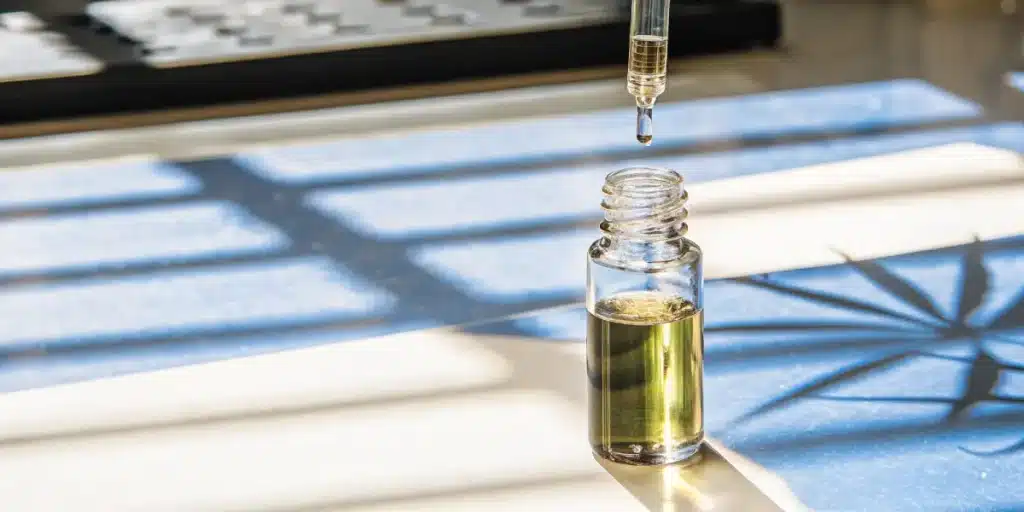
Proven Protocol to Quantify THC Degradation Under UV Light Easily

Have you ever wondered how your stored cannabis might change over time? If you’ve ever found yourself puzzled by the potential degradation of THC, especially when exposed to UV light, you’re not alone. Many cannabis enthusiasts, from first-time seed buyers to seasoned growers, are keen to learn about the best practices for maintaining the potency of their stash. With a proven protocol to quantify THC degradation under UV light, you can take proactive steps to ensure your cannabis retains its desired effects.
THC, or tetrahydrocannabinol, is the compound responsible for the psychoactive effects of cannabis. But when exposed to UV light, THC can break down, leading to reduced potency. This process makes it crucial to understand the protocol for measuring THC degradation under UV light. By applying specific methods to assess THC degradation caused by UV exposure, you can maintain the quality of your cannabis for longer periods.
Recommended Strains
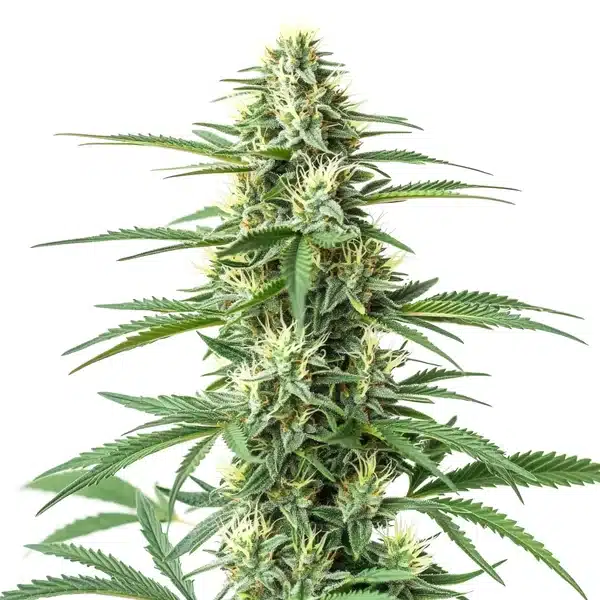
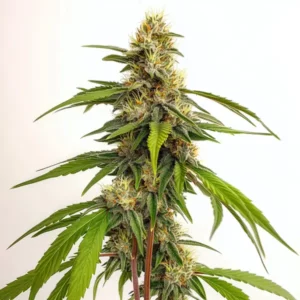
CBD Critical Mass (1:1)

|
CBD | 5% (Low) |

|
Type | CBD Feminized |

|
Yield | Medium |

|
Phenotype | 60% Indica / 40% Sativa |
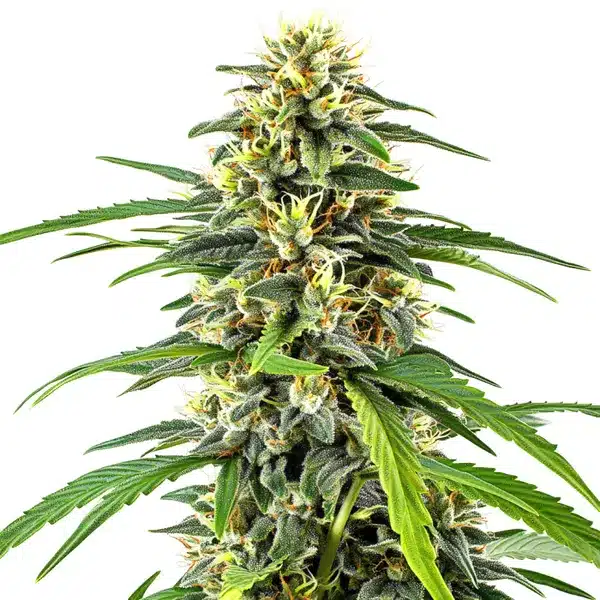
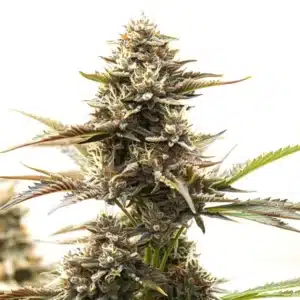
Amnesia Haze

|
THC | 18% - 22% (Medium) |
|
|
Type | Feminized |
|
|
Yield | High |
|
|
Phenotype | 30% Indica / 70% Sativa |
Let’s dive into the nitty-gritty of how you can easily quantify this degradation. Whether you’re storing the popular GG4 from Blimburn Seeds or experimenting with other strains, knowing these protocols is essential for any cannabis enthusiast.
Why THC Degradation Under UV Light Matters
Analyzing THC breakdown under ultraviolet light conditions is not just a scientific curiosity. It plays a vital role in ensuring that you get the most out of your cannabis products. Over time, UV exposure can lead to significant changes in the chemical structure of THC, which in turn affects the quality and potency of your product. This is why studying THC stability and degradation under UV radiation is crucial for both personal and commercial purposes.
Moreover, knowing the degradation patterns of THC under UV light can help in developing more efficient storage solutions. By integrating the protocol to quantify THC degradation under UV light into your storage practices, both growers and consumers can optimize their methods to retain the highest quality. This awareness can also lead to innovations in packaging and storage technologies that further protect cannabis products from the detrimental effects of UV radiation.
For instance, if you are growing Blue Dream from Blimburn Seeds, you’ll want to ensure that your harvest maintains its potency from the moment it’s cured until it’s consumed. By knowing the protocol to quantify THC degradation under UV light, you can confidently store your cannabis without worrying about losing its unique effects and flavors.
Effective storage not only preserves the psychoactive properties but also maintains the flavor profile and aroma of your cannabis. This can be particularly important for those who appreciate the nuanced differences between various strains. By preventing degradation, you ensure a consistent and enjoyable experience every time you use your cannabis.
Promos & Deals
Steps in the Proven Protocol
Embarking on this protocol to quantify THC degradation under UV light involves several steps. The first involves selecting the right equipment. You’ll need a UV light source, a storage container, and tools for measuring THC levels. The goal is to replicate typical storage conditions but with controlled UV exposure to see how your cannabis reacts over time.
Using a standardized approach ensures that the results of your assessments are reliable and repeatable. It’s crucial to maintain consistent environmental conditions during testing to accurately compare outcomes. By following a methodical protocol for measuring THC degradation under UV light, you can gather data that informs better storage practices and potentially contributes to the broader field of cannabis science.
Next, it’s essential to decide on the duration and intensity of the UV exposure. Different strains like Amnesia Haze from Blimburn Seeds may react differently to UV light. By experimenting with varying durations and intensities, you can better understand the specific degradation patterns for each strain you grow.
Documenting the conditions and results meticulously allows for a comprehensive analysis of how each strain responds to UV exposure. This data can reveal trends and insights that might not be apparent in initial observations, thereby enhancing your ability to tailor storage solutions to the specific needs of your strains.
Measuring THC Levels
One of the most critical steps in this protocol is measuring THC levels before and after UV exposure. There are several THC degradation quantification techniques using UV light, each with its benefits. For those new to the process, chromatography is a commonly used technique that can provide accurate results.
Chromatography involves separating THC from other compounds in your cannabis. Once isolated, you can measure its concentration to assess any decline due to UV exposure. While it sounds technical, many labs offer services to help growers and users alike get precise measurements.
Another approach includes using spectroscopy, which analyzes the interaction between light and the chemical compounds in cannabis. This method can also provide insights into how THC degrades under UV light and can be a valuable tool for those looking to delve deeper into the science of cannabis storage.
These methods to assess THC degradation caused by UV exposure not only provide quantitative data but also enhance the knowing of the chemical behavior of THC under different environmental conditions. This knowing can be crucial for improving both personal and commercial cannabis storage solutions.
Real-Life Applications
Applying these methods to assess THC degradation caused by UV exposure can have practical benefits. For growers, knowing these processes can help in deciding how to store and package cannabis for sale. For individuals, it means better personal storage practices, ensuring that your favorite strain retains its potency.
Consider a scenario where you’re storing Critical Mass from Blimburn Seeds. By following this protocol, you can ensure that even after months of storage, the THC levels remain stable. This means a more enjoyable experience when you finally consume your product.
Incorporating the knowledge gained from analyzing THC breakdown under ultraviolet light conditions into your daily practices can lead to more informed decisions regarding storage environments. Whether you’re a producer or a consumer, knowing and applying these insights can result in prolonged product quality and customer satisfaction.
Moreover, for those interested in cannabis research, these techniques offer a unique opportunity to contribute to the broader knowing of cannabis chemistry. By documenting and sharing your findings, you can help others in the community make informed decisions about their cannabis storage practices.
Cost-Effective Solutions
While the scientific aspect of these methods might seem daunting, implementing them doesn’t have to break the bank. Many of the tools required for this protocol are affordable and accessible. For instance, basic UV lights can be purchased at reasonable prices, and many local labs offer THC testing at competitive rates.
For those who are more hands-on, there are DIY kits available that allow you to conduct these tests at home. These kits often come with detailed instructions and support to guide you through the process, making it easier to quantify THC degradation without needing a degree in chemistry.
By investing in these solutions, you not only protect your cannabis investment but also gain valuable insights into how environmental factors affect THC stability. This knowledge can be invaluable, whether you’re a hobbyist or a professional in the cannabis industry.
Cost-effective approaches to studying THC stability and degradation under UV radiation can democratize access to important information, allowing a wider audience to benefit from scientific insights. By making these techniques accessible, the cannabis community can collectively advance its knowing of how best to preserve the quality of its products.
FAQs about protocol to quantify THC degradation under UV light
How does UV light affect THC degradation?
UV light can significantly affect the chemical structure of THC, leading to its degradation. When exposed to UV radiation, THC molecules absorb the energy, which can result in the breakdown of the compound. This degradation process reduces the potency of the cannabis, meaning that over time, the psychoactive effects could be lessened. This is why knowing the protocol for measuring THC degradation under UV light is crucial for maintaining the quality of your cannabis products.
In practical terms, this means that cannabis stored in direct sunlight or under artificial UV light can lose its effectiveness more quickly than cannabis stored in dark, cool conditions. By analyzing THC breakdown under ultraviolet light conditions, you can develop better storage practices to preserve your cannabis potency.
Knowing how UV light impacts THC degradation also opens up possibilities for innovation in protective packaging and storage solutions. By leveraging advanced materials and technologies, it may be possible to design containers that offer superior protection against UV-induced degradation, thereby extending the shelf life of cannabis products.
Furthermore, the insights gained from studying the effects of UV light on THC can inform guidelines and recommendations for both commercial producers and individual consumers. By following best practices, the cannabis community can ensure that its products remain potent and effective for as long as possible.
What are some methods to assess THC degradation caused by UV exposure?
There are several methods to assess THC degradation caused by UV exposure. Chromatography is one popular method, allowing you to separate THC from other compounds and measure its concentration accurately. This technique is widely used due to its precision and reliability. Another method is spectroscopy, which examines how light interacts with the cannabis compounds to determine degradation levels.
Both techniques require some level of technical expertise, but many labs offer services to help with these measurements. By employing these THC degradation quantification techniques using UV light, you can better understand how different storage conditions affect the potency of your cannabis.
Besides to chromatography and spectroscopy, other emerging technologies are being explored for their potential to assess THC degradation. These include advanced imaging techniques and computational models that predict how THC might behave under various environmental conditions. By staying informed about these developments, you can adopt the most effective methods for your needs.
Embracing a comprehensive toolkit of methods to assess THC degradation caused by UV exposure can enhance both personal and commercial cannabis storage strategies. By leveraging these tools, you can make more informed decisions and ensure that your cannabis products retain their desired properties.
Can different strains react differently to UV exposure?
Yes, different cannabis strains can react differently to UV exposure. Factors like the strain’s genetic makeup, THC content, and other chemical compositions can influence how it degrades under UV light. For instance, a high-THC strain like Gorilla Glue might experience different degradation patterns compared to a strain with lower THC levels.
This variability makes it essential to study THC stability and degradation under UV radiation for each strain you grow or consume. By knowing these unique patterns, you can tailor your storage practices to suit the specific needs of each strain, ensuring optimal potency retention.
For example, knowing how a particular strain responds to UV exposure can guide decisions about the type of storage container to use or the optimal duration for storage. Tailoring your approach based on each strain’s characteristics ensures that you maintain the highest quality and potency possible.
Additionally, this awareness can inform breeding programs aimed at developing new strains with enhanced resistance to UV-induced degradation. By selecting for traits that confer stability under UV light, breeders can create strains that offer both potency and durability, meeting the needs of a wide range of consumers.
How can I prevent THC degradation in my cannabis products?
Preventing THC degradation involves controlling exposure to factors like light, temperature, and air. Storing your cannabis in a dark, cool, and airtight container is one of the best ways to preserve its potency. Using opaque or UV-blocking containers can also help minimize light exposure, which is a significant factor in THC degradation.
Additionally, regularly checking your storage conditions and adjusting them as needed can prevent unwanted degradation. By following these steps and incorporating a protocol to quantify THC degradation under UV light, you can enjoy your cannabis products at their best quality for a more extended period.
Beyond simple storage adjustments, investing in advanced packaging solutions that incorporate UV-blocking materials can offer additional protection. These solutions are particularly valuable for long-term storage and for products that are especially sensitive to light exposure.
Implementing comprehensive prevention strategies not only safeguards your cannabis investment but also enhances the overall consumer experience. By maintaining the original potency and flavor profile, you ensure that each use is as enjoyable as the first.
Is it worth investing in testing equipment for personal use?
Investing in testing equipment for personal use can be worthwhile, especially if you are serious about maintaining the quality of your cannabis. While professional lab services offer precise measurements, having your equipment allows for more frequent testing and immediate results. This can be particularly beneficial for those growing cannabis at home or managing a personal collection of various strains.
However, it’s essential to weigh the costs against the benefits. If you’re a casual user, relying on professional services might be more cost-effective. But for enthusiasts and growers, the insights gained from personal testing can be invaluable, allowing you to refine your storage practices and enhance your overall cannabis experience.
Having the capability to conduct your tests empowers you to make data-driven decisions about storage and consumption. This autonomy can lead to quicker adjustments and optimizations, ensuring that your cannabis remains potent and enjoyable.
Furthermore, investing in your testing equipment fosters a deeper knowing of the cannabis you consume, promoting a more engaged and informed approach to storage and use. This knowledge can enhance your appreciation of the plant’s complexities and contribute to a more satisfying overall experience.
Keep learning with two closely related reads: Expert Guide: Proven Light Exposure Impact on Concentrates & Extracts and Top Cannabinoid-Rich Strains with Proven Longer Potency. They connect directly to what you just saw and add practical detail you can use right away.