Proven Microbial Risks of Overwatering Cannabis: Expert Insights

Watering cannabis plants may seem straightforward. However, overwatering can lead to serious problems, including the microbial risks of overwatering cannabis. Excess moisture creates the perfect environment for harmful pathogens to thrive, often resulting in poor plant health and decreased yield. Knowing how too much water affects cannabis is essential, as prolonged saturation can trigger microbial contamination and significantly increase the risk of crop failure.
Growers often overlook the subtleties of plant hydration. While water is essential, too much of it can create an environment ripe for microbial growth. This is especially true for strains like GG4 from Blimburn Seeds, which thrive in balanced conditions. When water stagnates in the soil, it can drown the roots. This creates a lack of oxygen, promoting harmful microbial life.
Recommended Strains
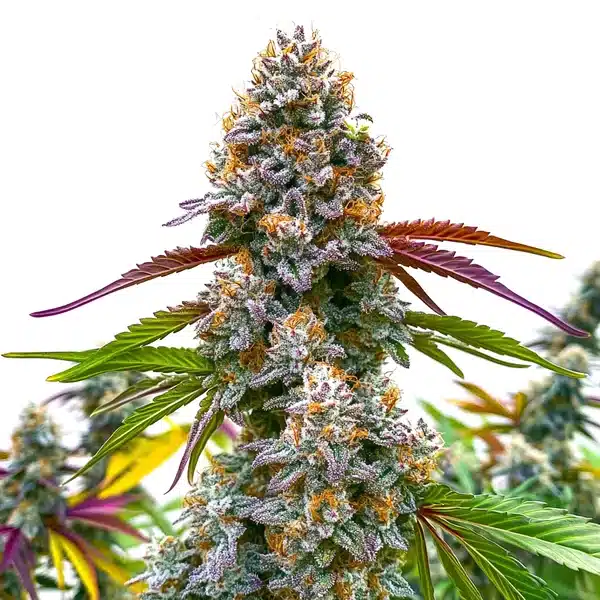
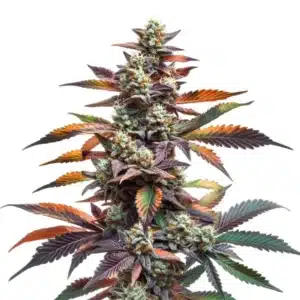
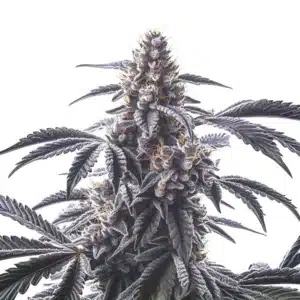
Critical Daddy Purple

|
THC | 19% (Medium) |

|
Type | Feminized |

|
Yield | High |

|
Phenotype | 50% Indica / 50% Sativa |

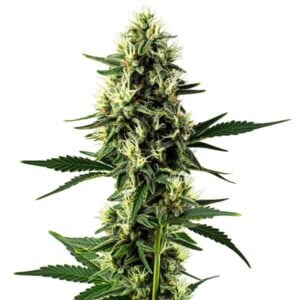
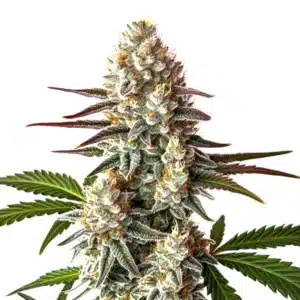
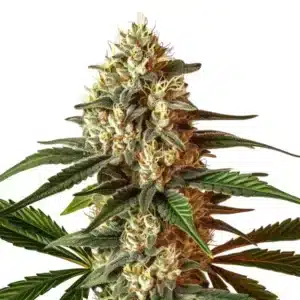
GG4
|
|
THC | 27% (High) |
|
|
Type | Feminized |
|
|
Yield | High |
|
|
Phenotype | 40% Indica / 60% Sativa |
The microbial hazards of excessive watering in cannabis are numerous. Overwatered soil becomes a breeding ground for pathogens. These pathogens include fungi and bacteria that damage the plant. Excess water can also lead to root rot, a common cannabis plant disease. It’s essential to recognize these risks early on.
Identifying Microbial Contamination in Overwatered Cannabis
Microbial contamination in overwatered cannabis is a serious concern for growers. It can compromise the entire crop. Signs of contamination include a musty smell, moldy appearance, and discolored leaves. It’s important to act quickly when these signs are present.
One effective strategy is to monitor plant health regularly. Check the leaves and soil moisture. Strains such as Critical Daddy Purple from Blimburn Seeds can be particularly susceptible to such conditions. Implement a watering schedule. Ensure the soil has adequate drainage to prevent water from pooling.
Microbial contamination in overwatered cannabis not only endangers plant health but also affects the overall quality of the yield. Contaminated plants often produce less potent buds, impacting the levels of cannabinoids like THC and CBD. This highlights the importance of vigilance in maintaining optimal soil conditions to mitigate these risks and ensure a successful harvest.
Knowing the signs of microbial contamination is crucial for any cannabis grower. By regularly inspecting plants and their growing environment, potential issues can be addressed before they escalate. Using tools like moisture meters can help in making informed decisions about watering practices, thus avoiding the microbial risks of overwatering cannabis.
Fungal Growth Risks in Cannabis Overwatering
Fungal growth is one of the biggest threats from overwatering. It happens when waterlogged soil creates a damp environment. Fungi thrive in these conditions, affecting the plant’s health. Powdery mildew and botrytis are common fungi in overwatered cannabis.
These fungi can spread quickly. They compromise the plant’s ability to photosynthesize, leading to stunted growth. Once fungal growth begins, it’s challenging to control without chemical intervention. Prevention is key. Ensure proper air circulation and avoid excessive watering.
Addressing fungal growth risks in cannabis overwatering requires a proactive approach. Implementing a consistent monitoring routine can help detect the early signs of fungal invasion. This can include changes in leaf texture or unexpected color shifts. Such vigilance is essential to prevent the rapid spread of fungi, which can devastate a cannabis crop if left unchecked.
For those cultivating strains known for their sensitivity to water stress, like those from Blimburn Seeds, it’s advisable to invest in environmental controls. These might include humidity regulators and dehumidifiers, which can maintain optimal growing conditions and reduce the likelihood of encountering fungal growth risks in cannabis overwatering scenarios.
Promos & Deals

Cannabis Plant Disease from Excess Water
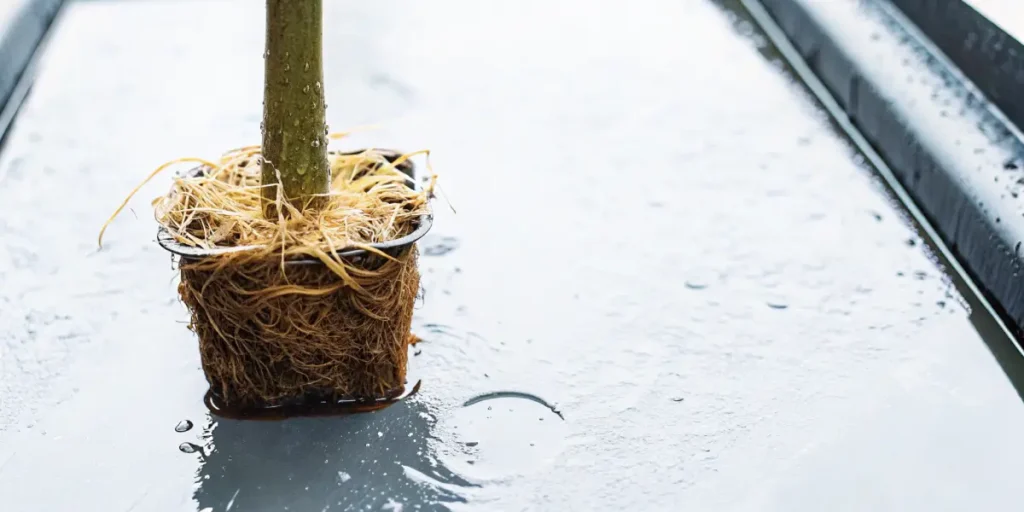
Excess water is a common cause of plant disease. Root rot is the most prevalent condition resulting from overwatering cannabis. This disease occurs when roots sit in waterlogged soil. They begin to rot, causing the plant to wilt and die.
Root rot is more than just a nuisance. It can devastate an entire crop if not addressed. To prevent it, use well-draining soil and pots with drainage holes. Regularly check the root system for signs of decay. If caught early, it’s possible to save affected plants by reducing watering.
Knowing the full spectrum of cannabis plant disease from excess water is critical for prevention. Aside from root rot, other ailments can also arise from poor water management, including nutrient lockout, where essential nutrients become inaccessible to the plant roots. Such conditions can severely stunt growth and reduce the plant’s ability to produce healthy flowers.
Preventative measures, such as amending soil with organic matter to enhance drainage and aeration, can significantly reduce the likelihood of waterborne diseases. Educating oneself on the specific needs of each strain, like those from Blimburn Seeds, can help tailor watering practices to avoid the pitfalls of overwatering and ensure robust plant health.
Overwatering Cannabis and Mold Development
Mold development is another consequence of overwatering cannabis. Mold thrives in moist environments and can quickly spread throughout the plant. White powdery mold is a common sight, easily identified by its dusty appearance.
To combat mold, maintain a consistent watering schedule. Avoid watering late in the day when evaporation rates are lower. Regularly inspect plants, especially during humid weather, to catch mold early.
Overwatering cannabis and mold development are intricately linked, as excess moisture provides the ideal environment for mold spores to flourish. As these spores establish, they can cause significant damage to buds and leaves, leading to compromised plant health and yield quality. This makes it essential to balance watering practices with environmental controls.
Incorporating natural antifungal treatments, such as neem oil or other organic fungicides, can act as a preventive measure against mold outbreaks. Additionally, growers should be mindful of the microclimates within their grow spaces, as areas with poor airflow are particularly susceptible to mold. Ensuring adequate ventilation can help mitigate these risks and promote healthier plant development.
Microbial Hazards of Excessive Watering in Cannabis
Microbial hazards are not limited to fungi alone. Bacteria can also flourish in overwatered conditions. This bacterial presence can lead to various diseases that weaken the plant. Symptoms include leaf spots, wilting, and poor growth.
Maintaining a balanced ecosystem is essential. Introducing beneficial microbes can help outcompete harmful bacteria. This approach requires a delicate balance, but it can be highly effective. Using natural compost and organic fertilizers can encourage this balance.
The microbial hazards of excessive watering in cannabis extend beyond immediate plant health concerns. Over time, persistent overwatering can alter the soil’s microbial balance, favoring harmful pathogens over beneficial organisms. This imbalance can make it increasingly challenging to cultivate healthy plants and achieve desirable harvests.
To address these microbial hazards, growers should consider integrating beneficial bacteria and mycorrhizal fungi into their cultivation practices. These organisms can enhance nutrient uptake and improve plant resilience against diseases. By fostering a thriving microbial ecosystem, the risks associated with overwatering cannabis can be minimized, leading to more sustainable and productive grows.
Practical Tips to Avoid Overwatering
To avoid overwatering, start by choosing the right pot size. Smaller pots dry out quicker, reducing the risk of overwatering. Make sure pots have sufficient drainage holes to prevent waterlogging. Regularly check the soil moisture. A good rule of thumb is to water only when the top inch of soil feels dry.
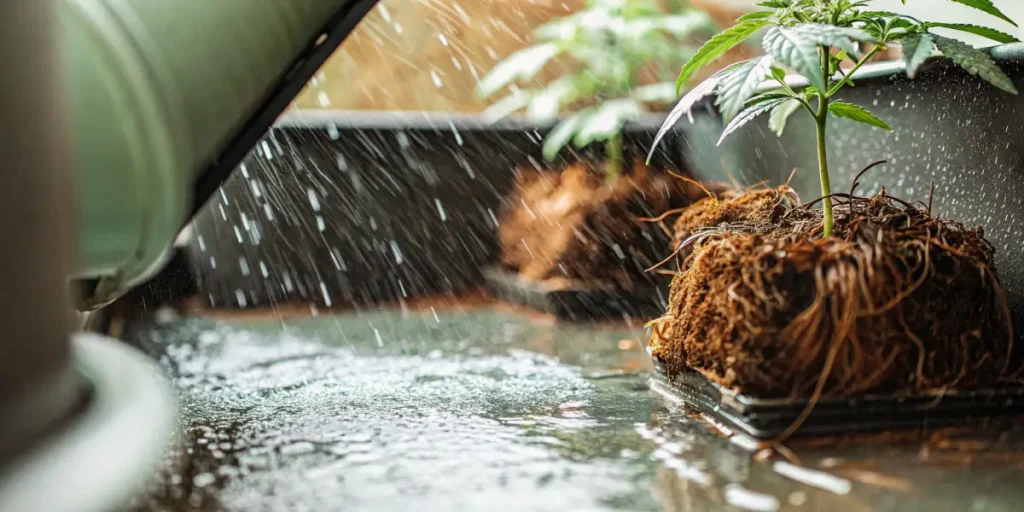
Implementing a drip irrigation system can provide water slowly and evenly. This prevents the soil from becoming oversaturated. It’s an effective way to regulate water supply and avoid the microbial risks of overwatering cannabis.
Developing a keen sense of the plant’s needs is crucial in avoiding overwatering. Observing the plant’s leaves can provide valuable clues; for instance, droopy leaves may indicate water stress, while curling or yellowing leaves often signal overwatering. Adjusting watering practices based on these observations can help maintain optimal soil moisture levels.
Joining community forums or groups dedicated to cannabis cultivation, such as those focusing on Blimburn Seeds strains, can offer practical insights and shared experiences. Engaging with other growers can provide new perspectives and techniques for managing water effectively, ensuring that the microbial risks of overwatering cannabis are kept at bay.
FAQs about microbial risks of overwatering cannabis
What are the first signs of overwatering cannabis?
Initial signs of overwatering include wilting, yellowing leaves, and slow growth. Leaves may appear swollen and heavy. This is because the roots struggle to access oxygen in the waterlogged soil. If not corrected, these symptoms can worsen, leading to root rot.
Monitor your plants closely. Check the soil moisture before each watering. Stick your finger into the soil about an inch deep. If it feels moist, wait a few days before watering again. This simple practice can prevent many issues related to overwatering.
Recognizing the first signs of overwatering is pivotal to preventing long-term damage. Besides to visual cues, a noticeable drop in plant vigor or an increase in pest problems can also indicate excessive moisture levels. These conditions create an ideal environment for pests that thrive in damp settings, compounding the detrimental effects of overwatering.
Adjusting environmental conditions, such as increasing airflow and moderating humidity, can help alleviate the symptoms of overwatering. By implementing these changes, growers can create a more balanced environment that supports healthy plant growth and reduces the microbial risks of overwatering cannabis.
How does overwatering contribute to mold and mildew growth?
Overwatering creates humid conditions that mold and mildew thrive in. When soil remains wet for too long, it lacks air circulation. This stagnant environment is ideal for mold spores to germinate and spread across the plant.
To mitigate this, ensure proper ventilation around your plants. Use fans to circulate air and reduce humidity levels. This helps keep the environment less conducive to mold growth. Regularly inspect plants to catch any mold early.
The relationship between overwatering and mold development is well-documented. Mold spores are naturally present in the environment, but they require specific conditions to flourish. Excess moisture and lack of airflow provide the perfect breeding ground, allowing mold and mildew to quickly colonize plant surfaces and compromise their health.
To further combat mold and mildew, consider using organic mold inhibitors that are safe for cannabis plants. These products can provide an additional layer of protection against mold outbreaks. By combining these treatments with diligent watering and environmental management, the likelihood of mold-related issues can be significantly reduced.
Can overwatering affect the potency of cannabis?
Yes, overwatering can impact the potency of cannabis. When plants are stressed by excess water, their ability to produce cannabinoids is reduced. This results in lower THC and CBD levels, directly affecting the quality of the harvest.
Ensuring optimal watering conditions is crucial for maintaining potency. Healthy plants produce more resin, which contains the valuable cannabinoids. By avoiding the microbial risks of overwatering cannabis, you can maximize the quality of your yield.
Beyond affecting cannabinoid production, overwatering can also alter the terpene profile of cannabis plants. These aromatic compounds are responsible for the plant’s distinctive smell and flavor. Excess water can dilute these compounds, leading to less fragrant and flavorful buds, which may not meet quality standards for discerning consumers.
To preserve both potency and flavor, growers should focus on maintaining balanced watering practices. This includes knowing the specific water needs of their chosen strains and making adjustments based on environmental conditions. By doing so, the negative impact of overwatering on cannabis potency can be effectively mitigated.
What role does soil type play in preventing overwatering?
Soil type is a critical factor in water management. Well-draining soil allows excess water to escape, reducing the risk of overwatering. Sandy or loamy soils are ideal as they provide good drainage and aeration.
Consider adding perlite or vermiculite to your soil mix. These materials help improve drainage and prevent compaction. Choosing the right soil can make a significant difference in maintaining plant health and preventing water-related issues.
The choice of soil can greatly influence how water is retained and drained, directly impacting the potential for overwatering. Heavy clay soils, for example, hold onto water longer, increasing the risk of root suffocation and microbial growth. Conversely, sandy soils drain quickly, but may require more frequent watering to maintain adequate moisture levels.
For those growing cannabis in pots, selecting the right soil mix is even more crucial. Blimburn Seeds strains, like many others, benefit from a mix that balances moisture retention with aeration. This ensures that roots receive the necessary oxygen and nutrients, reducing the likelihood of encountering the microbial hazards of excessive watering in cannabis cultivation.
Are there any specific Blimburn Seeds strains that are more resistant to overwatering?
Some Blimburn Seeds strains are more resilient to overwatering. GG4, for instance, is known for its robust nature and adaptability. Critical Daddy Purple also shows good resistance to environmental stressors, including overwatering.
However, even resilient strains require careful watering practices. Overwatering can affect any strain if not managed properly. It’s always best to follow recommended watering guidelines to prevent microbial hazards and ensure a healthy crop.
While certain strains from Blimburn Seeds may exhibit a degree of resistance to overwatering, it is still essential to adopt best practices in water management. Even the hardiest strains can succumb to the detrimental effects of excessive moisture if environmental conditions are not properly regulated.
Knowing the specific needs and characteristics of each strain can guide growers in tailoring their watering practices. This not only helps in preventing the microbial risks of overwatering cannabis but also optimizes growth conditions, ensuring a successful and productive harvest.