How Old Should a Mother Plant Be Before Cloning?

Optimal Mother Plant Age for Cloning: A mother plant should be at least 6 to 8 weeks old before cuttings are taken. It must be in a vigorous vegetative state with a strong root system to support new growth. Ensuring the mother plant is mature enough helps in taking cuttings without compromising its health, leading to successful cloning.
Cloning cannabis effectively requires knowing the ideal conditions for your mother plant. While the plant’s age is crucial, factors like terpene profiles and flowering times also play significant roles. Ensuring your mother plant is not only mature but also in peak health can enhance the quality of your clones, leading to robust growth and high yields.
Recommended Strains
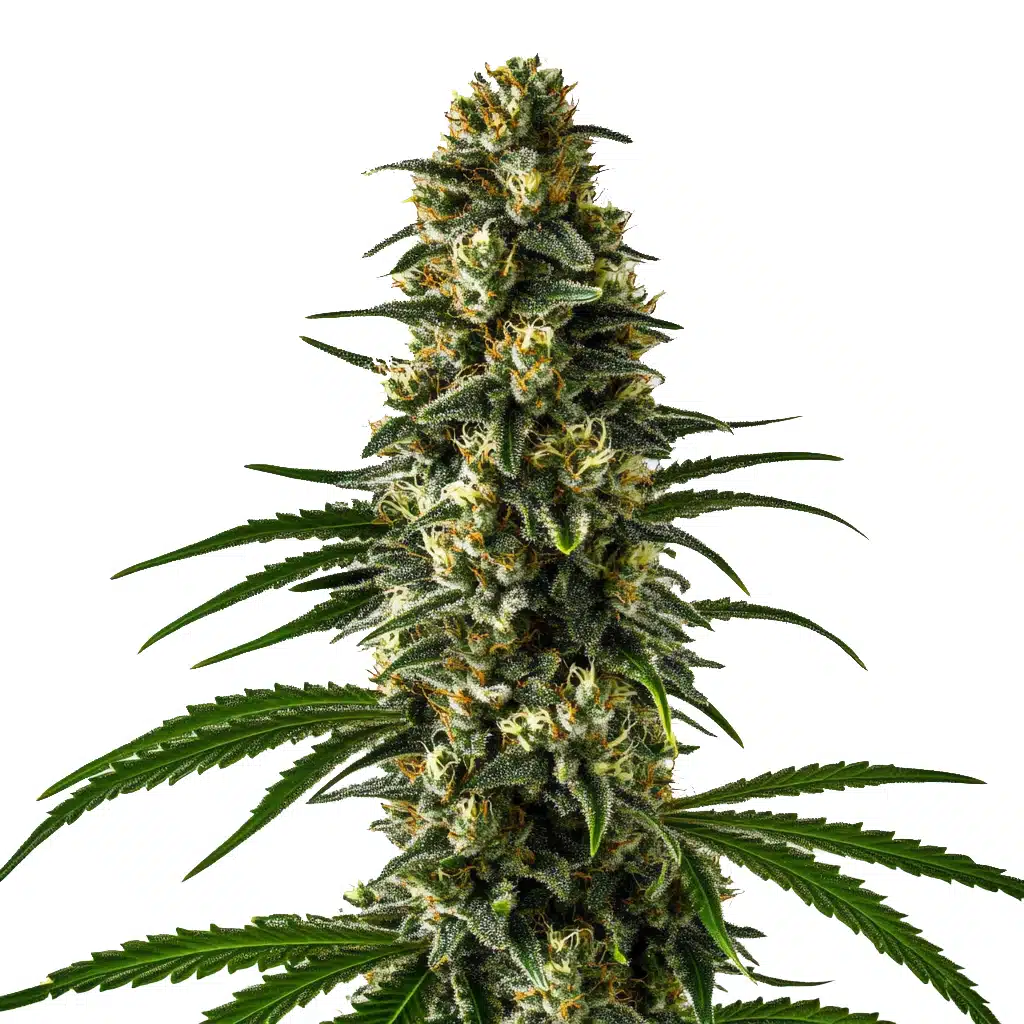
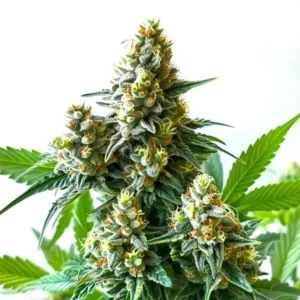
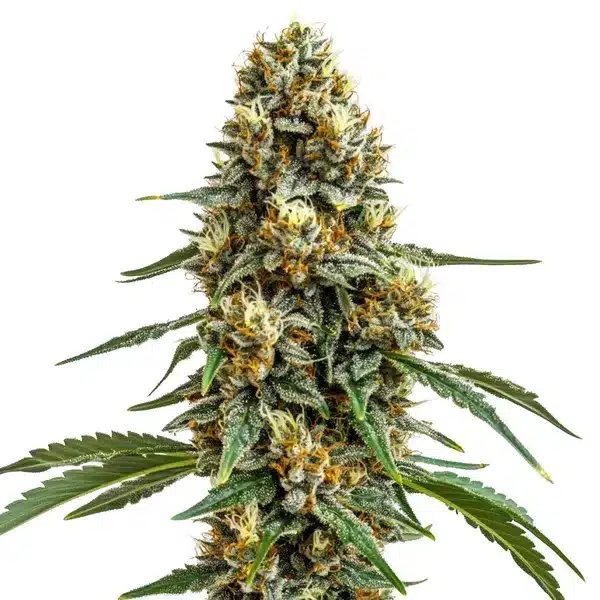
Girl Scout Cookies

|
THC | 18% - 25% (High) |

|
Type | Feminized |

|
Yield | High |

|
Phenotype | 60% Indica / 40% Sativa |
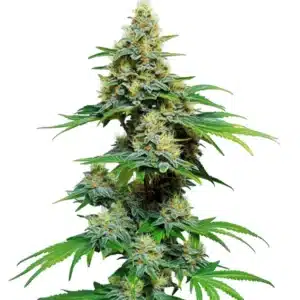
Durban Poison
|
|
THC | 15% - 25% (High) |
|
|
Type | Feminized |
|
|
Yield | High |
|
|
Phenotype | 10% Indica / 90% Sativa |
Mother Plants: Key Considerations
What is a Mother Plant?
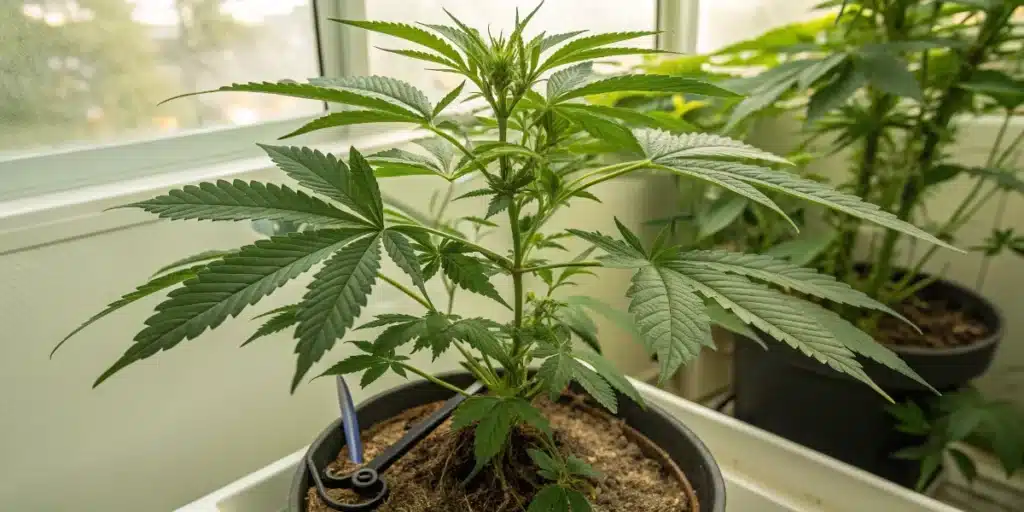
A mother plant is a cannabis plant maintained in a vegetative state to provide cuttings for cloning. This plant is never flowered, allowing it to continuously produce new growth. By keeping a mother plant, you can ensure genetic consistency in your crop, maintaining desired traits such as potency and flavor.
Experienced growers often select mother plants based on their genetic stability and desired characteristics. A robust mother plant can produce numerous clones over time, making it a valuable asset in cultivation. Maintaining a mother plant requires specific care, including optimal light conditions and nutrient management.
Benefits of Using Mother Plants
Using a mother plant allows for the replication of specific cannabis traits, ensuring uniformity in your crop. This is particularly beneficial for commercial growers who need consistency in THC levels, terpene profiles, and yield. Clones from a healthy mother plant can lead to a more predictable harvest.
Mother plants also save time and resources. Instead of germinating seeds and selecting phenotypes, clones from a mother plant are ready to grow, skipping the seedling phase. This efficiency is crucial for maximizing production cycles and maintaining a steady supply of cannabis.
Promos & Deals

How Old Should a Mother Plant Be Before Cloning?
Ideal Age and Conditions
For successful cloning, a mother plant should be at least 6 to 8 weeks old. This age ensures that the plant is mature enough to provide healthy cuttings. The plant should be in a vigorous vegetative state, with a robust root system to support new growth. These conditions are essential to avoid compromising the plant’s health when taking cuttings.
In addition to age, ensure the mother plant is free from pests and diseases, as these can be transferred to clones. Regularly inspect the plant and maintain a clean growing environment. Proper care and maintenance will result in healthier clones and a more productive mother plant.
How to Keep a Mother Plant Small
Pruning Techniques
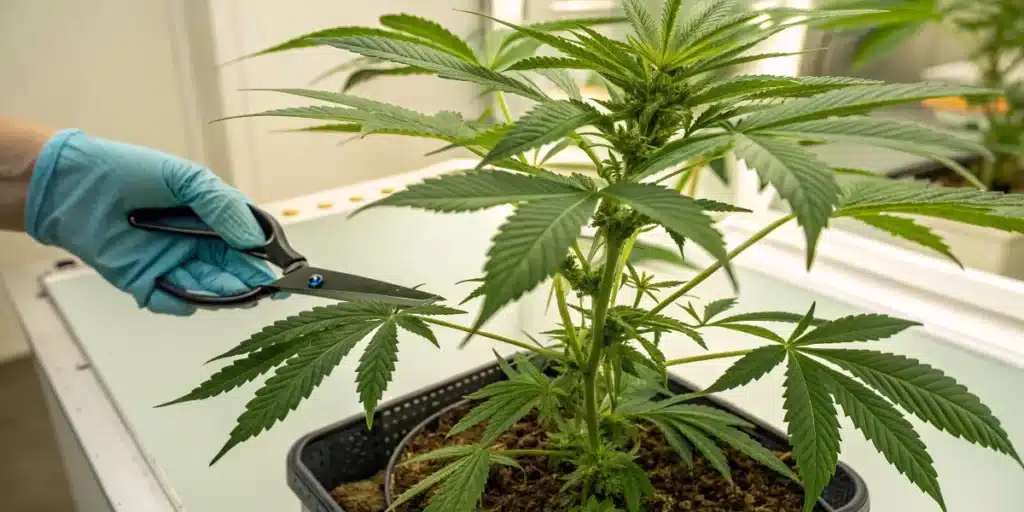
Pruning is essential for keeping a mother plant manageable in size. Regularly trim the plant to encourage bushier growth and prevent it from becoming too tall. This not only helps maintain a compact size but also promotes the development of more potential cloning sites.
Use sharp, sterilized tools to make clean cuts, reducing the risk of infection. Focus on removing older, less productive branches to encourage new growth. By managing the plant’s size, you can maximize the number of cuttings it can provide without compromising its health.
Nutrient Management
Proper nutrient management is crucial for maintaining a healthy mother plant. Use a balanced N:P:K ratio of 3:1:2 during the vegetative stage to support growth without excessive stretching. Avoid over-fertilizing, as this can lead to nutrient burn and stress the plant.
Regularly monitor pH levels, keeping them between 6.0 and 6.5 for optimal nutrient uptake. Adjust your feeding schedule based on the plant’s response, ensuring it receives adequate nutrients without overloading. This careful balance will keep your mother plant healthy and productive.
Mother Plant Light Requirements
Best Lighting Conditions
Mother plants require consistent lighting to remain in a vegetative state. Provide 18 to 24 hours of light per day using full-spectrum LED lights. This mimics the long days of summer, preventing the plant from entering the flowering stage.
Maintain light intensity at 400-600 µmol/m²/s to support healthy growth without causing light stress. Adjust the distance between the lights and the plant to prevent heat damage. Proper lighting ensures the mother plant remains vigorous and ready for cloning.
How to Get Clones to Root Fast
Techniques and Tips
To accelerate rooting, use a rooting hormone on cuttings before planting them in a well-draining medium. Keep humidity levels high, around 70-80%, to prevent the cuttings from drying out. Use a humidity dome to create a controlled environment.
Maintain temperatures between 72°F and 77°F (22°C to 25°C) to encourage root development. Ensure the medium remains moist but not waterlogged. These conditions help clones establish roots quickly, leading to successful growth.
Common Mistakes to Avoid
Avoid overwatering clones, as excess moisture can lead to root rot. Ensure proper drainage in your growing medium to prevent waterlogging. Additionally, do not expose clones to direct, intense light immediately after cutting, as this can stress the plant.
Gradually acclimate clones to stronger light conditions as they develop roots. By avoiding these common mistakes, you can increase the success rate of your cloning efforts and produce healthy, robust plants.
| Feature | GG4 | Girl Scout Cookies | Durban Poison |
|---|---|---|---|
| THC Content | 27% | 18-25% | 15-25% |
| Dominant Terpene | Humulene | Limonene | Terpinolene |
| Effect | Happy, Relaxed, Talkative | Happy, Relaxed, Talkative | Creative, Energetic, Euphoric |
| Flavor Profile | Fruity, Pine, Spicy | Fruity, Sweet | Earthy, Pine, Sweet |
| Yield | High | High | High |
Professional Tips for Cloning Success
- Maintain 70-80% humidity for clones. High humidity prevents dehydration, but avoid waterlogging to prevent root rot.
- Use a rooting hormone to enhance root development. It accelerates the process by stimulating root growth.
- Keep temperatures between 72°F and 77°F (22°C to 25°C) for optimal root growth. Temperatures outside this range can slow development.
- Ensure your mother plant is pest-free. Pests can transfer to clones, affecting their health and growth.
- Gradually increase light exposure for rooted clones. Sudden intense light can stress young plants.
- Regularly inspect clones for signs of stress or disease. Early detection can prevent widespread issues.
FAQs About Cloning Mother Plants
When to take clones from mother plant?
Take clones when the mother plant is 6 to 8 weeks old and in a vigorous vegetative state. This ensures the plant is mature enough to provide healthy cuttings without compromising its own growth. Optimal conditions include a robust root system and pest-free environment.
How many clones can you get off a mother plant?
A healthy mother plant can provide 10 to 20 clones per cycle, depending on its size and vigor. Regular pruning and proper care can increase the number of viable cuttings. Ensure the plant is not stressed to maximize clone production.
What helps clones root faster?
Using a rooting hormone and maintaining high humidity levels (70-80%) can help clones root faster. Keep temperatures between 72°F and 77°F (22°C to 25°C) and ensure the medium is well-draining. These conditions promote quick root development.
Is 80 too hot for clones?
Yes, 80°F can be too hot for clones, as it may cause stress and slow root development. Maintain temperatures between 72°F and 77°F (22°C to 25°C) for optimal growth. Use fans or adjust light distance to regulate temperature.
What is the best medium for rooting clones?
Rockwool and coco coir are popular mediums for rooting clones due to their excellent drainage and aeration properties. These mediums help maintain the right moisture levels, promoting healthy root development. Ensure the medium is kept moist but not waterlogged.
You may also like
This guide pairs well with two more from our blog. Take a look at 5 Finger Fan Leaves Meaning in Cannabis Cultivation and Black Spots on Weed Leaves: Causes & Fixes to get the full picture and put these ideas into practice with confidence.