Essential Humidity Control for Safe Cannabis Curing: Expert Tips

Successful cannabis curing depends heavily on managing humidity levels. When done right, curing enhances potency, flavor, and overall quality. But if humidity goes unchecked, mold and mildew can ruin your hard work. Let’s dive into the essentials of humidity control for safe cannabis curing.
First, it’s crucial to maintain the right environment. Ideal conditions for curing cannabis involve specific temperature and humidity ranges. These factors work together to ensure the cannabis dries evenly without losing terpenes or cannabinoids. Remember, curing is an art, and every strain might react differently.
Recommended Strains


Take a strain like Blue Dream from Blimburn Seeds. Known for its balanced effects, it requires careful humidity control to preserve its unique flavor profile. By adhering to precise humidity guidelines, you can ensure that strains like Blue Dream reach their full potential.
Optimal Humidity Levels for Cannabis Curing
Striking the right balance in humidity is key. The optimal humidity levels for cannabis curing range between 55% to 65%. This range slows down the drying process, preventing harsh smoke and preserving the plant’s rich aroma. Too much humidity, and you risk mold development; too little, and the buds become brittle.
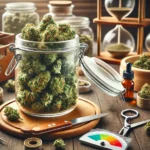
Many growers use hygrometers to monitor levels accurately. These devices provide real-time data, allowing you to adjust the environment as needed. For instance, if you’re curing GG4, maintaining optimal humidity ensures that its robust, earthy aroma and high THC content remain intact.
It’s also important to consider the ambient environment when targeting optimal humidity levels for cannabis curing. Factors such as altitude, local climate, and even the type of storage container can influence humidity levels. Growers in drier climates might need to adjust their strategies compared to those in more humid regions.
Additionally, the curing process can be affected by the density and structure of the cannabis buds themselves. Denser buds may retain moisture longer, requiring more consistent humidity control for safe cannabis curing. By knowing these variables, you can better anticipate the needs of your specific setup.
Promos & Deals
Best Humidity Control Methods for Marijuana Storage
Humidity packs are a popular method among growers. These packs help to stabilize humidity levels in containers, making them ideal for cannabis storage. They’re simple to use and can be placed directly with your buds. Choose packs that match your target humidity range for best results.
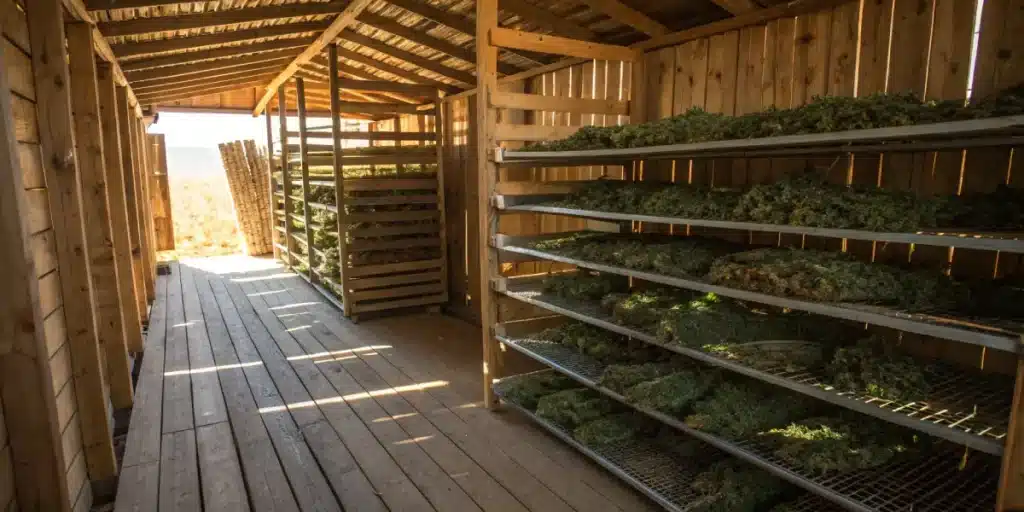
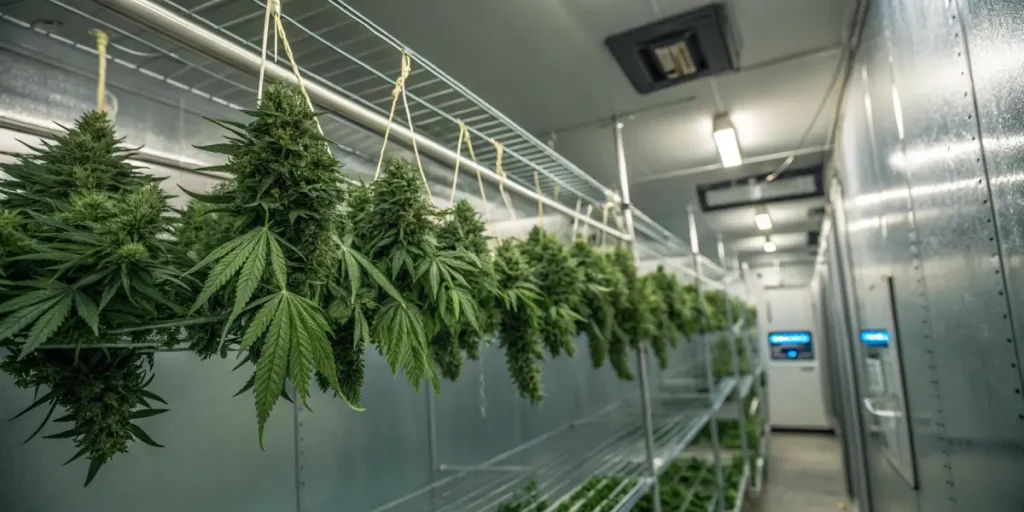
Another effective method involves using a dedicated curing room equipped with a humidifier and dehumidifier. This setup offers precise control over the environment. It’s particularly useful for large-scale operations where multiple strains are cured simultaneously. A setup like this can help manage room humidity for any strain from Blimburn Seeds.
For those seeking the best humidity control methods for marijuana storage, it’s also worth considering the use of specialized curing containers. These containers are designed to maintain consistent humidity levels and are often equipped with built-in hygrometers. They offer a convenient solution for growers who need to manage multiple batches concurrently.
Furthermore, integrating smart technology can enhance your humidity control strategy. Smart sensors and automated systems can provide alerts and adjust conditions in real-time, ensuring that your cannabis remains within the ideal humidity range. This approach is particularly beneficial for those who may not be able to monitor conditions manually at all times.
How to Maintain Humidity for Cannabis Curing
Maintaining humidity involves consistent monitoring and adjustment. Start by sealing your cannabis in airtight containers after an initial drying phase. This locks in the desired moisture levels. Open the containers daily to allow fresh air exchange, a process known as burping.
Burping is critical during the first few weeks of curing. It helps maintain a stable humidity level while preventing mold growth. If you’re curing a strain like OG Kush, renowned for its potent effects and pungent aroma, regular burping can make all the difference in quality.
Knowing how to maintain humidity for cannabis curing is essential for achieving the best results. Besides to burping, consider the use of a digital hygrometer to track the internal conditions of your containers. This allows for more precise adjustments and helps prevent any drastic changes in humidity.
Additionally, the environment outside your containers can also impact the curing process. Ensure that your storage area remains free of excessive temperature fluctuations and direct sunlight, as these factors can destabilize the humidity inside the containers. Consistent conditions lead to a more uniform cure and a superior final product.
Cannabis Curing Room Humidity Guidelines
Creating the perfect curing room environment isn’t just about humidity. Temperature plays a vital role too. Aim for a temperature range of 60°F to 70°F. Coupled with the right humidity, this ensures slow and steady drying. It’s a balance that keeps your cannabis in peak condition.
Proper ventilation is equally important. Air circulation prevents stagnant air, which can harbor mold spores. Use fans to keep air moving without directly blowing on your buds. This indirect airflow supports even drying, enhancing the curing process for strains like those from Blimburn Seeds.
Following cannabis curing room humidity guidelines can significantly influence the quality of your harvest. Ensuring that your curing room is insulated and free from external environmental influences can help maintain optimal conditions. This creates a microclimate that is both stable and controllable.
Regularly check your equipment, such as humidifiers and dehumidifiers, to ensure they function correctly, as these tools are integral to maintaining the desired environment. This proactive approach to humidity control for safe cannabis curing will preserve the integrity and enhance the quality of your final product.
Effective Humidity Control for Drying Cannabis
After harvesting, the drying phase is your first opportunity to manage humidity. Start by hanging your cannabis in a dark room with controlled humidity and temperature. Aim for 45% to 55% humidity during drying to initiate the process without overdrying.
Once dried, transition your cannabis to curing containers. This is where the magic of humidity control truly begins. Keeping your cannabis in a dedicated curing space with reliable monitoring tools ensures a smooth shift from drying to curing.
Implementing effective humidity control for drying cannabis is crucial to ensuring a smooth transition to the curing phase. Begin by selecting a drying area that is free from excessive moisture and sunlight, as these can negatively impact the drying process.
Additionally, consider the density of the buds when determining drying times. Denser buds may require a slightly longer drying period to ensure moisture is evenly reduced. By fine-tuning your drying techniques, you lay the groundwork for a successful curing phase that enhances potency and flavor.
FAQs about humidity control for safe cannabis curing
What is the ideal humidity level for curing cannabis?
The ideal humidity level for curing cannabis is between 55% and 65%. This range helps preserve terpenes and cannabinoids while preventing mold. Sticking to this range ensures your cannabis remains potent and flavorful throughout the curing process.
It’s essential to use tools like hygrometers to monitor humidity within your curing containers. Adjusting the environment as needed helps maintain these levels, ensuring a successful curing process for any strain.
For those who are new to cannabis cultivation, knowing the ideal humidity level for curing cannabis can be a learning curve. It’s beneficial to start with small batches to develop a feel for how different strains respond to humidity variations.
Experimenting with different storage methods, such as glass jars or specialized curing containers, can also help you find the best approach for your specific needs. Over time, you’ll develop a reliable routine that consistently produces high-quality cured cannabis.
Why is humidity control important during cannabis curing?
Humidity control is crucial because it affects the drying rate and overall quality of cannabis. Proper humidity prevents mold and ensures the buds dry evenly. When done right, it enhances the cannabis’s aroma, flavor, and potency.
Think of it as a safeguard for your harvest. By controlling humidity, you’re setting the stage for a superior product that stands out in flavor and effects, whether it’s from Blimburn Seeds or another grow.
Moreover, effective humidity control during curing directly impacts the longevity and storage potential of your cannabis. Well-cured cannabis can maintain its quality for much longer, providing a better experience for consumers and maximizing the value of your harvest.
Besides, maintaining the correct humidity levels during curing can also reduce the harshness of the smoke, resulting in a smoother and more enjoyable consumption experience. This is especially important for connoisseurs who prioritize the subtleties of flavor and aroma in their cannabis.
How can I prevent mold during the cannabis curing process?
To prevent mold during curing, maintain a humidity level between 55% and 65%. Use airtight containers and burp them daily to allow fresh air exchange. This practice balances moisture levels, reducing mold risk.
Monitoring with hygrometers inside your containers is also effective. If you notice humidity levels rising, take steps to adjust the environment, such as dehumidifying or increasing airflow.
Taking proactive measures is key to preventing mold during the cannabis curing process. Ensure your curing area is clean and free from any existing mold or mildew, as spores can easily transfer to your cannabis.
Additionally, consider the placement of your containers. Avoid stacking them too closely, as this can restrict airflow and create pockets of high humidity. Proper spacing allows for better air circulation and reduces the risk of mold development.
Can I cure cannabis without specialized equipment?
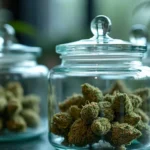
Yes, you can cure cannabis without specialized equipment, but it requires diligence. Use airtight jars for storage and monitor conditions with basic hygrometers. Regular burping and environmental adjustments can help maintain optimal conditions.
If you have access to a humidifier or dehumidifier, these can significantly ease the process. However, many successful curing outcomes result from careful observation and small adjustments.
For those curing cannabis without specialized equipment, establishing a routine is essential. Regularly checking the conditions inside your jars and making small adjustments to your environment can yield excellent results.
While advanced tools can simplify the process, a keen eye and attention to detail can compensate for the lack of technology. Many traditional growers rely on their senses and experience to guide them, proving that technology is helpful but not strictly necessary for success.
What should I do if my curing room humidity is too high?
If your curing room humidity is too high, consider using a dehumidifier to reduce moisture levels. Increasing airflow with fans can also help lower humidity, ensuring your cannabis dries properly.
Another quick fix is to open windows or vents to introduce fresh air. This can temporarily reduce humidity, but for long-term solutions, investing in humidity control tools is advisable.
If you’re battling persistent high humidity, it may be beneficial to reassess the sealing of your curing room. Check for any leaks or areas where external humidity could be infiltrating, and seal them to maintain control over the internal environment.
Besides, gradually adjusting the temperature can help in managing humidity levels. Cooler temperatures often result in lower humidity, providing another avenue for balancing your curing environment effectively.