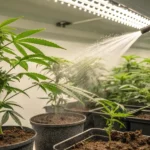
How Often to Water Marijuana Plants Outside

Quick answer: There is no fixed schedule, how often you water outdoor cannabis depends on plant size, pot or ground, and the weather. As a guide, water when the top 2-3 cm (about an inch) of soil is dry: that can mean every few days for small plants in cool weather, up to once or twice a day for large plants in hot, dry conditions. Check the soil, do not just follow the calendar, and never water already-wet soil.
Watering outdoor cannabis is less about a strict schedule and more about reading the plant and the soil. Outdoors, sun, wind, temperature, pot size and rainfall all change how fast the medium dries, so the same plant might need water daily in a July heatwave and only every few days in mild, damp weather.
Recommended Strains
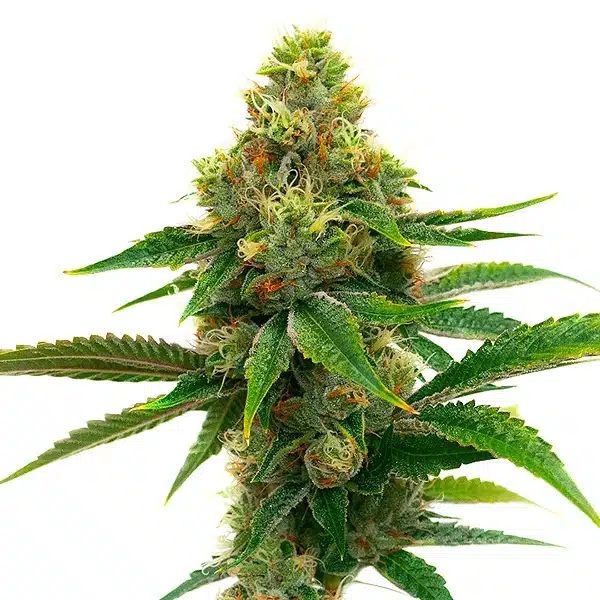
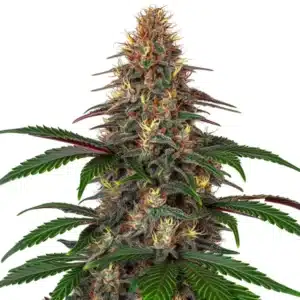
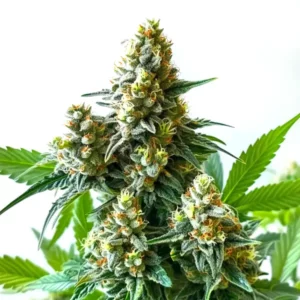
Banana Cream

|
THC | 28% - 30% (High) |

|
Type | Feminized |

|
Yield | Medium |

|
Phenotype | 70% Indica / 30% Sativa |

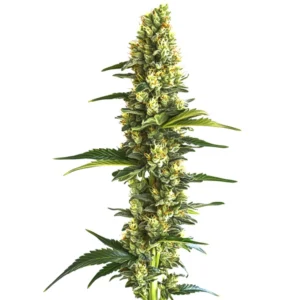
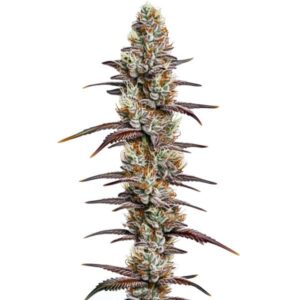
Banana Kush
|
|
THC | 17% - 21% (Medium) |
|
|
Type | Feminized |
|
|
Yield | High |
|
|
Phenotype | 60% Indica / 40% Sativa |
The skill is learning to water when the plant actually needs it, not too much, not too little, since overwatering is one of the most common outdoor mistakes. Below we give practical frequency guidance, the simple finger test, and how to adjust for weather and growth stage so your plants stay healthy.
| Situation | Rough watering frequency |
|---|---|
| Young plants / cool weather | Less often; when the top 2-3 cm of soil is dry |
| Large plants / hot, dry weather | Often daily, sometimes twice a day in heat |
| In the ground vs pots | Ground retains moisture longer; pots dry out faster |
| After rain | Skip, check the soil first; do not water wet soil |
How to Know When to Water (the Finger Test)
The most reliable method is the finger test: push a finger about 2-3 cm (an inch or two) into the soil near the plant. If it feels dry at that depth, it is time to water; if it is still moist, wait and check again later. Lifting a pot to feel its weight works too, light means dry, heavy means still wet.
When you do water, water thoroughly until a little drains from the bottom (in pots), which encourages deep roots, then let the top layer dry out again before the next watering. This wet-then-dry cycle is far healthier than frequent shallow sips, which keep roots waterlogged and invite rot. Water in the morning or evening in hot weather to reduce evaporation.
Promos & Deals


Adjusting for Weather, Size and Stage
Bigger plants with more leaves drink far more than seedlings, and hot, dry, windy weather dramatically increases water use, so a large plant in a heatwave may need watering once or even twice a day, while the same plant in cool, overcast weather needs much less. Plants in pots dry out faster than plants in the ground, which holds moisture longer.
After rain, always check before watering, watering already-soaked soil drowns the roots. Pot size is a big factor too: a sensible container holds enough medium to buffer moisture without staying soggy. For choosing the right pot, see our guide on the best pot size, and for feeding outdoors, the best outdoor fertilizer.
Signs of Overwatering and Underwatering
Let the plant tell you if you are getting it wrong. Overwatering shows as drooping, curled-down leaves that feel firm and puffy, slow growth and constantly wet soil, it is the more common and more dangerous mistake, as it suffocates roots and invites rot. Underwatering looks different: limp, thin, drooping leaves with dry soil, which usually perk up soon after a good drink.
The fix for overwatering is to water less and let the medium dry out, improving drainage if needed; for underwatering, water more consistently, especially in heat. Because the two can look similar at a glance, always check the soil moisture before deciding. For feeding schedules that pair with sensible watering, see our guide on how often to fertilize cannabis.
Watering In-Ground vs In Pots Outdoors
Where the plant lives changes everything about watering. Plants in the ground tap into a large reservoir of soil that holds moisture and buffers temperature, so they need watering less often and tolerate missed days better, especially once established with deep roots. Plants in pots, by contrast, have a limited soil volume that dries fast, particularly fabric pots in sun and wind, so they need more frequent attention.
The bigger the pot or the richer the ground, the more forgiving the watering. This is why container growers in hot climates may water daily while an in-ground plant nearby is fine every few days. Factor your setup into the schedule, and always let the soil, not habit, decide. For container choice, see our guide on the best pot size.

FAQs about how often to water marijuana plant outside
How often should I water my weed plant outdoors?
Water when the top 2-3 cm of soil is dry rather than on a fixed schedule. That can be every few days for small plants in cool weather, up to once or twice a day for large plants in hot, dry conditions. Use the finger test, water thoroughly, then let the top layer dry before watering again.
How do I know if I’m overwatering my cannabis plant?
Overwatered plants have drooping, curled-down leaves that feel firm and puffy, slow growth and soil that stays constantly wet. It is the most common outdoor mistake and suffocates the roots. The fix is to water less, let the medium dry out between waterings, and improve drainage. Always check soil moisture before watering.
Should I water cannabis every day outdoors?
Only if the soil actually needs it. Large plants in hot, dry weather may need daily or twice-daily watering, but smaller plants or cooler, damp conditions need much less, and watering on a daily schedule regardless of soil moisture risks overwatering. Check the top few centimetres of soil and water when it is dry.
How do you water outdoor cannabis in a heatwave?
In extreme heat, plants, especially in pots, may need watering once or even twice a day. Water deeply in the early morning and, if needed, again in the evening to reduce evaporation, and mulch the soil surface to retain moisture. Always check the soil first; even in heat, do not water if it is still wet below the surface.